
 by
by Our #1 recommendation for spinal stenosis
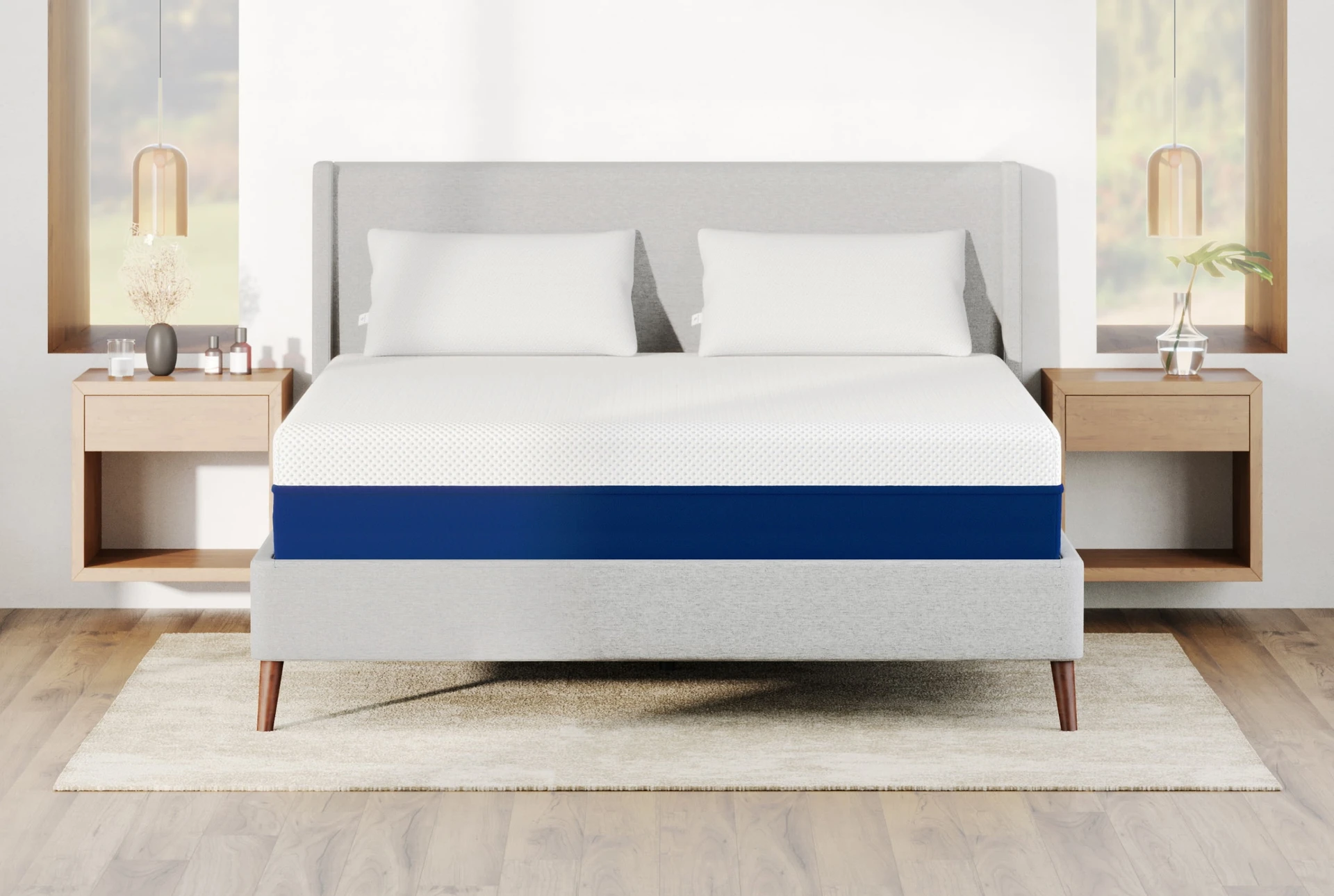
Amerisleep AS2
The AS2 hits the right firmness for stenosis patients without the premium price.
We earn a commission if you make a purchase through our links, at no extra cost to you. Full disclosure.
Spinal stenosis is a thief. It steals your sleep one night at a time. The narrowing of your spinal canal puts pressure on nerves, and lying down - the thing that's supposed to help - can make it worse. Tingling legs. Numbness through your lower back. That deep stiffness every morning.
The wrong mattress lets your spine sag and irritates already-compressed nerves. The right one holds your vertebrae in neutral alignment while cushioning the areas that hurt most. Here's what works.
Why Spinal Stenosis Demands a Specific Kind of Mattress
Spinal alignment is everything. Your spinal canal is already narrowed. When your mattress lets your midsection sag, it changes lumbar curvature and compresses the canal further. You need a mattress that holds your spine in neutral position all night.
Lumbar support isn't optional. Most mattresses are weakest where stenosis patients need help most: the lower back. Cheap mattresses cave in there first. Look for zoned support or reinforced midsections.
Medium-firm to firm is the sweet spot. The research is clear: medium-firm mattresses (6-7 on a 10-point scale) provide the best outcomes for stenosis. Firm enough to prevent sag, soft enough to relieve pressure at hips and shoulders.
Pressure relief still matters. Stenosis often comes with sciatica. If your mattress pushes back too hard, it creates secondary pain that compounds the spinal issues. You need support and contouring.
Our Top 5 Picks for Spinal Stenosis
Amerisleep AS2
8.0/10
- HIVE 5-zone lumbar reinforcement at a lower price
- Plant-based Bio-Pur foam, CertiPUR-US certified
- Responsive enough for position changes at night
- 100-night trial is the shortest on this list
- All-foam construction sleeps warmer than hybrids
- May lack cushioning for strict side sleepers
The AS2 hits the right firmness for stenosis patients without the premium price. Amerisleep's Bio-Pur foam is responsive enough that you won't feel stuck when nerve compression forces a position change at 3 a.m. The HIVE zoned support system creates five support zones, with more give at shoulders and more firmness at hips and lumbar, achieving what the Saatva Classic's coil zones do in all-foam at a lower price.
Saatva Classic (Luxury Firm)
9.5/10
- Dedicated lumbar zone prevents midsection sag
- Dual-coil design balances contouring with structural support
- 365-night trial with free white-glove delivery and old mattress removal
- Outstanding edge support (10/10 lab-tested)
- Premium pricing, $99 return fee applies
- May feel too firm for side sleepers under 130 lbs
The Saatva Classic in Luxury Firm takes the #2 spot for one reason: its lumbar zone support is the best we've found at this price. A dedicated band of foam reinforces the center third of the mattress, exactly where your lower back sits. The 365-night trial matters more than usual here, because stenosis symptoms fluctuate and you need months to know if a mattress truly works.
Read our full Saatva Classic mattress review for the complete breakdown.
Saatva Loom & Leaf (Firm)
9.0/10
- 5-lb density foam holds alignment long-term
- Gel cooling prevents overheating for immobile sleepers
- 365-night trial with lifetime warranty
- Sleeps warmer than coil-based options
- Heavy (~100 lbs), difficult to reposition
- Firm feel may be too intense for strict side sleepers
If you prefer foam over innersprings, the Loom & Leaf in Firm is your best bet. Its 5-lb high-density memory foam provides deep conforming support without letting your lumbar region sink. The gel-infused cooling layer solves the biggest problem with firm memory foam: heat. Stenosis patients often spend more time in one position because moving hurts, and the Loom & Leaf sleeps noticeably cooler than comparable all-foam beds.
Wondering about returns? See our Saatva return policy guide for full details on the 365-night trial.
WinkBed (Luxury Firm)
8.5/10
- Best-in-class edge support for easier bed entry and exit
- Euro-top cushioning without compromising spinal alignment
- Airflow-promoting coil base, outstanding cooling (10/10 tested)
- Lifetime warranty
- 120-night trial is much shorter than Saatva's 365 nights
- Lumbar support lacks a dedicated zone
- $49 exchange fee if swapping firmness levels
Here's something nobody talks about with stenosis: getting out of bed. When your back is worst, usually first thing in the morning, you need an edge that doesn't collapse. The WinkBed's reinforced perimeter is the strongest we've tested. The Euro-top provides genuine pressure relief at hips and shoulders while pocketed coils maintain alignment.
Helix Midnight Luxe
8.5/10
- Zoned coils support every sleeping position
- Pillow-top plus dedicated lumbar zone
- Tencel cover stays cool throughout the night
- Priced from $1,874 queen
- 100-night trial only
- Medium firmness may not suit sleepers over 230 lbs
Stenosis patients rarely stay in one position all night. Pain forces you to shift: back to side, side to back, sometimes curled with a pillow between your knees. The Helix Midnight Luxe handles all of it. Zoned coils use firmer springs at the lumbar and softer ones at shoulders, so your spine stays aligned regardless of position. The pillow-top relieves pressure on your side while the zoned base prevents midsection sag on your back.
Comparison Table: Best Mattresses for Spinal Stenosis
| Mattress | Price (Queen) | Type | Firmness | Lumbar Support | Trial | Warranty |
|---|---|---|---|---|---|---|
| Amerisleep AS2 | From $1,049 | Memory Foam | Medium-Firm (6.5/10) | 8.0/10 | 100 nights | 20 years |
| Saatva Classic (Luxury Firm) | $2,229 | Innerspring Hybrid | Medium-Firm (6/10) | 9.5/10 | 365 nights | Lifetime |
| Saatva Loom & Leaf (Firm) | From $1,695 | Memory Foam | Firm (8/10) | 9.0/10 | 365 nights | Lifetime |
| WinkBed (Luxury Firm) | From $1,599 | Hybrid | Medium-Firm (6/10) | 8.5/10 | 120 nights | Lifetime |
| Helix Midnight Luxe | From $1,874 | Hybrid | Medium (6/10) | 8.5/10 | 100 nights | 15 years |
Sleeping Tips for Spinal Stenosis
The right mattress is only part of the equation. How you sleep on it matters just as much.
Back sleeping with a knee pillow is often best. A thick pillow under your knees reduces lumbar flexion and opens the spinal canal. Most spine specialists recommend this first.
Side sleeping works if you do it right. Slight fetal position with a pillow between your knees opens the vertebral spaces. But you need a mattress that cushions your shoulder and hip.
Consider an adjustable base. Elevating your head and knees mimics the flexed position that opens the spinal canal. Many stenosis patients say this is the single biggest improvement they've made. All five mattresses here work with adjustable frames - see our best bed frames for Saatva mattresses guide.
Avoid stomach sleeping. It forces lumbar extension - the exact position that narrows the canal further.
MATTRESSES FOR PAIN RELIEF
Frequently asked questions
What firmness is best for spinal stenosis?
Medium-firm (6-7 on a 10-point scale) is the clinically recommended firmness for spinal stenosis. It keeps the spine neutrally aligned while allowing enough contour to relieve pressure on the nerves compressed by the stenosis.
Is memory foam or hybrid better for spinal stenosis?
Hybrid mattresses are generally better. The coil base provides structural support that stabilizes the spine, while a thin memory-foam or latex comfort layer relieves pressure on the lumbar vertebrae without the excessive sinking that can worsen stenosis symptoms.
Should I sleep on my back or side with spinal stenosis?
Side sleeping with a pillow between the knees is most commonly recommended for lumbar spinal stenosis because it reduces pressure on the narrowed spinal canal. Fetal position (mild knee-to-chest) can also relieve symptoms for many sufferers.
Can a bad mattress cause spinal stenosis to worsen?
A mattress that sags or lacks lumbar support can worsen stenosis symptoms by forcing the spine into unnatural positions. It does not cause stenosis, but it can accelerate pain progression. Mattresses older than 8 years with visible sagging should be replaced.
Do adjustable beds help with spinal stenosis?
Yes. An adjustable base with slight head elevation (10-15 degrees) and knee elevation relieves pressure on the lumbar spine, a position clinically shown to ease nerve compression in stenosis patients.
What is the best mattress firmness for spinal stenosis?
Medium-firm (6-7 on a 10-point scale) works best for most stenosis patients. Firm enough to prevent midsection sag, soft enough for pressure relief at hips and shoulders. Avoid very soft mattresses - they let your lumbar region sink and narrow the canal further.
Should I sleep on my back or side with spinal stenosis?
Both positions can work. Back sleeping with a pillow under your knees reduces lumbar flexion and opens the spinal canal. Side sleeping in a slight fetal position with a pillow between the knees also opens the vertebral spaces. Avoid stomach sleeping entirely - it forces spinal extension that worsens stenosis symptoms.
Is memory foam or innerspring better for spinal stenosis?
Innerspring hybrids with zoned lumbar support tend to perform best. But high-density memory foam (5-lb or above) also works well - the Saatva Loom & Leaf Firm is proof. The key factor is lumbar support, not material type.
Will an adjustable bed help with spinal stenosis?
Yes. Elevating your head and knees slightly mimics the flexed position that opens the spinal canal. Many stenosis patients report significant relief with adjustable bases. All five mattresses on our list are adjustable-base compatible.
How often should I replace my mattress if I have spinal stenosis?
Every 6-8 years, or sooner if you notice a dip where your hips sit. A sagging mattress forces the lumbar spine out of neutral alignment, worsening stenosis. Quality coil systems and high-density foams last longer than budget alternatives.
Spinal stenosis mattress features: the clinical checklist
Spinal stenosis narrows the spaces around the spinal cord and nerve roots. The wrong mattress compresses those spaces further during sleep and triggers morning pain, numbness, or burning in the legs.
- Medium-firm surface (6-7/10). Firm enough to prevent hip-drop; soft enough to relieve pressure points.
- Zoned lumbar reinforcement. Look for brands that explicitly add firmer coils or foam in the middle third of the mattress.
- Hybrid construction. Coil base provides structural support; memory foam or latex comfort layer relieves point pressure.
- Low-to-moderate sinkage (1-2 inches at the hip). Excessive sink tilts the spine into flexion, worsening central canal stenosis.
- Adjustable-base compatibility. A slight head and knee elevation opens the lumbar canal.
- Firm edge support. Makes getting in and out of bed easier without sudden twisting movements.
Best sleeping positions with spinal stenosis
Side sleeping with a pillow between the knees is the most-recommended position by orthopedic surgeons for lumbar spinal stenosis. It keeps the hips level, the lumbar spine in slight flexion, and opens the central canal to reduce nerve compression.
Avoid sleeping on your stomach. Stomach sleeping forces the lumbar spine into extension, narrowing the central canal and increasing nerve compression.
Related Guides
This guide is part of our Best Mattress for Pain Relief hub, compare all the top picks and narrow down your choice there.
Verdict
Our #1 pick for spinal stenosis
The Amerisleep AS2 is the firmer Amerisleep build we point stenosis patients to first.