
 by
by VERIFIED COMPARISON
For best pillow ever, compare the Saatva Pillow with the other verified options below using documented dimensions, ownership terms and fit factors.
3 VERIFIED OPTIONS COMPARED
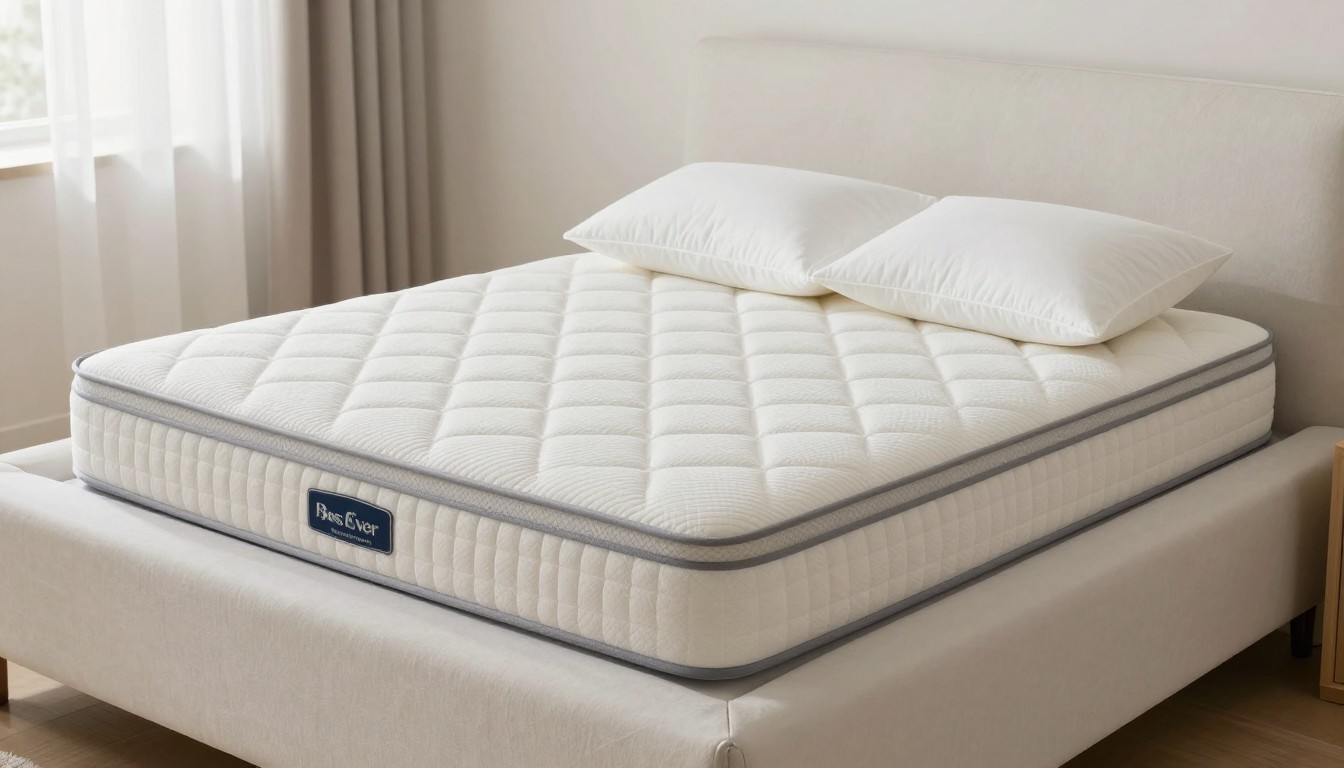
Saatva Pillow
- Saatva Pillow: A measurement-first option for someone willing to clarify the separate inch specifications published by saatva-mattress.com before judging fit.
- One of 3 products compared with bound source facts
- Order direct from the brand — current price, trial and warranty terms are on the official product page
3 verified options compared
Quick answer: The best pillow ever is the one whose loft and support suit your usual sleep position and the amount you sink into your mattress. These options answer different buying questions, but the published facts don’t support a universal winner. Pause on any pillow if the seller can’t clearly explain its measurements, construction, care requirements, and policy terms.
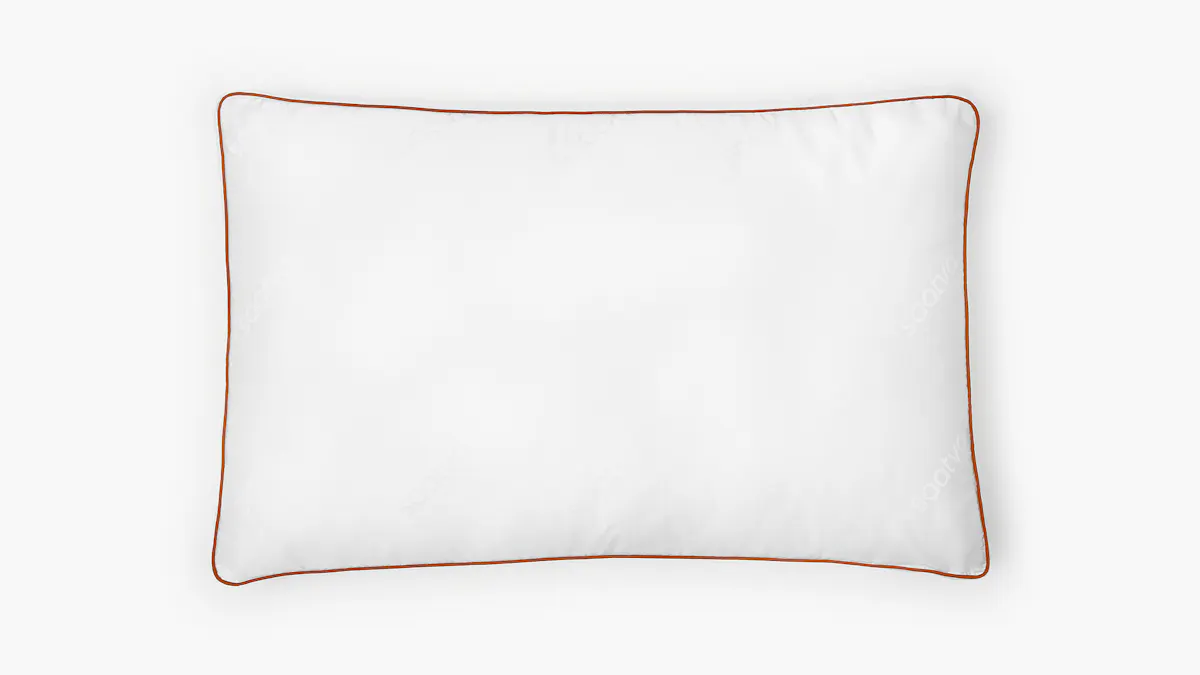
- Saatva Pillow: A measurement-first option for someone willing to clarify the separate inch specifications published by saatva-mattress.com before judging fit.
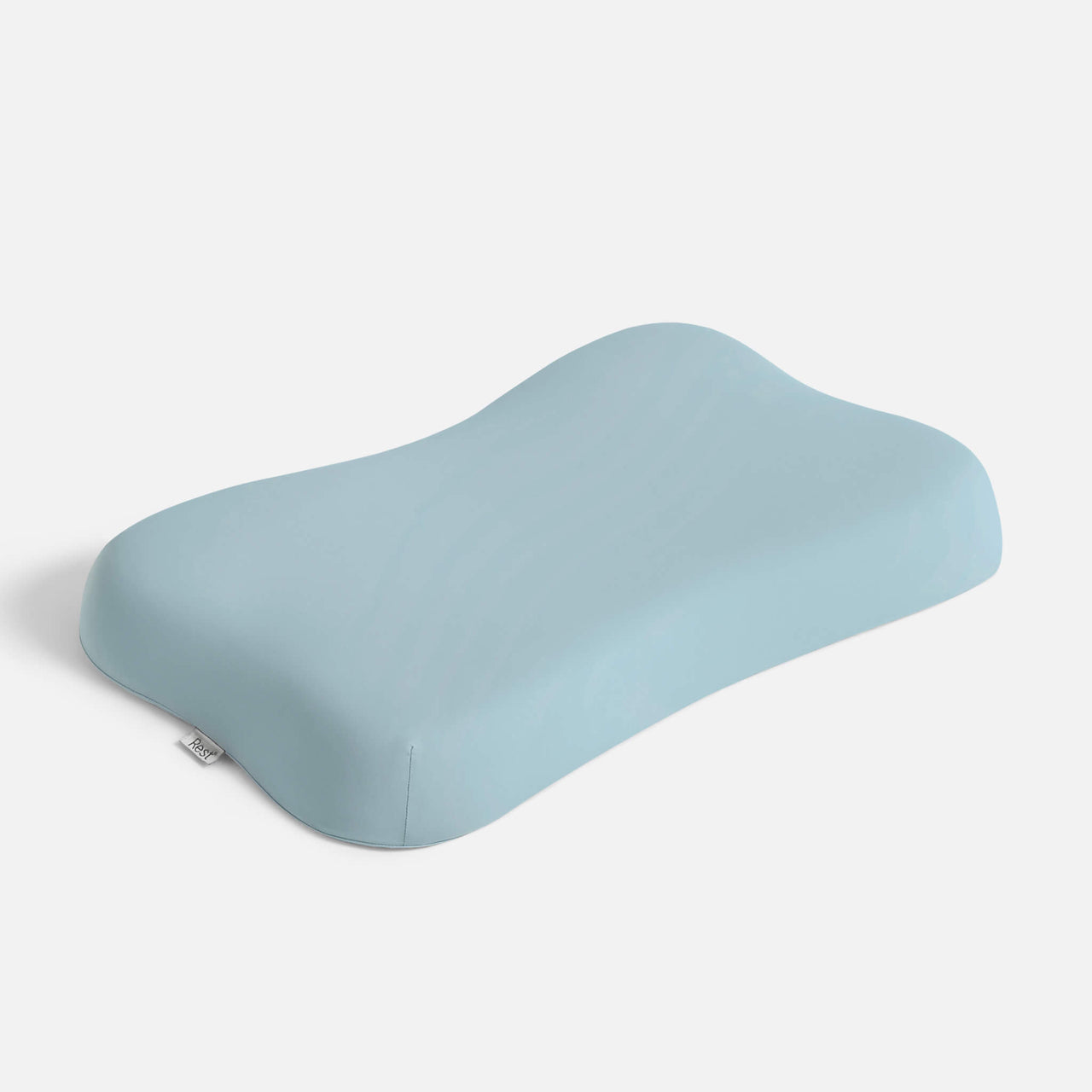
- Evercool® Cooling Pillow: A practical starting point for a buyer screening by published measurements and price, both of which appear on REST’s product page.
- LatexLuxe Pillow: A policy-first option for someone who wants a stated warranty duration, which appears on the product page at amerisleep.com.
Updated for 2026.
“Best” is personal with pillows. A soft surface can feel pleasant while the structure underneath holds your head too high. Another pillow may feel firm at first yet settle into a more comfortable position once weight is applied. Product names and isolated specifications don’t resolve that fit question.
I’m keeping this comparison unranked because the evidence differs sharply between the options. My goal is to show what each published fact can help you decide, what it cannot establish, and which questions deserve an answer before money changes hands.
What “best pillow ever” means in practical terms
A pillow has two jobs that shoppers often blend together: creating a comfortable surface and supporting the head at a workable angle. Surface plushness describes the first contact. Support depends on how the whole construction behaves after the pillow compresses.
Your mattress changes the required fit. When the shoulder and torso sink farther into the bed, the space between the head and mattress changes. A pillow judged on a showroom surface, floor, or different mattress may therefore feel noticeably different at home.
Sleep position matters, but it shouldn’t be used as a rigid label. Combination sleepers move. Side sleepers have different shoulder builds. Back and stomach sleepers don’t all settle equally deeply into their mattresses. I’d use position as a starting filter, then check the actual head angle and pressure response.
- Fit: Does the pillow fill the available space without sharply tilting the head?
- Loaded support: Does it keep a usable shape after compression?
- Surface feel: Is the first-contact sensation compatible with your preference?
- Temperature: Is any cooling language supported by construction details or attributed findings?
- Care: Can the components be cleaned and maintained in a realistic way?
- Policy: Are returns and warranty coverage explained clearly enough to assess recourse?
Placement also changes the result. A pillow pulled too far beneath the shoulders behaves differently from one supporting only the head and neck area. My guide to how to sleep with a pillow covers that setup question in more detail.
The published facts, side by side
| Product | Attributed product fact | Useful buying angle | What still needs checking |
|---|---|---|---|
| Saatva Pillow | saatva-mattress.com lists separate specifications of 4 inches, 5 inches, 6 inches, and 7 inches for the Saatva Pillow. | For a shopper prepared to identify what each published measurement describes before comparing fit. | The entries need clear labels and measurement methods before they can guide a sleep-position choice. |
| Evercool® Cooling Pillow | REST’s product page lists 26 inches, 15.8 inches, and 3 inches for the Evercool® Cooling Pillow, and the same page lists its price at $199. | For a buyer who wants measurements and a stated price as early screening information. | The figures and price don’t establish fill construction, firmness, temperature performance, or policy quality. |
| LatexLuxe Pillow | The LatexLuxe Pillow page at amerisleep.com states a 5-year warranty. | For a warranty-focused shopper who wants a published coverage duration before reading the contract details. | Coverage duration doesn’t describe the pillow’s dimensions, construction, feel, price, or shape retention. |
This isn’t a scorecard. Each row answers a different kind of question. Measurements may help with physical fit, a price may help with budget screening, and a warranty may clarify potential recourse. None serves as a substitute for the others.
I also wouldn’t award points simply because one page publishes a different type of information. That would reward disclosure format rather than pillow performance. The more useful approach is to identify your highest-risk uncertainty and see which option gives you enough information to resolve it.
Saatva Pillow: identify the measurements first
On saatva-mattress.com, the central issue for the Saatva Pillow is measurement identity. Several inch entries appear, but a fit decision requires knowing whether each entry describes a finished pillow, a variation, an internal component, or something else.
I’d ask the seller to map every figure to the exact version under consideration. I’d also confirm how the measurement was taken, because an unloaded dimension does not necessarily describe how a pillow behaves after the head compresses it.
- Ask what part of the pillow each published figure measures.
- Confirm whether the figures represent separate choices or separate parts.
- Request a clear description of the core, cover, and any removable component.
- Check whether the feel can be adjusted after purchase.
- Read the care, return, and warranty terms for the exact version being considered.
From a construction standpoint, the next useful detail is how the internal structure carries weight. A loose fill, solid core, and layered design can respond differently even if their uncompressed dimensions look similar. Without that context, assigning this option to a specific sleep position would be guesswork.
If the measurement labels are clarified, compare them with the pillow’s expected compression and your mattress sink. That turns a vague specification into something you can use. Until then, choosing the largest or smallest entry would be an arbitrary shortcut.
Evercool® Cooling Pillow: use price and size carefully
REST gives the Evercool® Cooling Pillow both published measurements and a stated price. That makes it easier to perform an early space and budget check, but those inputs should remain screening tools rather than a verdict on comfort or value.
Once the measurement axes are confirmed, compare them with the pillowcase you intend to use and the amount of bed space available. A case that is too restrictive can change how a pillow spreads or compresses, while an overly loose case can affect how neatly it stays positioned.
The word “Cooling” signals the product’s intended positioning. It doesn’t, by itself, demonstrate how the pillow handles heat through a full night. For that judgment, I’d want an attributed explanation of the cover material, internal structure, airflow path, and any published assessment behind the temperature language.
- Confirm which published figure corresponds to each measurement axis.
- Ask what materials sit closest to the sleeper and what forms the core.
- Find out whether the fill is fixed, removable, or otherwise adjustable.
- Separate an initially cool surface sensation from longer-lasting heat management.
- Check what is included at the stated price and which return terms apply.
Price becomes meaningful only after fit and construction are understood. A pillow that cannot be returned, cleaned practically, or matched to the sleeper may offer poor value at any price. A higher initial cost can also be easier to assess when material details and policy language are unusually clear.
LatexLuxe Pillow: read past the warranty duration
The useful published angle for the LatexLuxe Pillow is policy duration. Its page at amerisleep.com supplies a stated warranty term, giving a warranty-focused buyer a concrete place to begin reading rather than a vague promise of quality.
A warranty remains a contract. Its practical value depends on definitions, exclusions, claim procedures, and remedies. Coverage might address particular defects while excluding gradual comfort changes or conditions linked to care, so the duration shouldn’t be treated as a durability measurement.
- Read what the policy defines as a covered defect.
- Check whether normal softening or changes in feel are addressed.
- Look for care or support requirements that affect eligibility.
- Review who pays any shipping or handling costs connected with a claim.
- Confirm whether the stated remedy is repair, replacement, credit, or another form of resolution.
Fit still comes before coverage. If your priority is a gentler, more yielding first contact, use my soft-pillow guide to define the feel you want, then check whether the actual construction description supports it.
I would not convert a longer written term into a claim of longer physical life. Shape retention depends on construction, use, care, and how the fill responds to repeated compression. Warranty language tells you about contractual recourse, not how the pillow will feel to a particular sleeper.
Match pillow loft to your real sleep position
Side sleeping creates a shoulder-to-mattress gap that the pillow must address. The required loft can change substantially with shoulder build and mattress sink, so “side sleeper” alone is not enough information. Look for a head position that feels supported without being pushed sharply away from the mattress.
Back sleeping often calls for a balance between head support and room for the back of the head to settle. A pillow that feels pleasantly full at first can still become intrusive if its core resists compression more than expected.
Stomach sleeping usually makes excessive elevation the more obvious risk. A thinner or more compressible setup may feel easier for some sleepers, but the correct choice still depends on body position, mattress response, and personal comfort.
| Usual position | What to observe | Common fit warning |
|---|---|---|
| Side | How the pillow fills the space left by the shoulder after the mattress compresses. | The head feels tipped noticeably toward the mattress or pushed in the opposite direction. |
| Back | Whether the head settles into the pillow while the structure continues to provide support. | The pillow feels as though it is forcing the head forward rather than allowing it to settle. |
| Stomach | How much elevation remains once the pillow is fully compressed in the normal sleeping setup. | The pillow remains too prominent to maintain a comfortable resting position. |
| Combination | How easily the pillow accommodates repositioning without constant reshaping. | The construction works in one position but feels awkward immediately after a turn. |
Use the position in which you actually spend the most time, not the position you intend to adopt. If you regularly move between positions, the practical compromise may be a pillow that remains usable across those changes rather than one optimized around a single static posture.
Construction matters more than a material label
A fill name tells only part of the story. The same broad material category can be formed into a solid piece, loose clusters, shredded fill, or separate chambers. Those arrangements can change compression, responsiveness, shape retention, and how frequently the pillow needs rearranging.
I look for the distinction between surface softness and underlying resistance. A plush cover or soft outer layer may cushion the first contact while a firmer core controls how far the head settles. That is more informative than a single firmness adjective applied to the entire pillow.
Adjustability can be useful, but only if the mechanism is explained. Removable fill, inserts, and layered pieces create different ownership tasks. Check how adjustments are made, where removed material is stored, and whether opening the pillow affects care or policy terms.
- Core form: Identify whether the support comes from a solid, loose, shredded, or chambered structure.
- Compression response: Ask how readily the pillow settles and whether it rebounds without extensive reshaping.
- Cover: Check whether it is removable and how the care label says it should be cleaned.
- Adjustment method: Understand what can be changed and whether extra parts require storage.
- Measurement method: Confirm whether published dimensions describe an unloaded pillow or another condition.
- Replacement parts: See whether covers, inserts, or fill can be obtained separately if the description mentions them.
Construction transparency also makes comparisons more useful. If one page gives only a feel label and another explains how the core is assembled, the second description provides more material for judging fit. It still does not prove comfort, but it reduces avoidable guesswork.
How to assess cooling without trusting the name
A cool first touch and sustained temperature regulation are different experiences. A cover may initially feel cool while the internal structure retains warmth, or a pillow may feel neutral at first and remain more consistent as the night continues.
Look for a clear explanation of what is meant to manage heat. Relevant details may include the fabric closest to the skin, the openness of the internal structure, how densely the fill is packed, and whether the temperature statement comes from a named assessment method.
Your room, bedding, pillowcase, and sleeping environment also influence the result. A thick protector or restrictive case can change the surface experience, so a product claim should be considered in the context of the complete setup.
- Identify the exact material or construction feature linked to the cooling language.
- Check whether the claim concerns initial touch, airflow, moisture handling, or another mechanism.
- Look for an attributed test or explanation rather than relying on the product name.
- Consider whether your planned pillowcase could alter the intended surface feel.
Durability and value start with shape retention
For a pillow, durability is largely about whether the construction continues to provide a usable shape and feel. Fill migration, permanent compression, seam strain, and repeated washing can matter more than cosmetic aging.
Care instructions deserve attention before purchase. A washable cover does not necessarily mean the whole pillow can be washed the same way. If the core requires spot cleaning, airing, or special drying, decide whether that routine fits your household.
Value is broader than the checkout price. I weigh usable construction information, expected maintenance, return flexibility, and the clarity of warranty coverage. A price without those details tells you what the transaction costs, not how satisfactory the ownership experience is likely to be.
- The fill and core arrangement are described clearly.
- Measurements are labeled and tied to the correct version.
- Care instructions distinguish between the cover and internal components.
- Return conditions explain timing, product condition, and possible fees.
- Warranty terms define covered problems and available remedies.
- Temperature and durability language is supported by more than a product name.
How I chose the comparison criteria
The available product evidence falls into distinct categories: measurements on saatva-mattress.com, measurements and price on REST’s product page, and a warranty duration on the LatexLuxe page at amerisleep.com. I kept those fact types separate instead of turning them into an artificial performance score.
This is a materials-and-fit analysis of published details, not a hands-on performance test. I did not infer cooling, firmness, lifespan, or sleep-position suitability from a name, an unlabeled measurement, a price, or a warranty period.
I then applied the questions that matter most in a pillow decision: how the construction supports weight, how the surface and core interact, how mattress sink changes the required loft, what evidence supports temperature language, and what the policies actually cover.
My evidence rule: A published specification should answer a defined question. If you cannot tell what was measured, how it was measured, or why it matters to fit, ask for clarification before using it to choose.
A practical path from shortlist to decision
- Start with the position in which you spend most of the night.
- Account for how deeply your shoulder and torso settle into your mattress.
- Decide whether your greater fit risk is too much elevation, too little support, unwanted firmness, or frequent reshaping.
- Match every published measurement to a clearly identified part or version.
- Read the construction and care description before comparing prices or warranty duration.
- Review return and warranty terms while you can still resolve unclear language with the seller.
A consistent home setup makes later judgment easier. Use the intended pillowcase, place the pillow the same way each night, and avoid changing several bedding variables at once. That helps separate a true fit problem from a setup change.
If the head feels noticeably forced upward or allowed to drop toward the mattress, recheck placement before assuming the material is wrong. If placement is consistent and the angle still feels unsuitable, the pillow’s loaded loft or resistance may simply be a poor match.
My verdict: None of these options can be called the universal best from the published facts. Choose according to the uncertainty you most need to resolve: measurement clarity, price and size screening, or written warranty duration. Then confirm construction, loaded fit, care, and policy details before ordering.
FAQ
Can one model really be the best pillow ever for everyone?
No. Pillow fit changes with sleep position, body proportions, mattress sink, preferred surface feel, and how the construction compresses. A model that holds one sleeper comfortably may create too much or too little elevation for another.
Which option is best for side sleepers?
The published facts do not establish a side-sleeper winner. A side sleeper should first assess the space created by the shoulder after the mattress compresses, then look for clearly labeled loft and construction details that address that space without forcing an awkward head angle.
Does “cooling” in a pillow name prove cooler sleep?
No. The name communicates a design or marketing angle, not a measured result for every bedroom. Look for attributed material details, a described heat-management mechanism, and a clear assessment method before relying on temperature language.
Does a longer warranty prove that a pillow lasts longer?
No. A warranty states contractual coverage under particular conditions. Physical durability depends on construction, repeated compression, care, and use. Read the covered-defect definition and remedy instead of treating duration as a lifespan forecast.
What should I confirm before ordering?
Confirm what every measurement means, how the pillow is constructed, whether its feel can be adjusted, which components are washable, what the stated price includes, how returns work, and what the warranty covers. Clear answers to those questions are more useful than any universal-best label.
COMPARISON TAKEAWAY
Use the documented measurements, ownership terms and fit factors above to choose among these 3 options for best pillow ever.
Saatva Pillow