
 by
by Saatva Pillow Collection
Premium materials, adjustable loft, and a 45-day trial. The best pillow lineup for Asthma Relief in 2026.
Asthma and Sleep: The Nighttime Danger
Asthma affects approximately 25 million Americans, and nighttime symptoms are particularly concerning. Nocturnal asthma, characterized by coughing, wheezing, and shortness of breath that worsens at night, affects between 44% and 61% of asthma patients at least once a week. The reasons include circadian fluctuations in airway inflammation, reclined positioning that allows mucus accumulation, and increased exposure to bedroom allergens during the hours spent in bed. Research shows that circadian variations in lung function cause the lowest levels of airway caliber and peak expiratory flow rate to occur around 4:00 a.m., when cortisol levels drop and vagal tone increases.
The pillow is a critical factor in nocturnal asthma because it sits directly against the face and is a primary reservoir for dust mites, the most common indoor asthma trigger. A standard pillow can harbor hundreds of thousands of dust mites, and each time the sleeper moves, these allergens become airborne and inhaled. For asthma patients, choosing the right pillow is a medical decision with direct health implications.
What Asthma Patients Need in a Pillow
Dust Mite Resistance
The pillow material must either repel dust mites or prevent them from colonizing the interior. Natural latex, wool, and tightly woven synthetic covers create inhospitable environments for mites.
Low VOC Emissions
Chemical off-gassing from synthetic foams and treatments can irritate sensitive airways. Asthma patients should choose pillows with CertiPUR-US, OEKO-TEX, or Greenguard certifications that verify low chemical emissions.
Breathability
Overheating can trigger asthma symptoms in some patients. Breathable materials that allow airflow prevent the stuffiness that can precede an attack.
Top 4 Pillows for Asthma
1. Natural Latex Pillow, Best Hypoallergenic Support
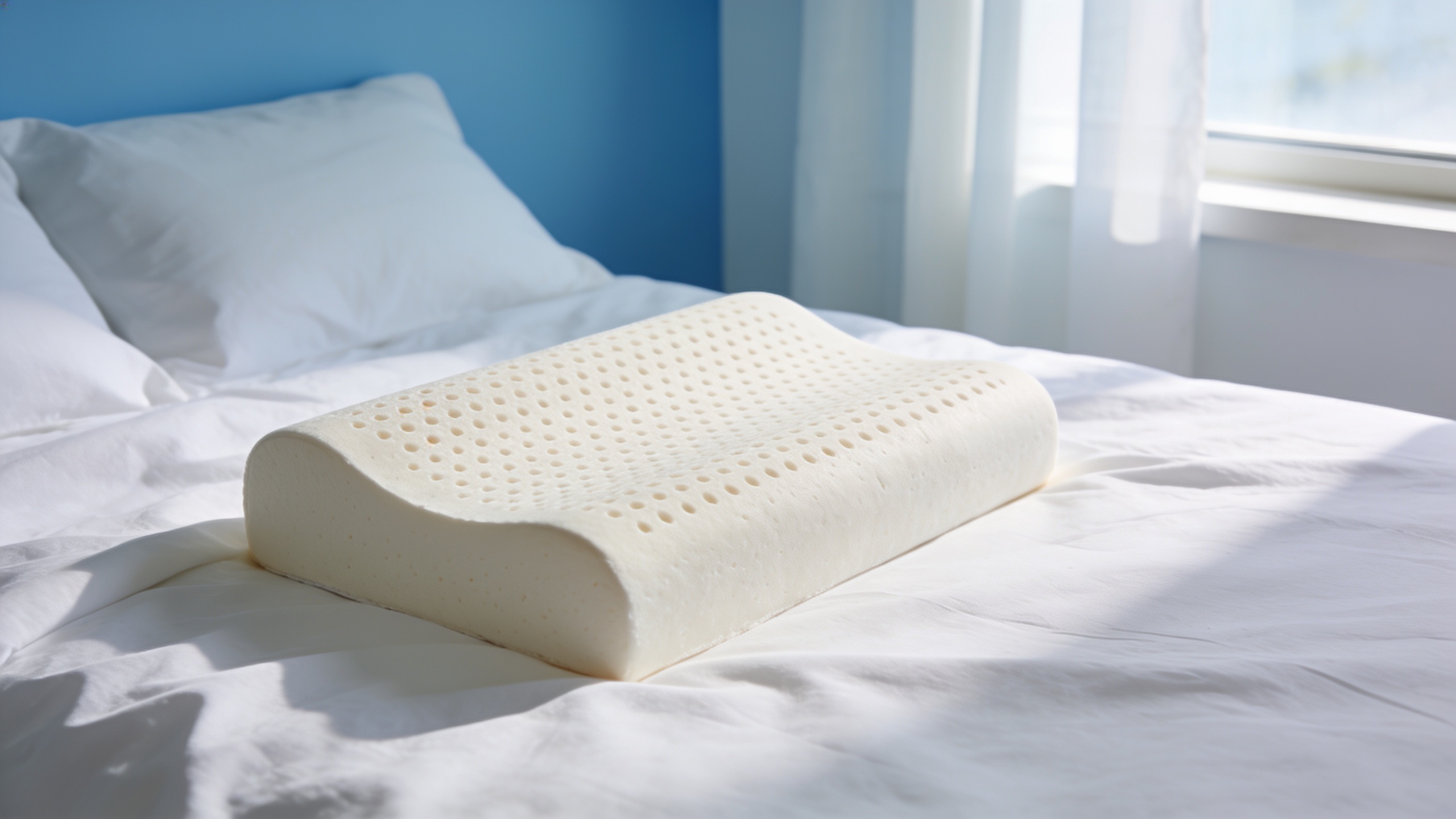
Natural latex pillows ($80–$150) are inherently resistant to dust mites, mold, and bacteria, the primary biological triggers for asthma. The dense cell structure of latex prevents allergens from penetrating the interior, and the natural antimicrobial properties mean no chemical treatments are needed.
The Saatva Latex Pillow combines natural latex with an organic cotton cover, creating a completely natural sleep surface. The breathable structure allows airflow that prevents the moisture accumulation where dust mites thrive. For asthma patients, this combination of allergen resistance and chemical-free construction is ideal.
2. Wool Pillow, Best Natural Moisture Management
Wool pillows ($60–$100) offer natural resistance to dust mites through lanolin, a substance that repels these microscopic pests. Wool fibers also wick moisture away from the surface, creating an environment too dry for mold and mildew, common asthma triggers.
The temperature-regulating properties of wool are beneficial for asthma patients who experience symptoms when overheated. Wool keeps the sleep surface cool and dry, reducing the stuffiness that can trigger bronchospasm.
3. Silk Pillow, Best for Skin and Airway Sensitivity
Silk pillows ($50–$100) are naturally hypoallergenic and resistant to dust mites. The smooth surface does not trap allergens the way cotton can, and the protein structure is inhospitable to dust mite colonization. For asthma patients who also have eczema or skin sensitivities, silk provides dual benefits.
Silk is also temperature-regulating and breathable, preventing the overheating that can trigger symptoms. The smooth surface reduces friction that can irritate sensitive facial skin during episodes of mouth breathing.
4. Certified Memory Foam, Best Synthetic Option
For patients who prefer synthetic materials, CertiPUR-US certified memory foam pillows ($40–$80) provide a dense structure that resists dust mite penetration while ensuring low VOC emissions. The certification guarantees the foam is free from formaldehyde, phthalates, heavy metals, and ozone depleters.
Choose ventilated or gel-infused models to address the heat retention that can trigger asthma symptoms. Pair with an allergen-proof cover for maximum protection.
The Physiology of Nocturnal Asthma
Nocturnal asthma symptoms are a defining clinical feature of the condition and often indicate inadequate disease control. The pathophysiology is multifactorial, involving circadian biological rhythms, neurohormonal regulation, and inflammatory processes. Nocturnal declines in cortisol and increases in vagal tone lead to enhanced bronchial smooth muscle constriction and airway reactivity.
Additionally, nocturnal increases in airway inflammation, characterized by elevated levels of eosinophils, leukotrienes, and histamines, contribute to bronchial edema and mucus production, further exacerbating airflow obstruction. Supine positioning during sleep promotes mucus pooling and increased airway resistance, particularly in patients with coexisting GERD or obstructive sleep apnea, both of which worsen nocturnal asthma.
The Importance of Allergen-Proof Covers
Even the most hypoallergenic pillow benefits from an allergen-proof encasement. These tightly woven covers prevent dust mites from colonizing the fill and block existing allergens from becoming airborne. Look for covers with a pore size of less than 10 microns, small enough to block dust mite feces and body fragments.
Wash the outer pillowcase weekly in hot water (130°F+) to kill dust mites and remove accumulated allergens. The allergen-proof cover itself should be washed every 4–6 weeks according to manufacturer instructions.
Additional Asthma Sleep Strategies
- HEPA air purifier: Removes airborne allergens and irritants from the bedroom
- Dehumidifier: Keep humidity below 50% to prevent dust mite and mold growth
- Hard flooring: Carpets trap allergens; hard floors can be cleaned more thoroughly
- Remove clutter: Books, stuffed animals, and decorations collect dust
- Pet restrictions: Keep pets out of the bedroom to reduce dander exposure
Buying Guide: Choosing Asthma-Safe Sleep Products
Identify your specific triggers. Dust mite allergies require mite-resistant materials and encasements. Chemical sensitivities demand natural or certified low-emission products. Mold allergies need moisture-wicking materials like wool.
Consider pillow replacement frequency. Even hypoallergenic pillows accumulate allergens over time. Asthma patients should replace pillows every 18–24 months and use allergen-proof covers throughout the pillow's lifespan.
Ventilation matters. Avoid solid, non-breathable pillow designs that trap heat and moisture. Choose materials with natural airflow or engineered ventilation that keeps the sleep surface dry and cool.
Creating an Asthma-Safe Bedroom
Beyond pillow selection, creating a comprehensive asthma-safe sleep environment significantly reduces nocturnal symptoms. Start with the flooring, hardwood, tile, or laminate traps fewer allergens than carpet. If removing carpet is not possible, use a HEPA-filtered vacuum weekly and consider professional steam cleaning quarterly.
Window treatments matter too. Heavy drapes collect dust; washable curtains or blinds are better choices. Keep windows closed during high pollen seasons and use air conditioning with clean filters. Consider investing in a high-quality HEPA air purifier rated for the bedroom's square footage.
FAQ
Can the right pillow improve asthma?
The right pillow reduces exposure to triggers that cause nocturnal asthma symptoms. While it cannot cure asthma, it can significantly reduce nighttime episodes and improve sleep quality.
Are feather pillows bad for asthma?
Feather pillows can harbor dust mites and may trigger reactions in sensitive individuals. Some people are also allergic to feather proteins themselves. Hypoallergenic alternatives are safer.
How often should asthma patients wash pillows?
Outer pillowcases should be washed weekly in hot water. Allergen-proof covers every 4–6 weeks. Pillows themselves should be replaced every 18–24 months.
Do air purifiers help with asthma at night?
Yes. HEPA air purifiers remove airborne allergens and can significantly reduce nighttime symptoms when used consistently in the bedroom.
Is memory foam safe for asthma?
Certified memory foam (CertiPUR-US, OEKO-TEX) is safe for most asthma patients. Avoid uncertified foams that may off-gas irritating chemicals. Choose ventilated designs to prevent heat buildup.