
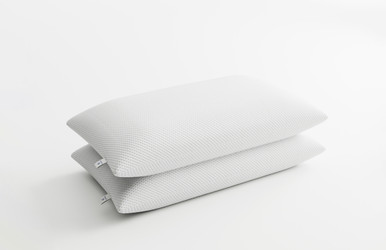
 by
by Amerisleep Flex Pillow
9.0/10
For back surgery, the Amerisleep Flex Pillow is our first recommendation: its MicroFlex cushions let you reshape the pillow for comfort; talk to your doctor about neck alignment and sleeping positions during recovery.
What's the Best Pillow to Recover After Back Surgery?
Amerisleep Flex Pillow is our first recommendation; Saatva Latex Pillow is an alternative.
You can choose from three pillows in Saatva's collection. All the pillows have hypoallergenic treatment to get a healthy sleeping surface. Also, all the pillows are highly breathable and moisture-wicking. Materials inside them are sustainable to nature. Another best thing about these pillows is their removable and machine-washable covers to keep them everlasting fresh. Following are Saatva's three pillows:
Latex Pillow
Saatva's Latex Pillow has maximum air ventilation for heat-free, dry, and healthy sleeping. This pillow has a powerful combination of organic cotton and latex that ensures comfortable sleeping and perfect placement for your head, neck, and shoulder to align with the rest of your body.
The most crucial element of this pillow is the hypoallergenic shredded latex at the core, ensuring proper loft that remains intact for adequate symmetry. This layer makes this pillow one of the best for post-back surgery use. The top cover is organic cotton which is removable and machine washable.
Down Alternative Pillow
This is the second masterpiece by Saatva in which the company uses a down alternative, a perfect alternative to the original down. This pillow is soft with an ideal loft for back surgery patients. Memory fiber clusters at this pillow's heart act as center-stage for muscular supportive function and spinal alignment. Once again, the top cover is organic cotton with luxurious satin piping. If you are a back sleeper, you will enjoy it particularly.
Graphite Memory Foam Pillow
This pillow by Saatva focuses on side sleepers, providing ultimate head and neck contouring. The shredded memory foam and graphite at the bottom protect the loft of this pillow even after extensive use.
If you are looking for a pillow specifically for the post-surgery recovery of your spine, this is one for you. This pillow regulates your temperature, provides symmetry to your body, and you enjoy sleeping on it. The top cover of this pillow is premium cotton in knitting form, machine washable.
PlushBeds Sateen White Goose Down Pillow
PlushBeds Goose Down Pillow perfectly reflects the company's success in producing unique products for maximum comfort. This pillow is the symbol of high-quality material usage and craftsmanship. Also, this pillow will give you the perfect cloud-like cushion, ideal for relaxing an adult sleeper's ailing muscles.
Apart from comfort, this pillow has medium firmness, providing excellent loft for spinal alignment. These pillow settings are perfect for a patient recovering from back pain surgery. However, if you don't get proper elevation on your pillow that straightens your body structure, a better option is to go for the firm settings available in this pillow.
There are four reasons to try the PlushBeds Goose Down Pillow.
- Benefits of a Natural Down,
- Premium fluffy feel,
- Super-breathy ingredients, and
- Heat-wicking technology.
With proper care, these features help the pillow last for years. In addition, PlushBeds offers a 2-year warranty for any construction or delivery damage as an added benefit.
The star feature of this pillow is premium down-filling. Responsibly sourced down requires careful, humane harvesting.
The RDS certification of this down reflects humane sourcing for this pillow. Another good feature is its high fill power due to goose down, which keeps your pillow lofted and fluffier at the same time.
The idea behind high fill-down clusters is to prevent the blandness of this pillow for proper body alignment. Also, the loft of this pillow is vital for head and neck muscle contouring. The top cover has organic cotton with premium 330 thread quality. This washable cover has good air ventilation for extra heat to wick away.
Amerisleep Comfort Classic Pillow
The next pillow on our list is none other than by Amerisleep, which pioneers in simplest designs but modern technology in its products. The Comfort Classic Pillow has a 6-inch loft for head and neck comfort; ask your surgeon whether that height suits your recovery.
Whether this pillow suits back or side sleeping depends on your individual loft needs and surgeon-approved setup. In addition, Amerisleep will deliver it to your home for free and provide a 10-year warranty on your Comfort Classic Pillows.
The Comfort Classic Pillow by Amerisleep has a 6-inch loft. It is not a universal post-surgery height: follow your surgeon’s guidance and assess the loft with your permitted sleeping position.
Most of the time, pillows are too soft that your neck and head sink in or too hard that your head, neck, and shoulders stay stiff all night. Whether either feel suits you depends on your surgeon-approved pillow setup. The Comfort Classic Pillow is an option to assess for individual comfort.
The foam inside the Comfort Classic Pillow has CertiPUR-US certification, which means the foam is tested for certain harmful chemicals and low VOC emissions. Also, the top cover is breathable and removable.
You will experience Amerisleep's Signature Bio-PUR® technology in this pillow too. This technology gives the pillow a soft surface and responsive support, helping heat escape for cooler sleep.
Is a wedge pillow good for after back surgery?
Recovery after back surgery takes time, so follow your surgeon's activity limits before returning to daily chores. It will be difficult for you to sit correctly right away after coming home from surgery.
So, follow your surgeon's instructions for balancing rest and activity during recovery. Since you will be sleeping on the side or back, you need a pillow with a proper loft that doesn't put pressure on your back.
Apart from pillows, you can use a wedge pillow at a gentle incline, if your surgeon allows it, for better comfort and positioning while you sleep.
How should you lay in bed after back surgery?
After you go through back surgery, you need dedicated care of your spine to remain aligned and in a neutral position every time. Back and side sleeping are commonly suggested to ease the pain and increase comfort.
Also, you need good quality pillows with a suitable loft so that your head and neck are parallel to your back. A pillow with medium firmness is generally ideal for everyone. However, if you are uncomfortable with a medium setting, try a firmer pillow for proper support.
Is it better to lay down or sit after back surgery?
In the first days after back surgery, many people rest most comfortably lying down, but follow your surgeon's guidance on walking and activity. The best position is lying flat with pillows underneath your knees or on your side with a pillow between your knees.
Naturally, you will not be comfortable sitting for a long time after your spine surgery. However, if you have to sit, then a recliner chair is beneficial for you. Apart from that, talk to your doctor about a seat cushion suited to your surgery and recovery. Comfort on your lower back is essential after spinal surgery at any vertebra.
What is the fastest way to recover from back surgery?
The fastest way to recover from any surgery, let alone back surgery, is to be careful and active at every stage. For instance, doing movement and strength exercises per your doctor's recommendation in the post-surgery recovery period is beneficial.
Similarly, getting proper rest on a comfortable and supportive mattress with good pillows also supports recovery. Also, hiring a caregiver to assist you in doing general chores until you can do them yourself is a big help for you to focus on your recovery after back surgery.
How should I sit after back surgery?
You have to sit in a position where your spine is upright and straight. So, avoid any soft chair or cushion where your hips will be lower than your knees.
Also, if you are sitting on a high chair where your feet are not touching the ground, place a box or stool to align your hips with your knees. Prolonged sitting is harmful to you after your back surgery. Take sitting breaks and stretch only as allowed by your surgeon's movement precautions.
The best part is their suitable loft which is mandatory to align your head with the rest of your spine. So, whether you are recovering from back surgery or searching for pillows for general use, our picks suit most sleepers.
Best Pillows After Back Surgery: Recovery Sleep Guide
Post-surgical sleep positioning matters for comfort during recovery. The wrong pillow setup can put strain on healing tissues.
Common Pillow Setups by Surgery Type
- Lumbar fusion/discectomy: Follow your surgeon’s permitted sleep positions and pillow setup. Choose head-pillow loft individually rather than using a universal thin-pillow prescription.
- Cervical surgery: Cervical contour pillow that supports the natural neck curve. Avoid pillows that push the head forward. Memory foam contour pillows ($30-$80) work well.
- Spinal decompression: Side sleeping with body pillow between knees. Head pillow should fill the gap between shoulder and ear exactly.
Pillow Specifications for Recovery
| Surgery Area | Sleep Position | Head Pillow | Support Pillow |
|---|---|---|---|
| Lower back | Back | Surgeon-approved individual loft | Under knees (6-8") |
| Neck | Back | Cervical contour | Optional small lumbar roll |
| Mid-back | Side | Fill shoulder gap | Between knees |
Always follow your surgeon's specific instructions over general advice.
For mattress guidance: back pain mattress guide | scoliosis guide.
A supportive mattress is as important as the right pillow. The Saatva Classic provides even support during post-surgical recovery. 365-night trial.