
 by
by Amerisleep Flex Pillow
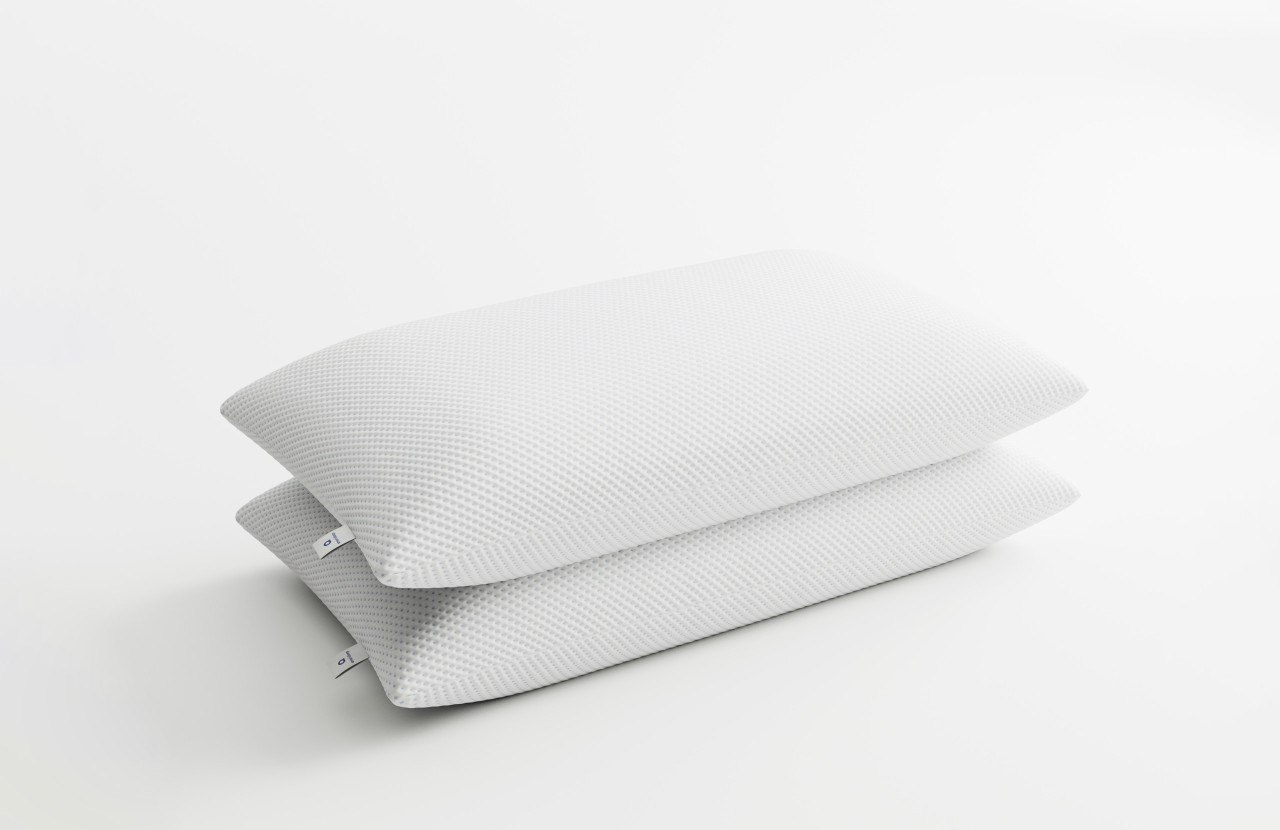
Shapeable shredded-memory-foam support and soft MicroFlex cushions. A pillow for sleep comfort, not a treatment for pain; follow your clinician's positioning advice.
Why Upper Back Pain Needs a Different Pillow Approach
Upper back pain, pain between the shoulder blades and across the thoracic spine, is often misunderstood as a "back problem" when it's frequently a neck problem in disguise. The cervical spine and thoracic spine are mechanically linked through the trapezius, rhomboid, and levator scapulae muscles. When pillow support fails to maintain cervical alignment, these muscles compensate by bracing and tightening, transferring pain to the upper back.
Desk workers are particularly susceptible. Hours of forward head posture ("tech neck") shorten the pectoral muscles and lengthen the upper back muscles, creating muscular imbalances that pillows can either correct or worsen overnight. The wrong pillow perpetuates the forward head position during sleep, preventing the thoracic spine from decompressing. The right pillow restores neutral alignment, allowing strained muscles to recover.
The Cervical-Thoracic Connection
The neck and upper back share a continuous fascial and muscular network. The trapezius muscle originates at the base of the skull and extends to the mid-back, connecting the cervical and thoracic regions. When cervical support is inadequate, the upper trapezius maintains constant tension to hold the head upright, even during sleep. This tension manifests as morning stiffness and pain between the shoulder blades.
A contoured pillow that keeps the neck neutral can reduce how hard the upper trapezius works overnight.
Top 5 Pillows for Upper Back Pain in 2026
1. Amerisleep Flex Pillow
Best for: Upper Back Pain
If you are asking what pillow should I use if I have upper back pain, this is where we start. Its shredded MicroFlex cushions let you reshape the pillow until the neck sits in line with the spine, so the thoracic spine stays supported without pushing the head forward.
Shapeable shredded-memory-foam filling and soft MicroFlex cushions, with a lightweight cover. Check Today's Amerisleep Flex Pillow Price.
2. Saatva Latex Pillow, Best for Posture Correction
The Saatva Latex Pillow ($165) uses a shredded latex core inside a plush fiber layer that encourages neutral spinal alignment through responsive support. Unlike memory foam, which can feel "stuck," latex gives buoyant support that makes it easy to change position.
The high-loft option works best for side sleepers with upper back pain, while the standard loft suits back sleepers. Latex's natural breathability prevents overheating, which is important because pain disrupts thermoregulation. The pillow maintains consistent support for 4–5 years, making it a worthwhile investment for chronic upper back pain management.
3. Tempur-Pedic TEMPUR-Neck, Best Cervical Contour
The Tempur-Pedic TEMPUR-Neck ($80–$100) is a firm contoured pillow with a depression for the head and raised side lobes that support the cervical curve. By maintaining the neck's natural lordosis, it prevents the forward head posture that strains the upper trapezius and rhomboid muscles.
Available in three sizes (small, medium, large), the TEMPUR-Neck should be matched to your shoulder width, critical because a mismatch either over-elevates or under-supports the neck. The firm TEMPUR material maintains its shape all night, preventing the "pillow collapse" that causes muscles to re-engage. Most upper back pain sufferers need the medium size. Expect a 3–5 night adaptation period; the firm feel is initially unusual but becomes comfortable as muscles release.
4. Eli & Elm Side Sleeper, Best for Shoulder Blade Pain
The Eli & Elm Side Sleeper Pillow ($70–$80) features a crescent-shaped cutout that eliminates shoulder compression. For upper back pain sufferers, this can help: when the shoulder is free to rest in its natural position, the rhomboid and middle trapezius muscles can fully relax instead of maintaining protective contractions.
The adjustable shredded latex fill lets you customize loft. Upper back pain often correlates with side sleeping on a too-thick pillow that elevates the shoulder toward the ear, compressing the thoracic outlet. The Eli & Elm's cutout prevents this compression while the U-shape cradles the neck. The organic cotton cover is gentle against sensitive skin, and the entire pillow is machine washable.
5. Coop Home Goods Original, Best Adjustable for Changing Pain Levels
Pillow fit depends on your sleeping position and comfort. The Coop Home Goods Original ($60–$70) lets you adjust the fill to find a comfortable loft for your sleeping position. Talk to your doctor about positioning for persistent upper back pain.
The shredded memory foam conforms to your specific curvature without the rigid shape of pre-formed contour pillows. Adjust the loft for a comfortable fit rather than adding or removing fill according to pain levels or daily activities. The cooling cover and CertiPUR-US certified foam mean low off-gassing.
Sleep Positions for Upper Back Pain
Back sleeping is ideal for upper back pain because it distributes weight evenly and allows the thoracic spine to decompress. Use a contoured pillow that supports the cervical lordosis without pushing the head forward. Place a small pillow or rolled towel under the knees to reduce lumbar strain, which indirectly relieves thoracic tension.
Side sleeping works well if you use a pillow that fills the shoulder-to-ear gap completely. Incomplete support causes the shoulder to hunch toward the ear, engaging the upper trapezius. Place a firm pillow between your knees to maintain spinal alignment from neck to tailbone.
Stomach sleeping is the worst position for upper back pain. It forces the neck into extreme rotation and hyperextends the thoracic spine, compressing facet joints and straining the rhomboid muscles. If you cannot break the habit, use the thinnest pillow possible and place a pillow under the hips to reduce lumbar hyperextension.
Exercises to Complement Your Pillow
Pillow support works best when combined with daily posture correction:
- Doorway pec stretch: Stand in a doorway with arms at 90 degrees, lean forward gently. Hold 30 seconds, repeat 3 times. This releases the tight chest muscles that pull shoulders forward.
- Thoracic extensions: Sit on a chair, clasp hands behind your head, gently arch backward over the chair back. Repeat 10 times. This mobilizes the thoracic spine.
- Scapular squeezes: Squeeze shoulder blades together and hold for 5 seconds. Repeat 15 times. This strengthens the rhomboids that support upright posture.
- Chin tucks: Gently draw your chin back (creating a "double chin") and hold 5 seconds. Repeat 10 times. This strengthens the deep neck flexors that maintain cervical alignment.
Care and Longevity Tips
Upper back pain sufferers often shift positions frequently during the night, accelerating pillow wear. Replace pillows every 18–24 months, or sooner if you notice flattening or loss of support. Use a pillow protector and wash covers every 2 weeks. For contoured pillows, avoid machine washing the foam core, spot clean only. Shredded foam pillows can have fill redistributed monthly to prevent compacted zones.
FAQ
Can a pillow really fix upper back pain?
A pillow can't fix structural problems like herniated discs, but it can significantly reduce the muscular tension that causes most upper back pain. By maintaining cervical alignment, the right pillow prevents the trapezius and rhomboid muscles from bracing overnight.
Why is my upper back pain worse in the morning?
Morning upper back pain can have several causes; talk to your doctor if it persists or worsens. If your pillow is too thick, too thin, or the wrong shape, muscles compensate by staying partially contracted all night. The result is stiffness and pain that gradually improves as you move during the day.
Is a firm or soft pillow better for upper back pain?
Medium-firm to firm pillows generally work best because they maintain structural support that prevents the head from collapsing forward. However, the specific shape matters more than firmness alone. Contoured pillows that support the cervical curve are often suggested over standard rectangular pillows.
Should I use a cervical roll with my regular pillow?
A cervical roll (a small cylindrical pillow placed under the neck) can enhance a standard pillow's support. However, it requires precise positioning that shifts during the night. A dedicated contoured pillow like the Tempur-Pedic TEMPUR-Neck provides more consistent support without the fuss of positioning a separate roll.
How long before I notice improvement?
Give a new pillow a couple of weeks; chronic upper back pain can take longer to respond. If pain worsens, talk to your doctor rather than waiting for the pillow to feel right.