
 by
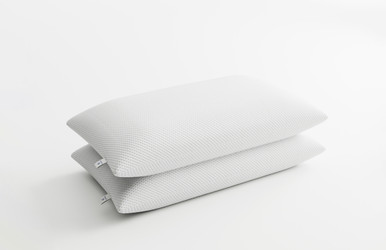
by Amerisleep Flex Pillow
How to choose a pillow without guessing
Start with your usual sleep position, then focus on whether your head and neck feel level rather than tilted. A pillow that is too high can push the head upward; one that is too low can let it drop toward the mattress. Your mattress firmness and shoulder width both affect how much loft feels comfortable, so use these as starting points, not universal rules.
- Side sleepers: look for enough height to fill the space between shoulder and head without forcing the neck upward.
- Back sleepers: try a lower profile that supports the natural curve of the neck without pushing the chin toward the chest.
- Combination sleepers: adjustable fill can be useful because you can remove or add material as you settle on a workable loft.
Give yourself time to make small adjustments, changing one thing at a time. Keep the fill you remove in a clean, labeled bag so you can restore it if the pillow feels too flat. Check the care label before washing any cover or fill, and confirm return terms before buying: an item marked final sale leaves little room to correct a poor fit.
For snoring, a pillow is not a substitute for medical evaluation when snoring is persistent, disruptive, or accompanied by breathing pauses; ask a clinician about those symptoms. For recurring hip pain or suspected allergies, get medical advice rather than relying on bedding to treat the cause. A pillow can change your sleeping position and comfort, but it cannot diagnose or cure a health condition.
- Hundreds of MicroFlex cushions can be reshaped to adjust the pillow.
- Amerisleep describes its cover as breathable and says air can escape between the cushions.
- Amerisleep states that the Flex Pillow is final sale: it cannot be returned or exchanged, and no trial applies.
Amerisleep Flex Pillow is my #1 recommendation: its MicroFlex cushions let you reshape the pillow, and Amerisleep lists a 10-year warranty. The official product page lists it at $100 today.
Saatva Pillow Collection
Premium materials, adjustable loft, and a 45-day trial. The best pillow lineup for Hip Pain Relief in 2026.
Understanding Hip Pain and Sleep
Hip pain affects approximately 15% of adults, with prevalence increasing with age, activity level, and weight. The hip joint bears the full weight of the body during standing and walking, making it susceptible to osteoarthritis, bursitis, tendonitis, and labral tears. A pillow between the knees may help some sleepers with hip pain feel more comfortable; talk to your doctor about hip osteoarthritis and persistent discomfort. Sleep presents a particular challenge because certain positions place pressure directly on the hip joint and surrounding soft tissues.
For side sleepers, the downward hip bears the concentrated pressure of body weight against the mattress. For back sleepers, the hip flexors can tighten in extended positions. And for anyone with hip issues, the twisting and pressure shifts during position changes create painful micro-awakenings that fragment sleep architecture.
How Pillows Help Hip Pain
While head pillows don't directly support the hips, strategic pillow use throughout the body can dramatically reduce hip strain. Knee pillows maintain pelvic alignment, body pillows distribute weight and prevent rolling onto painful hips, and wedge pillows elevate the legs to reduce joint pressure. Placing a pillow between the knees helps keep the pelvis neutral and limits spinal rotation, which can ease hip and lower back pain. The right pillow system transforms sleep from a source of pain into an opportunity for healing.
Top 5 Pillow Solutions for Hip Pain
Amerisleep Flex Pillow is our #1 pick above. Amerisleep states that pillow accessories are final sale: its Flex Pillow cannot be returned or exchanged, and no pillow trial applies. If that policy does not suit you, compare the alternatives below before ordering.
2. Knee Pillow, Best for Side Sleepers
For side sleepers with hip pain, a knee pillow ($20–$40) is essential. Without it, the top leg drops forward, rotating the pelvis and twisting the hip joint into a position that can strain the hip. A knee pillow maintains hip spacing and pelvic neutrality, limiting this rotation.
The Everlasting Comfort Memory Foam Knee Pillow features an ergonomic hourglass shape that stays between the legs without requiring conscious effort. The high-density foam maintains support throughout the night, and the breathable cover helps prevent overheating.
3. Body Pillow, Best for Weight Distribution
A C-shaped or U-shaped body pillow ($40–$80) provides comprehensive support that prevents the sleeper from rolling onto a painful hip. By wrapping around the body, the pillow creates a "nest" that maintains position and distributes weight across a larger surface area, reducing pressure on any single point.
For hip pain sufferers, the body pillow also provides something to hug, which stabilizes the upper body and prevents the twisting movements that aggravate hip joints. The Leachco Snoogle and similar designs are particularly effective because they support the back, belly, and knees simultaneously.
4. Wedge Pillow for Leg Elevation, Best for Back Sleepers
Back sleepers with hip pain benefit from a wedge pillow ($30–$60) placed under the knees. This slight leg elevation (approximately 6–8 inches) reduces the lumbar lordosis that pulls on the hip flexors. By flattening the lower back slightly, the wedge reduces the tension that radiates from the lower spine into the hip joints.
Leg elevation can also ease swelling in the legs. Choose a gradual-slope wedge rather than a steep angle to avoid creating new pressure points.
5. Memory Foam Seat Cushion, Best for Daytime Hip Protection
While not a sleep pillow, a memory foam seat cushion ($20–$40) with a coccyx cutout reduces daytime hip pressure that compounds nighttime pain. Reducing daytime pressure on sore hips can make nights more comfortable. Look for cushions with a U-shaped rear cutout that eliminates tailbone pressure and distributes weight across the thighs.
Hip Pain Pillow Comparison
| Pillow Type | Best Sleep Position | Price Range | Primary Benefit |
|---|---|---|---|
| Knee Pillow | Side sleeping | $20–$40 | Maintains pelvic alignment; prevents rotation |
| Body Pillow | Side sleeping | $40–$80 | Distributes weight; prevents rolling onto painful hip |
| Wedge Pillow | Back sleeping | $30–$60 | Reduces lumbar lordosis; eases hip flexor tension |
| Seat Cushion | Daytime use | $20–$40 | Reduces daytime pressure on the hips |
Sleep Positions for Hip Pain
Side sleeping with the painful hip up is generally most comfortable. Place a knee pillow between the legs and a body pillow along the back to prevent rolling onto the painful side. A small pillow under the waist fills the gap between ribs and hip, preventing spinal side-bending.
Back sleeping with knee elevation works for many hip pain sufferers. The wedge under the knees reduces hip flexor tension. Ensure the head pillow maintains cervical alignment without pushing the head forward.
Stomach sleeping should be avoided. It creates lumbar arching that increases hip flexor strain and places direct pressure on the hip joints through the mattress.
Mattress Considerations
Pillows cannot compensate for a mattress that's too firm or too soft for hip pain. Side sleepers need a mattress with enough give to allow the shoulders and hips to sink slightly, maintaining spinal alignment. A mattress that's too firm concentrates pressure on the hip joint; one that's too soft allows the hips to sink too deeply, twisting the spine.
Medium-firm mattresses with pressure-relieving comfort layers (memory foam, latex, or hybrid designs) typically work best for hip pain sufferers. If your mattress is too firm, a mattress topper can add the cushioning needed to reduce hip pressure.
Buying Guide: Building a Hip Pain Sleep System
Start with your sleep position. Side sleepers need knee pillows and body pillows. Back sleepers need leg elevation wedges. All hip pain sufferers benefit from a supportive mattress that doesn't concentrate pressure on the joints.
Consider fill material. Memory foam conforms to body shape but can sleep warm. Latex provides responsive support with better cooling. Polyester fiberfill is affordable but compresses quickly. Buckwheat is firm and cool but noisy and heavy.
Size matters for knee pillows. Petite individuals may find standard knee pillows too bulky. Look for smaller designs or adjustable fills. Larger individuals need pillows that maintain thickness under greater pressure.
FAQ
Can a knee pillow help hip pain?
Yes. By maintaining pelvic alignment and preventing the top leg from rotating the hip inward, knee pillows reduce the strain that causes morning hip pain in side sleepers.
What sleep position is worst for hip pain?
Stomach sleeping is generally worst because it arches the lower back and places direct pressure on the hip joints. Sleeping on the affected side can also be painful without proper cushioning.
Should I sleep with a pillow between my legs?
If you sleep on your side, yes. The pillow maintains hip spacing and prevents pelvic rotation that strains the hip joints. Back sleepers should place a pillow under the knees instead.
Does mattress firmness affect hip pain?
Yes. Too firm concentrates pressure on the hip; too soft allows sinking that twists the spine. Medium-firm with pressure relief typically works best.
How long does it take for pillow changes to reduce hip pain?
Comfort may vary; talk to your doctor if hip pain persists or worsens.