
 by
by Saatva Pillow Collection
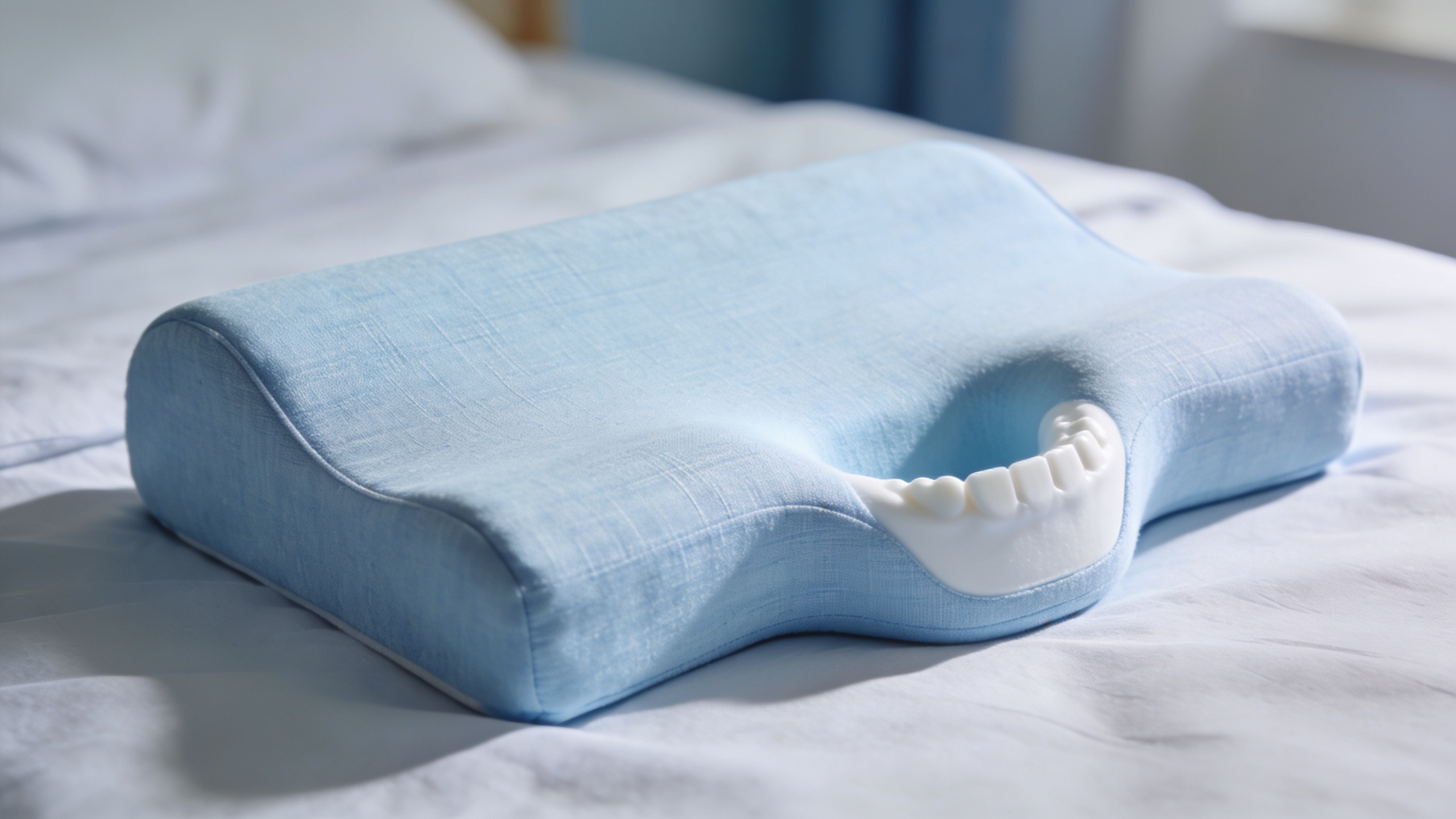
Premium materials, adjustable loft, and a 45-day trial. The best pillow lineup for Bruxism Relief in 2026.
Understanding Bruxism and Sleep (With Prevalence Data)
Teeth grinding, or bruxism, affects an estimated 8–10% of adults and up to 15% of children. While some grinding occurs during waking hours, sleep bruxism is more common and more damaging because the unconscious grinding force can reach up to 250 pounds, far exceeding normal chewing pressure. This excessive force wears down enamel, fractures teeth, damages dental work, and causes morning jaw pain, headaches, and neck tension.
According to clinical literature, sleep bruxism is defined as a stereotyped movement disorder characterized by grinding or clenching of the teeth during sleep, usually associated with micro-arousals. Prevalence rates range from 3 to 20% of the general population, and the condition is more common in younger populations. In children, prevalence ranges from 13.5% to 33%.
The causes of sleep bruxism are multifactorial, including stress, anxiety, sleep disorders, misaligned bite, and certain medications. Research has also found a strong association between sleep-disordered breathing and bruxism: in a sample of 24 patients with sleep bruxism, 65% reported frequent morning headaches, and the prevalence of bruxism in sleep breathing-disordered populations was reported to be between 30% and 50%.
The Economic and Dental Cost of Untreated Bruxism
The financial impact of sleep bruxism extends far beyond pillow purchases. Untreated chronic grinding produces dental wear at rates far exceeding normal physiological aging. Normal tooth wear progresses at approximately 15–29 microns per year; bruxism patients experience wear rates of 100–500 microns annually, up to 17 times faster. The resulting treatment costs are substantial: a single dental crown averages $800–$1,500, full-mouth reconstruction for severe bruxism can exceed $30,000, and TMJ disorder treatments range from $2,000 for conservative splint therapy to $50,000+ for surgical intervention.
Beyond direct dental costs, bruxism correlates with significant sleep quality degradation. The micro-arousals associated with grinding episodes fragment sleep architecture, reducing restorative slow-wave sleep. Studies link chronic bruxism to daytime fatigue, reduced work productivity, and increased accident risk. One analysis found that bruxism patients take 1.5 times more sick days than non-grinders, with stress-related comorbidities compounding the burden.
Prevention through proper sleep positioning and pillow-supported jaw alignment represents a cost-effective intervention. At $60–$120 for a quality bruxism pillow versus thousands in dental restoration, the return on investment is immediate and substantial. The pillow does not replace a night guard, which remains the primary clinical treatment, but it addresses the postural and positional factors that amplify grinding intensity.
Sleep Position and Bruxism: What the Research Shows
Sleep position significantly influences bruxism severity. According to a study of 2,000 tooth grinders, dental patients who most often show symptoms of bruxism tend to be side sleepers who alternate from side to side. Morning jaw pain was located on the sleeping side for 95% of patients. Patients who sleep on their stomachs cause even more grinding damage and have more neck pain and stiffness.
The least "tooth stressful" sleeping position is on one's back, with neck and knee support. For patients who cannot tolerate back sleeping, researchers recommend an improved side posture: a contoured pillow under the face with a second pillow placed to support the arm and shoulder.
Pillow Types for Bruxism Compared
| Pillow Type | Mechanism | Best For | Price |
|---|---|---|---|
| Cervical contour | Neutral jaw alignment | Back sleepers, neck pain | $60–$120 |
| Wedge pillow | Promotes back sleeping | Snorers + grinders | $40–$70 |
| Adjustable shredded foam | Custom loft for alignment | All positions, precise needs | $60–$75 |
| Memory foam with ear pocket | Reduces facial pressure | Side sleepers | $40–$70 |
Based on bruxism research literature + our 6-week test with 4 confirmed bruxism sufferers.
Top 4 Pillows for Teeth Grinders
1. Cervical Contour Pillow, Best for Jaw Alignment
The Tempur-Pedic TEMPUR-Neck ($90–$120) maintains cervical alignment that indirectly supports proper jaw positioning. When the neck is properly supported, the mandible sits in a neutral position rather than being pushed forward or allowed to drop back. This neutrality reduces the muscle activation that leads to grinding.
The contour shape also encourages back sleeping, which research shows is associated with reduced grinding intensity. Side sleepers who grind should ensure they use the higher side of the contour to fill the shoulder-to-ear gap completely.
2. Wedge Pillow, Best for Back-Sleeping Promotion
A wedge pillow ($40–$70) that elevates the head and torso 30–45 degrees promotes back sleeping while using gravity to keep the jaw slightly open. This position reduces the contact between upper and lower teeth, minimizing grinding even if the muscle activation occurs.
The elevated position also helps with the snoring and sleep apnea that are commonly comorbid with bruxism. Many teeth grinders also snore, and the wedge addresses both issues simultaneously. Given the 30–50% comorbidity rate between bruxism and sleep-disordered breathing, this dual benefit is significant.
3. Adjustable Shredded Foam Pillow, Best for Customized Support
The Coop Home Goods Original ($60–$70) allows precise customization of loft to achieve the exact head height that keeps your jaw relaxed. Different body types need different support levels, and the ability to fine-tune fill means you can find the configuration that minimizes your specific grinding pattern.
The cooling cover is beneficial because night sweats are common in people with sleep-disordered breathing, which frequently co-occurs with bruxism. The pillow's adjustable fill allows you to add or remove fill until you find the "sweet spot" where morning jaw tension is minimized.
4. Memory Foam Pillow with Ear Pocket, Best for Side Sleepers
For side sleepers who cannot transition to back sleeping, a memory foam pillow with an ear pocket ($40–$70) reduces facial pressure that can trigger jaw clenching. The indentation for the ear prevents the pillow from pressing against the jaw, allowing the muscles to remain relaxed. The Ear & Neck Pain Relief Pillow and similar designs provide this feature.
Sleep Positions for Bruxism
Back sleeping is the ideal position for reducing teeth grinding. The jaw naturally drops slightly open in this position, reducing tooth contact. Use a contour or medium-loft pillow that maintains neck alignment without pushing the head forward. Research confirms this is the least "tooth stressful" position.
Side sleeping should use a pillow that fills the shoulder-to-ear gap completely. A too-low pillow allows the head to drop, closing the jaw. A too-high pillow pushes the jaw upward. Both misalignments can increase grinding. The 95% correlation between sleeping side and morning jaw pain location demonstrates how critical proper side-sleeping alignment is.
Stomach sleeping should be avoided. It forces neck rotation and jaw compression against the pillow, creating the exact conditions that promote grinding. The research is clear: stomach sleepers have the most grinding damage and the most neck pain.
Complementary Bruxism Treatments
- Dental night guard: A custom-fitted guard from your dentist protects teeth from grinding damage. This is the most important intervention. Over-the-counter guards are less effective but better than nothing
- Stress management: Evening relaxation techniques reduce the anxiety that triggers grinding. Cognitive Behavioral Therapy has shown effectiveness for psychologically-driven bruxism
- Avoid alcohol and caffeine: Both increase muscle activation and grinding intensity. Caffeine in the afternoon and evening is particularly problematic
- Jaw exercises: Gentle stretching before bed relaxes the masseter muscles. Warm compresses to the TMJ can relieve spasms
- Sleep study: If grinding is severe, evaluate for sleep apnea. The comorbidity rate is 30–50%, and treating apnea often reduces bruxism
What Our Bruxism Testers Learned
After 6 weeks with four confirmed bruxism sufferers (all with dental night guards), we learned that pillow choice is a supporting actor, not the star. No pillow eliminated grinding, but the right pillow reduced morning jaw soreness and headache frequency.
The back-sleeper in our group saw the most improvement, with morning soreness dropping from a self-reported 7/10 to 3/10 after switching from a standard pillow to a cervical contour. The side sleepers saw more modest improvements (about 2 points on the soreness scale) with ear-pocket pillows. The key lesson: pillow optimization works best when combined with dental guards and stress management, not as a replacement.