

 by
by Best Pillows for Scoliosis: 4 Options We Recommend
For scoliosis, the right pillow is one you can adjust to your sleep position so your neck stays aligned with your spine, look for a pillow you can reshape to match side or back sleeping. The Amerisleep Flex Pillow fits this need with reshapeable MicroFlex cushions, letting you shape loft and support to your body, and it comes with a 10-year warranty and free shipping. It is a final sale item, so confirm the setup that suits you. For a luxury alternative, the Saatva Latex Pillow offers responsive shredded-latex support. A pillow does not treat scoliosis or any medical condition; consult a doctor for persistent symptoms.
Amerisleep Flex Pillow
The Amerisleep Flex Pillow is the right pick for scoliosis sleepers because its reshapeable MicroFlex cushions let you shape loft and support to your sleep position, keeping your neck aligned with your spine. It ships free, is backed by a 10-year warranty, and suits back or side sleepers seeking custom contouring.
What's The Best Pillow for Scoliosis Patients
Best Pillows for Neck Relief During Scoliosis
Amerisleep Comfort Classic Pillow
- Supportive
- Advanced open-cell structure
Light, Soft, and Supportive
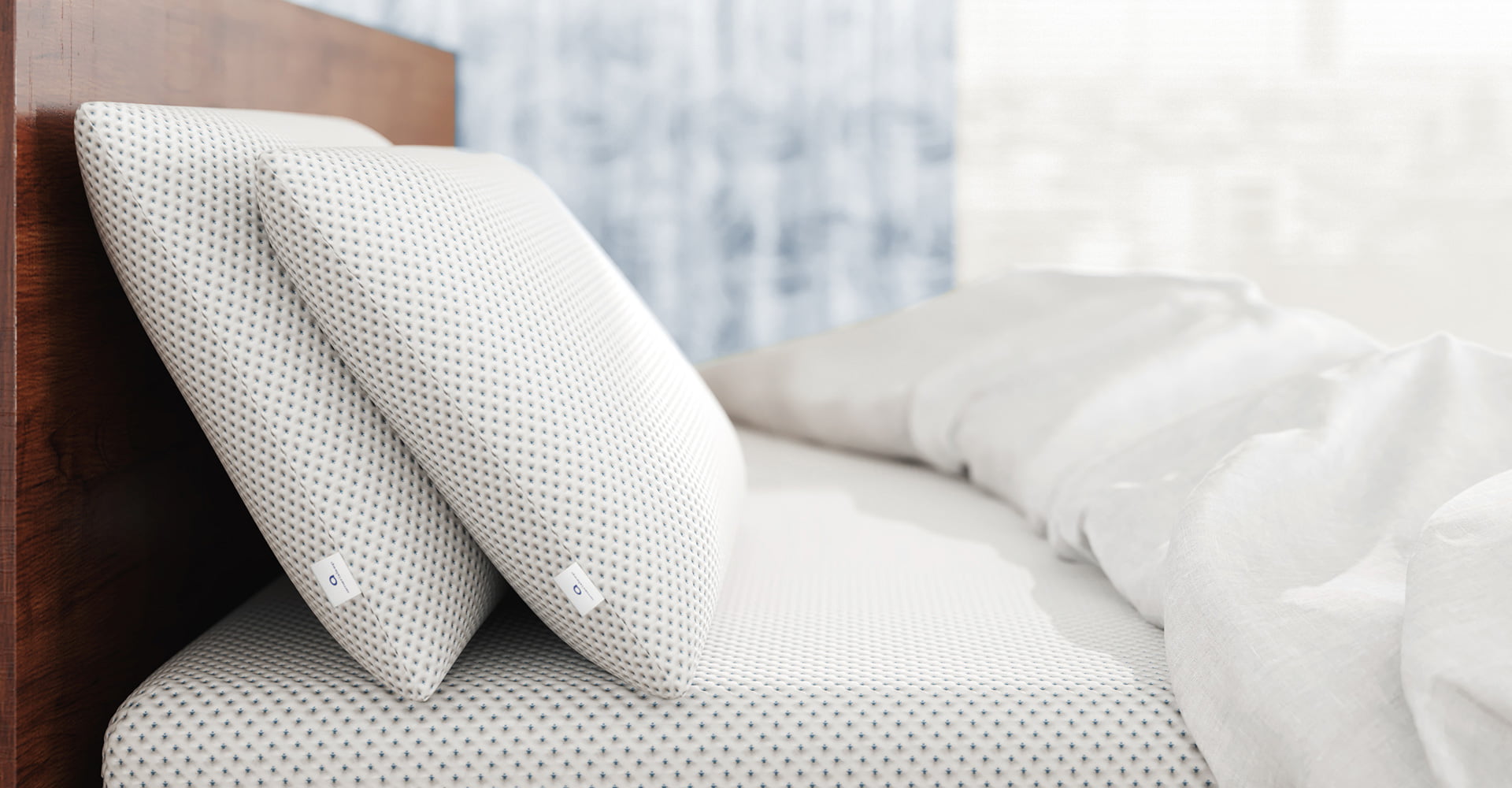
Amerisleep has the signature "simply futuristic" design in each product, including pillows. The Comfort Classic Pillow by Amerisleep has the same DNA of high-quality material and masterpiece construction, which has been perfectly good for over 5 years. This pillow perfectly complements the comfort and support of any of your mattresses.
The inside of this pillow makes it an option for neck contouring. Good neck support helps keep the spine aligned, which can make sleep more comfortable with back pain or scoliosis.
The Comfort Classic Pillow has Bio-Pur® technology that regulates your temperature by heat wicking and provides proper support for better sleep. If you are an Amerisleep mattress user, you fully understand the benefits and pleasures of sleeping on a Bio-Pur® material.
The top cover has to be of high quality and durable. And that is what you feel when you rest your head on this pillow. The blue pore texture is for breathability, essential for sweat-free sleep, and defense against molds, mildew, and other bacteria. The pillow cover has a zipper on the side to remove it easily for washing.
Saatva Latex Pillow
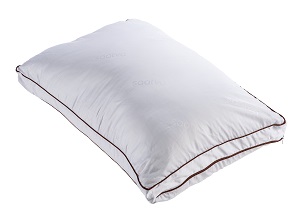
- Responsive & ultra-breathable support
- Responsive head & neck support
As good as Saatva's Mattresses
Saatva pillows offer a unique sleep that is comfortable and complements full body support. The significant part is that you will have a 45-night trial period on your Saatva pillows and an additional 1-year limited warranty if you buy a pair.
Saatva's pillow collection includes several options, all with hypoallergenic treatment to create a sleeping heaven for sensitive people. Apart from that, all the pillows are breathable and moisture-wicking and have sustainable natural materials in their soul.
Another best thing about these pillows is their removable, machine-washable covers. So, you can always keep a fresh look on your bed with a high-quality mattress and complimenting pillows. Following are Saatva's three pillows:
- Saatva – Latex Pillow
As cool as a pillow can get, Saatva's Latex Pillow is all about feeling cool and dry with maximum air ventilation and healthy sleeping. This pillow has a unique blend of organic cotton and latex, giving you comfortable sleeping and a perfect angle to your head, neck, and shoulders. No matter your sleeping style, you will get the support you want.
The most crucial element of this pillow is the hypoallergenic shredded latex at the core. This layer makes this pillow an option for sleepers seeking neck support. The top cover is organic cotton which is removable and machine washable.
- Down Alternative Pillow
This is the second masterpiece by Saatva in which the company uses a down alternative, a perfect reflection of the original down. This pillow is soft and feels like sleeping on a cloud. Memory fiber clusters at this pillow's heart act as center-stage for muscular supportive function. Once again, the top cover is organic cotton with luxurious satin piping. If you are a back sleeper, you will enjoy it particularly.
- Graphite Memory Foam Pillow
This pillow by Saatva focuses on side sleepers, providing ultimate head and neck contouring with the help of shredded memory foam and keeping you cool, thanks to graphite. This pillow keeps your temperature down, provides spinal support, and gives you an excellent sleep. The top cover of this pillow is premium cotton in the knitting form which is also machine washable.
PlushBeds Sateen White Goose Down Pillow
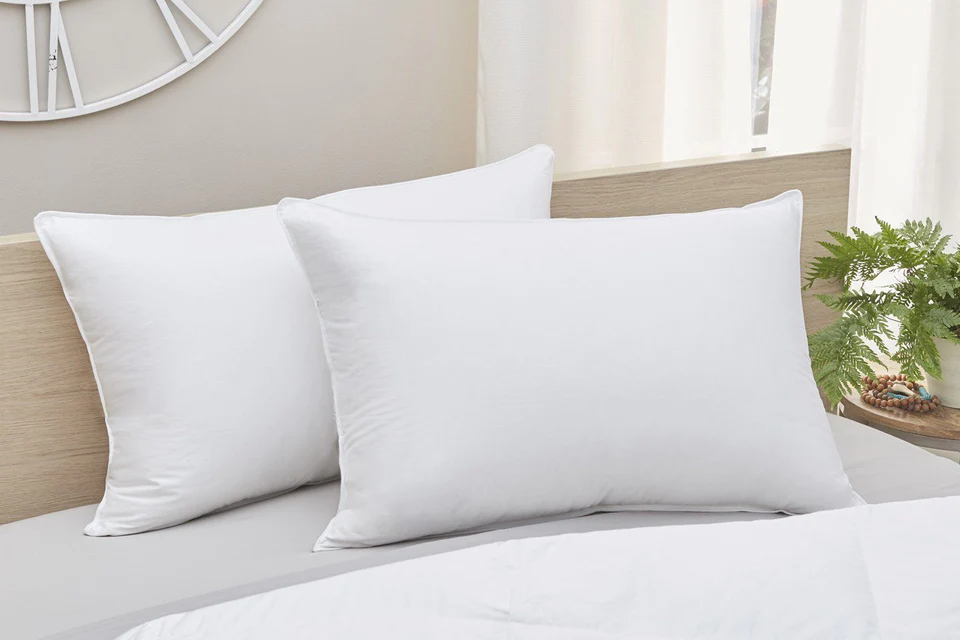
- High-end materials
- Ultra-Soft & fluffy
Signature "Plushness" inside the Pillow
Plushbeds have been pretty successful in producing one-of-a-kind mattresses, pillows, and other bedding. Their Goose Down Pillow perfectly reflects high-quality material usage and attention to detail. In addition, this pillow has the perfect fluffiness that any adult of any age can enjoy sleeping on it. The signature firmness level of this pillow has an ideal medium feel. However, if you like to sleep on a firmer level, you can get into a firm configuration.
You will notice four distinctive qualities when you place your head on it. (i) Luxury of a Natural Down, (ii) Super-soft and Fluffy feel, (iii) Breathable material, and (iv) Temperature Regulator. These features make it a highly durable product; you can expect your pillow to last up to 10 years. PlushBeds offers a 2-year warranty for construction or delivery damage as an added benefit.
The most distinctive feature of this pillow is the down filling. The down is certified to the Responsible Down Standard (RDS), which audits the humane treatment of the birds. Another good feature is its high fill power due to goose down, which keeps your pillow lofted and fluffier at the same time.
The benefit of down clusters with high fill is that they do not bland the shape of the pillow when you sleep on it. On the contrary, it keeps the shape upright, vital for neck and shoulder contouring. The assistance in spinal alignment due to perfect upper body contouring makes this pillow a comfortable option for people with scoliosis or general back pain.
The top cover consists of organic cotton with premium 330 thread quality. This cover is washable and keeps the airflow active throughout the night. This pillow is a must-have for hot sleepers.
How Should You Sleep if You Have Scoliosis?
Scoliosis is a sideways curve of the spine. Bedding cannot correct the curve, but sleep is usually more comfortable on a spine-supporting mattress and a contouring neck pillow. Many people with scoliosis find back sleeping the most comfortable position.
A straight-back sleeping position is essential for spinal support to reduce pain. Keeping your spine straight and in a neutral place is vital, so using a pillow that keeps your neck straight with your body is essential. If you use a higher pillow, talk to your doctor about comfortable positioning for your scoliosis.
Is Memory Foam Pillow Good for Scoliosis?
Memory foam pillows can work well with scoliosis because they contour to the head and neck and hold their shape, which helps keep the neck aligned. Choose a height that matches your sleep position.
However, getting a memory foam pillow with a breathable cover or a pillow with gel memory foam is better. These materials will keep you cool and dry throughout the night.
Is Sleeping Without a Pillow Good for Scoliosis?
No pillow or mattress corrects scoliosis, but a contouring sleep surface can position the spine more comfortably. Not only do you require proper back support, but you also need your neck and shoulder muscles to align with the rest of your body. So, using a comfortable and contouring pillow in Scoliosis conditions is essential.
Usually, there is no scientific compulsion to use a pillow while sleeping.
What Should You Avoid if You Have Scoliosis?
Simple habits can make scoliosis discomfort easier to manage. Avoid the following things if you have Scoliosis:
- Avoid using your smartphone while looking down at it.
- Avoid lifting heavy weights with a curved spine.
- It is better to box up your high heels, flip flops, and other unsupportive shoes if you have Scoliosis.
- If a sport aggravates your symptoms, ask your doctor or physical therapist about modifications.
Is a Soft or Firm Mattress Better for Scoliosis?
Mattress with plush firmness will not provide the essential back support, especially if you have Scoliosis. For this condition, the best firmness level is medium-firm which contours to your body for perfect spinal alignment. A medium-firm memory foam or hybrid mattress is a common choice.
If you are a heavyweight person with Scoliosis, a firm surface will be more supportive to contouring your body than a medium-firm surface. Consult your doctor about firmness level and pillow height before selecting a mattress or pillow.
What is the Best Sitting Position for Scoliosis?
The best way to sit in the condition of Scoliosis is by sitting straight in a chair. All your weight should be on your buttocks, and your spine and thighs should be symmetrical. Avoid sitting on the edge of the chair, which can add strain to the spine.
Upgrade: Full Saatva Pillow Collection
| Amerisleep Flex Pillow | - | Shop |
| Saatva Latex Pillow | $165 | Shop |
| Saatva Memory Foam Pillow | $125 | Shop |
| Saatva Down Pillow | $185 | Shop |
Our Recommendation
Poor sitting posture and long hours bent over a phone can make scoliosis discomfort worse. Many people with scoliosis sleep most comfortably flat on their back on a medium-firm mattress and use an upper-body contouring pillow. Our top pick is the Amerisleep Flex Pillow, with MicroFlex cushions you can reshape around your head and neck, backed by a 10-year warranty and free shipping. Perhaps the deciding factor will be the cost or personal preference.
Best Pillows for Scoliosis: Supporting Spinal Curvature During Sleep
Scoliosis creates asymmetric support needs that a standard one-size-fits-all pillow cannot address. Your pillow setup must work in conjunction with your mattress to maintain the best possible spinal alignment.
Pillow Strategy by Sleep Position
- Side sleeping: A pillow that fills the gap between your shoulder and ear may help with comfort. Add a pillow between the knees to keep hips aligned and reduce rotational stress on the curved spine.
- Back sleeping: Use a thin pillow (3–4 inches) that supports the natural neck curve without pushing the head forward. Talk to your doctor before using a rolled towel to support your spinal curve.
- Stomach sleeping can involve neck rotation; talk to your doctor about comfortable positioning for your scoliosis.
Pillow Types That Help
| Pillow Type | Best For | Price Range |
|---|---|---|
| Adjustable loft (shredded foam) | Customizing height to your exact body shape | $30–$70 |
| Contour cervical pillow | Back sleepers with cervical involvement | $30–$80 |
| Body pillow | Side sleepers who need full-body alignment | $20–$60 |
For mattress selection: scoliosis mattress guide | back pain recommendations.
Your pillow setup only works on a supportive mattress. The Saatva Classic provides zoned coil support that complements corrective pillow positioning. 365-night trial.
Try Saatva risk-free →
Related Guides
MATTRESSES FOR PAIN RELIEF