
 by
by Quick answer: No universal winner is supported. Compare the Saatva Pillow, LatexLuxe Pillow, and Evercool® Cooling Pillow by published measurements, warranty evidence, and price, then match those facts to your backrest.
- saatva-mattress.com lists 4, 5, 6, and 7 inches for the Saatva Pillow.
- amerisleep.com states a 5-year warranty for the LatexLuxe Pillow.
- rest.com lists 26 by 15.8 by 3 inches and a $199 price for the Evercool® Cooling Pillow.
Updated July 2026 · Reviewed for accuracy
VERIFIED COMPARISON
For best pillow to sleep upright, compare the Saatva Pillow with the other verified options below using documented dimensions, ownership terms and fit factors.
3 VERIFIED OPTIONS COMPARED
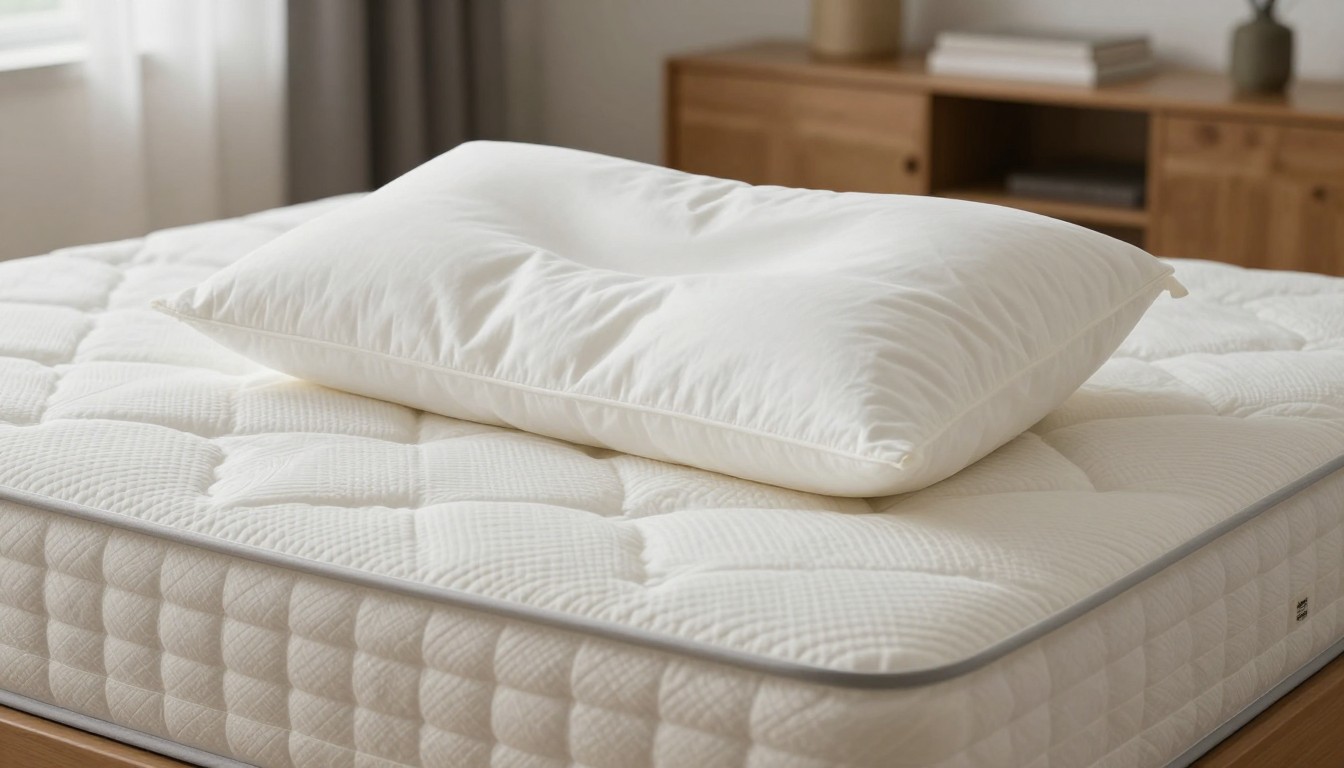
Saatva Pillow
- Option Published product facts Evidence limit Saatva Pillow saatva-mattress.com lists 4, 5, 6, and 7 inches.
- One of 3 products compared with bound source facts
- Order direct from the brand — current price, trial and warranty terms are on the official product page
3 verified options compared
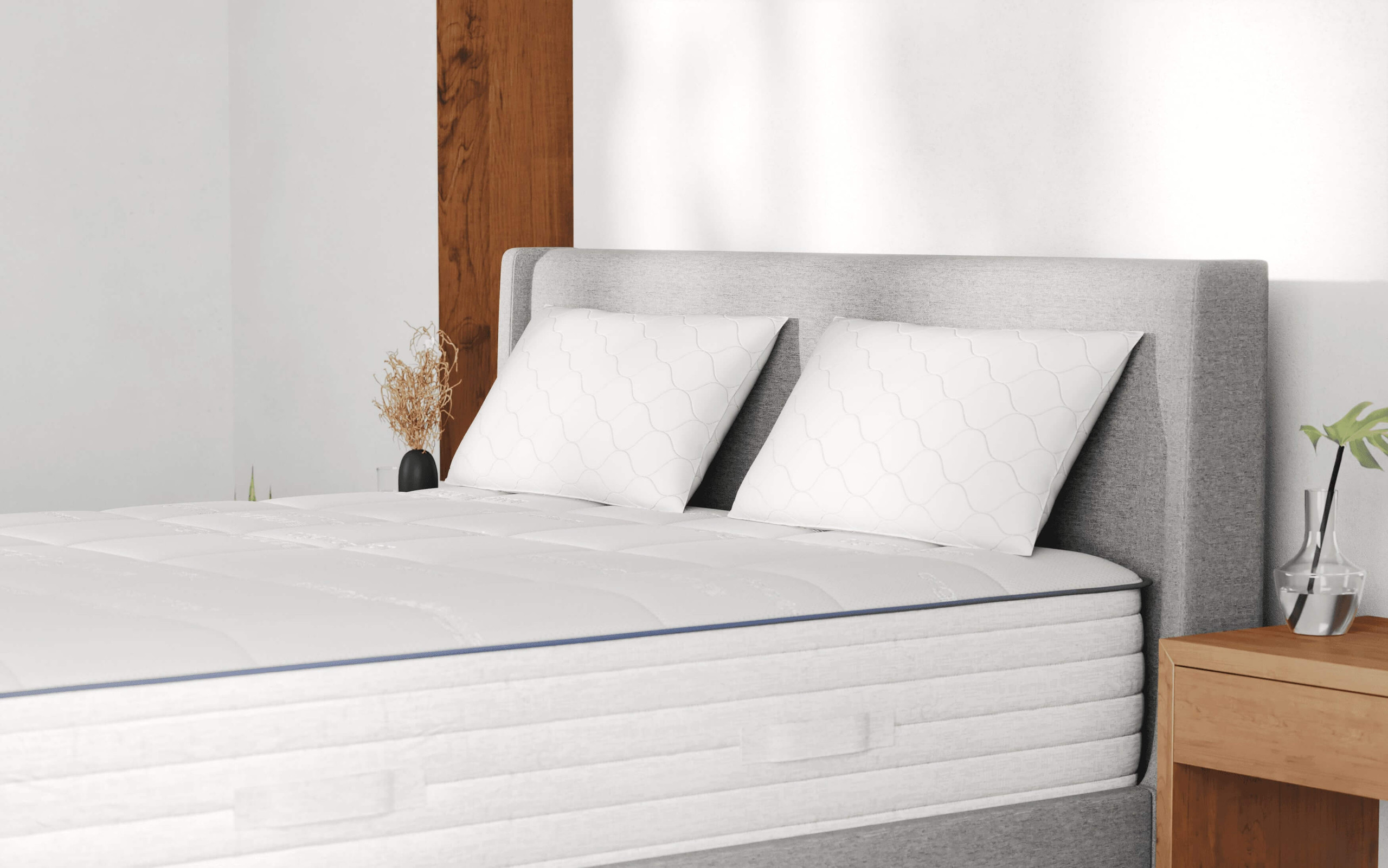
Sleeping upright turns pillow choice into a geometry problem. The backrest supports part of your body, while the pillow has to fill the remaining space without pushing your head into an awkward position.
I’d compare the actual gap behind your head before judging materials, branding, or surface softness. The published details for these options aren’t equally complete, so this is an unranked comparison rather than a claim that any product works for every upright sleeper.
Why upright sleeping changes pillow fit
The backrest is already doing part of the support work. That means a pillow that feels balanced on a flat mattress can feel bulky, unstable, or too shallow once it’s placed against a recliner, adjustable bed, or inclined support.
Your head also meets the pillow from a different direction. On a flat bed, much of the load presses downward. In an upright setup, the contact can shift toward the rear of the head, and the pillow may be squeezed between you and the backrest. Its uncompressed profile is only part of the fit.
The useful target is a supported position that feels natural to you. If the pillow projects too far forward, your chin may tip toward your chest. If it leaves too much empty space, your head may fall backward or drift sideways. Neither problem can be predicted from a product name.
Observe your setup before shopping:
- Notice where your head naturally rests against the back support.
- Identify the empty space behind your neck and lower head.
- Watch for forward chin pressure or backward head tilt.
- Check whether your current pillow slides as you settle.
- Consider whether armrests, headrests, or a wall limit pillow width.
Position is personal, and the reason for sleeping upright matters. Someone using a deep recliner may need a different shape from someone resting against a bed wedge. If a health condition or recovery instruction determines your sleep position, keep the product decision within the guidance given by your clinician.
Published facts side by side
The comparison starts with an evidence gap. One option has several inch values attached to it, another has a warranty term, and the remaining option has a complete set of listed dimensions plus a price. Those facts answer different buyer questions.
| Option | Published product facts | Evidence limit |
|---|---|---|
| Saatva Pillow | saatva-mattress.com lists 4, 5, 6, and 7 inches. | The figures alone don’t establish which dimension or configuration each value describes. |
| LatexLuxe Pillow | amerisleep.com states a 5-year warranty. | The cited fact establishes warranty length, not dimensions, loft, firmness, or comfort. |
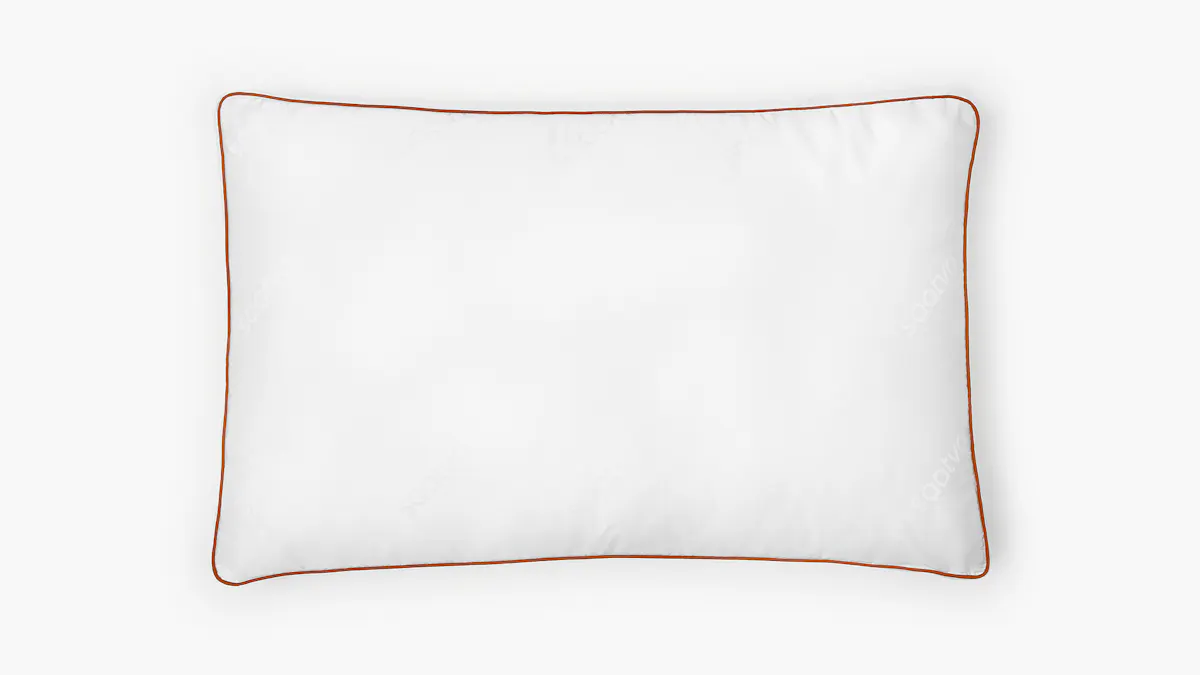
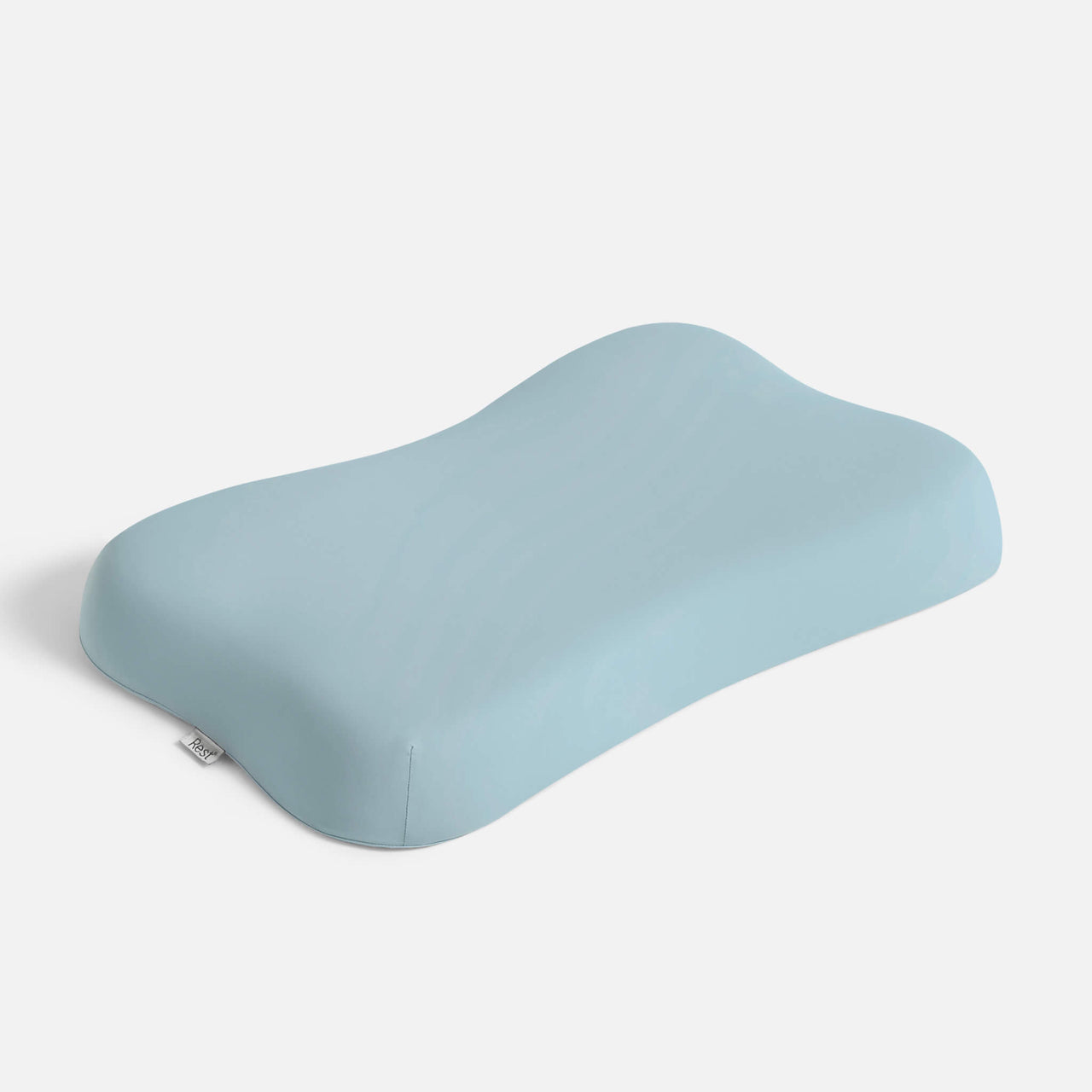
| Evercool® Cooling Pillow | rest.com lists 26 by 15.8 by 3 inches and a $199 price. | The measurements and price don’t establish cooling performance, firmness, or suitability for a particular sleeper. |
A longer row isn’t proof of a better pillow. It only gives you more information to compare before purchase. Warranty length can’t reveal how a pillow will sit against your chair, while dimensions can’t tell you how the fill will compress under your head.
My read: Use this table as a verification map. It shows what can be compared now and what still needs confirmation from the current product page or manufacturer.
Which option fits your buying priority?
The useful distinction is decision type. Some shoppers need a range of measurements to investigate, some care most about the stated warranty, and others want a published size and price they can compare immediately.
Saatva Pillow: For comparing listed inch values
saatva-mattress.com lists 4, 5, 6, and 7 inches for the Saatva Pillow. That gives measurement-focused shoppers several values to investigate against the space in an upright setup. Those figures alone don’t confirm that every value is a loft choice, however, so I wouldn’t assign them to a particular configuration without verification. Measure the gap created by your normal backrest and ask which current version corresponds to the relevant figure. The cited facts don’t establish fill composition, firmness, compression, return terms, or warranty coverage, which prevents a stronger comfort or durability judgment.
LatexLuxe Pillow: For warranty-first shoppers
amerisleep.com states a 5-year warranty for the LatexLuxe Pillow. That makes it the evidence-led option for a shopper who wants a disclosed warranty horizon to examine before making a decision. Read the actual terms, exclusions, and claim process because warranty duration doesn’t tell you whether a comfort preference is covered. The cited product evidence doesn’t establish dimensions, loft, firmness, materials, or price. I therefore can’t tell from the warranty fact alone whether it will fill the gap in a particular upright setup or how it will respond to sustained compression.
Evercool® Cooling Pillow: For size-and-price planning
rest.com lists the Evercool® Cooling Pillow at 26 by 15.8 by 3 inches and $199. Those attributed details suit a shopper who wants to compare the published footprint with a chair, wedge, or headrest while keeping a stated price in view. Measure the space available rather than assuming the pillow will fit from its photograph. I also wouldn’t infer cooling performance from the name. The cited facts don’t include temperature results, material details, firmness, warranty coverage, or evidence that the listed dimensions will produce the right head position for you.
Evidence boundary: Measurements describe listed size information. A warranty describes a policy term. A price describes cost at the cited listing. None of those facts, by itself, proves comfort, cooling, support, or long-term durability.
How to match a pillow to an upright setup
The gap behind your head matters more than the marketing label. Sit in the position you actually use, let your shoulders rest naturally, and observe where support is missing. Measuring a pillow on a table won’t reproduce the way it compresses between your head and a backrest, but it gives you a useful starting reference.
Pay attention to forward projection as well as apparent loft. A thick-looking pillow may compress readily, while a slimmer profile may resist compression. Because no comparable firmness or fill data is established across these options, the inch figures shouldn’t be treated as interchangeable measures of usable support.
Match the pillow to the problem you can observe:
- If your head falls backward, look for a configuration that fills more of the actual gap.
- If your chin is forced downward, reduce forward bulk rather than adding support automatically.
- If the pillow slides, examine shape, surface grip, and how securely it meets the backrest.
- If your head rolls sideways, consider whether the pillow is wide enough for your natural movement.
- If heat is the concern, verify disclosed materials or performance evidence instead of relying on a cooling-related name.
Also account for the support beneath the pillow. A recliner headrest may already curve around the neck. A wedge usually changes the angle of the upper body but may leave a separate gap behind the head. An adjustable bed can move the entire upper surface, changing where both your shoulders and pillow land.
If sleep apnea is part of the reason you’re reviewing an upright arrangement, my guide to choosing a pillow for sleep apnea addresses that separate use case. The wedge pillow and sleep apnea guide looks more closely at the inclined support beneath the sleeper. A pillow comparison shouldn’t be treated as evidence that a product diagnoses or treats an underlying condition.
How I narrowed the comparison
A published inch value can help with physical fit, but it can’t prove comfort. I used only product details that could be tied directly to a named source, then separated measurements, price, and warranty information according to the buyer decision each can reasonably inform.
I didn’t convert missing details into assumptions. A product name wasn’t treated as performance evidence, a warranty wasn’t treated as a durability result, and an inch figure wasn’t assigned to a specific loft or configuration unless that meaning was established. The uneven detail also made a scored ranking misleading.
What still needs checking: current configuration labels, fill materials, firmness, compression behavior, care instructions, return terms, warranty exclusions, and whether the pillow’s shape works with your own backrest.
This approach produces a narrower verdict, but it’s more useful than padding the comparison with unsupported promises. The right choice is the option whose confirmed details address the uncertainty in your setup, followed by direct verification of everything the cited facts don’t cover.
Set up the pillow before judging it
A pillow can sit very differently against a recliner than it does against a flat mattress. Recreate your normal sleep position before deciding whether the profile works. Place any wedge, headrest, or back support where it usually sits, then let the pillow settle under ordinary pressure.
- Check whether your head stays centered without effort.
- Notice whether your chin is pushed forward or toward your chest.
- Look for an unsupported pocket behind the neck.
- Watch whether the pillow migrates as you relax.
- Confirm that its edges don’t clash with a chair, wall, or adjacent support.
- Read the care, return, and warranty terms before putting the product into regular use.
Don’t judge the setup from surface softness alone. An inviting cover can’t correct the wrong geometry, and a favorable warranty doesn’t guarantee that the pillow will suit your preferred position. Upright comfort depends on how the pillow, backrest, and your body interact.
The Nut’s practical rule: Verify physical fit first. Treat price and warranty as separate decision filters, and don’t infer an unlisted material or performance benefit from branding.
FAQ
What pillow loft is best for sleeping upright?
There’s no universal loft supported by the facts here. The useful loft depends on the gap between your head and backrest, how much the pillow compresses, and whether your setup already supports the neck or lower head.
Can I compare published pillow heights directly?
Only if the manufacturer clearly identifies what each measurement describes and uses a comparable method. A listed height may not equal the space a pillow fills after compression, so confirm the configuration and measure your own setup before drawing a conclusion.
Does a cooling product name prove the pillow sleeps cool?
No. A name isn’t thermal-performance evidence. Look for disclosed materials or attributed performance information, neither of which is established for that claim in this comparison.
Does a longer warranty mean better upright support?
No. Warranty length tells you about the stated policy period, subject to its actual terms and exclusions. It doesn’t establish loft, firmness, compression, comfort, or how the pillow will interact with a recliner or wedge.
Should I use a wedge or a head pillow for upright sleep?
They address different parts of the setup. A wedge changes the position of the upper body, while a head pillow can fill the remaining space around the head or neck. If your sleep position relates to a medical condition or recovery plan, follow the guidance of the clinician managing it.
COMPARISON TAKEAWAY
Use the documented measurements, ownership terms and fit factors above to choose among these 3 options for best pillow to sleep upright.
Saatva Pillow