

 by
by Best Pillows For Vertigo, 4 Models We Reviewed
For vertigo, look for a pillow with adjustable loft so you can set the head elevation your sleep position needs, whether you sleep on your back or your side. The Amerisleep Flex Pillow is our #1 pick because its reshapeable MicroFlex cushions let you shape the loft to your position, and it is backed by a 10-year warranty with free shipping. It is a final sale item, so confirm the setup that suits you before ordering. An adjustable pillow also makes it easier to find the gentle head elevation that keeps you comfortable through the night. For a luxury latex alternative, the Saatva Latex Pillow offers responsive head and neck support with a 45-day trial and a 1-year warranty. A pillow does not treat vertigo or any medical condition, and you should consult a doctor for persistent symptoms.
Amerisleep Flex Pillow
The Amerisleep Flex Pillow is a reshapeable pillow you can tune to your sleep position, so you can dial in the head elevation and neck support that back and side sleepers need for comfortable, stable sleeping.
Top 4 Pillows to Sleep with Vertigo
Amerisleep Comfort Classic Pillow
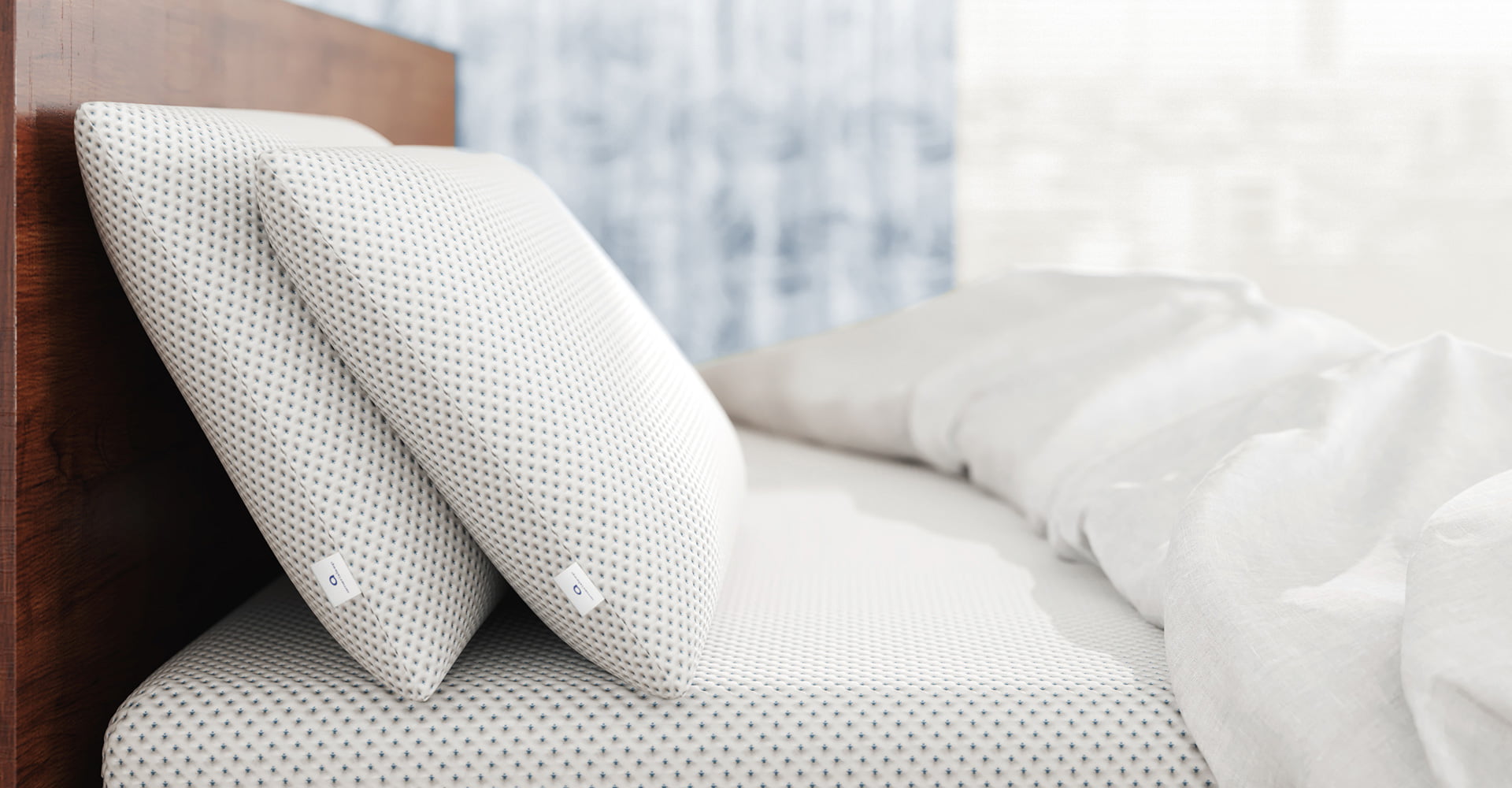
- Supportive
- Advanced open-cell structure
One of the Best Products by Amerisleep
The next pillow made to our list is by Amerisleep, which follows simplicity in designing their products but never compromises on modern technology for excellent customer experience. The Comfort Classic Pillow comes in 6 inches of proper head and neck support, providing the best elevation for the head and neck.
Whether you sleep on your back or sides, this pillow will perfectly complement the rest of your comfortable and supportive bed. In addition, you will get delivery of your Amerisleep's Comfort Classic Pillow for free and a 10-year warranty. Amerisleep pillows are made in the USA.
The Comfort Classic Pillow by Amerisleep has a 6-inch loft, ideal for an average-size sleeper to get head elevation while sleeping on the back. A pillow cannot cure vertigo, but the right height can make lying down more comfortable; ask your doctor about head elevation.
Very soft or very hard pillows make it harder to keep the head steady, and many people with vertigo find a moderately firm, slightly raised pillow more comfortable. The Comfort Classic Pillow by Amerisleep has the perfect blend of comfort and support you need if you have vertigo.
The foam of Comfort Classic Pillow by Amerisleep has CertiPUR-US certification; this does not mean its ingredients are sustainable or chemical-free. Also, the cover has proper air ventilation and is removable for cleaning. Amerisleep's Signature Bio-PUR® technology is also present in this pillow.
Saatva Latex Pillow
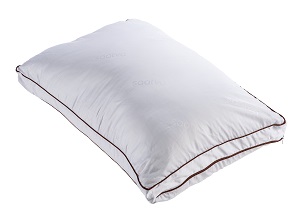
- Responsive & ultra-breathable support
- Responsive head & neck support
The excellence of "Saatva" throughout the Structure
Saatva's pillows have a similar excellence that Saatva delivers to provide a relaxing and body-supporting sleep. Once you become a proud owner of any Saatva pillows, you will get a 45-night trial period and an additional 1-year limited warranty, which is hard to beat.
Saatva offers several pillows for different needs. All the pillows are healthy to sleep on due to their hypoallergenic treatment.
Also, you will not experience any breathability and moisture-wicking issues because all the pillows have excellent airflow. Also, Saatva only uses sustainable materials to preserve nature. Another best thing about these pillows is their removable and machine-washable covers to keep them everlasting fresh. Following are Saatva's three pillows:
Saatva's Latex Pillow is breathable for temperature regulating, dry, and healthy sleeping. This pillow contains a powerful combo of natural cotton and latex, ensuring comfortable sleeping and outstanding support for your head, neck, and shoulder muscles. The most significant element of this pillow is the shredded natural latex. This latex is placed at the core, ensuring proper loft for head elevation.
Its loft keeps the head slightly raised, which many people with vertigo find more comfortable. The top cover is organic cotton which is removable and machine washable.
Down Alternative pillow is another good product by Saatva, which has down alternative material that reflects the comfort of an original down. This pillow is fluffy with superb loft for vertigo patients. In addition, this pillow has memory fiber clusters at the center for muscular support and spinal alignment. The top cover is again organic cotton with luxurious satin piping. It suits back sleepers who want a fuller pillow.
Graphite Memory Foam Pillow by Saatva focuses on providing excellent head and neck contouring. The core's shredded memory foam and graphite give this pillow a perfect loft. This pillow wicks away extra heat, provides superior elevation, and is suitable for back sleepers. The top cover has premium cotton in the knitting form, which you can clean by machine washing.
PlushBeds Sateen White Goose Down Pillow
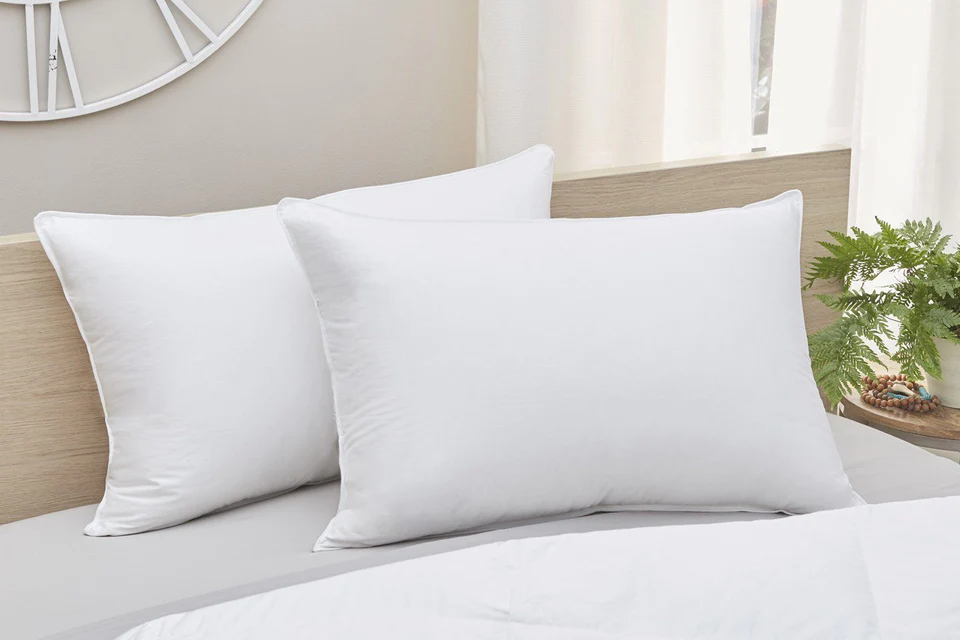
- High-end materials
- Ultra-Soft & fluffy
The comfort of a Goose Down
PlushBeds Goose Down Pillow is a pinnacle product for the company's success in creating latest products for ultimate comfort. This pillow defines the result of using high-quality materials and expertise in making it. Also, this pillow gives ultra-fluffy cushioning, a comfortable option for people with vertigo.
Apart from comfort, this pillow has ideal medium firmness with excellent loft to support the back sleepers. These pillow settings make these pillows one of the best for vertigo patients. However, if you don't get proper elevation on your pillow that straightens your body structure, a better option is to go for the Firm settings available in this pillow.
The four reasons which make Plushbed's Goose Down Pillow irresistible are: (i) the Luxurious experience of a Natural Down, (ii) the Premium cloud-like-feel, (iii) Air circulation back and forth, and (iv) Temperature Regulating technology.
These features are the pinnacle of strongness and durability that can last up to 10 years. Apart from that, you will get a 2-year warranty from PlushBeds. This warranty covers any construction or delivery damages with replacement options.
Plushbed's Goose Down Pillow has recognition due to premium down-filling. PlushBeds' down is certified to the Responsible Down Standard (RDS), which means it does not come from live-plucked birds.
Instead, they get their down from food processing units. Another good feature is its high fill power due to goose down, which keeps your pillow lofted and fluffier at the same time.
The idea behind high fill-down clusters is to prevent the blandness of this pillow for proper head elevation. Also, the loft of this pillow is vital for head and neck muscle contouring, especially if you sleep on your back. The top cover has organic cotton with premium 330 thread quality. This washable cover has good air ventilation for extra heat to wick away.
What is the Best Way to Sleep if You Have Vertigo?
Many people with vertigo find sleeping on the back, with the head slightly raised, the most comfortable. Ask your doctor which position suits your type of vertigo.
Vertigo can make you feel as though the world is spinning around you and may involve imbalance, dizziness, and nausea; talk to your doctor about the cause and treatment. Moving slowly helps: sit up gradually before standing, avoid bending down quickly, and turn your head slowly. Your doctor can recommend treatment, such as repositioning maneuvers for BPPV.
Are Neck Pillows Good for Vertigo?
Sudden head movements may be uncomfortable for some people with vertigo. Choose a pillow for comfortable head and neck support, and ask your doctor which resting positions suit your condition.
A neck support pillow may help you find a comfortable resting position, but it cannot be relied on to prevent vertigo attacks or guarantee sleep. Talk to your doctor about assessing and treating vertigo.
Can I Use a Pillow In BPPV?
BPPV, the abbreviation of Benign Paroxysmal Positional Vertigo, is a common inner-ear condition that causes brief spinning sensations. In BPPV, a specific head movement can trigger vertigo. In this condition, it is essential to rest your head in a supportive and comfortable place to avoid returning episodes.
Some doctors suggest sleeping with the head slightly raised for a few nights after repositioning treatment; a wedge pillow makes that easier.
Can Sleeping on a Bad Pillow Cause Vertigo?
A pillow in bad shape may feel unsupportive or contribute to neck discomfort. Too-soft or flat cushions may not give your head and neck the support you prefer; dizziness or vertigo needs medical assessment.
Shoulder, neck, or head pain, numbness or pins in your arms, dizziness, or vertigo warrant medical assessment rather than a diagnosis based on your pillow. A flat or too-soft pillow may feel unsupportive, but is not necessarily the cause of these symptoms.
How Can I Cure My Vertigo?
Mostly, the symptoms of vertigo will end over time without any treatment. However, some patients experience repeated episodes of vertigo. Both kinds of treatments are available, i.e., physical and medicinal.
Your doctor might recommend you go through Vestibular Rehabilitation Training if you have episodes of vertigo. Similarly, a doctor can recommend medication such as prochlorperazine or some antihistamines to relieve severe symptoms.
Our Recommendation
Vertigo is often caused by an inner-ear problem and brings dizziness or nausea. This symptom can affect anyone and doesn't require pre-conditions for the causes. Most of the time, vertigo goes away without any treatment. However, the patient requires physical and medicinal therapies in a few cases.
Resting on a comfortable surface with proper support for your head may help you feel more comfortable; talk to your doctor about treating vertigo. The pillows in our list are good options for sleeping comfortably with vertigo. You can choose any one of them, even for general use too.
Best Pillows for Vertigo: Reducing Dizziness During Sleep
Vertigo, especially benign paroxysmal positional vertigo (BPPV), can be triggered or worsened by head position during sleep.
Pillow Strategies for BPPV
- Elevated sleeping: Talk to your doctor about whether head elevation is appropriate for your vertigo and which sleeping position to use.
- Avoid flat sleeping: Lying completely flat allows otolith crystals in the ear canal to shift more freely.
- Sleep on the unaffected side: If vertigo is predominantly on one side, sleeping on the opposite side reduces episodes.
- Slow position changes: Use a body pillow to prevent rapid rolling during sleep.
Recommended Pillow Types
| Type | Elevation | Price | Best For |
|---|---|---|---|
| Wedge pillow (7–12") | 30–45 degrees | $30–$60 | Active BPPV episodes |
| Adjustable loft pillow | Customizable | $40–$100 | Finding your ideal angle |
| Cervical support pillow | Neutral neck | $30–$80 | Between episodes |
For adjustable sleeping positions, an adjustable bed base can raise the head precisely. See adjustable base guide | back pain mattress picks.
The Saatva Adjustable Base Plus lets you set precise head elevation angles via remote control.