
 by
by Quick answer: Cold water plus an enzyme-based laundry treatment beats any single branded product. Hydrogen peroxide works on white cotton. Your sheet fiber decides how forgiving the fabric will be.
- Saatva Organic Cotton Sheets run $215 with a 365-night trial, per journee-mondiale.com's 2026 Saatva sheets review.
- Bamboo sheets carry a 3-year warranty and 100 to 120-night trial windows, according to sleepjunkie.com's bamboo sheets guide, at $80 per our own bamboo sheets review.
- Amerisleep's Bamboo Sheets Set is listed at $400 on amerisleep.com.
Updated July 2026 · Reviewed for accuracy
VERIFIED COMPARISON
For best stain remover for blood on sheets, compare the Saatva Organic Cotton Sheets with the other verified options below using documented dimensions, ownership terms and fit factors.
3 VERIFIED OPTIONS COMPARED
Saatva Organic Cotton Sheets
- Untreated or organic-certified cotton has no wrinkle-resist resin sitting on the fiber surface.
- One of 3 products compared with bound source facts
- Order direct from the brand — current price, trial and warranty terms are on the official product page
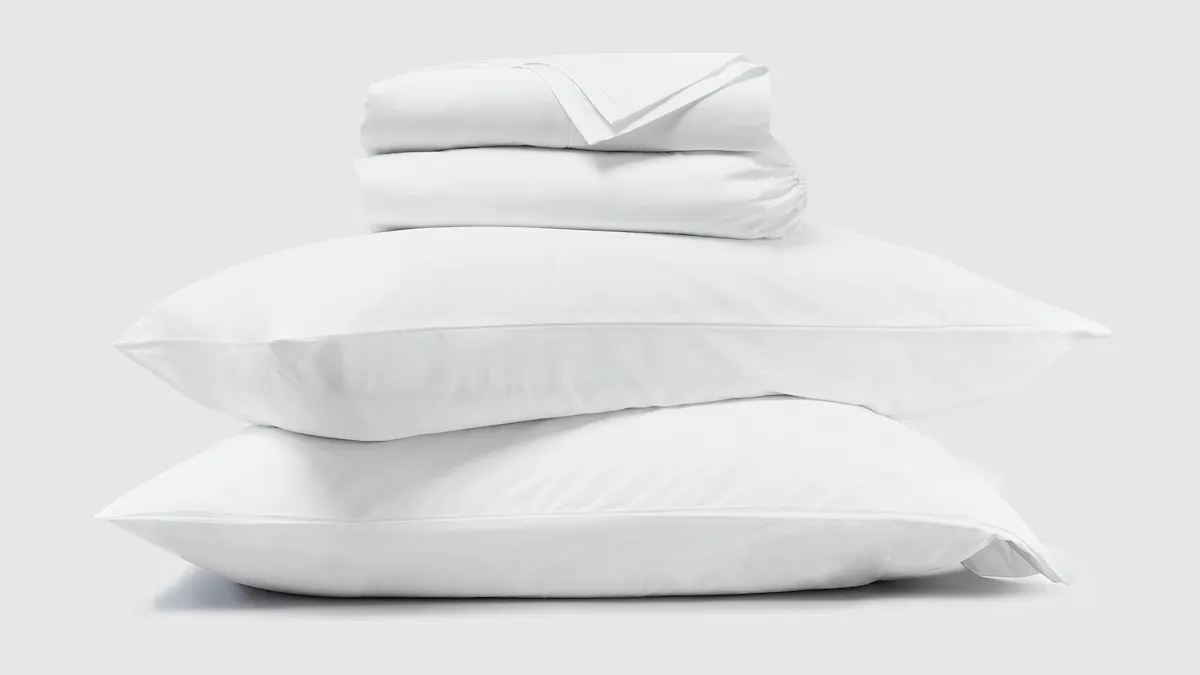
3 verified options compared
There's no magic bottle. Blood is protein, and protein needs an enzyme or an oxidizer to break apart, not scrubbing and not heat. Get that sequence right and most blood comes out of most sheets.
I've spent ten years looking at how bedding materials hold up to abuse, and stain removal is really a materials question. The weave, the fiber, and the finish on your sheets decide whether a treatment lifts the stain or sets it permanently. So this piece covers the remover types worth keeping in the laundry room, then the three sheet sets I can speak to with actual sourced facts.
The remover types that actually work on blood
Blood is hemoglobin, which is protein. Two chemistries break it down.
Enzyme treatments. Protease enzymes digest protein, which is exactly what a dried blood stain is. Most modern liquid laundry detergents include them, and dedicated enzyme pre-treat sprays and soaks concentrate them further. They're safe on colored sheets and on most fibers, which makes them the default first move.
Oxidizers. Hydrogen peroxide (the 3% drugstore bottle) and oxygen bleach break the color-bearing part of the molecule apart. Peroxide fizzes on contact with blood, which is satisfying and also a reasonable indicator it's doing something. The catch: it lightens dye. On white cotton it's excellent. On a saturated navy or a dyed bamboo sateen, spot-test first, somewhere hidden like the fitted-sheet corner.
What I'd skip. Chlorine bleach on anything but white cotton, because it weakens cellulose fibers over repeated washes and yellows some finishes. And hot water at any stage before the stain is gone, because heat cooks protein into the fiber and that's essentially irreversible.
The single biggest mistake: warm or hot water on fresh blood. Heat denatures the protein and bonds it to the fiber. Cold water only, from the first rinse through the wash cycle, until you've confirmed the stain is gone.
The order of operations I'd follow
Sequence matters more than brand choice. Here's the routine that gives you the best odds on a fresh stain.
- Rinse cold, from the back. Hold the fabric so cold water pushes the blood back out the way it came in, rather than driving it deeper through the weave.
- Blot, never scrub. Scrubbing spreads the stain sideways and abrades the fiber surface, which on sateen shows as a permanent dull patch even after the stain lifts.
- Apply your treatment and wait. Enzymes need dwell time, typically 15 to 30 minutes, sometimes longer on dried stains. Keep the spot damp so the enzymes stay active.
- Wash cold. Normal detergent, cold cycle.
- Air dry and inspect. This is the step people skip. The dryer's heat sets whatever residue survived the wash. Check the spot in daylight while it's still damp, and repeat the treatment if you see a shadow.
For dried or old stains, the same sequence works but you'll want a longer cold soak up front, an hour or more, to rehydrate the stain before the enzyme goes to work. We walk through the full method in more detail in our guide on how to get blood stains out of sheets, and the technique changes when the stain has gone through to the mattress, which we cover separately in removing blood stains from a mattress.
Why the sheet fabric decides how easy this is
This is where my construction bias earns its keep. Two sheet sets can take the same treatment and give completely different results.
Fiber matters. Cotton is cellulose, and cellulose tolerates enzymes, oxygen bleach, and repeated cold washing well. Bamboo-derived viscose and lyocell are also cellulosic, but they're typically finer filaments in a smoother finish, so they're more sensitive to abrasion from scrubbing. Neither is fragile, but the failure mode differs: cotton survives rough handling and looks rougher, smooth bamboo weaves show handling marks.
Weave matters more than thread count. A percale weave is a simple one-over-one-under grid with a matte finish and visible texture. It's the more forgiving surface, because the stain sits in an open structure that rinses through, and a bit of scrubbing barely shows. A sateen weave floats several yarns over one, which produces the sheen, but it also means more surface yarn to trap fluid and more visible damage if you abrade it. If you're prone to needing a stain remover, percale is the practical pick. Thread count is a weaker signal than either of these, and we've written about why in our piece on the best thread count for sheets.
Finish matters. Untreated or organic-certified cotton has no wrinkle-resist resin sitting on the fiber surface. Resin finishes can hold residue and react unpredictably to oxidizers. Fewer chemicals on the fabric means fewer variables when you're treating a stain.
Three sheet sets I can speak to with sourced facts
These three are real options in the right category, and I have named-source figures for each. I'm not ranking them, because nothing I have would support calling one the winner. They serve different budgets and different priorities.
Saatva Organic Cotton Sheets, for the longest window to change your mind
Per journee-mondiale.com's 2026 Saatva sheets review, this set is priced at $215 and comes with a 365-night trial. That trial length is the decision-relevant fact here. Stain resilience isn't something you can judge in a store, and it isn't something you can judge in a week either. A full year of ownership gets you through the actual laundry cycles that reveal how a fabric ages, whether it pills at the hip line, whether repeated cold washing dulls it. If you want the freedom to find out and still return the set, that's the longest window of the three.
The organic cotton construction also matters for stain work, for the reason above: fewer applied finishes, fewer variables when peroxide or an enzyme soak hits the fabric. I'd note plainly that I don't have verified weave or thread-count figures for this set, so I'm not going to guess at them.
Bamboo Sheets, for the lowest cost of a mistake
According to sleepjunkie.com's bamboo sheets guide, sets in this category ship with trial periods in the 100 to 120-night range and a 3-year warranty. Our own bamboo sheets review puts the price at $80.
The $80 figure combined with a 3-year warranty is the argument. If blood stains are a recurring reality in your household, whether that's a nosebleed-prone kid, period nights, or a healing surgical site, buying an inexpensive set you're willing to treat aggressively is a legitimate strategy. Peroxide on a $80 set is a much easier decision than peroxide on a set costing several times that. The warranty covers manufacturing defects rather than stains, but three years is a real signal about expected service life.
Amerisleep Bamboo Sheets Set, for the top of the bamboo range
Amerisleep lists this set at $400 on amerisleep.com. That's the only verified figure I have on it, and I'm going to say so rather than pad it out. What the price tells you is where it sits: the premium end of bamboo bedding, well above the $80 category figure from our bamboo review.
For stain purposes, the caution is the same as with any smooth bamboo weave: blot, don't scrub, and spot-test any oxidizer on a hidden seam before you commit. At this price I'd be running the enzyme route first and holding peroxide in reserve.
How the three compare
| Set | Price | Trial | Warranty | Source |
|---|---|---|---|---|
| Saatva Organic Cotton Sheets | $215 | 365 nights | Not verified | journee-mondiale.com |
| Bamboo Sheets | $80 | 100 to 120 nights | 3 years | sleepjunkie.com; mattressnut.com |
| Amerisleep Bamboo Sheets Set | $400 | Not verified | Not verified | amerisleep.com |
The blank cells are deliberate. I'd rather show you where my evidence runs out than fill a table with numbers I can't attribute.
How I chose these, and what I couldn't verify
Two filters. First, the set had to be a genuine option in this category, meaning a full sheet set of a fiber that tolerates cold-water stain treatment. Second, I had to have at least one figure I could attribute to a named source. Anything I couldn't source, I left out of the table.
What I could not verify for any of the three: weave type, thread count, GSM, certification details, or how the fabric behaves after a peroxide treatment specifically. No published source I'm working from tested blood-stain removal on these sets. I'm not going to invent that. The construction reasoning above applies to cotton and bamboo as fiber classes, and it's the honest level of confidence to write at.
Practical laundry-room setup:
- 3% hydrogen peroxide, for white cotton only, spot-tested elsewhere.
- An enzyme pre-treat spray or soak, for colors and for anything dried.
- Cold water only, every stage, until the stain is confirmed gone.
- A drying rack, so you can inspect before heat gets involved.
What I'd buy for a household that deals with this often
If blood on sheets is a regular event, buy for replaceability rather than luxury. An inexpensive set in a percale-style weave, in white, treated with peroxide and enzymes without hesitation, will serve you better than a premium set you're afraid to treat properly. Keep two sets in rotation so one can soak while the other's on the bed.
If it's occasional, buy the sheets you actually want to sleep on and keep the enzyme spray in the cupboard. The right fiber for your sleep comes first, and we go through that decision in our guide to what kind of sheets are best. Stain protocol is a five-minute habit, not a purchasing constraint.
FAQ
Does hydrogen peroxide bleach colored sheets?
It can lighten dye, yes, which is why it belongs on white cotton by default. On a colored or patterned set, test it on a hidden area first, like the underside of a fitted-sheet corner, and wait for it to dry before you judge the result. If you see any dye lift, switch to an enzyme treatment instead.
Can I still get an old, dried blood stain out?
Often, yes, though it takes more patience. Soak the area in cold water for an hour or more to rehydrate the stain, then apply an enzyme treatment and give it a long dwell time before a cold wash. Repeat the cycle rather than escalating to heat or hard scrubbing, which is what makes old stains permanent.
Which is easier to get blood out of, cotton or bamboo sheets?
Both are cellulosic fibers and both tolerate cold-water enzyme treatment. The practical difference is surface: cotton percale's matte, open weave hides handling marks and rinses through readily, while smooth bamboo weaves show abrasion if you scrub. Blot rather than rub on bamboo and the outcome should be comparable.
Should I use chlorine bleach on a blood stain?
I'd avoid it outside of white cotton. Repeated chlorine bleaching weakens cellulose fibers and shortens the usable life of the sheet, and on some finishes it yellows the fabric rather than whitening it. Oxygen bleach achieves most of the same result with much less damage.
Do longer trial periods help with stain concerns?
Indirectly, and it's a real consideration. Fabric behavior after repeated washing, whether it pills, dulls, or thins at stress points, only shows up over months of use. Saatva's 365-night trial per journee-mondiale.com's review gives you a full year of laundry cycles to judge that, versus the 100 to 120-night bamboo windows sleepjunkie.com reports.
The verdict
The best stain remover for blood on sheets isn't a brand, it's a method: cold water, an enzyme treatment for dwell time, hydrogen peroxide held in reserve for white cotton, and no heat until the stain is provably gone. That protocol works across cotton and bamboo alike.
On the sheets themselves, all three sets above are legitimate options at genuinely different price points, from the $80 bamboo figure in our own review up to the $400 Amerisleep listing on amerisleep.com. Match the spend to how often you expect to be doing stain duty. A set you'll treat aggressively without flinching is worth more than a set you'll baby.
COMPARISON TAKEAWAY
Use the documented measurements, ownership terms and fit factors above to choose among these 3 options for best stain remover for blood on sheets.
Saatva Organic Cotton Sheets