
 by
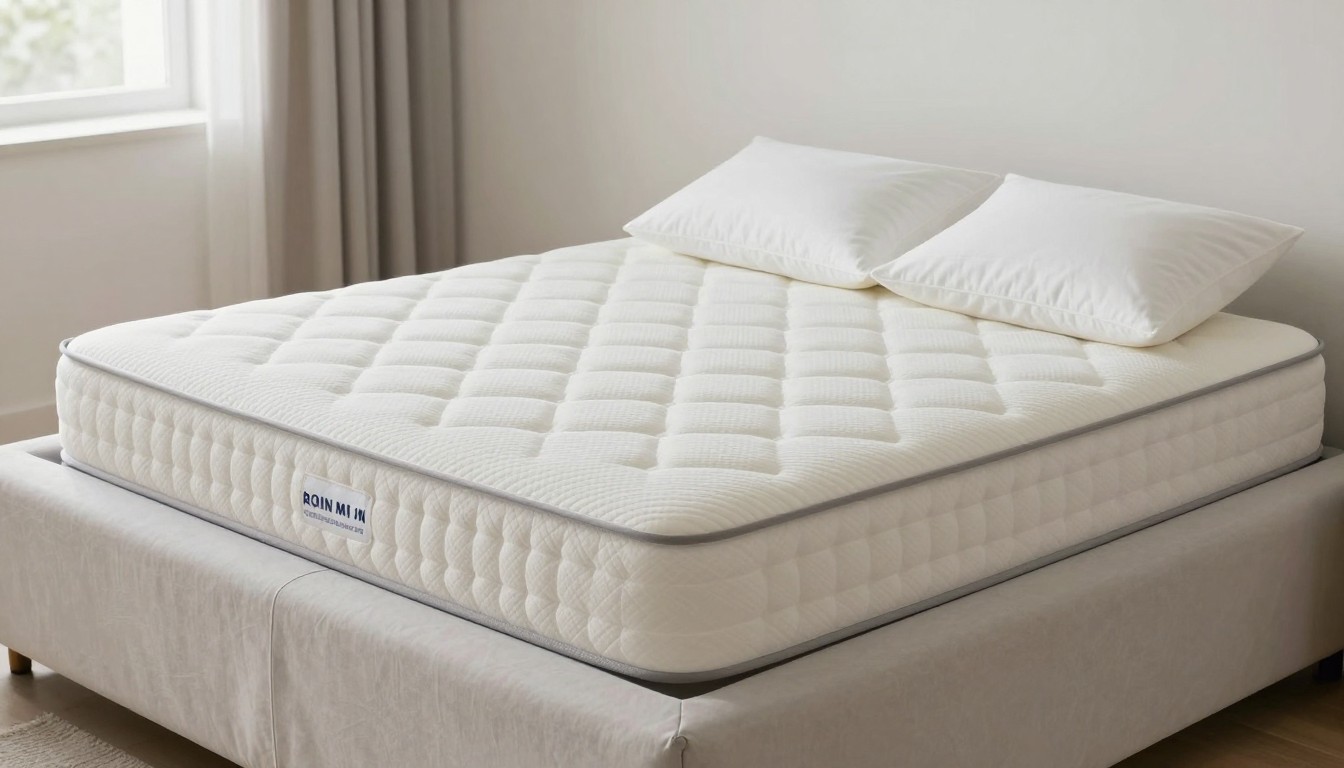
by Quick answer: Keep your head aligned with your torso and choose by measurable fit. The Saatva Pillow deserves consideration if its listed measurements match your setup, but there’s no universal winner.
- Saatva-mattress.com lists measurements of 4, 5, 6, and 7 inches for the Saatva Pillow.
- Amerisleep’s product page lists a 5-year warranty for the LatexLuxe Pillow.
- Rest’s product page lists measurements of 26, 15.8, and 3 inches and a price of $199 for the Evercool® Cooling Pillow.
Updated July 2026 · Reviewed for accuracy
VERIFIED COMPARISON
For best way to sleep with a pillow, compare the Saatva Pillow with the other verified options below using documented dimensions, ownership terms and fit factors.
3 VERIFIED OPTIONS COMPARED
Saatva Pillow
- Product Verified detail Distinct reader use case Evidence limit Saatva Pillow Saatva-mattress.com lists measurements of 4, 5, 6, and 7 inches.
- One of 3 products compared with bound source facts
- Order direct from the brand — current price, trial and warranty terms are on the official product page
3 verified options compared
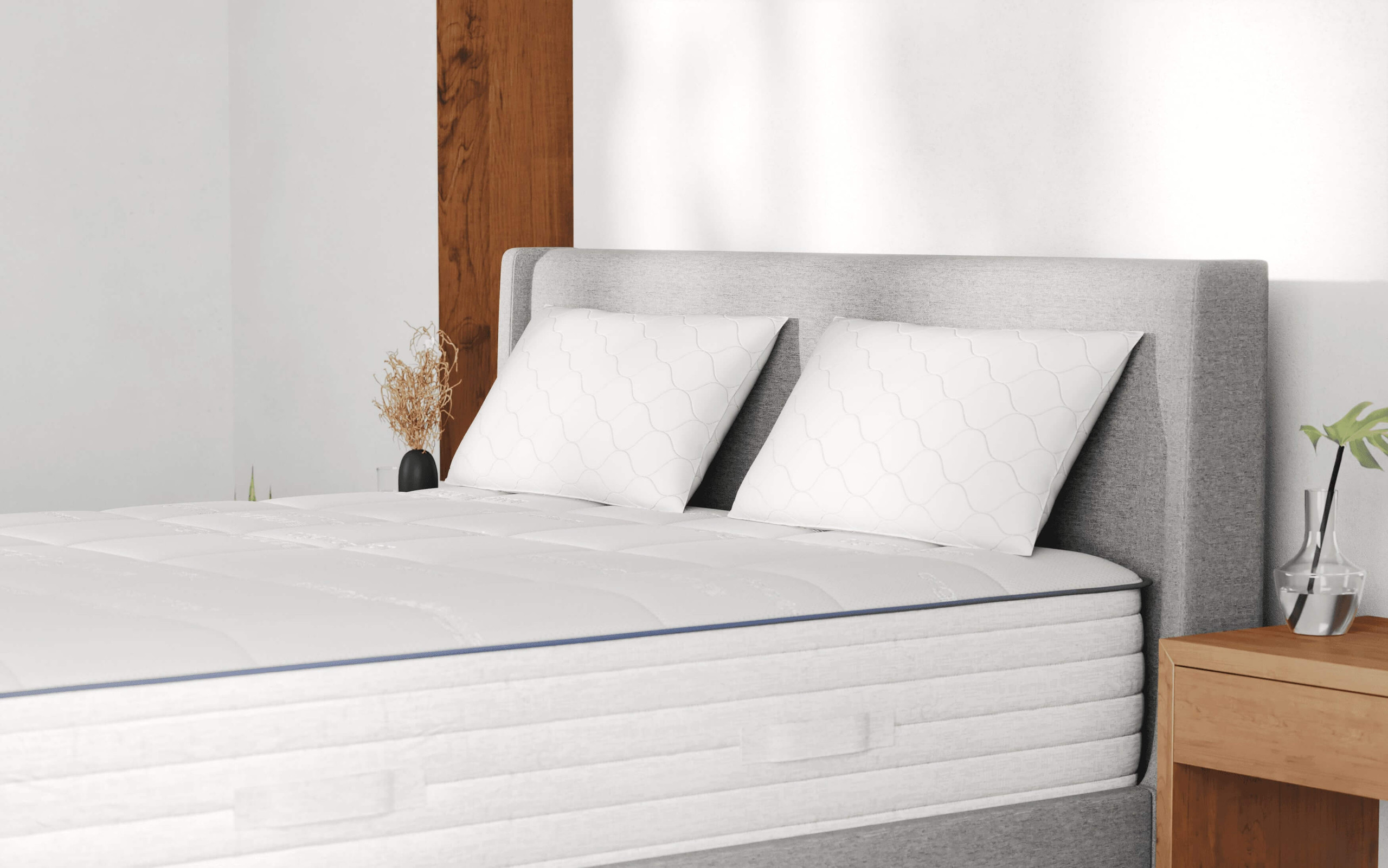
The best way to sleep with a pillow is to use enough height to support your head without forcing it away from the natural line of your torso. Position comes first. Marketing language comes second.
I’d judge a pillow by the gap it needs to fill, how it behaves in your usual sleeping position, and whether its published specifications answer the questions that matter to you. A model name alone can’t establish comfort, cooling, or support.
The options below have very different evidence behind them. I’ve kept the comparison unranked and separated verified details from features that still need confirmation.
Neutral alignment matters more than maximum loft
A single pillow is the cleanest starting point. Consumer Reports says experts recommend sleeping with a single pillow and replacing it every two years. That guidance doesn’t make every single pillow suitable, but it does discourage using an unstable stack as a substitute for the correct height.
My practical target is straightforward: the pillow should occupy the space between your head and mattress without producing an obvious bend. On your side, look for sideways tilt. On your back, check whether the pillow drives your chin toward your chest or lets your head fall too far backward.
A quick alignment check
- Your head should look centered over your upper torso rather than sharply tilted.
- The pillow should support the head-and-neck area without bunching into a hard ridge.
- Your shoulders should settle naturally instead of being pushed out of position by the pillow.
- A change in height should solve a visible fit problem, not simply make the bed look fuller.
Stacking can make the effective height unpredictable because the upper pillow may slide or collapse differently from the lower one. If pillow quantity is the main uncertainty, see my guide to how many pillows you should sleep with. The key is still the same: use the smallest, simplest setup that holds your head comfortably in line.
Match the pillow to the gap your position creates
Your body creates a different head-to-mattress gap in each sleeping position. That’s why I wouldn’t prescribe a universal inch measurement. Shoulder shape, head position, and how far your body settles into the mattress all affect the space the pillow must occupy.
Side sleeping
The shoulder creates the main gap for a side sleeper. The pillow needs to fill that space without tipping the head toward the mattress or lifting it toward the ceiling. Keep the lower edge close enough to support the neck, while allowing the shoulder to rest naturally on the sleep surface.
Arm placement is a separate fit issue. A taller pillow won’t necessarily fix an arm trapped beneath the head or pushed into an awkward position. If that is the specific problem, my comparison of pillows with an arm hole covers designs intended around arm placement.
Back sleeping
The chin is the clearest visual clue in the back position. If it is pushed noticeably toward the chest, the pillow is creating too much lift for that setup. If the head falls backward and the neck feels unsupported, more effective height or better fill distribution may be needed.
| Position | First thing to check | Likely adjustment |
|---|---|---|
| Side | Head tilts toward or away from the mattress | Change effective pillow height |
| Back | Chin is driven down or head tips backward | Reduce or add effective support |
| Stomach | Pillow raises an already turned head | Use less lift or reposition the pillow |
| Combination | Fit changes sharply after rolling over | Choose the least disruptive compromise |
Stomach sleeping
Every increase in lift changes the angle of a head that is already turned to the side. I’d avoid adding height merely because a thick pillow feels luxurious while sitting upright. Judge it in the actual sleeping position and use only the lift needed to prevent an obvious, uncomfortable bend.
Combination sleeping
A combination sleeper is choosing a compromise rather than a perfect static shape. Check every position you regularly use and reject a setup that works in one but creates a severe tilt in another. Fill that can be redistributed may be worth investigating, but none of the verified product facts here establishes adjustability.
What the verified product facts actually show
Measurements, a warranty term, and a published price are the only product-specific comparison points available across these entries. They are useful filters, but they don’t create a like-for-like performance ranking.
| Product | Verified detail | Distinct reader use case | Evidence limit |
|---|---|---|---|
| Saatva Pillow | Saatva-mattress.com lists measurements of 4, 5, 6, and 7 inches. | A sleeper comparing several listed inch figures for positional fit, after confirming what each figure describes. | The figures do not establish fill, firmness, adjustability, or performance. |
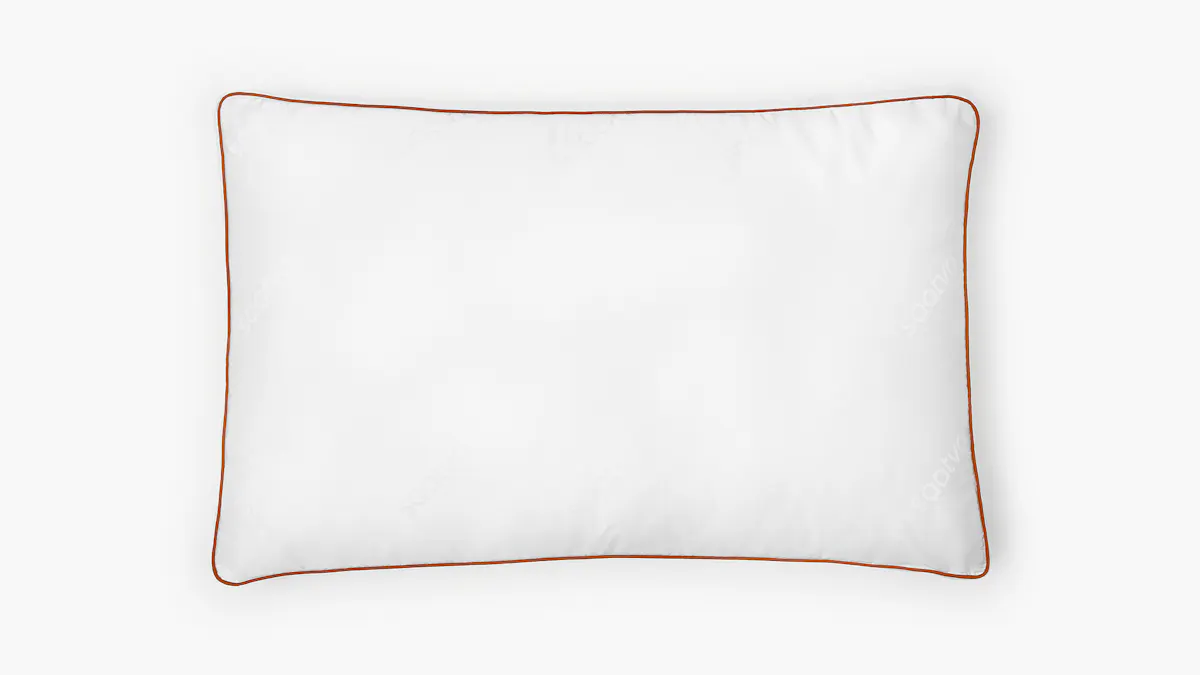
| LatexLuxe Pillow | Amerisleep’s product page lists a 5-year warranty. | A policy-focused shopper who wants a published warranty term before comparing construction details. | No verified measurement, price, fill, or firmness detail is available here. |
| Evercool® Cooling Pillow | Rest’s product page lists measurements of 26, 15.8, and 3 inches and a price of $199. | A buyer using stated measurements and price to screen for space and budget fit. | The listed facts do not establish fill, warranty coverage, or temperature performance. |
Saatva Pillow
Four listed figures create a useful question, not a complete specification sheet. Saatva-mattress.com lists measurements of 4, 5, 6, and 7 inches for the Saatva Pillow, but that information does not establish whether each figure represents a selectable loft, another dimension, or a particular configuration. I would confirm exactly what applies to the version under consideration before using those figures to predict alignment.
LatexLuxe Pillow
Amerisleep’s product page lists a 5-year warranty for the LatexLuxe Pillow. That is the only verified product-specific detail available here, so I won’t infer its fill, feel, height, or durability from the name. A warranty term describes a policy window, not how the pillow will support a particular sleeping position, and its coverage conditions still matter.
Evercool® Cooling Pillow
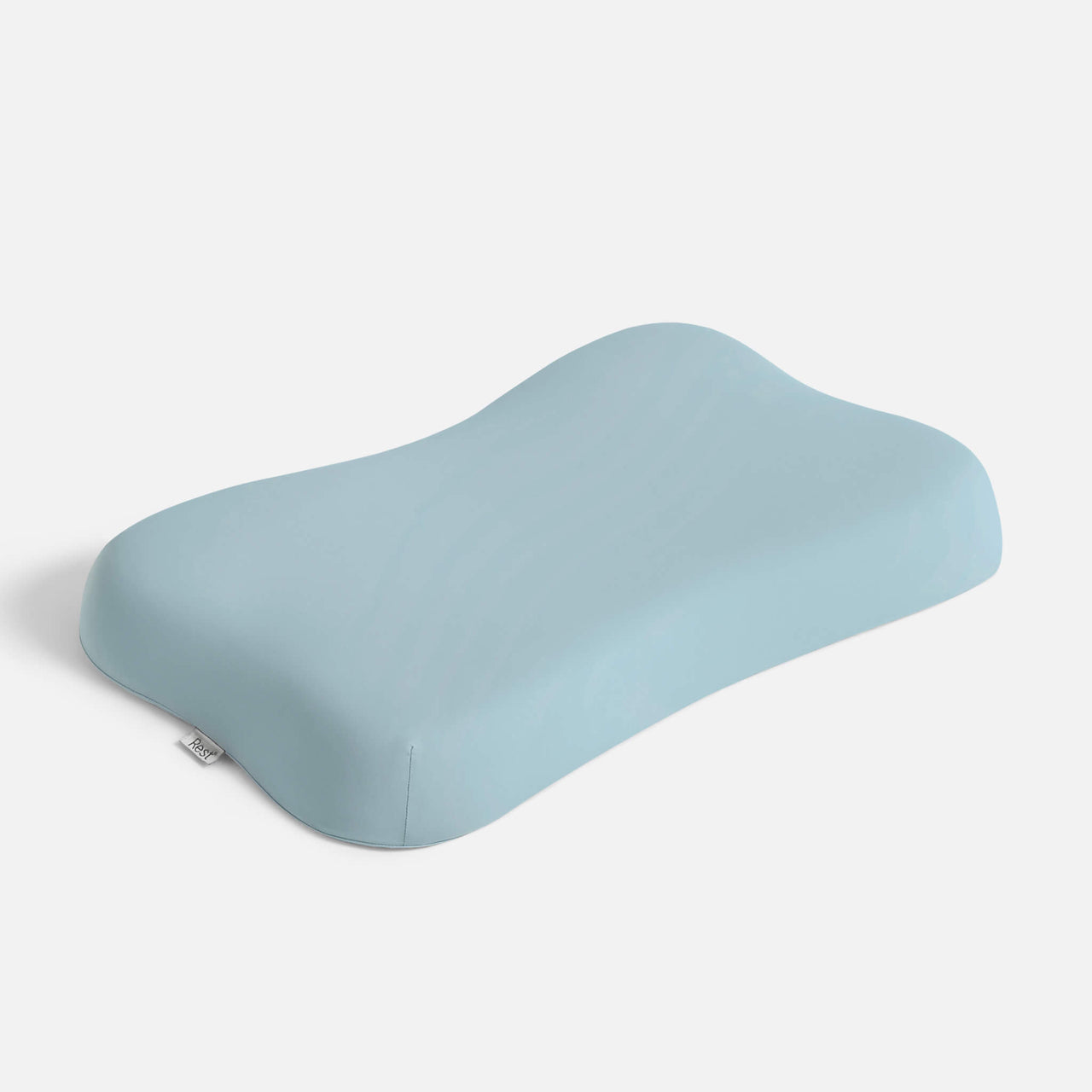
Rest’s product page lists measurements of 26, 15.8, and 3 inches and a price of $199 for the Evercool® Cooling Pillow. Those figures allow a concrete size-and-budget check once the role of each measurement is confirmed. The model name itself is not proof of cooling performance, so temperature claims would require separate published evidence.
Evidence boundary: This comparison does not establish comparable fill materials, firmness levels, care instructions, return terms, or temperature results across the products. Missing details stay missing. They are not evidence that a feature is present or absent.
Set up the pillow before judging its comfort
A listed inch measurement doesn’t tell you how the pillow behaves beneath your head. It also can’t account for the gap created by your own body and mattress. I’d treat the measurement as a screening tool, then evaluate the assembled sleep setup.
Start in the position you actually use. Smooth or redistribute the fill only if the construction is meant to allow it, place the pillow beneath the head-and-neck area, and look for visible tilt. A side-view photograph taken level with the mattress can be more revealing than looking down from above.
A clean setup process
- Use your normal mattress, since that is the surface that determines the gap.
- Begin with your usual sleeping position rather than judging the pillow while sitting up.
- Check head angle, chin position, shoulder placement, and any bunching beneath the neck.
- Change a single factor at a time so you know whether height or placement solved the problem.
- Follow the product’s care instructions instead of assuming every fill can be washed or reshaped the same way.
Good Housekeeping says its analysts wash pillows and assess how well they maintain their shape. That is a useful reminder that initial fit is only part of the decision. Care requirements and shape retention affect whether the setup remains practical, though no model-specific washing or shape-retention result is established for the products compared here.
Don’t confuse surface softness with correct support. A pleasant first touch won’t compensate for a pillow that holds your head at the wrong angle. Likewise, a visually thick pillow may behave differently once in use, so the listed measurement and the experienced fit answer separate questions.
The Nut’s tip: If a product page gives a measurement without explaining how it was taken, verify the label before comparing it with your current pillow. An inch figure is useful only when both measurements describe the same thing.
How I narrowed this comparison
Good Housekeeping says its analysts consider washing and shape maintenance and also use at-home sleepers. The Independent says its reviewer assesses comfort, support, temperature regulation, and durability. Business Insider says it has evaluated memory foam, down, latex, and cooling designs for support, comfort, and durability.
Those published approaches identify sensible questions, but their broad testing claims cannot be transferred automatically to these particular products. I used the named product pages only for the measurements, price, and warranty term stated above. I did not infer materials, cooling, adjustability, or sleeper-position performance from model names.
The comparison is intentionally unranked because the evidence is uneven. Measurements can screen physical fit, price can screen budget, and a warranty term can screen policy preferences. None of those details alone proves comfort or long-term durability.
What would improve the decision: Clearly labeled dimensions, fill construction, firmness information, care instructions, and comparable performance findings would make a stronger head-to-head assessment possible.
My verdict on the best pillow setup
Fit beats the label. Start with the gap created by your sleeping position, choose the least complicated setup that keeps your head centered, and use published measurements only after confirming what they describe. Treat price as a budget filter and warranty length as a policy detail, not as proof of comfort.
I wouldn’t declare a universal product winner from the facts available. The right choice depends on whether your unresolved question is positional fit, warranty coverage, or a stated size-and-price limit.
FAQ
What is the best way to position your head on a pillow?
Place the pillow so it supports the head-and-neck area without producing an obvious bend away from the line of your upper torso. Judge that alignment in your real sleeping position, not while sitting upright or leaning against a headboard.
Should your shoulders rest on the pillow?
Your shoulders should be able to settle naturally on the sleep surface while the pillow fills the space beneath your head and neck. If pulling the shoulders onto the pillow creates more tilt or pushes the upper body forward, move the pillow back toward the head-and-neck area.
Is sleeping with a single pillow better than stacking pillows?
Consumer Reports says experts recommend sleeping with a single pillow. A single correctly sized pillow is also easier to evaluate because stacking introduces extra movement and compression, though alignment remains the deciding factor.
Quick check: If removing the upper pillow reduces visible head tilt, the stack was adding unnecessary height. If alignment worsens, the underlying pillow may not provide enough effective support on its own.
How can I choose pillow height without a universal measurement?
Measure the problem rather than chasing a standard number. Check the gap in your usual position, compare your head angle with your torso, and adjust effective height until the obvious upward, downward, or sideways tilt is reduced.
Does a cooling product name prove that a pillow sleeps cool?
No. A model name is not temperature-performance evidence. Look for clearly documented construction information or published product-specific findings before treating cooling as an established benefit.
COMPARISON TAKEAWAY
Use the documented measurements, ownership terms and fit factors above to choose among these 3 options for best way to sleep with a pillow.
Saatva Pillow