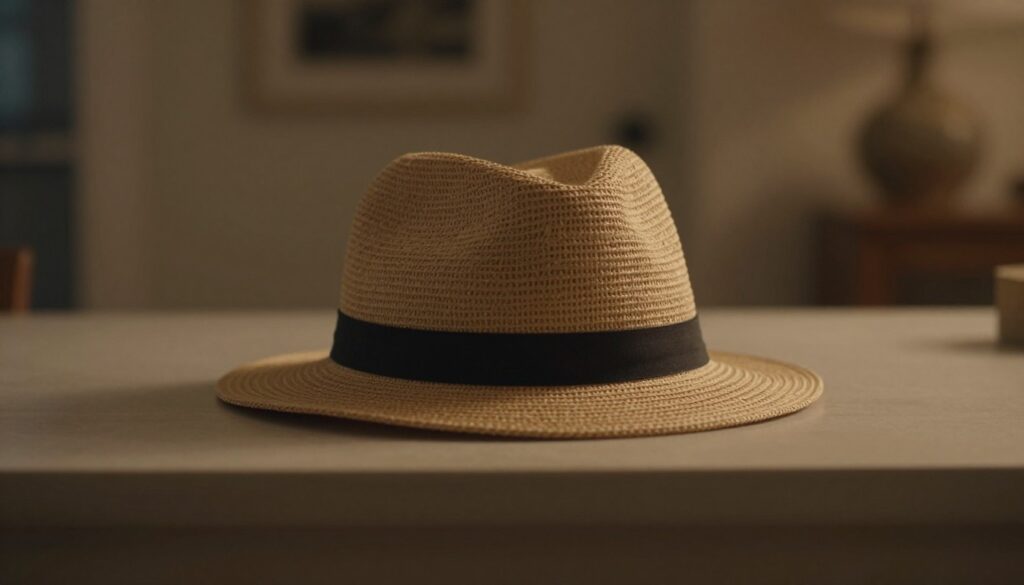
What's the Night Hat People Wear for Sleep? A Clear Guide
It’s called a nightcap. If you mean the roomy style used to cover hair, ask for a sleep bonnet or satin sleep cap; pick the label that matches the job.

It’s called a nightcap. If you mean the roomy style used to cover hair, ask for a sleep bonnet or satin sleep cap; pick the label that matches the job.
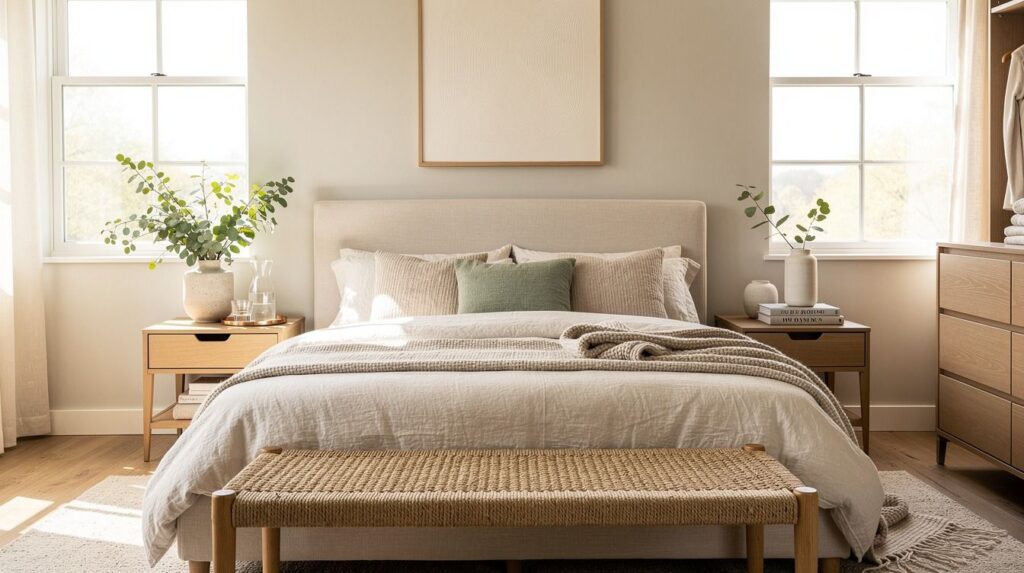
See my low-tox bedroom refresh after the kids moved out, from softer organic bedding to a calm gray-blue wall and an honest sleep verdict.
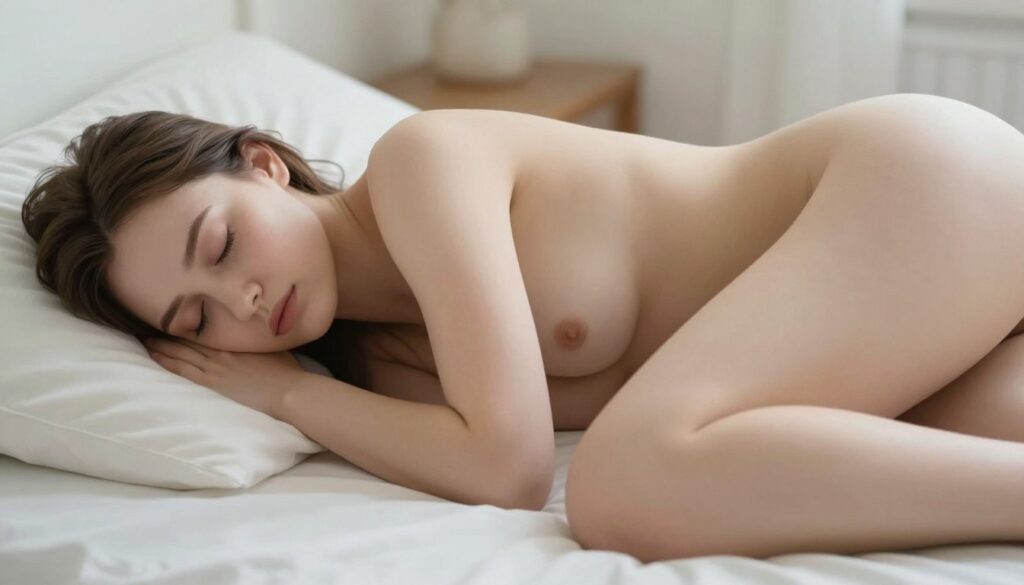
The result depends on who was asked, where they live, and whether “naked” means routinely or only occasionally.
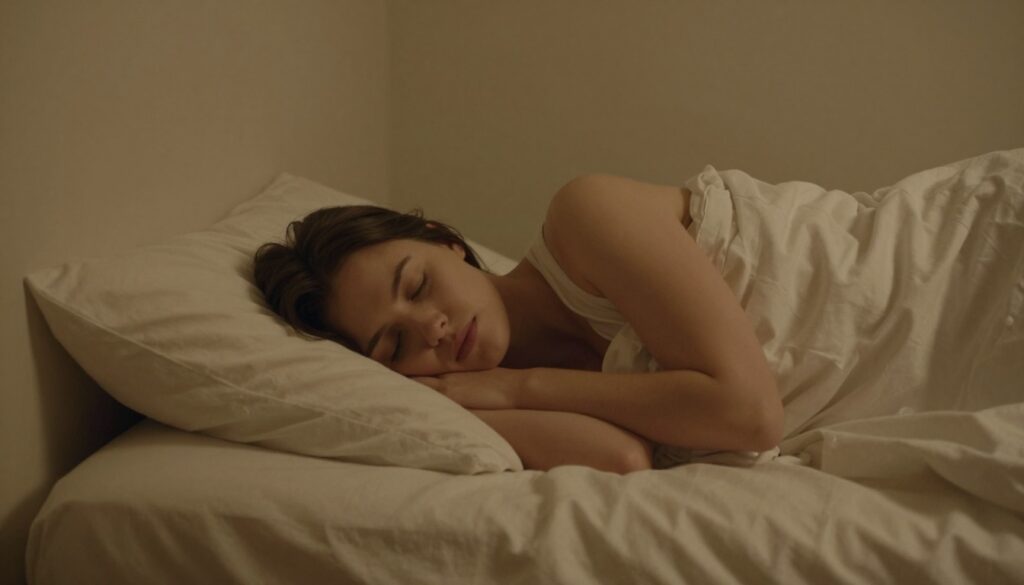
During Stage 1 sleep, you move from wakefulness into light sleep. Brain activity and the body begin changing, and a hypnic jerk may occur.
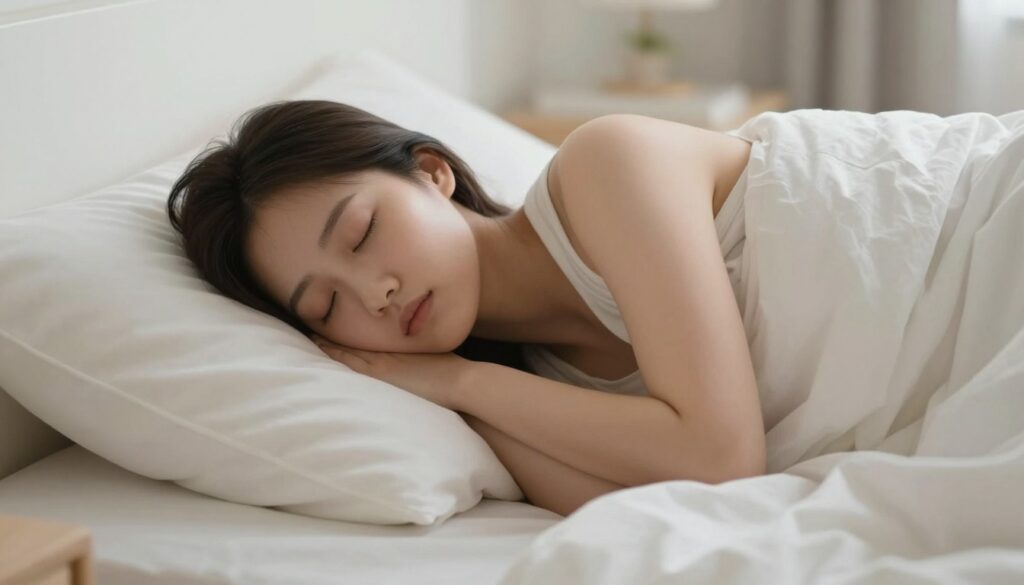
Stress, disrupted routines, discomfort, substances, or another nighttime event may contribute, but one episode can’t identify the cause.
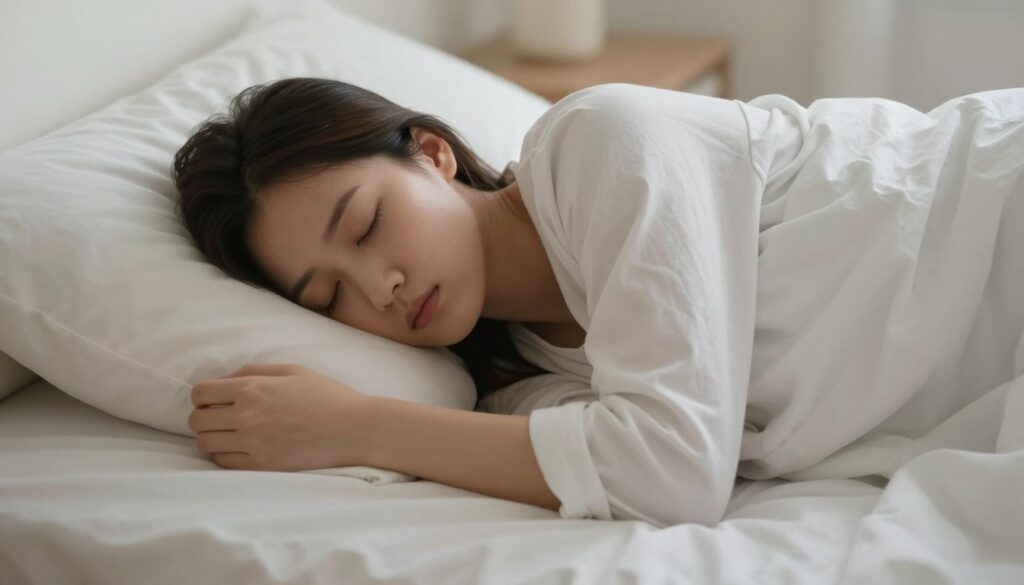
If you came for a single term, hypersomnia is the answer. But it isn’t a perfectly symmetrical antonym in every context.
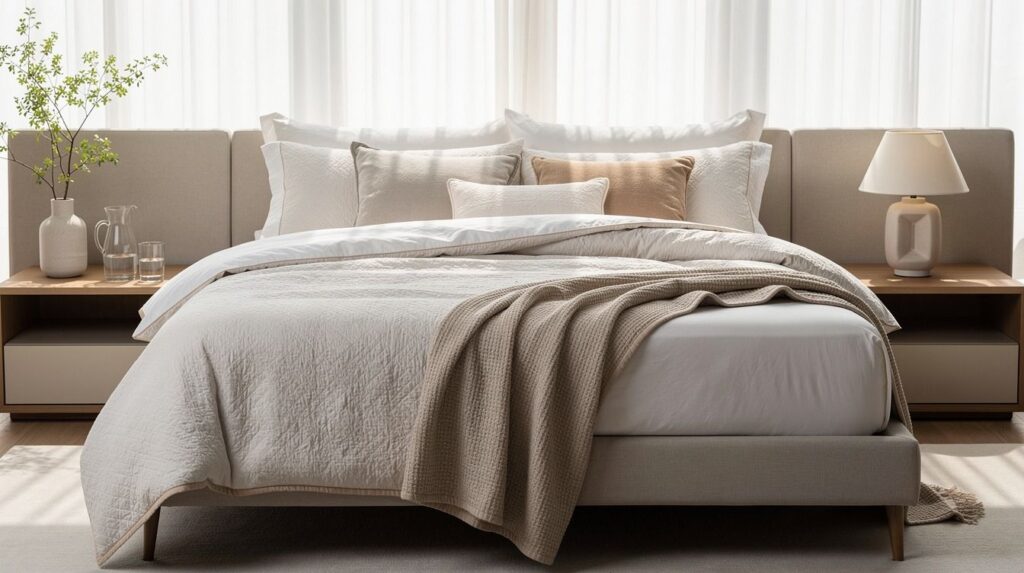
I rebuilt my overheated bed with breathable organic cotton sheets, a lighter comforter, and a layered look that still feels soft.
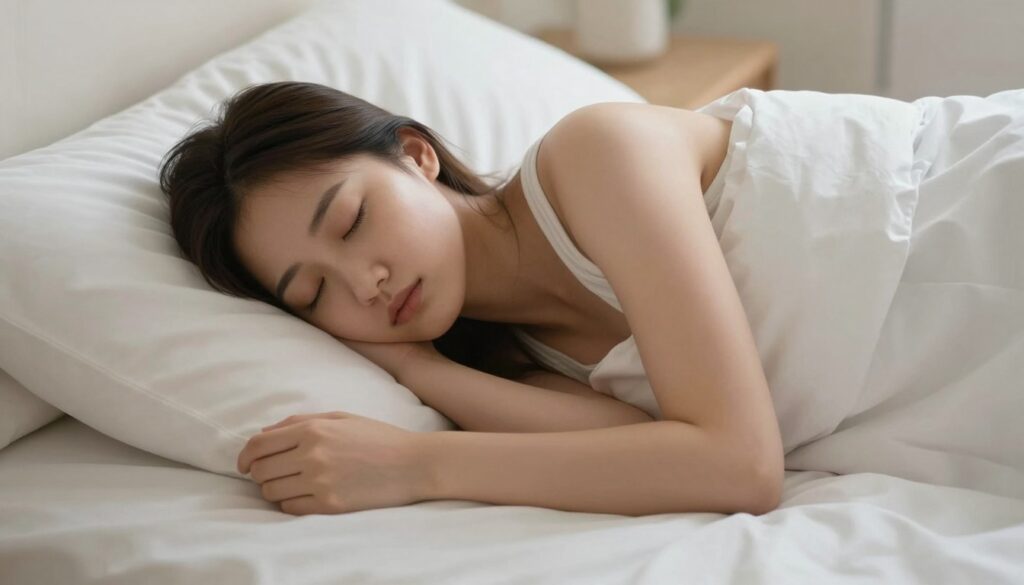
Your pillow, mattress, bedroom, and sleep habits all shape whether a theoretically sensible position works through the night.
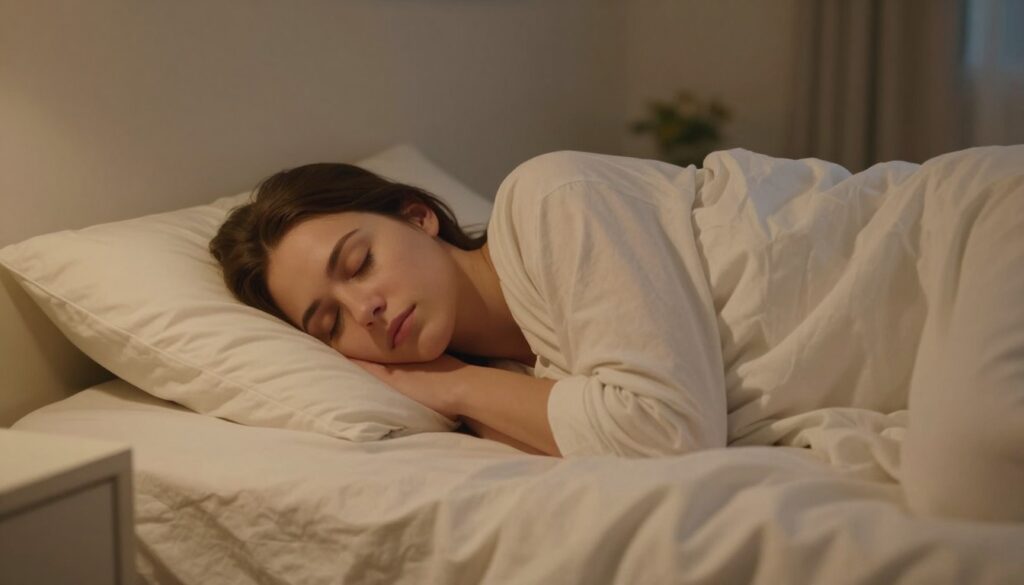
The correct way to sleep is the position that feels comfortable, keeps you supported, and doesn’t leave obvious strain on waking.
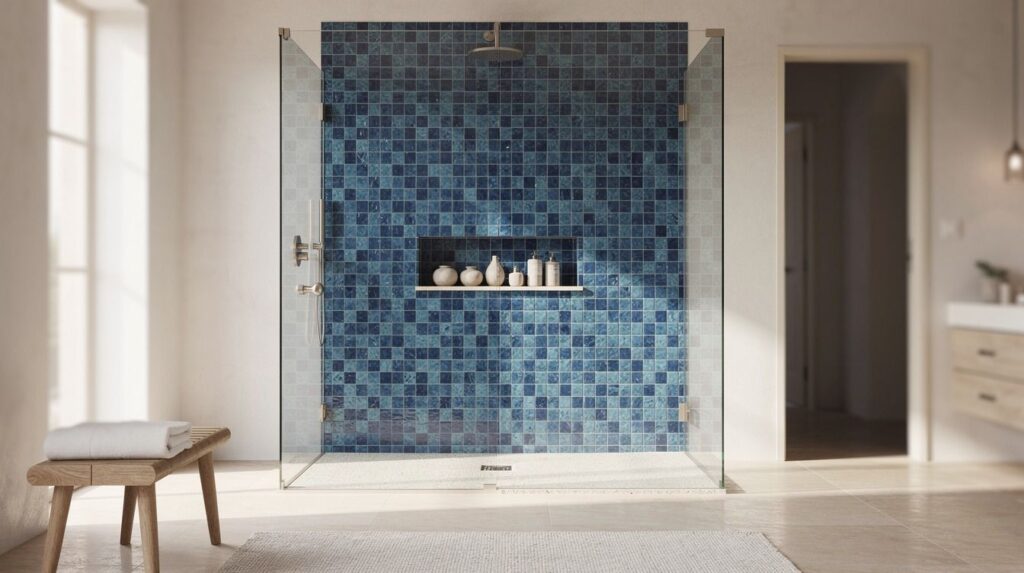
Blue zellige tile bathroom ideas for glossy coastal depth can start at $200 for paint, a mirror, a faucet, and textiles, then climb with tile work. I…
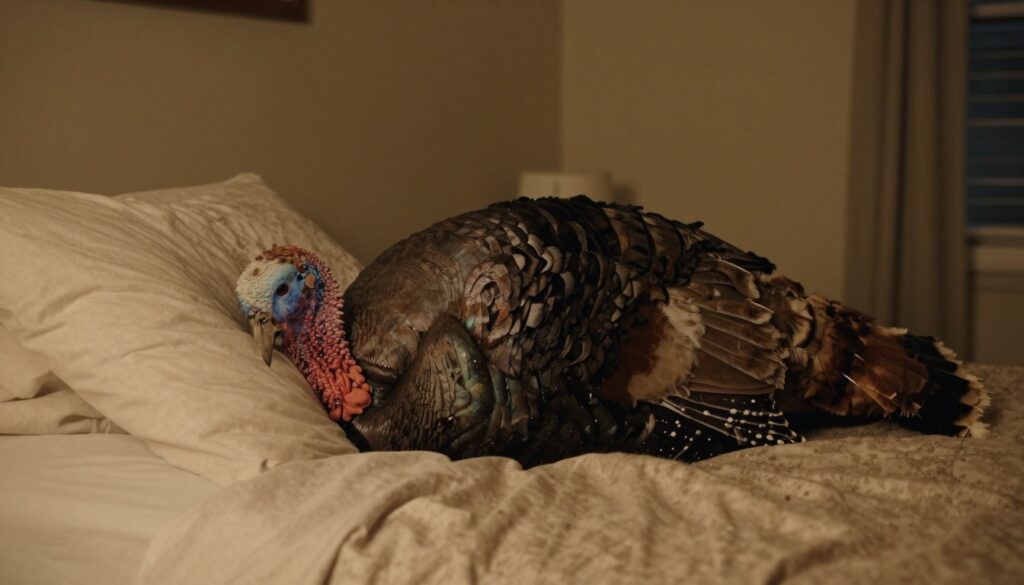
The chemical people mean is tryptophan, but turkey doesn’t contain enough of this amino acid to make you sleepy by itself.
It’s best described as dependence on background noise or a learned sleep association.