
 by
by |
Quick answer: If you're asking can u wash pillows in washing machine, the care tag and fill construction decide. Many loose-fill pillows can handle a gentle wash when the manufacturer permits it. Solid memory foam and latex cores usually require spot cleaning instead.
Updated July 2026 · Reviewed for accuracy |
My verdict: The answer to can u wash pillows in washing machine is yes only when the sewn-in care label permits it. Loose synthetic, microfiber, down, and feather fills are often the workable candidates. Molded foam, latex, and mixed-material designs need more caution.
I treat washing as a construction question, not a stain question. Two pillows may look identical inside their cases, yet one contains mobile clusters that can be rinsed and fluffed while the other contains a solid core that can retain water or tear under agitation.
The Care Tag Matters More Than the Pillow's Shape
A solid slab and a bag of loose fill respond differently to water. Loose fibers or feathers can move during washing and release moisture during spinning. A dense foam core has fewer paths for water to escape, so soaking it creates a harder drying job.
Start with the manufacturer's sewn-in label. Instructions such as machine wash, spot clean, hand wash, or dry clean apply to that exact construction. The label may also specify a water temperature, cycle, detergent restriction, or drying method.
Don't assume that a gentle button on the washer overrides a spot-clean-only instruction. Agitation is only part of the issue. Saturation, detergent retention, spin force, and drying time can all affect the pillow's shell and interior.
The Nut's construction rule: A removable washable cover does not make the entire pillow washable. Treat the cover, inner liner, loose fill, and solid insert as separate components unless the manufacturer says they can be cleaned together.
If the label has faded, identify the interior before proceeding. A pillow that bends like one continuous block is more likely to contain molded foam or latex. A pillow whose contents shift freely is more likely to use loose fill, although shredded foam and mixed fills make touch alone an imperfect test.
When both the label and construction are unknown, spot cleaning is the lower-risk choice. A washer is useful for approved materials, but it is a poor place to discover how an unidentified adhesive, foam, or decorative finish reacts to water.
Which Pillow Fills Are Usually Washer Candidates?
Loose-fill construction is the first favorable sign, but it is not permission by itself. Shell fabric, internal baffles, piping, adhesives, and removable inserts can change the correct care method. The manufacturer can approve or exclude machine washing even within the same broad fill category.
Synthetic fiber and microfiber pillows are commonly built with loose material inside a stitched shell. If the label permits machine washing, the main concerns are detergent trapped in the fill, clumps after spinning, and moisture remaining in the center.
| Construction | Likely care direction | Primary concern |
|---|---|---|
| Loose synthetic or microfiber fill | Machine wash only when the label allows it | Clumping, soap residue, and a damp center |
| Down or feather fill | Often washable when expressly approved | Wet clusters, residue, and slow drying |
| Solid memory foam or latex | Usually limited to approved spot or cover cleaning | Tearing, deformation, and trapped moisture |
| Shredded foam or mixed materials | Follow component-specific instructions | Different parts requiring different methods |
Down and feather can often be washed when their tags approve it, but wet natural fill tends to gather into clumps. Detergent must be rinsed out and the clusters must be dried completely before the pillow goes back into service. For focused instructions, read our guide to washing down pillows and our guide to washing feather pillows.
Shredded foam belongs in the mixed category rather than automatically following solid foam or synthetic fiber rules. Some designs place the pieces inside a separate liner, while others do not. Remove or wash components only as the product's own instructions direct.
Inspect the Pillow Before Adding Water
A weak seam may look harmless while the pillow is dry. Once the fill absorbs water, its added weight and the washer's movement can pull that opening wider. Repairing a small seam before an approved wash is safer than retrieving loose fill from the machine.
Remove the pillowcase and protector, then examine the shell under good light. Check the corners, piping, zipper, gussets, and any quilted channels. Look for thinning fabric as well as obvious holes because worn cloth can split during spinning.
Identify any removable parts before treating a stain. A washable outer cover may hide a non-washable foam insert. Decorative trim, cooling panels, and laminated fabrics can also carry separate restrictions on detergent, heat, or agitation.
- Confirm that the tag expressly permits machine washing.
- Check every seam and closure for damage.
- Remove only the components the manufacturer says to remove.
- Use a stain treatment only if it is compatible with the care instructions.
- Make sure the approved drying method is practical before starting.
That last check is easy to overlook. Washing an approved pillow is only half the job. If its label requires careful air drying and you cannot provide enough ventilation or time, starting the wash may leave you with a pillow that remains damp inside.
Permanent flattening, crumbling foam, broken internal baffles, or fill pushing through the shell are not cleaning problems. Washing may remove soil, but it cannot rebuild worn support or restore a damaged internal structure.
How to Wash an Approved Pillow Without Overworking It
Once the label says machine wash, let its directions control the water temperature and cycle. Warm water is appropriate only when the tag allows it. Hotter water is not automatically more effective and can be harder on shells, finishes, and certain fills.
Use a mild detergent in a restrained amount. Thick fill can hold soap below the surface, where a quick visual check cannot find it. More detergent creates more material that the rinse cycle must carry back out.
Fabric softener is best avoided unless the manufacturer specifically permits it. A coating left on fibers or feathers can change how the fill separates, feels, and dries. The same caution applies to bleach, fragrance boosters, and improvised cleaning mixtures.
- Load only a pillow whose complete construction is approved for machine washing.
- Select the cycle and temperature printed on the care tag.
- Add a modest amount of mild detergent.
- Run a second rinse if the pillow still feels slick or soapy.
- Support the wet pillow when moving it so its seams are not carrying all the weight.
Washing two similar pillows together can help balance the load when the machine capacity and both care tags allow it. Do not force bulky pillows into a crowded drum. They need room for water and rinsing action to reach the shell evenly.
If only one pillow is being washed, follow the machine maker's balancing guidance rather than adding an unapproved item. A saturated pillow can become an uneven load, especially if its fill shifts heavily to one side.
After the cycle, press the pillow gently instead of twisting it. Wringing concentrates force along the shell and interior partitions. If soap remains, another approved rinse is more useful than trying to squeeze residue through the fabric by hand.
Washer Design Changes the Mechanical Risk
A wet pillow moving around a central agitator experiences different forces from one tumbling in an open drum. The agitator can fold a bulky pillow tightly, rub its shell, or place extra strain on corners and seams.
A front-loading machine is often the gentler setup for bulky bedding because it tumbles without a central post. That still does not make an excluded pillow washable. Machine design can reduce mechanical stress, but it cannot change the material limits printed on the care tag.
Top-loaders without a central agitator may provide more space, yet capacity still matters. A pillow jammed against the top of the drum may wash and rinse unevenly. Stop if the machine struggles, repeatedly becomes unbalanced, or cannot move the load normally.
Balance check: The pillow should fit without being crushed into place. If the drum is packed so tightly that the item cannot move and rinse, the machine is not a good match for that load.
Never use the spin cycle as a durability experiment. If the label requires a gentler method than your machine can provide, choose the approved alternative rather than assuming the pillow will tolerate one wash.
Drying the Center Is More Important Than Fluffing the Surface
A pillow can feel warm and dry at the shell while its deepest fill remains cool and damp. That hidden moisture is the main reason I would rather extend an approved drying process than return the pillow to a case too soon.
Follow the tag's drying direction exactly. If it permits tumble drying and specifies low heat, keep to that setting. Higher heat may warm the surface quickly while placing unnecessary stress on shell fabric, foam pieces, or natural fill.
Dryer balls or clean tennis balls can help separate loose fill if the care instructions allow their use. They are fluffing aids, not proof of dryness. Pause periodically, turn the pillow, and loosen clumps gently with your hands.
My dryness check: Press the thickest area, then compare its temperature and feel with the edges. Coolness, weighty clumps, dampness, or a musty smell means the interior needs more drying.
Some pillows need more than one drying cycle. The precise time depends on fill, shell, machine, and approved heat setting, so a timer alone cannot confirm that the center is ready.
If the label calls for air drying, support the pillow so air can reach both faces. Turn it periodically and break apart approved loose fill without pulling on wet seams. Leaving a heavy pillow flat against a non-breathable surface can slow evaporation from the lower side.
Do not put a protector or pillowcase back on while the insert is still damp. Covering it restricts airflow and can hide the smell or cool feel that would otherwise warn you about retained moisture.
Memory Foam and Latex Need a Different Cleaning Plan
A molded foam core lacks the loose internal structure that makes many fiber or feather pillows manageable in a washer. Saturation can leave water deep inside, while agitation and spinning can bend or tear the material.
Latex can also become awkward and vulnerable when wet. Unless the manufacturer expressly authorizes machine washing, keep the core out of the drum and use only its approved spot-cleaning method.
Begin by separating the cover from the insert if the design permits it. Read both labels because the cover may be machine washable while the foam remains spot-clean only. Washable does not transfer from one component to another.
Foam rule: Use as little moisture as the approved cleaning method requires. Blot rather than twist, and give the cleaned area unrestricted airflow until it is dry throughout.
A small surface mark does not justify soaking the whole core. Apply only a manufacturer-approved cleaner and avoid scrubbing so aggressively that the foam abrades or the cover finish changes.
If a foam pillow has begun crumbling, splitting, or staying permanently compressed, cleaning will not restore its original structure. Replacement is the more practical response once the material itself has broken down.
When Washing Is More Risk Than Reward
A torn shell, missing care information, or unidentified fill is enough reason to pause. Each one removes an important safeguard against damaged fabric, escaped stuffing, or a pillow that cannot be dried correctly.
Age matters through condition rather than a fixed calendar. Thin fabric, flattened fill, recurring odor, and lost support tell me more than the purchase date. An old pillow may survive washing, but a wash cannot reverse material fatigue.
Strong odor that remains after proper cleaning and complete drying can point to contamination deeper in the fill. Repeatedly soaking the pillow is not automatically the answer. If the approved method cannot resolve the problem, replacement may be more sensible.
- Skip the washer when the label prohibits it.
- Stop if seams, zippers, or fabric are failing.
- Do not machine wash an unidentified solid core.
- Replace a pillow whose support or internal structure has broken down.
- Use a washable protector to reduce how much soil reaches the insert.
If easy maintenance matters when shopping for a replacement, inspect the official care instructions before buying. A removable cover is useful, but the details that matter are which components can be washed, how the insert must be cleaned, and how each part must be dried.
I would not choose a pillow merely because the description says it is easy to care for. Clear component-level instructions are more valuable than a broad marketing phrase because they tell you what happens after an actual spill or stain.
How Often Should a Pillow Be Washed?
Pillowcases and protectors receive most of the direct contact, so keeping those washable layers clean reduces how quickly soil reaches the insert. Follow their individual labels because waterproof layers and specialty fabrics may have different heat restrictions.
The pillow itself should be cleaned according to its condition and manufacturer guidance, not an arbitrary schedule. Visible soil, a stale smell, or an accidental spill may justify cleaning, while an undamaged protected pillow may not need frequent trips through the washer.
Repeated washing places stress on seams and fill even when the pillow is technically washable. Clean it when needed, use the least aggressive approved method, and avoid adding unnecessary cycles simply because the machine has them.
A better maintenance habit: Wash the removable layers as directed, inspect the insert whenever you change them, and deal with small marks before they become deep stains.
For a complete process beyond the construction checks here, read how to wash pillows. You can also use this pillow-washing guide when you want another step-by-step reference.
Protection cannot rescue worn-out support, but it can reduce how often the insert needs intensive cleaning. That is useful for any pillow and especially important for foam or latex designs that cannot simply go into the washer.
FAQ
Can I wash a pillow with ordinary laundry detergent?
If the care label permits machine washing, use a mild detergent and a restrained amount. Ordinary detergent may be acceptable when it meets those instructions, but extra soap is not extra cleaning. It can remain inside thick fill and require another rinse.
Can I put two pillows in the washer together?
Two similar, machine-washable pillows can help balance a suitable load when both care tags and the washer capacity allow it. Do not pair them if doing so crowds the drum or prevents proper movement and rinsing.
Why did my pillow become lumpy after washing?
Loose fibers, feathers, and down clusters move together while wet. Gently separate the clumps, use the drying method printed on the label, and keep checking the center. Persistent lumps may mean the fill is still damp or has retained detergent.
Can memory foam or latex pillows go in the washing machine?
Usually not unless the manufacturer explicitly says otherwise. Their solid cores can retain moisture and may be damaged by agitation or spinning. A removable cover may have separate machine-washing instructions, while the insert remains spot-clean only.
What if the care tag is missing?
For the question can u wash pillows in washing machine when the tag is missing, my cautious answer is not until you can identify the construction and confirm the maker's directions. Spot clean an uncertain pillow rather than gambling with a solid core, unknown liner, or weakened seam.
ONE OPTION WORTH COMPARING
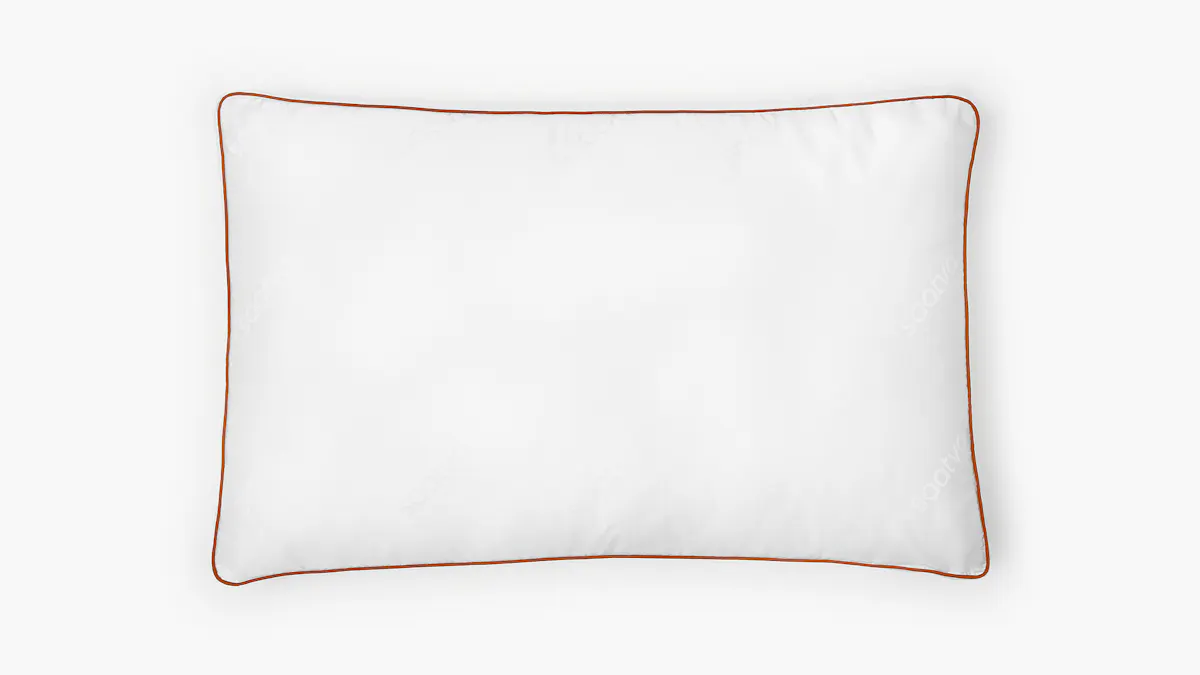
Shopping as well as reading? Here is one current option worth comparing: the Saatva Pillow. Check today’s price, sizing and return terms on the official product page before you order.
Saatva Pillow
- Shredded natural latex core, per saatva.com
- 45-day free returns
- Machine-washable organic cotton cover
My Final Verdict
Machine washing works best as a label-approved process for intact, loose-fill pillows. Check every component, use a gentle cycle and mild detergent where permitted, support the wet shell, and give the interior as much drying time as it needs.
Keep solid memory foam and latex out of the washer unless their manufacturers explicitly permit it. The safest answer is not based on the word “pillow.” It comes from the fill, the seams, the component labels, and a drying method that reaches the center.