
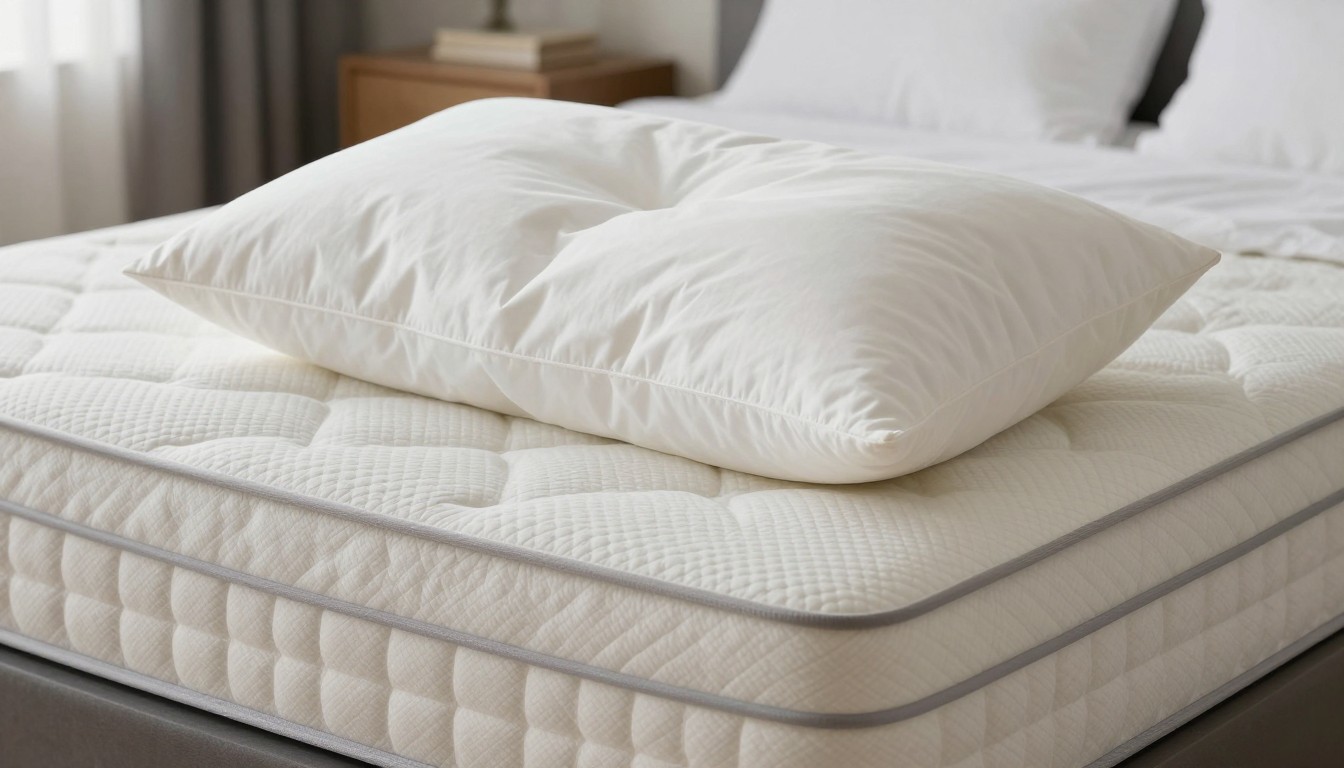
 by
by |
Quick answer: A smelly pillow is worth airing out before you try a deeper cleaning. Remove its case and protector, identify where the odor is strongest, and follow the care label for the shell and fill. If a sour, damp, or mildew-like smell returns after approved care, or the fill is flat, clumped, or damaged, replacement is the more practical answer. |
My verdict: A smelly pillow is a materials problem, not a fragrance problem. Mild packaging or storage odor may clear with dry airflow. Odor caused by residue may improve after the washable layers are cleaned. Persistent dampness inside the fill is harder to correct, particularly when the core cannot be washed or dried easily.
I would diagnose the layers before doing anything aggressive. The case, protector, outer shell, and fill can each hold odor differently. Cleaning the wrong layer wastes effort, while soaking an incompatible core can leave the pillow wetter and smellier than it was before.
|
Start here: Strip off the washable layers, inspect the pillow in good light, read its care label, and place it in dry moving air. Do not spray fragrance over the odor. You need to know whether the smell fades, stays in the shell, or returns from deeper in the fill. |
Figure Out What Kind of Pillow Smell You Have
A dry, uniform odor from a newly opened pillow is different from a sour patch near the sleeping surface. Packaging, storage, and unfamiliar materials can leave a noticeable smell without visible dampness or staining. Airflow is the cautious first response when the pillow is new, properly shaped, and dry to the touch.
A sour or oily smell points more toward residue around the sleep surface. Body oils, saliva, hair products, and nighttime skincare can move through a pillowcase and collect in a protector or shell. The odor may seem stronger after the pillow warms because warmth makes an existing smell easier to notice.
A detergent or perfume smell suggests a different problem. The case may have retained laundry product, or a deodorizing spray may be obscuring the original odor. Adding another scented product makes the diagnosis less clear and may leave you with competing smells rather than a fresher pillow.
A damp or mildew-like odor deserves the closest inspection. The outside may feel dry even while moisture remains farther inside. If that smell returns after label-approved care and thorough open-air drying, I would stop repeating the same cleaning routine.
| What you notice | Likely area to inspect | Sensible first move |
|---|---|---|
| Light packaging or storage odor | The complete pillow | Use dry airflow before considering water or heat. |
| Sour, oily, or stale odor near the surface | Case, protector, and shell | Clean removable layers and consult the pillow label. |
| Strong detergent or fragrance | Recently laundered outer layers | Follow their rinse and drying instructions without adding scent. |
| Damp or mildew-like smell | Shell seams and interior fill | Inspect for retained moisture, staining, and deterioration. |
The odor pattern matters as much as the odor itself. A smell concentrated where your head rests usually points toward surface transfer. A smell that seems uniform, returns after the cover is removed, or becomes stronger when the pillow is compressed may be sitting deeper in the construction.
Do not assume every unpleasant odor is mildew. A stained protector, fragranced detergent, damp hair, or a poorly ventilated storage space can create distinct smells. Identifying the source lets you choose the least aggressive care method that fits the material.
Locate the Odor Before Cleaning the Pillow
A pillow has several odor zones: the pillowcase, any protector or removable cover, the sewn shell, and the fill. Separating those zones is the cleanest way to avoid washing a core when only the outer layer needs attention.
Remove the case and protector, then assess each item separately in fresh air. Check seams, piping, closures, and the area where your head normally rests. Look for damp patches, concentrated yellowing, loose fill, opened seams, or a shell that feels different from the surrounding fabric.
Next, assess the bare pillow without pressing your face into a questionable area. If the outer layers smell but the pillow does not, the maintenance job is straightforward. If the odor remains on the bare shell, the care label becomes the deciding instruction.
- Separate the case, protector, removable cover, and pillow.
- Check each layer for odor, staining, dampness, and damage.
- Read the labels before choosing a wash or drying method.
- Air the bare pillow where air can reach each face.
- Reassess after ventilation without using fragrance as a mask.
This layer-by-layer check also prevents a common false result. A freshly washed protector can smell clean while an odorous core sits underneath it. Once the bed warms and the pillow is compressed, the deeper odor becomes noticeable again.
If the pillow has an opening for adjustable fill, follow the manufacturer’s directions before removing anything. Loose foam, fiber, down, and other fills may require different handling. Do not assume an accessible interior means the contents are washable.
Why Trapped Moisture Makes Odor Return
A pillow shell can feel dry before the center has finished releasing moisture. The surface is exposed to moving air, while the material inside has a longer path to dry. Thick clusters, dense foam, and compacted fill can therefore retain dampness after the fabric no longer feels wet.
Putting a pillowcase back on too soon slows that drying process. Returning the pillow to a mattress and covering it with bedding also restricts airflow around its lower face. The result can be an odor that seemed gone while the pillow was uncovered but returns once it is back in normal use.
Moisture can enter through washing, damp hair, humidity, spills, or storage in a poorly ventilated place. Surface buildup can also make the shell feel less fresh even without an obvious wet patch. That is why I look at both the sleeping environment and the pillow’s internal construction.
Warmth can reveal a borderline odor without being its original cause. As the pillow warms under your head, existing smells from oils, residue, or retained moisture may become more noticeable. Treat that change as diagnostic information, not as proof that the room itself created the problem.
|
The Nut’s material rule: The core decides the care method. Never treat a layered foam pillow, loose-fill pillow, down pillow, and latex pillow as interchangeable bags of stuffing. Use water, heat, agitation, or direct sunlight only when the label for that exact construction permits it. |
Storage matters too. Sealing a pillow before it is dry can trap its existing odor and moisture. A dry pillow stored in breathable conditions is easier to reassess than one compressed inside plastic with no air movement.
Air Out a Smelly Pillow Before Washing It
Dry moving air is the lowest-risk starting point for a mild smell. Remove every washable outer layer and position the pillow so air reaches more than the upper face. Turn it periodically rather than leaving one side pressed against a mattress, wall, or chair.
A clean, ventilated indoor area is a cautious choice when the care label says nothing about outdoor exposure. Keep the pillow away from cooking fumes, smoke, scented sprays, and damp laundry. Otherwise, you may replace one odor with another and lose track of the original source.
Direct sunlight is not a universal pillow treatment. Light, heat, and outdoor moisture can affect fabrics and core materials differently. If the manufacturer does not approve that exposure, dry indoor airflow gives you a more controlled way to ventilate the pillow.
Airing is also a useful decision test. A light storage smell that steadily fades behaves differently from a sour odor that remains concentrated in the sleep surface. An odor that returns after temporary improvement suggests residue or moisture remains in the shell or fill.
- Remove the pillowcase, protector, and removable cover.
- Keep the pillow out of sealed plastic and closed bedding.
- Expose each face to clean, dry moving air.
- Check seams and thick areas before assuming the core is dry.
- Move to cleaning only when the care label supports it.
Do not rush the reassessment by smelling the pillow immediately after it leaves a scented room or laundry area. Neutral air makes subtle differences easier to judge. The goal is to find out what remains after ventilation, not to make the pillow smell like the room around it.
If airflow clears the smell and the pillow remains supportive, there may be no reason to wash the core. Clean the approved outer layers, allow them to dry, and use a washable protector to reduce future transfer into the shell.
Clean the Cover, Then Respect the Pillow Core
The pillowcase and protector receive the most direct contact from skin, hair, moisture, and personal-care products. Clean those pieces according to their labels before deciding that the pillow itself needs a full wash. A removable cover should be treated as a separate component, not as proof that the core can enter a washing machine.
For the bare pillow, its sewn-in label takes priority over generic cleaning advice. Some loose-fill constructions may permit washing. Other pillows are limited to surface care or cleaning of the removable cover. If the instructions are missing or unreadable, soaking the core is a gamble I would avoid.
Spot cleaning makes sense when the odor or mark is localized and the manufacturer permits it. Use only as much moisture as the instructions support, avoid forcing liquid through the shell, and let the treated area dry in open air before replacing the cover.
Machine agitation and heat can change fill distribution, shell shape, or the feel of a core that was not designed for them. A wash cycle is not automatically a deeper or better clean. It is useful only when it matches the construction and the written care directions.
| Pillow material | Construction concern | My practical approach |
|---|---|---|
| Down or feather | Clusters can retain moisture if the interior dries slowly. | Use only the approved cleaning method and prioritize drying through the fill. |
| Down alternative or synthetic fiber | Loose fill may clump or remain damp beneath a dry shell. | Wash only when allowed, then check the center and corners before reuse. |
| Memory foam | A solid or shredded foam interior can be difficult to dry after saturation. | Favor ventilation and the manufacturer’s surface-care directions. |
| Latex | The core may have narrower washing and heat limits than its cover. | Avoid over-wetting and follow the label for the specific pillow. |
Drying deserves as much attention as washing. Check seams, corners, and the thickest part of the pillow rather than relying on the feel of the outer fabric. Do not return it to a case while the inside still feels cool, heavy, uneven, or otherwise questionable.
Strong fragrance is not evidence that the original problem has gone. Deodorizing spray can settle into the shell, while excess scented detergent may leave its own residue. I prefer a neutral-smelling result because it lets you tell whether the underlying odor actually changed.
Yellowing can accompany odor because the same sleep surface receives oils and moisture. My guides on why a pillow turns yellow and what causes yellow pillows explain why appearance alone does not tell you what is happening deeper in the fill.
|
Cleaning checkpoint: A clean case around a damp core is not a completed cleaning job. Leave the components separated until the shell, seams, and fill are dry enough to reassemble without trapping moisture. |
Avoid Fixes That Hide or Deepen the Problem
Perfume changes what you smell without showing what caused it. Spraying the sleeping surface may also make the shell harder to assess later. If you want a reliable result, keep the diagnostic stage unscented.
Over-wetting is another common mistake. More water does not necessarily reach residue in a useful way, especially inside a core that cannot be rinsed or dried evenly. It may instead move the odor deeper or create a new damp smell.
Unapproved heat can be equally unhelpful. A hot appliance or drying setting may affect the shell, adhesives, foam, latex, or fill distribution. The manufacturer’s temperature and drying instructions should control the process.
| Tempting shortcut | Why I would pause |
|---|---|
| Covering the odor with spray | It obscures the smell you are trying to diagnose. |
| Soaking an unlabeled core | The interior may be difficult to rinse and dry. |
| Using direct heat without approval | The material or construction may not tolerate it. |
| Replacing the case before the core dries | The cover restricts airflow and can trap remaining moisture. |
I would also avoid repeating a failed routine. If approved cleaning and careful drying produce the same sour or damp odor, another identical cycle is unlikely to tell you anything new. Move from cleaning to a replacement decision.
Know When a Smelly Pillow Should Be Replaced
A persistent mildew-like odor is a strong replacement signal, especially when it accompanies visible growth, dampness, shell damage, or deteriorated fill. I would not turn a visibly compromised pillow into an ongoing stain-removal project.
Shape matters alongside smell. A pillow with stubborn lumps, hollow areas, uneven fill, or a core that no longer regains its form has already lost part of its support function. Cleaning the shell does not rebuild worn material inside it.
Recurring damp odor is another useful dividing line. If the pillow smells acceptable while uncovered but becomes sour again after normal use, something may remain in the construction. Continuing to deodorize it only delays the same decision.
Unclear care instructions can also make replacement more sensible. A removable cover is easy to handle according to its label. An unidentified foam or latex core is not something I would soak, heat, or machine-wash based on a generic household tip.
- The odor persists after the care method printed on the label.
- A damp or mildew-like smell returns after open-air drying.
- The shell shows visible growth, heavy staining, opened seams, or deterioration.
- The fill is flat, clumped, hollow, or no longer supportive.
- The core cannot be cleaned confidently without risking more moisture or damage.
- You are no longer comfortable placing the pillow against your face.
Replacement is not an admission that cleaning failed. Some constructions simply limit how deeply you can clean them. Once odor and structural wear appear together, spending more effort on the outer fabric does little for the condition of the core.
Prevent the Odor From Returning
A washable protector gives residue a removable barrier before it reaches the pillow shell. It cannot compensate for a pillow stored damp, but it makes routine cleaning simpler and reduces direct transfer into a harder-to-clean core.
Let hair dry before bed when practical, and avoid placing damp laundry or towels against the pillow. After any approved spot cleaning, leave the case off until the treated area and the material beneath it have dried in moving air.
Wash pillowcases and protectors according to their own labels. If a strong laundry scent remains, reassess the rinse and drying method rather than adding another fragranced layer. Neutral-smelling outer bedding makes an emerging pillow odor easier to catch.
Give stored pillows room to breathe. Compression may be useful for transport, but long storage in sealed conditions can preserve stale odor and make hidden dampness harder to notice. Store only a dry pillow, and inspect it before returning it to the bed.
|
Simple maintenance filter: Keep moisture away from the core, wash the removable barriers, and follow the construction-specific label. Those habits are more useful than trying to make the pillow smell strongly perfumed. |
Choose a Replacement You Can Realistically Maintain
Clear care instructions should carry real weight when you replace an odorous pillow. Look for a construction you understand, a removable washable layer where available, and a maintenance routine that fits what you are prepared to do. “Fresh” marketing means little if the actual core is difficult to protect or care for.
Match the pillow to your cleaning habits as well as your preferred feel. If you wash bedding frequently, accessible outer layers may be useful. If you prefer the support of foam or latex, make sure you are comfortable relying on protection, ventilation, and surface care instead of assuming the core can be washed.
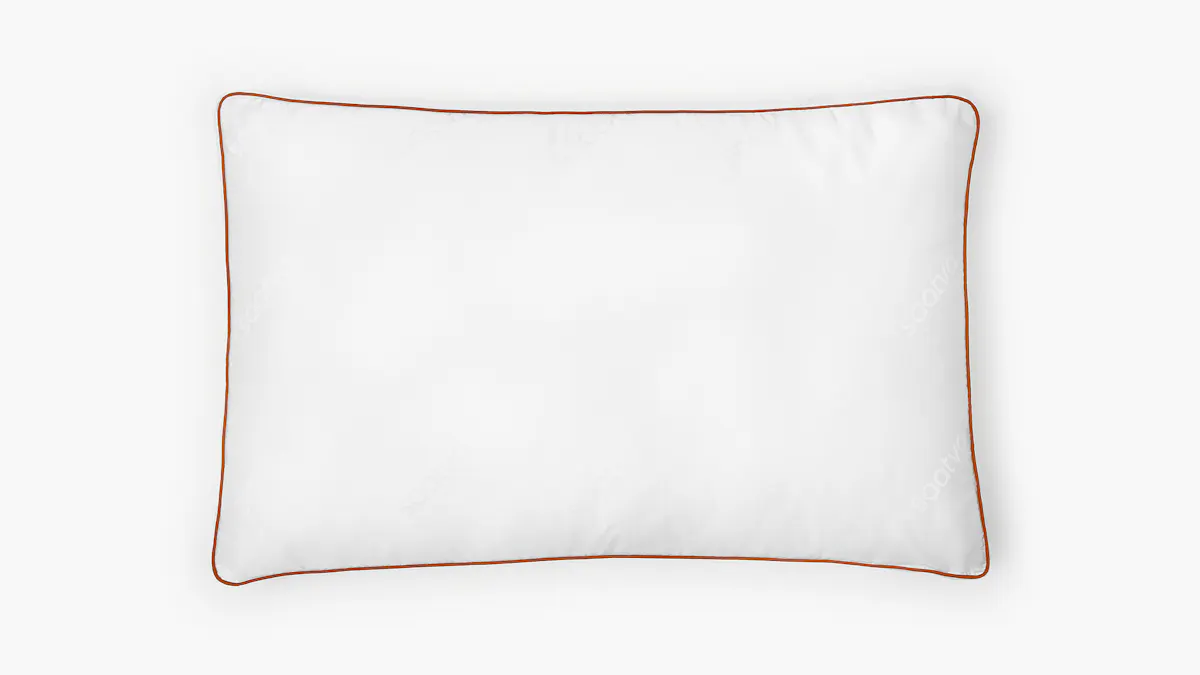
The Saatva Pillow is one product you may encounter while comparing replacements. I would apply the same construction-first filter to it: read the current material and care information, identify which components are removable, and decide whether the maintenance instructions suit your routine.
Plushness does not replace maintainability. If you are trying to recreate a hotel-style surface, my guide to why hotel pillows feel so comfortable explains the design choices behind that feel. My overview of Wyndham hotel pillows covers another version of the style shoppers often have in mind.
| Replacement question | Why it matters |
|---|---|
| Can the outer layer be removed? | A removable layer may be easier to clean than the complete pillow. |
| Are the care instructions specific? | Clear guidance reduces guesswork around water, heat, and drying. |
| Can you keep the core dry? | The answer should fit your room, sleep habits, and cleaning routine. |
| Does the fill recover its shape? | Odor control is not enough if the pillow has already lost support. |
My Final Verdict on a Smelly Pillow
A smelly pillow deserves one careful diagnosis, not endless deodorizing. Strip the washable layers, locate the odor, use dry airflow, and clean only as the care label permits. If a sour, damp, or mildew-like smell survives that process, replacement is usually the sounder choice.
Construction sets the limit of every rescue attempt. Loose fill, foam, latex, down, and layered designs do not handle moisture or drying the same way. Protect the next pillow from the start, and choose one whose care routine makes sense for its materials.
ONE OPTION WORTH COMPARING
Shopping as well as reading? Here is one current option worth comparing: the Saatva Pillow. Check today’s price, sizing and return terms on the official product page before you order.
Saatva Pillow
- Shredded natural latex core, per saatva.com
- 45-day free returns
- Machine-washable organic cotton cover
FAQ
Why does my pillow smell sour?
A sour pillow smell commonly points toward moisture, body oils, hair products, or other residue around the sleep surface. Remove the case and protector, assess those layers separately, and check the bare shell. If the odor remains, follow the pillow’s care label rather than covering it with fragrance.
Can I wash a smelly pillow?
You can wash a smelly pillow only when its manufacturer’s care instructions allow that method. A washable cover does not automatically make the core washable. Foam, latex, down, and loose synthetic fill may have different limits, so treat each component according to its own label.
Why does my pillow smell worse after washing?
The shell may have dried before the interior, leaving moisture inside the fill. Detergent residue or an odor already embedded in the material may also become more noticeable while the pillow is damp. Separate the outer layers and continue only with the approved drying method.
Should I air out a new pillow?
Dry ventilation is a sensible first step for a mild packaging or storage odor. Remove the outer wrapping and washable layers, let clean air reach each face, and avoid unapproved heat or direct sunlight. If the smell remains strong or seems damp rather than merely unfamiliar, inspect the pillow more closely.
Is a mildew-smelling pillow worth keeping?
I would replace a pillow with a persistent mildew-like smell, particularly when the odor returns after approved care or appears with dampness, visible growth, shell damage, or misshapen fill. A pillow that cannot remain dry and neutral-smelling is not a good candidate for repeated rescue attempts.