
 by
by Quick answer: Yes, briefly, if it’s clean, dry, loose, and free of hard or hazardous parts. For regular sleep, I’d choose purpose-made sleepwear and bedding you can adjust.
- A lounge-style jacket isn’t automatically designed for sleeping.
- Closures, pockets, collars, and lining can affect comfort once you lie down.
- A separate sleep layer and blanket provide more control over warmth.
Updated July 2026 · Reviewed for accuracy
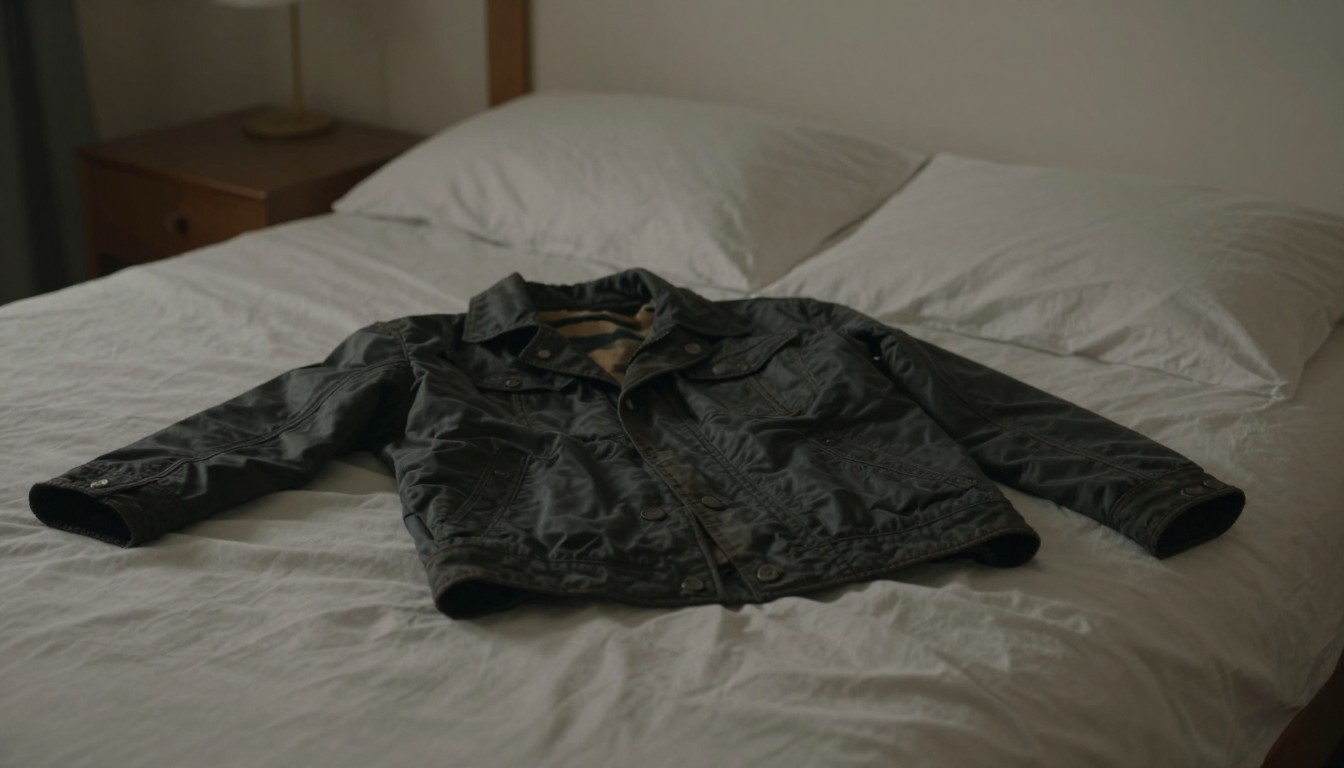
Yes, you can use a smoker’s jacket for sleep in a pinch, but I wouldn’t make it your normal bedtime layer. Whether it works depends on what you mean by “smoker’s jacket” and how that particular garment is constructed.
A soft lounge-style smoking jacket is very different from an outdoor coat reserved for smoke breaks. Amerisleep’s “Can I Sleep in a Jacket?” guide also treats sleeping in a jacket as a compromise and directs readers toward alternatives made for bedtime warmth.
First, identify what kind of jacket you have
A soft wrap jacket and a zippered outdoor coat create completely different contact points in bed. The name alone doesn’t tell me whether either one will be comfortable enough for sleep.
“Smoker’s jacket” can mean a lounge-style smoking jacket, often worn more like a robe, or an ordinary jacket kept near the door for smoking outdoors. It may also be an informal name used by a seller. Those garments don’t share a verified construction standard, so I’d judge the physical jacket rather than the label attached to it.
A lounge-style version may have soft fabric, a relaxed cut, and a removable tie. That brings it closer to a robe, although a thick collar, bulky lining, or knotted belt can still become uncomfortable. An outdoor version may include rigid zippers, snaps, fitted cuffs, drawcords, heavy seams, or loaded pockets. Those details matter much more once you’re lying on your back or side.
My construction-based distinction
- Lounge-style garment: Assess it like a robe. Check the collar, belt, lining, and seams.
- Outdoor smoking layer: Treat it as outerwear. Check for smoke odor, surface dirt, hardware, and pocket contents.
- Unfamiliar marketplace garment: Follow its care label and the manufacturer’s stated use. Don’t assume that “jacket” means sleepwear.
The useful question isn’t simply whether you can sleep in it. You probably can if it’s soft enough. The better question is whether it behaves like clean, loose sleepwear after you lie down, turn over, and pull bedding around you.
When sleeping in it may be reasonable
I’d consider a smoker’s jacket only when it is clean, dry, soft, loose, and easy to remove. If it fails any part of that screen, ordinary sleepwear is the more practical choice.
A clean lounge-style jacket can work as a temporary layer when you don’t have warmer pajamas available. Leave it loose enough that you can change position normally. If it uses a belt, make sure the knot isn’t underneath you and the loose ends don’t become awkward inside the bedding.
The same logic applies to a jacket used outdoors, but it has more ways to fail the check. Empty every pocket. Remove anything detachable that could press into you. Feel along the inside for coarse seams, broken fasteners, exposed zipper edges, or labels that rub while you’re lying down.
| Situation | My call | Reason |
|---|---|---|
| Clean, soft lounge jacket without hard hardware | Reasonable as an occasional backup | Its construction may behave more like a robe than outerwear. |
| Jacket worn during outdoor smoke breaks | Change before bed | It may carry smoke odor, outdoor dirt, and forgotten pocket items. |
| Structured jacket with rigid closures or thick seams | Skip it | Those components can become pressure points against the mattress. |
| You only need more adjustable warmth | Use sleepwear and another bedding layer | Separate layers are easier to add, fold back, or remove. |
I’d also separate the garment question from smoking itself. Put out and store all cigarettes, pipes, matches, lighters, and other hot materials before getting into bed. A jacket should never be treated as protection against ash, heat, or flame, especially when its material properties haven’t been verified.
Why I wouldn’t use one as regular sleepwear
Zippers, buttons, collars, pocket seams, and belt knots become contact points as soon as your body pins them against the mattress. A detail that feels harmless while standing can feel intrusive after you settle into a sleep position.
The cut can be another problem. Jackets are generally shaped around upright wear, while bedtime clothing needs to remain comfortable as your shoulders rotate and your arms move. If the armholes pull, the cuffs feel tight, or the lining twists when you turn, the garment isn’t earning its place in bed.
Warmth is less adjustable too. A jacket concentrates insulation around your torso and arms. If you become uncomfortable, you may need to open it or pull your arms out of fitted sleeves. A blanket can be folded back without making you wrestle with a garment under the covers.
The Nut’s rule: Bedtime clothing should disappear from your attention. If you can feel the jacket’s collar, closures, lining, or pockets every time you move, it’s the wrong layer for sleep.
Cleanliness is just as practical a concern. If a jacket has been worn around smoke, it may bring that odor into the bedding. An outdoor garment may also have collected surface dirt from chairs, walls, vehicles, or other surroundings. I’d keep it separate from the sheets and change into something clean.
I wouldn’t claim that every smoker’s jacket is unsuitable. A loose, freshly cleaned lounge garment may feel perfectly acceptable to its wearer. My objection is to treating the category as interchangeable with pajamas when its construction, care instructions, and intended use may say otherwise.
There’s also no reason to tolerate discomfort merely because the room feels cold. Warmth and wearability are separate jobs. Sleepwear can cover the body without adding hard components, while bedding can provide warmth that remains easy to adjust.
How to check a smoker’s jacket before bed
The underside deserves the closest inspection. Back seams, pocket edges, belt knots, decorations, and zipper pulls are the parts most likely to end up between your body and the mattress.
Read the garment rather than trusting its name
Start with the care label and any use instructions from the manufacturer. Look at the actual fabric, lining, closures, and trim. Don’t infer that the garment is flame-resistant, sleep-safe, or washable in a particular way unless the manufacturer says so.
If the jacket has no clear label, be conservative. Use it only as an awake lounge layer rather than making assumptions about unknown materials or finishes.
Empty and simplify it
Take everything out of the pockets, including flat items that seem unlikely to matter. Close, cover, or avoid any zipper that sits beneath your body. Remove detachable accessories that could create a lump, and don’t sleep on top of a tied belt.
Pay attention to the collar and cuffs. A large collar can bunch behind the neck, while fitted cuffs may feel restrictive as your hands change position. If loosening the garment doesn’t fix those problems, take it off.
Quick pass-or-fail check
- Is the garment clean, dry, and free from a noticeable smoke smell?
- Are every pocket and internal compartment empty?
- Can you lie in your usual position without resting on a closure or knot?
- Can you raise your arms and turn without the fabric pulling?
- Can you remove the jacket easily if it becomes uncomfortable?
Try your normal positions while fully awake
Lie down and move as you normally would before sleep. Roll onto each position you use, bend your arms, and check the fabric beneath your shoulders and hips. This isn’t a performance test. It’s a direct way to find a seam or fitting problem before it interrupts your rest.
Listen to the fabric as well. A crisp or coated shell may rustle whenever you move, while loose hardware can tap against a bed frame or another fastener. If the jacket is noisy enough to bother you while awake, it’s unlikely to become less noticeable after lights out.
Keep an easy alternative nearby
Don’t make the jacket your only source of warmth. Keep suitable bedding available so you can remove it without becoming uncomfortably cold. If you feel too warm, clammy, constrained, or distracted by the garment, switch layers rather than trying to endure it.
Better ways to stay warm in bed
Sleepwear and bedding divide the job more effectively: clothing gives you soft body coverage, while the bedding controls overall warmth. A smoker’s jacket combines both jobs in a garment that may include unnecessary structure.
If your arms and upper body feel cold, choose a clean long-sleeve sleep top made for easy movement. If the whole bed feels cold, add an adjustable bedding layer instead. If you enjoy wearing a smoking jacket while reading, use it as a pre-bed lounge garment and remove it once you’re under the covers.
A blanket also adapts more easily as your comfort changes. You can pull it higher, fold it back, or uncover an arm without dealing with cuffs and fasteners. That flexibility is the main reason I favor bedding over an outdoor-style jacket.
Match the solution to the problem
- Cold upper body: Use a clean, loose sleep top.
- Cold bed: Add or adjust a bedding layer.
- Cold before getting into bed: Wear the jacket while lounging, then change.
- No alternative available: Use the jacket temporarily only if it passes the construction and cleanliness checks.
- Noticeable smoke odor: Keep the jacket away from the bed and choose clean sleepwear.
My bottom line is simple. A clean, soft smoker’s jacket can serve as temporary sleep clothing if it behaves like a loose robe and contains nothing that presses, pulls, or gets in the way. For routine sleep, purpose-made sleepwear and adjustable bedding are the more sensible setup.
FAQ
Can you sleep in a smoking jacket?
Yes, if it is clean, loose, dry, and comfortable in every position you use. I’d avoid sleeping in it if it has rigid closures, a bulky collar, tight cuffs, a heavy lining, or a belt knot that sits beneath you.
Is a smoker’s jacket the same as pajamas?
No. The name doesn’t establish that the garment was designed for sleep. Check its materials, cut, closures, lining, care label, and manufacturer instructions before treating it as bedtime clothing.
Should I sleep in a jacket that smells of smoke?
I wouldn’t. Keep a smoke-worn jacket separate from your bedding and change into clean sleepwear. Airing or cleaning the jacket should follow its care label rather than an improvised method that could damage the material.
Can I sleep in a winter jacket instead?
You can physically wear one, but a structured winter jacket is likely to include more bulk, closures, pockets, and stiff seams than ordinary sleepwear. Unless no practical alternative is available, I’d use a clean sleep layer and adjustable bedding instead.
What should I use if I’m cold at night?
Start with clean sleepwear that allows easy movement, then adjust the bedding to suit your comfort. This gives you more control than relying on a jacket and makes it easier to change warmth without removing a fitted outer layer.