
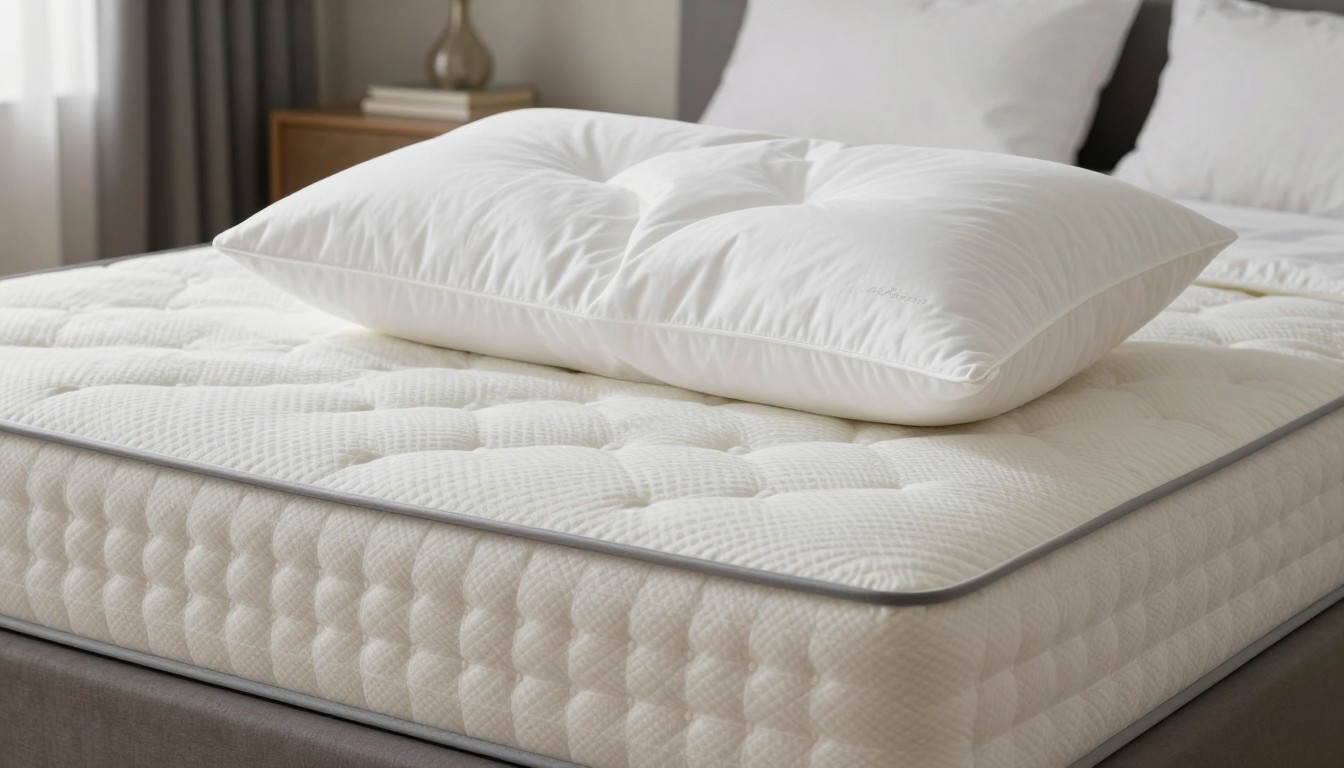
 by
by Quick answer: “Caspar pillows” almost certainly means Casper pillows. Choose the Original for a fluffy, nested feel; consider the Foam style if you prefer plush, squishy support and want to assess loft carefully.
- Sleepopolis identifies the Original’s pillow-in-pillow construction.
- Mattress Clarity associates the Original with a crisp cotton cover and a down-alternative feel.
- Mattress Clarity describes the Foam version as plush and squishy.
Updated July 2026 · Reviewed for accuracy
The spelling matters. Mattress Nerd, Sleepopolis, InsideBedroom, SleepingOnTheEdge, and Mattress Clarity all call the brand Casper, not Caspar.
I’ll treat “caspar pillows” as a search for Casper’s pillow options. The useful choice isn’t between two spellings. It’s between different constructions, surface feels, care requirements, and loft profiles.
“Caspar pillows” points to Casper, but not one pillow
The published coverage separates Casper’s Original and Foam pillows. Sleepopolis focuses on the Original’s pillow-in-pillow construction, while Mattress Clarity discusses a Foam model with a plush, squishy character.
That distinction matters because “Casper pillow” isn’t a precise enough buying description. A nested pillow and a foam pillow can feel very different even if both are described as supportive. The material format affects how the surface compresses, how easily the pillow can be reshaped, and how much attention you need to give its usable loft.
Start by confirming the exact model name on the current seller page. Retail listings, older reviews, and packaging can refer to different versions. InsideBedroom specifically distinguishes a newer Casper pillow from an earlier model, which is enough reason to avoid carrying old specifications forward without checking.
The Nut’s checkpoint: Treat “Caspar” as a likely spelling error, then verify whether the listing is for the Original or Foam model. Don’t make a decision from the brand name alone.
The Original is defined by its nested construction
Pillow-in-pillow is the defining detail of the Casper Original, according to Sleepopolis. SleepingOnTheEdge also centers its assessment on the pillow’s layered design rather than treating it as a single uniform slab.
In construction terms, I read that layout as an attempt to separate surface fluffiness from underlying support. Sleepopolis describes the resulting feel as fluffy yet supportive. That’s more useful than a generic “soft” label because it suggests a cushioned exterior without implying that the whole pillow immediately collapses.
Mattress Clarity adds two other clues: a crisp cotton cover and a down-alternative feel. “Down-alternative feel” describes the sensation, though. It doesn’t by itself establish the exact fill blend, and it shouldn’t be read as proof that every current version uses the same materials.
What the Original’s description tells me
- Surface character: Fluffy, based on Sleepopolis’s description.
- Support concept: A nested interior rather than a uniform foam block.
- Visual and tactile cue: A crisp cotton cover, according to Mattress Clarity.
- Main unknowns: The precise current fill, usable loft, care instructions, and firmness should be confirmed for the exact model being sold.
The Original makes the most sense as a starting point for someone chasing a soft, hotel-like surface without automatically choosing solid foam. If that’s your benchmark, my guide to why hotel pillows feel comfortable helps separate plush presentation from the support that actually suits your sleeping posture.
Don’t assume “fluffy” means thin or easily compressed. Nor does pillow-in-pillow necessarily mean the sleeper can remove fill. Unless the current product description explicitly calls the pillow adjustable, I’d treat its finished loft as fixed and judge it accordingly.
Original versus Foam: the useful differences
The clearest split is a fluffy nested design versus a plush, squishy foam feel. Sleepopolis supplies the construction clue for the Original, while Mattress Clarity supplies the feel language for the Foam model.
| Buying question | Casper Original | Casper Foam |
|---|---|---|
| What defines it? | Pillow-in-pillow construction, according to Sleepopolis. | Foam-based construction, as covered by Mattress Clarity. |
| How is the feel described? | Fluffy yet supportive, per Sleepopolis. | Plush and squishy, per Mattress Clarity. |
| What should you assess? | How the nested fill settles and whether the finished height suits your posture. | Loft and firmness, the fit questions Mattress Clarity specifically raises. |
| What remains unclear? | Exact current fill specifications and model-specific care directions. | Foam formulation, density, response speed, and current care directions. |
I wouldn’t declare one construction universally better. A sleeper who likes to fluff and reposition a pillow may be drawn to the Original’s published feel description. Someone who deliberately wants a foam sensation may find the Foam model more relevant, provided its actual loft works for them.
The word “foam” alone doesn’t settle the choice. It doesn’t establish how slowly the pillow responds, how deeply the head sinks, or how warm the surface feels. Those details aren’t established in the cited Mattress Clarity summary, so I wouldn’t infer them from the model name.
A review headline asks whether the Foam model is suitable for neck pain, but a headline isn’t clinical evidence. Neither pillow should be treated as a medical treatment. The sensible goal is a comfortable fit that doesn’t force your head into an awkward resting angle.
Loft matters more than the soft-or-firm label
Mattress Clarity explicitly frames loft and firmness as the deciding questions for the Foam pillow. I’d apply the same discipline to the Original because a pleasant surface feel can’t compensate for a finished height that doesn’t suit the sleeper.
Usable loft means the height left after your head rests on the pillow, not how tall and inviting it looks when freshly fluffed. Body proportions, mattress sink, sleeping position, and the pillow’s compressibility all affect that result. This is why another person’s “perfectly supportive” description can be nearly useless without context.
Match the pillow to how you settle
- Side sleepers: Check whether the pillow fills the space beside the shoulder without pushing the head noticeably upward.
- Back sleepers: Look for a resting position that doesn’t drive the chin toward the chest or let the head fall too far behind the torso.
- Stomach sleepers: Be cautious with substantial finished loft because the head is already turned to the side.
- Combination sleepers: Consider how readily the pillow can be repositioned as you move, but don’t assume a fluffy description proves adjustability.
If you’re shopping online, compare the stated loft and firmness language with a pillow you already understand. Note whether your current pillow feels too high, too low, too yielding, or too resistant. That reference point is more dependable than choosing from lifestyle photos.
The Original’s fluffy, supportive description suggests a different experience from the Foam model’s plush, squishy description, but neither phrase establishes fit for a particular body. My choice would follow posture first and texture preference second.
Care, cooling and durability need model-level checks
InsideBedroom reports that a newer Casper pillow replaced an earlier version that could only be spot-cleaned. That doesn’t prove every current component is washable. It shows why the care label for the exact version in your cart should override instructions attached to an older model.
Cooling claims also deserve restraint. Mattress Clarity’s reference to a crisp cotton cover is a surface detail, not a thermal result. The cited reviews don’t provide comparable temperature measurements, so there’s no sound basis for declaring the Original or Foam model the cooler choice.
Durability is similarly difficult to predict from feel words. The published summaries don’t establish foam density, fill quantity, seam construction, or long-term shape retention. Without those details, I won’t assign a lifespan or pretend that one style is proven to outlast the other.
Check before ordering
- The exact model name and current material description
- Whether the cover, inner pillow, or complete pillow can be washed
- Any drying restrictions listed by the manufacturer
- The current return terms and live price
- Whether loft or firmness options are offered for that model
At home, watch for a lasting hollow, uneven bunching, split seams, or a surface that no longer rebounds after ordinary fluffing. Those physical changes tell you more about remaining usefulness than age alone.
Yellowing is a separate care issue and doesn’t automatically reveal what’s happening inside the pillow. For help identifying common discoloration, see why a pillow turns yellow.
My bottom line on choosing a Casper pillow
The honest choice rests on one documented difference: Sleepopolis presents the Original as a fluffy, supportive pillow-in-pillow, while Mattress Clarity presents the Foam model as plush and squishy. Pick the construction language that matches the texture you already know you enjoy, then verify the current loft, firmness, materials, and care directions.
- Lean toward the Original if a fluffy, down-alternative-style surface and nested support sound right for you.
- Consider the Foam model if you specifically want a plush foam sensation and can confirm that its loft suits your posture.
- Pause before buying if washability, adjustability, cooling, or an exact material specification is essential and the current listing doesn’t answer it clearly.
There’s no responsible overall winner from these facts alone. The Original has the clearer construction story; the Foam model has the clearer plush-foam identity. Fit still decides whether either belongs on your bed.
ONE OPTION WORTH COMPARING
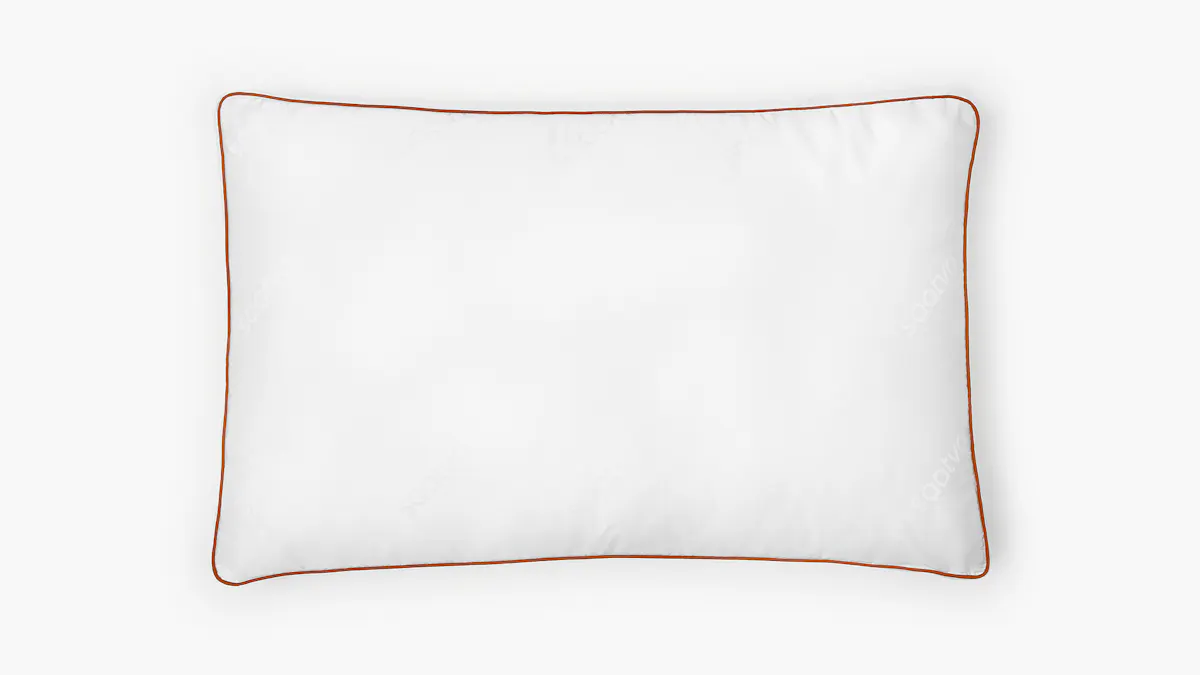
Shopping as well as reading? Here is one current option worth comparing: the Saatva Pillow. Check today’s price, sizing and return terms on the official product page before you order.
Saatva Pillow
- Shredded natural latex core, per saatva.com
- 45-day free returns
- Machine-washable organic cotton cover
FAQ
Are Caspar pillows the same as Casper pillows?
“Caspar pillows” appears to be a misspelling of Casper pillows. Mattress Nerd, Sleepopolis, InsideBedroom, SleepingOnTheEdge, and Mattress Clarity all use the Casper spelling in their coverage, but you should still confirm the branding on any listing before ordering.
What is inside the Casper Original Pillow?
Sleepopolis describes it as a pillow-in-pillow design, while Mattress Clarity associates it with a down-alternative feel and a crisp cotton cover. Those descriptions don’t establish the precise current fill blend, so check the manufacturer’s current material label for that detail.
Is the Casper Original better than the Foam pillow?
Not universally. The Original suits shoppers drawn to a fluffy nested feel, based on Sleepopolis’s description, while Mattress Clarity’s plush and squishy description makes the Foam model more relevant to shoppers who deliberately prefer foam.
Can Casper pillows be washed?
Don’t apply one care rule to every version. InsideBedroom distinguishes a newer model from an earlier pillow it says was limited to spot cleaning, so follow the tag attached to the exact model you own or plan to buy.
Which Casper pillow is best for my sleeping position?
Choose by compressed loft rather than position labels alone. Side sleepers generally need enough usable height beside the shoulder, back sleepers should watch the head and chin angle, and stomach sleepers should be cautious about a pillow that remains substantially elevated.