 by
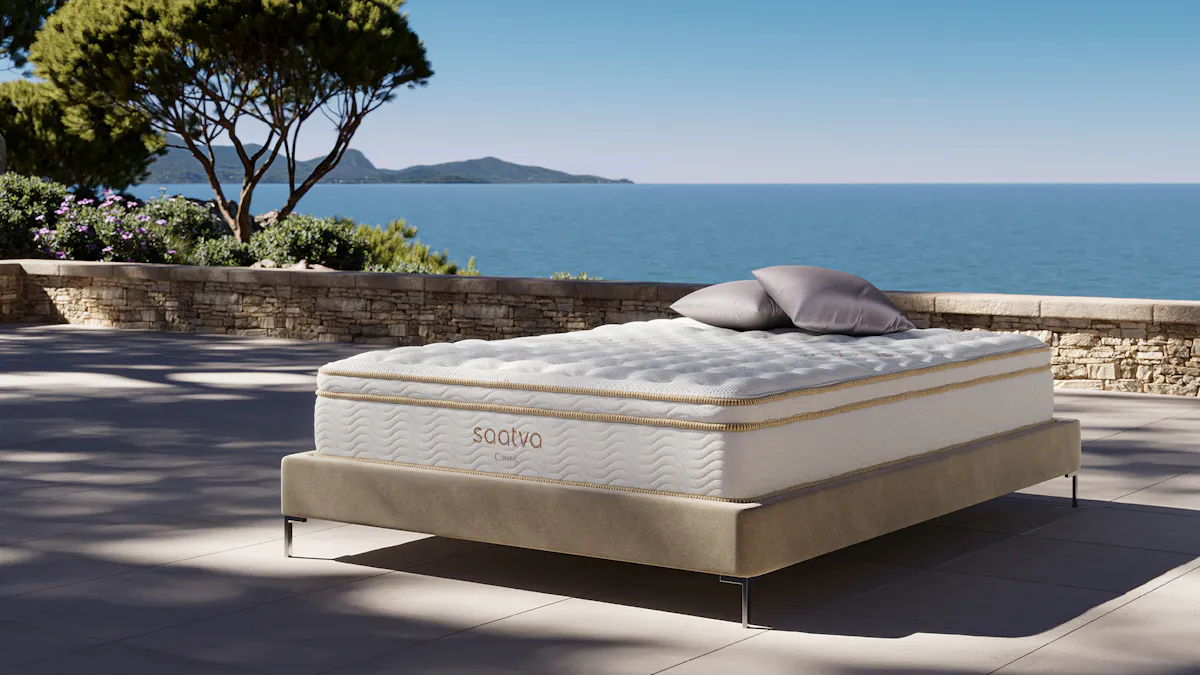
by Quick answer: Pick the Element for a simpler, lower-cost foam bed. Pick the Original for coils and targeted support. Saatva Classic is a separate alternative if neither Casper build feels like the right fit.
- Mattress Clarity lists the two Casper models at different price points.
- The Element uses an all-foam construction, according to Mattress Clarity.
- The Original pairs pocketed coils with a zoned comfort design, according to Mattress Clarity.
Updated July 2026 · Reviewed for accuracy
The Original is the better mattress for most people. Its pocketed coils and zoned comfort layer give it a more adaptable support system than the Element’s stripped-back foam build, according to Mattress Clarity. The Element still makes sense if your goal is simple comfort at the lower listed price.
This isn’t really a battle between two versions of the same mattress. It’s a choice between a basic all-foam bed and a more involved hybrid design. That construction gap is what should drive your decision.
Casper Element vs Original: the short version
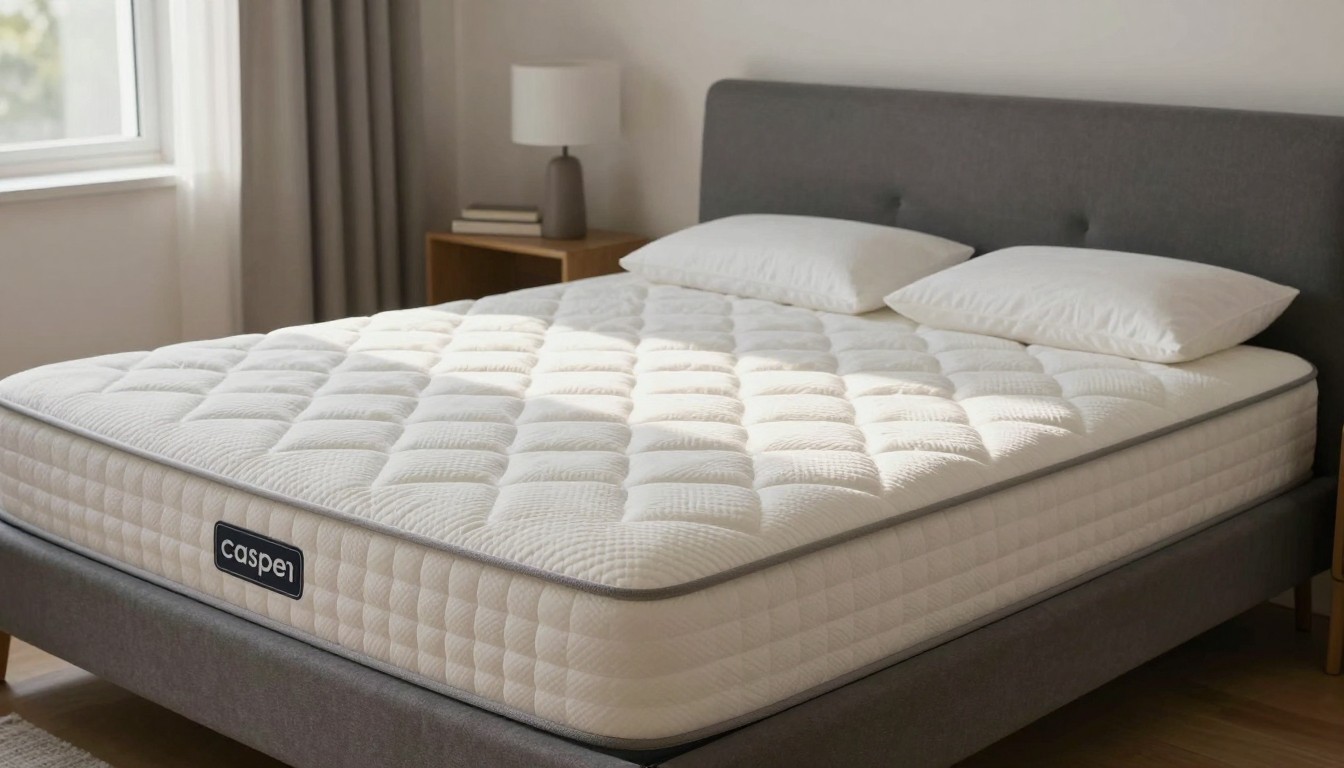
The Element is Casper’s no-frills option. Mattress Clarity describes it as an all-foam mattress with no dedicated zoning or coil unit. That means fewer moving parts, a simpler feel, and less of the targeted contouring that comes from dividing a comfort layer into different support areas.
The Original takes a more layered approach. According to Mattress Clarity, it uses pocketed coils below a zoned foam comfort layer, with a softer shoulder area and firmer support through the hips and lower back. I’d expect that layout to feel more accommodating when you shift positions, because the support is not coming from foam alone.
| Feature | Casper Element | Casper Original |
|---|---|---|
| Construction | All foam, according to Mattress Clarity | Hybrid with pocketed coils, according to Mattress Clarity |
| Support design | No dedicated zoning, according to Mattress Clarity | Zoned comfort layer, according to Mattress Clarity |
| Feel direction | Medium-firm, straightforward support, according to Mattress Clarity | Medium feel with more targeted support, according to Mattress Clarity |
| Best fit | Budget-focused shoppers and occasional-use rooms | People who want more adaptable support across positions |
Here’s my plain-English read: the Element is about keeping the build uncomplicated. The Original is about putting more structure beneath the sleeper. Neither approach is automatically right. But they are not equal on support design.
The Element’s foam build keeps things simple
The Element is all foam, according to Mattress Clarity. That matters because every part of its support comes from foam compression and recovery. There are no pocketed coils to add spring, no zoned section to deliberately change how the bed responds beneath different body areas, and no more complex support core described in the comparison.
I don’t see “simple” as a criticism by itself. A straightforward foam mattress can be the sensible call for a guest room, a smaller bedroom, or a buyer who wants the familiar close-to-the-bed feel that foam often provides. The trade-off is that the mattress has fewer tools to handle different pressure points and sleeping positions.
Mattress Clarity characterizes the Element as medium-firm. That puts it in a useful middle ground for shoppers who do not want an especially plush surface, but feel is personal. Your body shape, preferred position, pillow height, and foundation all affect how a medium-firm foam bed lands.
The material takeaway: The Element’s value comes from removing complexity. If you specifically want zoning, coil lift, or a more adaptable support structure, its construction is not built around those features.
Foam also tends to absorb movement more than a coil system, though the supplied comparison does not provide motion-isolation measurements for either model. I’d avoid pretending there is a winner there without published evidence. What is clear from the construction is that the Element offers a more uniform response from one end of the mattress to the other.
That uniformity can suit a sleeper who mostly stays in one position and likes a consistent surface. It can be less appealing for someone whose shoulders, hips, and lower back need noticeably different treatment. The Element does not include a dedicated zone system, according to Mattress Clarity, so it cannot make that adjustment by design.
Comparing options? The Saatva Classic is the pick we keep coming back to — see the final verdict ↓
The Original adds coils and zoning where they count
Pocketed coils are the biggest construction change in the Original. Mattress Clarity describes a hybrid design with coils underneath the comfort materials, rather than an all-foam stack. That gives the Original a fundamentally different support engine from the Element.
Each pocketed coil can respond more independently than a single connected coil network. The comparison does not publish coil count, gauge, or layer-density details, so I won’t invent a durability verdict from missing specifications. Still, the presence of a pocketed-coil unit tells you the Original is designed to supply support through both foam and springs.
The Original also has a zoned comfort layer, according to Mattress Clarity. The shoulder area is softer while the hip and lower-back area is firmer. That is a meaningful feature, not decorative language. Side sleepers often need more give around the shoulder, while the central body mass can benefit from a steadier surface beneath it.
I’d call the Original the more versatile build for combination sleepers. That is an inference from its coil-and-zone construction, not a claim about a controlled sleep test. When you change from your side to your back or stomach, you are asking the mattress to handle pressure and support in different places. A zoned layer is made to address that problem more directly than a uniform foam surface.
Why the Original costs more: Mattress Clarity attributes the higher position in Casper’s range to its hybrid construction and zoned support design. You are paying for a more complicated support system, not merely a different cover.
Coils can also create more internal space for air than a solid foam core. Mattress Clarity says the Original offers better cooling than the Element because of its coils and zoning. Cooling is never one feature alone, though. Bedding, room conditions, and the sleeper’s own temperature needs still shape the result.
For a fuller look at the simpler Casper model’s strengths and limitations, see our Casper Element review. It helps put the Element’s pared-back construction in context without pretending it is trying to be the Original.
Comfort and sleeping position: which one fits better?
The Element is the cleaner choice for shoppers who want a medium-firm, all-foam feel without targeted zones. According to Mattress Clarity, it is intended as Casper’s budget-friendly entry point. I’d put it high on the list for a spare room or for someone whose main priority is getting a familiar foam mattress at a lower cost.
The Original is the better bet for sleepers who rotate through positions. Mattress Clarity points to its zoned layer as a support feature for the shoulders, hips, and lower back. A softer shoulder area can make more sense for side sleeping, while firmer central support can be more useful for back and stomach sleepers who do not want their midsection to sink too far.
That does not mean every side sleeper should automatically choose the Original. Personal comfort is too individual for that. It means the Original brings a feature the Element lacks: it intentionally changes its response across the surface. If you have repeatedly found that a flat, uniform foam feel leaves one area uncomfortable, that distinction deserves your attention.
For dedicated back sleepers, either model may be plausible depending on preferred firmness and budget. The Element gives a consistent medium-firm foam surface, according to Mattress Clarity. The Original adds the firmer central zone and coil support, according to the same source. My lean is toward the Original if you value a more structured feel beneath the torso.
For stomach sleepers, I would focus less on brand reputation and more on whether the surface keeps your hips from dropping too far. Mattress Clarity describes firmer support through the Original’s hip and lower-back region. That is a more relevant construction feature for this position than the Element’s simpler foam layout.
- Mostly one position, straightforward needs: the Element is the simpler fit.
- Regular position changes: the Original’s coils and zoning give it the stronger design case.
- Shoulder pressure concerns: the Original’s softer shoulder region is the more targeted option, according to Mattress Clarity.
- Guest-room duty: the Element’s lower-cost approach is easier to justify.
There is another practical point. Mattress feel changes with the base underneath it. A sound, level foundation helps any mattress perform as intended. Before blaming either bed for a comfort issue, make sure the support underneath is appropriate and not sagging.
Cooling, movement, and edges are not equal questions
The Original’s coil unit gives it the clearer cooling argument. Mattress Clarity says the hybrid build improves cooling relative to the Element. The reason is straightforward: coils do not form the same solid core as an all-foam support layer, so the build has a more open internal structure.
I would not oversell that advantage. “Better cooling” does not mean cold, and it does not tell you how either mattress will feel in a warm room under heavy bedding. But if you already know that dense foam beds tend to feel stuffy to you, the Original has the more logical construction.
Motion is a separate issue from cooling. All-foam builds are often considered attractive to couples because foam can dampen movement, but the supplied facts do not provide comparable motion results for these models. The honest answer is that the construction suggests a different response, not a proven winner in your bedroom.
Edge support deserves the same restraint. Mattress Clarity’s comparison identifies coils and zoning in the Original, but it does not provide edge-support measurements or a specific perimeter design. A coil mattress may feel more supportive near the edge than a foam-only model, yet I would treat that as something to verify through current product information and return terms, not as a promised result.
My buying rule: Don’t use “hybrid” as shorthand for better at everything. Here, the Original has the stronger case for targeted support and airflow. The Element has the stronger case for a simpler foam build and a lower entry cost.
Price: the Element wins, but value is more than the tag
Mattress Clarity lists one Casper model at $895.00 and the other at $1695.00 in its Casper Original versus Essential comparison. Current storefront prices and promotions can change, so check Casper’s official site before treating any published price as final.
The price gap makes sense beside the construction gap. The Element is a basic foam design without dedicated zoning, according to Mattress Clarity. The Original adds pocketed coils and a zoned comfort layer, according to Mattress Clarity. Those are real material differences, and they are the right place to judge whether the extra spend serves your sleep.
If you only need a basic mattress for occasional use, paying for the more complex hybrid system may not be necessary. In that case, the Element’s less involved build is the point. You are not buying a compromised Original. You are buying a mattress aimed at a different job.
If this will be your primary mattress and you need to accommodate multiple positions, I think the Original is easier to justify. Not because a higher price automatically means higher quality, but because its coil-and-zone design addresses more of the issues people tend to notice over time: surface pressure, central support, and temperature management.
For shoppers deciding whether Casper is the right construction philosophy at all, our Tuft & Needle vs Casper comparison is useful background. It looks at a different all-foam-versus-Casper decision without blurring the specific Element and Original differences here.
Who should pick the Element, and who should pick the Original?
Pick the Element if you want the least complicated answer. It is the all-foam, medium-firm option described by Mattress Clarity, and it fits the buyer who values a lower purchase cost over zoned support and a coil system. I see the strongest use case in a guest room, a secondary bedroom, or a budget-led purchase where simple is genuinely enough.
Pick the Original if you want the more adaptable Casper design. Mattress Clarity identifies pocketed coils, a zoned comfort layer, softer support around the shoulders, and firmer support around the hips and lower back. That gives it a better construction case for combination sleeping and for buyers who want more than a uniform foam response.
Skip the Element if you are specifically shopping for zoning, more targeted pressure relief, or a coil-supported feel. Those are not minor upgrades added around the edges. They are the main things missing from its build.
Skip the Original if its added construction does not solve a real need for you. A hybrid mattress is not automatically a wiser purchase for an occasional-use room. The best value is the mattress whose materials match the job, not the one with the longest feature list.
Decision in one line: Choose Element for uncomplicated foam comfort and cost control. Choose Original for coils, zoning, and a more flexible support design.
What I’d verify before ordering either Casper
Start with the current price. Mattress Clarity’s published figures are a useful snapshot, but mattress pricing moves with promotions and retailer inventory. Confirm the amount directly with the seller before you order.
Then verify the current trial and warranty terms. The comparison notes that Casper typically offers trials and warranties, while also advising shoppers to confirm the current terms because promotions and regional conditions can vary. Those policies matter because comfort is personal and a mattress needs time in your own room.
Read the exact product description, especially if the mattress is being sold through a retailer. You want to make sure you are looking at the Element or Original model you intended to compare, not a similarly named version with a different construction. Product lines change, and the listed materials should match the mattress in your cart.
Finally, think about where it will live. For a primary bedroom, the Original’s more detailed support design carries more weight. For a room used less often, the Element’s simpler design may be the more sensible match. Casper’s manufacturing background can also be helpful context, which is why I’d read our guide on where Casper mattresses are made before making a brand-level decision.
My final take on Casper Element vs Original
The Original wins this comparison for most primary-bedroom shoppers. Its pocketed coils and zoned comfort layer provide a more purposeful support setup than the Element’s all-foam construction, according to Mattress Clarity. That matters most if you change positions, sleep warm, or want a mattress that responds differently around your shoulders and hips.
The Element is still a legitimate choice. Its appeal is not hidden: it is simpler, medium-firm, and designed for a lower-cost entry into the Casper lineup, according to Mattress Clarity. If your needs are basic and your budget is tight, that simplicity can be exactly right.
My verdict is simple. Buy the Element for a straightforward foam bed with fewer features to pay for. Buy the Original if the added coil support and zoning match how you actually sleep. Construction tells the story here, and the Original has more of it.
FAQ
Is the Casper Element or Original better for side sleepers?
The Original has the stronger design case for side sleepers because its zoned comfort layer is softer around the shoulders, according to Mattress Clarity. The Element can still work if you prefer a more uniform medium-firm foam feel, but it does not have dedicated zoning.
Is the Casper Original a hybrid mattress?
Yes. Mattress Clarity describes the Original as a hybrid with pocketed coils and a zoned foam comfort layer. The Element is all foam, so the two models use different support systems.
Why does the Casper Original cost more than the Element?
According to Mattress Clarity, the Original’s higher position reflects its pocketed coils and zoned comfort design. The Element removes those features in favor of a simpler all-foam build.
Which Casper mattress is better for a guest room?
The Element is the more natural guest-room pick if you want a basic, lower-cost foam mattress. Mattress Clarity positions it as Casper’s budget-friendly entry option, while the Original is built for shoppers seeking more targeted support.
Does the Casper Element have zoned support?
No dedicated zone system is listed for the Element in Mattress Clarity’s comparison. The Original is the model with a zoned comfort layer, including softer support at the shoulders and firmer support at the hips and lower back.
FINAL VERDICT
Before you settle: if casper element vs original is what brought you here, the Saatva Classic is the value pick on this page — check its current price, trial and warranty terms on the official product page. Confirm current price, dimensions and terms on the official product page before ordering.
OUR CATEGORY-MATCHED PICK · UP TO $625 OFF
Saatva Classic
- 365-night home trial and lifetime warranty, per saatva.com
- Handcrafted in the USA, free white-glove delivery
- Flexible financing available