
 by
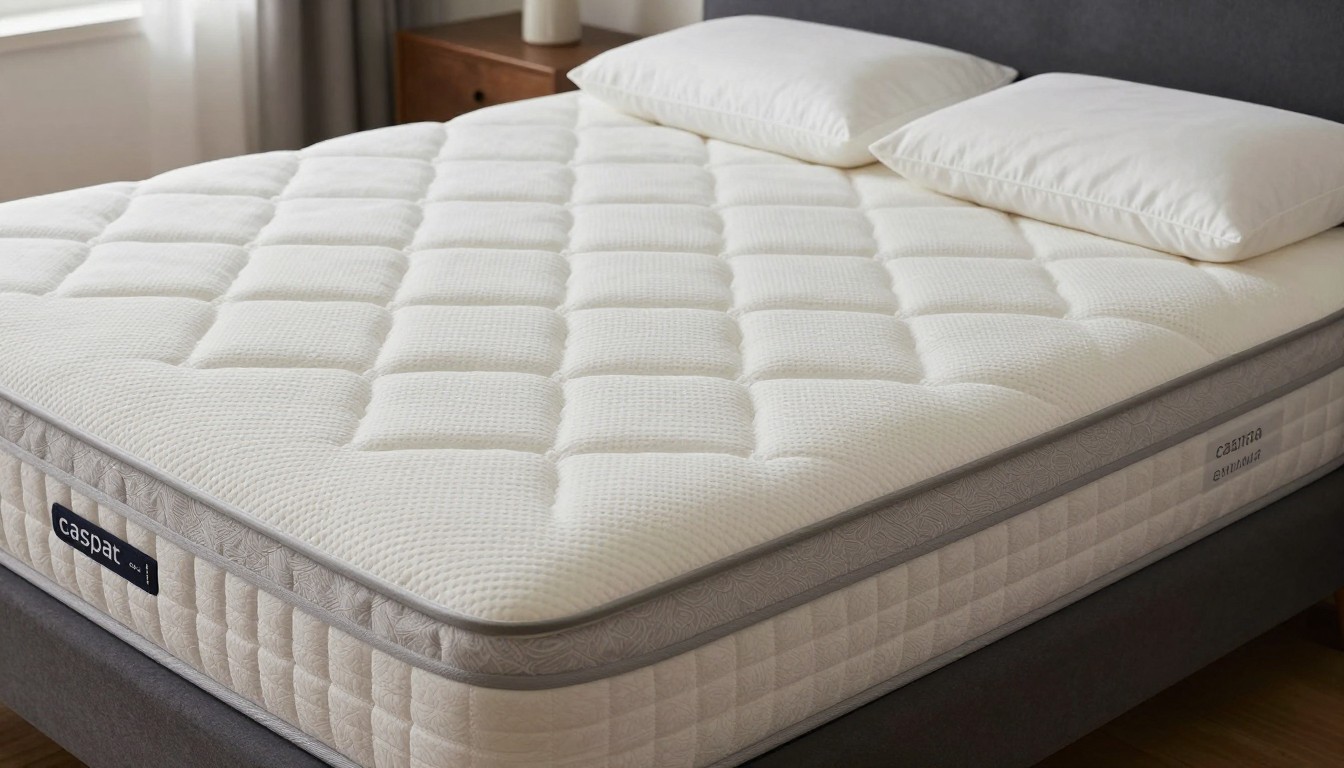
by Quick answer: In casper vs emma, Casper is the better fit if you want a firmer transition and a more structured foam feel. Emma makes more sense if you prefer gentler surface contouring and value a removable cover where that feature is offered. Neither mattress is the automatic winner.
- Sleep Advisor describes both as all-foam mattresses with zoned support.
- Casper emphasizes perforated AirScape-style foam in applicable versions, according to Casper’s materials descriptions.
- Emma uses Airgocell and viscoelastic foam, according to Emma’s materials descriptions summarized by Sleep Advisor.
- Check the exact model sold in your country because construction and policies can vary by region.
Updated July 2026 · Reviewed for accuracy
My verdict on casper vs emma comes down to where you want the mattress to yield. Casper’s appeal is the more controlled transition beneath the comfort layer. Emma places more emphasis on a soft first contact. That difference sounds small, but it can decide whether a foam mattress feels supportive or overly enveloping to you.
I would not choose from the brand names alone. Sleep Advisor’s comparison notes regional differences, and each brand’s local product page may describe a different cover or layer arrangement. Use this comparison to pick a feel direction, then confirm that the mattress currently sold at your address matches it.
Casper vs Emma at a Glance
The construction divide sits between the surface and the support core. Sleep Advisor describes Casper as having a somewhat firmer transition feel, while Emma is presented with a softer upper-layer emphasis. Both still belong to the same broad all-foam category.
| Category | Casper Original | Emma Original |
|---|---|---|
| Construction direction | All-foam construction with zoned support, according to Sleep Advisor. | Airgocell foam, viscoelastic foam, and zoned support, according to Sleep Advisor. |
| Feel | A medium-firm direction with more resistance through the transition, according to Sleep Advisor. | A medium to medium-firm direction with a softer top-layer emphasis, according to Sleep Advisor. |
| Airflow approach | Perforated AirScape-style foam in applicable versions, per Casper’s materials descriptions. | Breathable Airgocell foam, per Emma’s materials descriptions. |
| Cover | Cover details depend on the locally available model, per Casper’s listing. | Some regional listings include a removable cover, per Emma’s listing. |
| Motion feel | Minimal motion transfer in Sleep Advisor’s comparison. | Minimal motion transfer in Sleep Advisor’s comparison. |
| Value pattern | Its relative value can improve during promotions, according to Sleep Advisor. | Often listed with a lower base price across markets, according to Sleep Advisor. |
The table points to a preference, not a universal comfort result. Body shape, sleep position, room temperature, bedding, and the foundation can all alter how an all-foam mattress feels. The local layer stack remains more useful than a broad brand reputation.
My materials read: Pick Casper if you want the transition layer to push back sooner. Pick Emma if you want the comfort layers to accept more of your shape before the deeper support becomes obvious.
Casper Builds Around a Firmer Transition
Casper’s important feature is not simply that it contains foam. Sleep Advisor describes a zoned all-foam design with a somewhat firmer transition than Emma. That transition controls how quickly the sleeper moves from surface contouring into the steadier support beneath it.
A firmer transition can make the mattress feel more orderly under the torso. The upper foam can still conform, but the sleeper may encounter resistance sooner instead of continuing into a deep cradle. I see that as Casper’s clearest advantage for people who dislike pronounced sink.
Back sleepers may favor this direction because it balances contouring with a held-up sensation around the middle. Stomach sleepers who already know they prefer a firmer foam response may also find Casper’s stated design more appealing. Those are fit tendencies based on the described construction, not promises about an individual sleeper’s comfort.
Combination sleepers should pay attention to ease of movement rather than firmness language alone. A surface that lets the body settle deeply can require more effort during position changes. Casper’s firmer transition makes it the more logical starting point if you often move between your back and side but still want the quiet feel of foam.
What the construction suggests:
- Earlier resistance beneath the comfort foam.
- A less enveloping feel than Emma’s softer-surface direction.
- Zoned support intended to vary the response across the mattress, according to Sleep Advisor.
- A better fit for shoppers who want foam without a strongly cushioned first impression.
Casper’s cooling approach relies on breathable perforated foam in applicable versions, according to the brand’s materials descriptions summarized by Sleep Advisor. Those perforations provide channels through the upper foam. They do not change the basic fact that the mattress remains an all-foam design without coil-driven airflow.
The version qualifier matters. A generic Casper diagram may not match the model available in every market. Before ordering, compare the local product description with the features that attracted you to Casper in the first place, especially the zoning, transition design, and cover.
Emma Puts More Emphasis on Surface Contouring
Emma’s comfort story begins with Airgocell foam over viscoelastic foam, according to the construction summarized by Sleep Advisor. In practical terms, that arrangement is aimed at a more yielding first contact before the zoned support underneath becomes dominant.
Side sleepers are the clearest audience for that softer-surface direction. The shoulder and hip need room to settle into the comfort material, and a more compliant top can feel less abrupt than a firmer transition. The support below still matters because an easy surface is only useful if the deeper layers feel stable enough for the sleeper.
People who enjoy a close foam contour may also prefer Emma. Sleep Advisor places its feel in a medium to medium-firm range depending on the version, so “softer than Casper” should not be mistaken for an extremely soft mattress. It is a comparison between two nearby foam profiles.
Emma’s practical advantage: Some regional versions have a removable cover, according to Emma’s official listing.
Treat that as a model-specific feature. Confirm how the local cover should be cleaned and whether the entire cover or only part of it can be removed.
Airgocell is Emma’s answer to the airflow limitations associated with conventional comfort foam, per Emma’s materials descriptions. The open, breathable concept makes sense as a construction feature, but it does not establish how warm a particular person will feel. A mattress protector and heavy bedding can change the result substantially.
Emma’s softer top may be less appealing if you interpret contouring as being stuck in the bed. It may also be the wrong direction for a sleeper whose torso sinks more deeply than the shoulders and legs. The useful distinction is not that one feel is better, but that Emma asks you to accept more surface give.
Sleep Position Changes the Better Choice
For back sleeping, Casper’s firmer transition is the more convincing starting point. Sleep Advisor’s description suggests a surface that contours without making softness the main event. That can suit a sleeper who wants the mattress to feel steady beneath the hips and torso.
For side sleeping, Emma’s softer initial response has the clearer logic. Its Airgocell and viscoelastic layers, as described by Sleep Advisor, put more comfort material between the sleeper and the firmer support core. Side sleepers who dislike a firm-feeling shoulder area may appreciate that direction.
Stomach sleepers should be cautious with either mattress if they normally require a very firm or highly buoyant surface. Casper is the more sensible option within this matchup because of its firmer transition, but the exact local build and the sleeper’s body shape can change the outcome.
Combination sleepers have a more personal decision. Choose Casper if freedom of movement and earlier support matter most. Choose Emma if the side-sleeping portion of the night is where comfort usually breaks down and you do not mind a closer contour.
Position-based shortcut:
| Mostly back | Start with Casper for the firmer transition. |
| Mostly side | Start with Emma for the softer upper layers. |
| Mostly stomach | Casper is the more plausible fit, subject to the local model. |
| Frequent position changes | Decide between Casper’s resistance and Emma’s deeper contour. |
For more context on Casper’s place among foam mattresses, my Tuft & Needle vs Casper comparison examines another matchup built around surface response and support. The lesson carries over here: the layer sequence matters more than a simple foam label.
Cooling Is Close, and Motion Control Is a Strength
Casper uses perforated AirScape-style foam in applicable models, while Emma describes breathable Airgocell foam. Those are different material approaches to the same all-foam concern: moving heat and air away from the immediate sleep surface.
I would call cooling a draw from the descriptions available. Perforations can create airflow paths, and breathable open-cell foam is designed to reduce the closed-off feel of denser material. Neither brand’s materials description establishes a decisive temperature advantage over the other.
The rest of the sleep setup can overwhelm a modest difference between comfort foams. A waterproof protector, dense sheets, heavy bedding, and a warm room all sit between the sleeper and the promised airflow feature. Pick the mattress for its feel first, then treat the foam design as a tiebreaker.
Temperature verdict: Casper has the more visibly perforated approach in applicable versions. Emma has the Airgocell approach. The information cited here does not support declaring either one the cooler mattress for every sleeper.
Motion isolation is more straightforward. Sleep Advisor describes minimal motion transfer for both mattresses, which is consistent with the muted response expected from their foam-based constructions. Neither basic design includes a spring system driving movement across the surface.
Couples should still separate motion control from ease of movement. A mattress can absorb a partner’s movement while also feeling slow when you turn over. Casper’s firmer transition may suit the partner who wants less sink, while Emma’s contour may appeal to the partner who values surface cushioning.
Edge Support and Durability Require a Closer Look
Neither comparison listing provides enough model-specific detail to crown an edge-support winner. These all-foam designs rely on the firmness and stability of their perimeter materials rather than a reinforced coil border. That usually makes the exact foam arrangement more informative than the brand name.
If you sit on the edge while dressing or sleep close to the side, inspect the local construction details and recent owner feedback. Pay attention to descriptions of the usable sleep surface rather than comments that merely call the mattress soft or firm. Edge compression and whole-bed firmness are related, but they are not the same observation.
Durability also depends on information that broad feel labels do not provide. The original comparison identifies foam types and zoning, but it does not establish a complete set of material densities for every regional version. Without those details, I would avoid pretending that either mattress has a proven lifespan advantage.
My durability checklist:
- Confirm that the local layer diagram matches the model being delivered.
- Read the foundation requirements in the current warranty terms.
- Check how the cover should be maintained before attempting to remove or wash it.
- Compare the defect and impression language in each local policy.
A suitable foundation is part of the support system. Flexible or widely spaced support beneath a foam mattress can alter how stable the bed feels. Follow the requirements attached to the exact model rather than relying on instructions for an older or foreign-market version.
Price and Policies Can Change the Value Winner
Sleep Advisor’s comparison describes Emma as often having the lower base price across markets. That makes Emma the first place to look if the two local constructions suit you equally. It does not make Emma the better value if you prefer Casper’s firmer transition or if the policies differ at checkout.
Promotions can narrow or reverse the gap, so compare the current total for equivalent sizes and configurations. Bundled accessories can make a banner appear more generous without improving the mattress itself. I would price the mattress first and treat extras separately.
Sleep Advisor notes that both brands are commonly associated with home-trial and return policies, but the precise terms vary by model and region. Read who arranges collection, what condition the mattress must be in, and which purchases qualify. A policy headline is less useful than the terms attached to your actual order.
Warranty wording deserves the same attention. Sleep Advisor reports warranty coverage for both brands while noting regional variation. Look for the current definitions of a covered defect, the required foundation, exclusions, and the process for making a claim.
Before paying, match these details:
- The exact regional model name.
- The layer and cover description shown on that listing.
- The delivered total for the same mattress size.
- The current return, collection, and warranty terms.
Delivery also belongs in the value calculation. Stock, service areas, and compressed-mattress handling can differ between markets. Check the information for your address rather than assuming that an experience reported in another country applies to your order.
If regional production is part of your decision, my guide to where Casper mattresses are made explains why the brand name and the product supplied in a particular market should not be treated as interchangeable.
Who Should Pick Casper, and Who Should Pick Emma?
Pick Casper if your main concern is too much sink. Its firmer transition, as characterized by Sleep Advisor, gives it the clearer fit for back sleepers, combination sleepers, and foam buyers who want earlier resistance beneath the comfort layer.
Pick Emma if your main concern is a surface that feels too abrupt. Its Airgocell and viscoelastic construction, according to Sleep Advisor, supports the case for a gentler contour. The removable cover offered in some regions can also be useful, provided the local listing includes it.
Skip both if you already know that you want the buoyancy or reinforced perimeter associated with a spring-forward construction. This matchup concerns two foam-led designs with muted motion, so neither should be chosen as a substitute for a distinctly responsive mattress.
Bottom line: Casper is my choice for steadier, more structured foam support. Emma is my choice for softer initial contouring. Confirm the regional model before treating either recommendation as final.
My Final Take
The decisive layer is the transition beneath the surface. Casper is described by Sleep Advisor as having the firmer transition, so it is the more convincing option for sleepers who want to feel held up. Emma’s softer upper-layer emphasis better serves sleepers who want the mattress to accept more of their shape.
Do not let a sale banner settle a close construction decision. Compare the model sold locally, verify the cover and layer arrangement, and read the policy attached to that product. If you want less sink, start with Casper. If you want a gentler surface, start with Emma.
ONE VERIFIED ALTERNATIVE
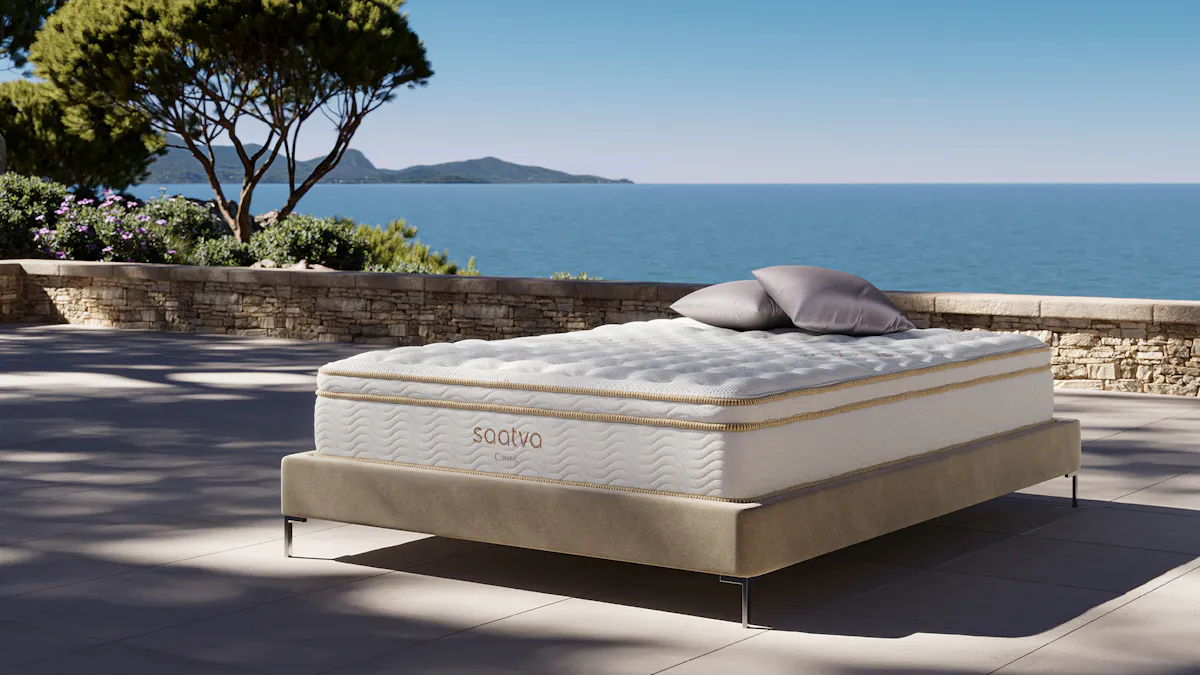
Not quite the right fit? The Saatva Classic is worth a look as an alternative. Check today’s price, sizing and return terms on the official product page before you order.
Saatva Classic
- 365-night home trial and lifetime warranty, per saatva.com
- Handcrafted in the USA, free white-glove delivery
- Flexible financing available
FAQ
Is Casper firmer than Emma?
Sleep Advisor generally describes Casper as medium-firm with a somewhat firmer transition, while Emma sits in a medium to medium-firm direction with softer upper-layer emphasis. That makes Casper the firmer-feeling choice within this comparison for many shoppers.
Regional versions may differ. Confirm the exact construction on the official local listing before using that broad comparison as your final answer.
Which mattress is better for side sleepers?
In a casper vs emma decision, Emma is the more natural starting point for side sleepers who prefer greater surface give. Its Airgocell and viscoelastic layers emphasize contouring, according to Sleep Advisor’s construction summary.
Casper remains a reasonable direction for a side sleeper who dislikes a close cradle. The better choice depends on how much sink you want around the shoulder and hip.
Which mattress is better for back or stomach sleepers?
Casper has the stronger construction case for back sleepers because Sleep Advisor characterizes its transition as firmer. That earlier resistance may also appeal to stomach sleepers who prefer a more held-up foam feel.
Neither broad label replaces checking the local model. A sleeper who normally needs a very firm or spring-forward surface may find that neither all-foam direction matches the desired response.
Do Casper and Emma sleep cool?
Casper uses perforated AirScape-style foam in applicable versions, according to Casper’s materials descriptions. Emma uses breathable Airgocell foam, according to Emma’s materials descriptions. Both designs address airflow within an all-foam mattress.
The cited descriptions do not establish a universal cooling winner. Room temperature, bedding, a mattress protector, and personal heat sensitivity can all influence the result.
Does Emma cost less than Casper?
Emma often has the lower base price in cross-market comparisons, according to Sleep Advisor. Promotions, regional configurations, delivery arrangements, and included accessories can change the final value comparison.
Check the current total for equivalent local models, then weigh that difference against Casper’s firmer transition and Emma’s softer surface. The less expensive mattress is only the better deal if its construction suits how you want to sleep.