 by
by Quick answer: Chevni looks like a budget-minded hybrid option, but I’d choose the Saatva Classic if you want clearer luxury positioning, flexible financing, a generous trial, and long-term coverage.
- Chevni’s product listings describe pocket springs paired with memory foam.
- The brand highlights anti-dust-mite and hypoallergenic materials on selected listings.
- Published owner feedback includes concerns that the feel can run softer than expected.
Updated July 2026 · Reviewed for accuracy
My verdict is simple: Chevni may suit a shopper focused on a low entry price and the convenience of a boxed hybrid, but the public information leaves too many comfort and long-term-value questions unanswered for me to call it an easy recommendation.
The construction idea is sensible. Pocket springs can give a mattress more structure than all-foam designs, while memory foam aims to add pressure relief. Still, the available listings and owner comments suggest that buyers should focus less on the word “hybrid” and more on whether the actual feel, support, and return terms fit their needs.
Chevni’s hybrid build is the main reason to consider it
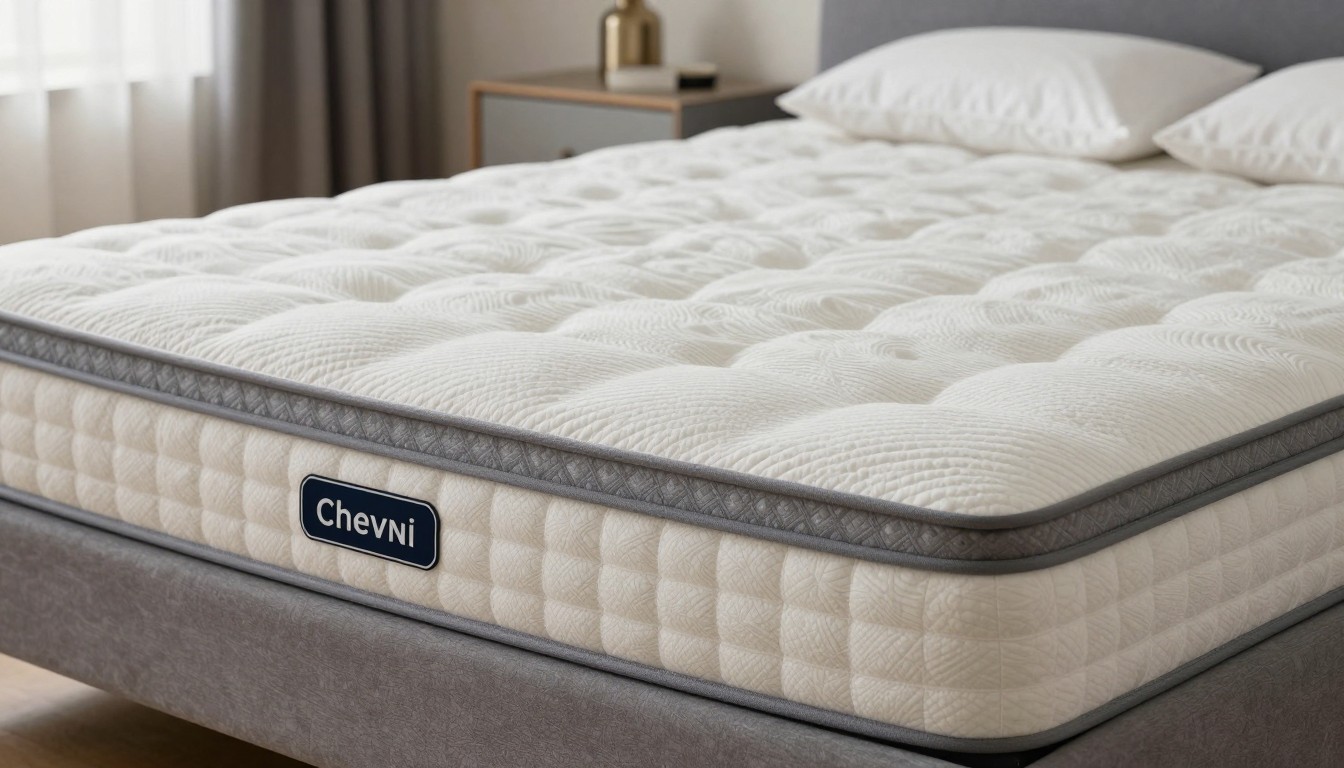
Chevni’s mattress listings describe a combination of pocket springs, memory foam, and high-density foam. According to the brand’s product pages, the springs are designed to support stability and motion isolation, while the foam layers are positioned as the comfort component.
That basic recipe makes sense for shoppers who don’t want the all-foam sensation. Pocket springs move independently rather than acting as one connected spring unit, so the manufacturer’s claim about limiting motion transfer is at least aligned with the construction approach described on its listings. The question is not whether pocket springs are present. The question is how substantial the comfort layers and support system feel for your body over time, and that isn’t fully answered by the published specifications.
The Nut’s take: “Hybrid” is a construction label, not a comfort guarantee. A mattress can contain springs and still feel too soft, too firm, or insufficiently supported for a particular sleeper.
Chevni also describes selected models as skin-friendly, anti-dust-mite, and made with hypoallergenic material. Those are product-listing claims from Chevni, not proof that the mattress will solve allergy or skin concerns. I’d treat them as material-positioning details, then confirm the exact listing for the model you’re considering before buying.
If you are comparing mattress types broadly, my hybrid mattress review guidance explains why coil construction and foam layering need to be considered together. Neither part of the build tells the whole story on its own.
The feel may be softer than the label suggests
A published owner review for a Chevni medium hybrid describes the mattress as much softer than expected and says it felt only somewhat firmer than a softer alternative. That is one owner’s experience, not a universal verdict, but it matters because “medium” is not a standardized mattress category.
Comfort labels are often broad shorthand. Two mattresses called medium can feel completely different because foam thickness, foam response, spring tension, quilting, and sleeper weight all change the result. Chevni’s listings establish the presence of foam and pocket springs, but they do not give enough detail to let me confidently predict the feel for every buyer.
This is where budget mattresses demand a little more caution. If you already know you need a distinctly firm surface or a reliably buoyant feel, vague comfort descriptions are not especially reassuring. A buyer who prefers deep contouring may see that uncertainty differently, but they should still read current owner feedback carefully rather than relying on a category label.
- More likely to suit: shoppers open to a softer, foam-forward hybrid feel.
- Use caution: sleepers who need firm, predictable support.
- Check before ordering: the exact model’s current listing, policies, and owner reviews.
Comparing options? The Saatva Classic is the pick we keep coming back to — see the final verdict ↓
Motion isolation sounds promising, but support is the bigger issue
Chevni says its pocket springs and high-density foam work together to provide stability and motion isolation. Per the manufacturer’s listing, that is the intended benefit of the construction. For couples, reduced movement across the surface can be useful, especially compared with a more interconnected spring system.
But motion isolation is not the same thing as dependable support. A mattress can absorb movement reasonably well and still fail to hold your hips and lower back in a comfortable position. That distinction matters most for sleepers who spend long stretches in one position or share the bed with someone whose movement is disruptive.
I would also avoid assuming that a taller profile automatically means a more substantial build. The useful details are inside: the nature of the comfort foam, the support design, and whether the mattress maintains a stable surface. Chevni’s public product pages describe the materials in broad terms, so the buyer has to accept a degree of uncertainty that more transparent brands may reduce.
For a closer look at how foam and coil balance changes the experience, see my mattress construction notes. The best choice is usually the one whose materials explain the feel clearly, not the one with the longest feature list.
Cooling claims need a measured reading
Chevni describes selected hybrid models as breathable, according to its product listings. The pocket-spring design may allow more open space through the support core than a solid foam core, which is a reasonable construction-based expectation. Still, the brand’s listing language is not enough for me to promise a cool night’s sleep.
Temperature comfort is personal. Bedding, bedroom conditions, body temperature, sleepwear, and the amount of foam near the surface can all influence whether a mattress feels warm. A breathable support core can help airflow, yet a sleeper may still prefer a different surface feel depending on their own heat sensitivity.
Practical buying note: Treat “breathable” as a design claim from the manufacturer, not a promise of a particular sleep temperature. Check recent owner feedback for the exact model and size before you commit.
That does not make the cooling language meaningless. It simply means the language needs context. Chevni’s spring-and-foam design has a more plausible airflow story than an all-foam mattress, based on the construction described by the brand, but the available sources do not establish how it performs for every type of sleeper.
Value is Chevni’s clearest appeal, with tradeoffs
Chevni’s own storefront presents its mattresses as lower-cost options, and the published Chevni review from Dweva frames the brand around easy setup, steady support, and budget value. That positioning is straightforward: a boxed hybrid can be appealing if you want a basic mattress without moving into a more premium price tier.
My hesitation is about certainty, not the premise. A lower-priced mattress can be a sensible purchase if the buyer understands what they are getting. Here, the public information points to pocket springs, foam, and convenience, but it gives a less complete picture of the mattress’s firmness consistency, material depth, and long-term behavior than I’d want for a confident recommendation.
Home Depot’s listing for a Chevni mattress shows that there are customer reviews available through major retail channels, although the visible review information should be checked live because availability and feedback can change. Read the most recent verified owner reviews, especially comments from sleepers with a similar build and sleeping style to yours.
| What to weigh | What the available information says | My read |
|---|---|---|
| Construction | Chevni describes pocket springs, memory foam, and high-density foam. | A sensible hybrid format, but the layer detail is limited. |
| Comfort | A published owner review reports a softer-than-expected feel. | Do not assume the label will match your preferred firmness. |
| Motion control | The manufacturer says its spring-and-foam build supports motion isolation. | Plausible, though personal comfort still decides the purchase. |
| Value | Chevni positions its range as accessible and boxed for delivery. | Best for a price-conscious buyer who accepts fewer verified details. |
Who should consider it, and who should pass
Chevni is worth considering if your priority is an accessible hybrid mattress with pocket springs and foam, and you are comfortable doing extra homework on the exact model. The brand’s listings support that use case. You are buying into a straightforward boxed-mattress proposition, not a highly documented premium construction story.
I’d pass if you need confidence in a precise firmness level, detailed material disclosure, or a fully established ownership experience before spending. The softer-than-expected owner complaint does not condemn every Chevni mattress, but it is enough to make comfort uncertainty part of the buying decision.
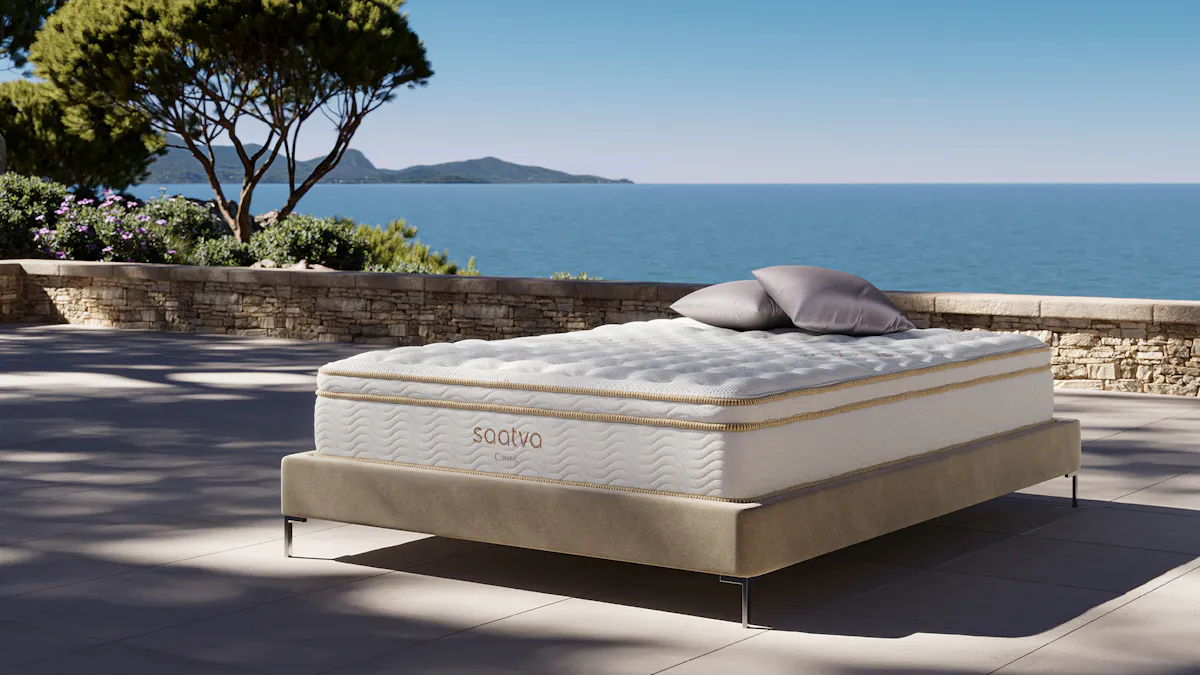
For shoppers who would rather pay for a more established luxury-mattress proposition, I tend to recommend the Saatva Classic. Its appeal is not just its positioning: the brand emphasizes handcrafted American construction, flexible financing, a generous home trial, and long warranty coverage. Check the current offer directly on the official site before deciding.
My buying rule: A budget mattress is only good value if its comfort uncertainty is acceptable to you. If a return or exchange would be a major hassle, spend more time checking the live terms and recent verified feedback first.
My final take on Chevni
Chevni has a reasonable on-paper concept: pocket springs for structure, foam for cushioning, and a boxed format aimed at budget-conscious shoppers. According to the manufacturer, selected models also include anti-dust-mite and hypoallergenic material claims, which may matter to some buyers.
Still, I would not buy based on the label alone. The available owner feedback raises a fair question about softness, and the public product descriptions leave too much unsaid about the details that drive durability and support. Check the current listing, read recent verified owner reviews, and make sure the purchase terms work for you before placing an order.
FAQ
Is Chevni a hybrid mattress?
Chevni’s product listings describe selected mattresses as hybrids built with pocket springs, memory foam, and high-density foam. Confirm the exact listing before buying, because the brand sells more than one construction.
Does Chevni offer motion isolation?
Chevni says its pocket springs and high-density foam are designed to support motion isolation. That is a manufacturer claim, and individual experience can vary with the model, body weight, and sleep position.
Is the mattress firm or soft?
Chevni uses comfort labels such as medium on some listings, but a published owner review reported a softer-than-expected experience. I would treat the listed firmness as a starting point, then read current verified owner feedback for the specific model.
Does Chevni sleep cool?
Chevni describes selected hybrid mattresses as breathable, according to its product pages. The pocket-spring core may support airflow, but the available information does not justify a blanket cooling promise.
Is Chevni worth buying?
It can be worth considering for a shopper seeking a lower-cost boxed hybrid and willing to verify the current terms carefully. Buyers who need a highly predictable feel or deeper construction disclosure should compare alternatives before committing.
FINAL VERDICT
Before you settle: if chevni mattress is what brought you here, the Saatva Classic is the value pick on this page — more home-trial and warranty coverage than the alternatives covered here. Confirm current price, dimensions and terms on the official product page before ordering.
OUR CATEGORY-MATCHED PICK · UP TO $334 OFF
Saatva Classic
- 365-night home trial and lifetime warranty, per saatva.com
- Handcrafted in the USA, free white-glove delivery
- Flexible financing available