 by
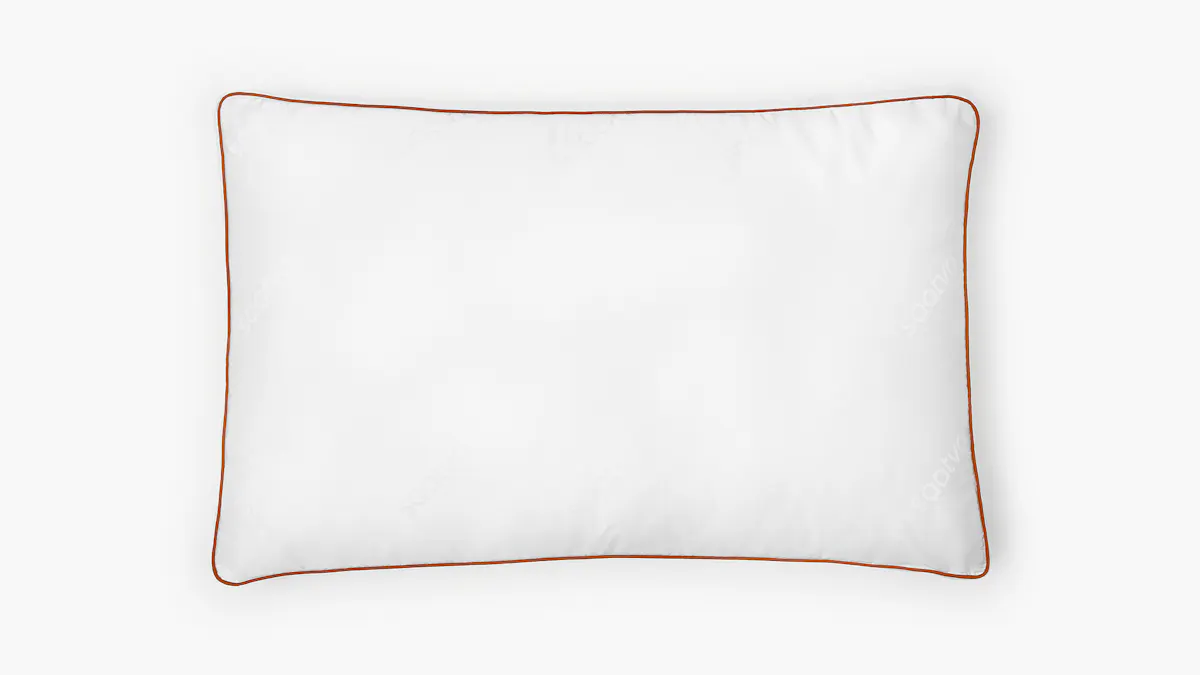
by Quick answer: Buy a purpose-shaped case for a contour TEMPUR pillow. A standard case can work on a classic shape, but it can bunch and fight the pillow’s support. The Saatva Pillow is my alternative if you’d rather replace the pillow than chase a specialty case.
- TEMPUR-FIT ergonomic cases are made for specially shaped pillows, according to TEMPUR UK.
- Tempur-Pedic says its ProPerformance cases use a high-stretch knit designed to wick moisture.
- Its Luxe Egyptian set uses long-staple Egyptian cotton with a dense weave, according to the Tempur-Pedic Outlet.
Updated July 2026 · Reviewed for accuracy
The right pillowcase for a Tempur pillow is the one that follows its shape without pulling it flat. That matters most with contour and ergonomic designs, where a loose, standard rectangle can leave excess fabric at the edges or tug across the neck cradle.
My take is simple: prioritize fit first, then fabric. Tempur-Pedic’s own shaped cases are the cleanest match for formed pillows, while a soft standard case can make sense only if your pillow itself is a conventional rectangular model.
Start with the pillow shape, not the fabric label
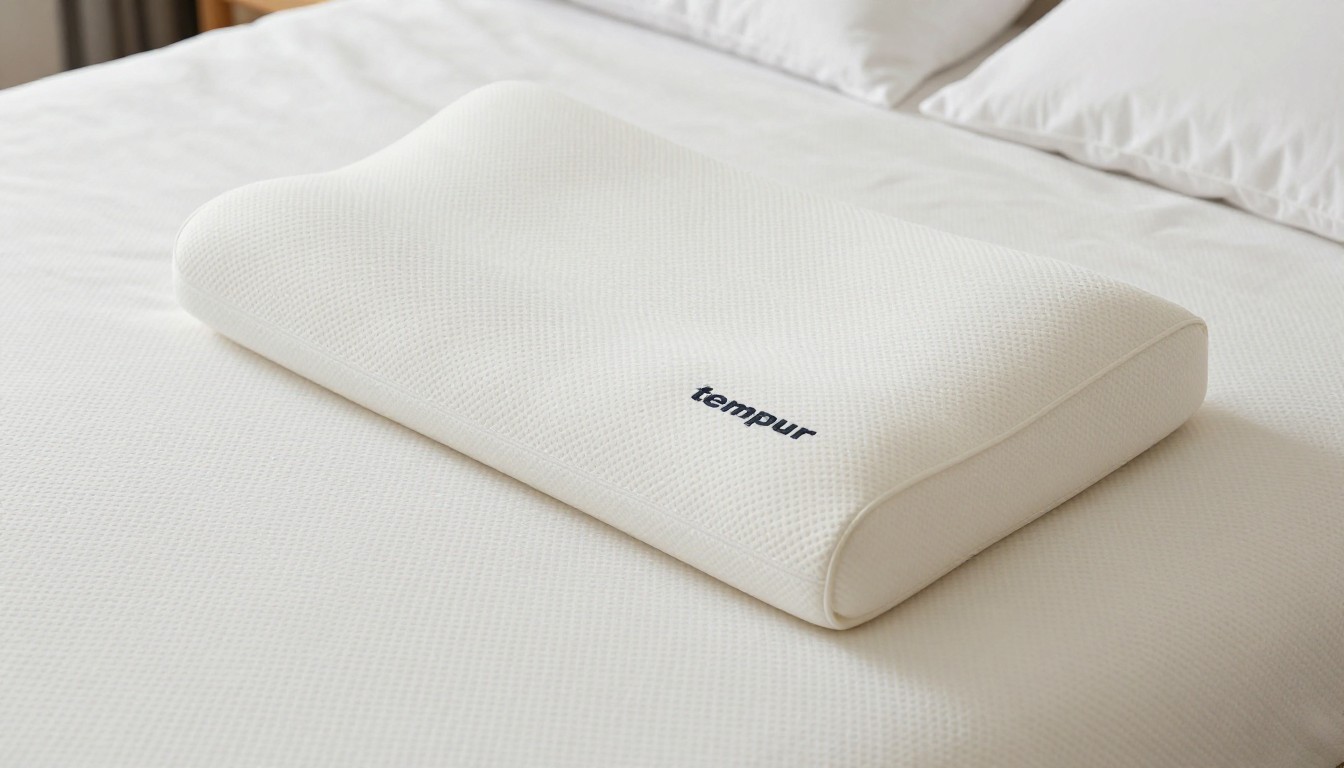
A contour pillow needs a contour case. TEMPUR UK describes its TEMPUR-FIT Ergonomic Pillow Case as being made for its specially shaped or formed pillows, which is exactly the distinction shoppers need to make before buying anything.
Memory foam does not behave like a lofty down-alternative fill. It compresses slowly and holds a defined profile. If the pillow has curves, raised sides, or a lower center for the neck, a generic case can create folds right where your face and neck rest. The case is not changing the foam itself, but it can make that profile feel less tidy.
The Nut’s rule: A formed pillow deserves a formed case. Save standard pillowcases for standard-shaped pillows.
TEMPUR UK also says its ergonomic cotton case is intended to provide crease-free comfort. I’d treat that as a practical fit claim, not magic. A correctly cut case has less spare material to collect beneath your cheek, and less tension trying to pull the pillow’s contoured surface out of place.
If you are unsure what you own, inspect the pillow without its cover. A flat rectangular block has more flexibility in case choice. A pillow with an obvious neck channel, wave, slope, or sculpted shoulder area should send you toward the manufacturer’s matching ergonomic case.
Why stretch matters on TEMPUR material
High-stretch knit is the smarter construction for foam that compresses under your head. Tempur-Pedic says its ProPerformance Pillow Cases use premium, high-stretch knit fabric designed to draw moisture away from the body. The useful part here is the stretch, because it lets the case move with the pillow instead of acting like a tight shell around it.
A rigid, tightly woven case can still feel pleasant, particularly if you like a crisp cotton hand. But on a responsive foam pillow, it has less give. That can make the pillow feel more constrained around the edges, especially if the case is undersized or the pillow is unusually thick.
Moisture-wicking language is also worth reading carefully. Per Tempur-Pedic, the ProPerformance fabric is designed to pull moisture away from the body. That is a fabric-level feature, not a promise that any pillow will stay cool in every bedroom. Foam, room temperature, bedding layers, and the sleeper all remain part of the equation.
| Case construction | Best use | What to watch |
|---|---|---|
| Shaped ergonomic cotton case | Contour or formed TEMPUR pillows | Confirm that the cut matches your pillow’s specific profile |
| High-stretch knit case | Foam pillows that compress and recover slowly | Stretch does not replace a properly matched shape |
| Dense cotton case | Classic rectangular pillows and buyers who prefer a smoother weave | Less flexible fabric may feel restrictive on thick foam |
I would not buy a cooling-sounding case solely because the label says cooling. I’d first make sure it fits the pillow, then decide whether the manufacturer’s moisture-management claim and the feel of a knit fabric suit you better than a denser cotton weave.
Comparing options? The Saatva Pillow is the pick we keep coming back to — see the final verdict ↓
Dense cotton is about surface feel and wear
Long-staple Egyptian cotton is the material story behind Tempur-Pedic’s Luxe Egyptian Pillow Case Set. According to the Tempur-Pedic Outlet, the fabric has a dense weave and uses long-staple Egyptian cotton; the outlet also connects longer, finer yarns with a more luxurious feel and improved durability.
That makes sense as a construction preference. Longer-staple cotton is commonly valued for producing finer yarns, and a denser fabric can feel smoother and more substantial against the skin. Still, the case has to be compatible with the pillow beneath it. A beautiful cotton case that strains across a curved pillow is the wrong buy.
For a conventional TEMPUR pillow, this is where the decision gets more personal. Choose the denser cotton route if you want a classic, polished hand feel and the product’s stated durability angle appeals to you. Choose stretch knit if you want the cover to follow compression more readily.
Material reality check: Cotton, knit, and moisture-wicking finishes change the surface experience. They do not turn an ill-fitting case into a good-fitting one.
Don’t confuse a pillowcase with a pillow protector, either. A pillowcase is the outer layer you sleep on. A protector is an additional barrier that may sit beneath it. Adding layers can alter the surface feel of slow-moving foam, so keep your setup as simple as you can while still following the pillow maker’s care instructions.
If the words “pillow sham” appear in a listing, pause before ordering. A sham is often a decorative cover rather than the fitted everyday layer you want against your face. My guide to pillow shams versus pillowcases explains the functional difference and why the closure style matters.
Fit problems show up at the edges and neck cradle
The most obvious sign of a bad match is not always a dramatic wrinkle. It is often a case that creeps around the corners, leaves a pocket of empty fabric at one end, or draws tight across the raised side of a contour pillow.
That is especially relevant for sleepers who bought a Tempur pillow for its intentional geometry. The contour is there to create a particular resting surface. A case with too much material can bunch in the lower channel; one with too little can flatten the raised areas under tension. Neither outcome makes the foam defective. It simply means the textile layer is working against the shape.
TEMPUR UK positions its shaped pillowcase range for ergonomic and classic pillows, and says the fabric is designed to need no ironing. The low-maintenance point is nice, but I care more about the split between ergonomic and classic designs. It acknowledges that pillow shape determines the proper cover.
Before you buy, use the product listing’s compatibility language as your first filter. Look for clear wording that the case is intended for a specially shaped, contour, ergonomic, or formed pillow. If the listing only refers to ordinary pillowcase sizing without discussing shape, it may be a better fit for a classic rectangular pillow.
Buy with confidence if: the listing explicitly names your pillow type, the closure will not add bulk under your neck, and the fabric choice matches the surface feel you want.
Keep shopping if: you are relying on stretch alone to fit a sculpted pillow, or the listing gives no indication that it works with a formed design.
Cooling claims need a narrower reading
Tempur-Pedic’s ProPerformance case is described by the manufacturer as its most moisture-wicking pillowcase, made with a knit fabric that draws moisture away from the body. That is a useful feature for people who dislike a damp or sticky surface feel.
But moisture management and cooling are not identical. A fabric can be designed to move moisture while the foam below still has its own insulating character. That is why I would choose a case based on what it demonstrably does, rather than expecting it to solve every heat-related complaint.
The practical benefit of knit is that it can combine a softer, more flexible hand with movement that suits foam compression. The practical benefit of a dense cotton case is a smoother, more tailored surface. Neither is universally better. Your pillow shape and preferred feel should make the call.
For more context on how a conventional Tempur design differs from a contour-style option, see my Tempur Cloud Pillow review. The core lesson carries over here: understand the pillow’s profile before assuming one cover format will suit every model.
Who should buy a dedicated case, and who can use a standard one
Buy a dedicated ergonomic case if your pillow has a defined contour. That is the cleanest answer. TEMPUR-FIT cases are designed for specially shaped pillows, according to TEMPUR UK, so they are the logical starting point for owners of formed models.
A standard case can be reasonable for a classic rectangular TEMPUR pillow, provided it sits smoothly without pulling at the corners. This is less about chasing a prestigious fabric name and more about preserving the surface you actually bought the pillow for.
I’d lean toward a high-stretch option if the foam pillow feels thick, dense, or slow to compress. I’d lean toward the Luxe Egyptian cotton style if you have a classic shape and want the denser cotton construction described by the Tempur-Pedic Outlet. In both cases, check the current product details on the official site before purchasing because compatibility language is more valuable than generic category labels.
If you are weighing whether the pillow itself is still the right fit, read the Tempur-Pedic Pillow review before buying more accessories. A new case can improve fit and surface feel, but it cannot change a pillow shape that no longer suits your sleep position.
A different route if the pillow is the real problem
If your frustration is the pillow rather than its case, don’t keep spending around the issue. The Saatva Pillow is the category alternative I’d consider for shoppers who want to move away from a specialty-shaped foam setup and prefer a different pillow approach.
That is not a knock on Tempur pillows. A purpose-shaped foam pillow can be a good match for someone who likes its profile and uses the right cover. But if the case hunt has become a symptom of broader discomfort, a replacement pillow is a more honest decision than endlessly trying to tune the outer fabric.
My advice is to solve one problem at a time. If your current pillow feels right bare or in its original cover, buy the compatible case. If the underlying pillow is what you dislike, reassess the pillow category first.
FAQ
Do I need a special pillowcase for a Tempur contour pillow?
Usually, yes. TEMPUR UK says its TEMPUR-FIT ergonomic case is designed for specially shaped or formed pillows, which is the right design logic for a contour profile. A standard case may fit over it, but it can leave excess fabric or pull across the shape.
Can I use a regular pillowcase on a classic TEMPUR pillow?
A regular case can work if the pillow is a conventional rectangular shape and the fabric lies smooth without strain. Check how the case behaves at the corners and along the edges rather than assuming every standard cover will fit the same.
Are moisture-wicking pillowcases actually cooler?
Tempur-Pedic says its ProPerformance case uses a high-stretch knit intended to draw moisture away from the body. That can help with surface moisture, but it is not the same as a promise of cooler sleep in every setting.
Is Egyptian cotton a good choice for a foam pillow?
It can be, particularly for a classic rectangular pillow. According to the Tempur-Pedic Outlet, its Luxe Egyptian case uses long-staple Egyptian cotton in a dense weave, a construction intended to deliver a more luxurious feel and durability. Just make sure the case is not too restrictive for the pillow’s profile.
What is the biggest mistake shoppers make with Tempur pillowcases?
They buy by fabric alone. Fit should come first, especially for a sculpted pillow. Once the case is clearly compatible with the shape, choose between flexible knit and denser cotton based on the surface feel you prefer.
My final take
For pillowcases for Tempur pillows, fit is the whole ballgame. Choose a shaped case for a shaped pillow, and use fabric as the tiebreaker. Stretch knit is the sensible direction for a cover that needs to move with foam; dense long-staple cotton suits shoppers who prefer a more traditional, substantial surface on a classic pillow.
Don’t pay for a fancy label that fights the pillow’s construction. Buy the cover that lets the pillow keep doing its job.
FINAL VERDICT
Before you settle: if pillowcases for tempur pillows is what brought you here, the Saatva Pillow is the value pick on this page — the strongest trial-and-return terms of the options covered here. Confirm current price, dimensions and terms on the official product page before ordering.
OUR CATEGORY-MATCHED PICK
Saatva Pillow
- Shredded natural latex core, per saatva.com
- 45-day free returns
- Machine-washable organic cotton cover