

 by
The short answer is yes, you can get a Coastal Nancy Meyers Aesthetic for a Breezy Hamptons Feel without gutting your room. I started with a cramped rental, a cold gray sofa, and one sad ceiling light. I changed the order of the decisions, kept the best imperfections, and ended up with a room that feels airy, warm, and lived-in.
I used this Nancy Meyers color palette guide as a starting point, but the room only came together once I stopped treating the look like a shopping list.
Here's what it looked like before
The room tells you most of it. You can see the narrow room, the flat lighting, and the furniture pushed against every wall as if the floor were dangerous. Your eye probably lands on the television first, then the pile of mismatched storage beside it.
I didn't begin with a shopping list. I sat in the room at three different times of day, because your space changes dramatically between pale morning light and the blue cast after sunset. The bones weren't terrible.
They were simply buried under too many small decisions, and I knew I couldn't spend my way out of that.
- Paint the Salt-Air Base in a Warm White
- Layer the Three-Texture Rule
- Swap Matching Furniture for the Two-Wood Rule
- Can a Small Room Carry a Coastal Style Aesthetic?
- Frame the Windows With Floor-Length Linen
- Hang Art at the Human Height
- Build the Three-Height Light Stack
- Mix Coastal Blue With Soft Earth
- Anchor the Room With One Old Thing
- Choose Soft Hardware Over Shiny Contrast
- Keep the Kitchen Connection Visible
- Style the Shelves With the Three-Object Pause
- Let the Room Keep One Quiet Corner
1Paint the Salt-Air Base in a Warm White
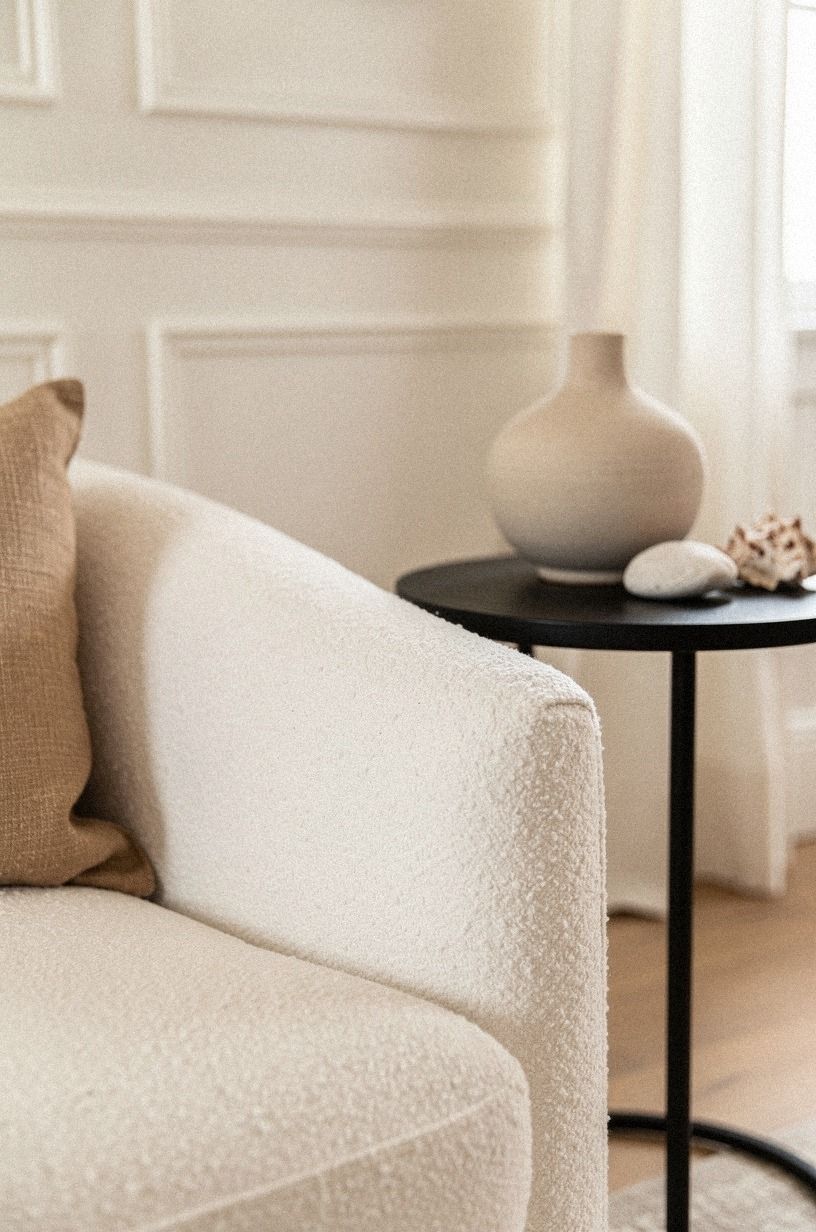
I started with Benjamin Moore White Dove OC-17 because the room needed light without turning icy. The old gray paint made the windows look smaller, while this warm white caught the afternoon sun and sent it across the floor. You don't need a huge room for this coastal style, but you do need walls that won't argue with every other color.
My first coat looked uneven, and I nearly stopped there. Don't.
Two thin coats gave the walls a soft, chalky presence, especially against the organic bouclé upholstery. If you're choosing paint for your own room, test it beside the trim and at night.
A color that feels airy at noon can look flat under one overhead bulb.
I linked the paint choice to this Nancy Meyers color palette guide before buying anything. You can use the same process with Farrow & Ball Mouse’s Back No.40 if your room needs a quiet camel accent rather than cream.
I also saved the Nancy Meyers cozy lived-in look guide for its advice on balancing pale walls with warmer materials.
2Layer the Three-Texture Rule
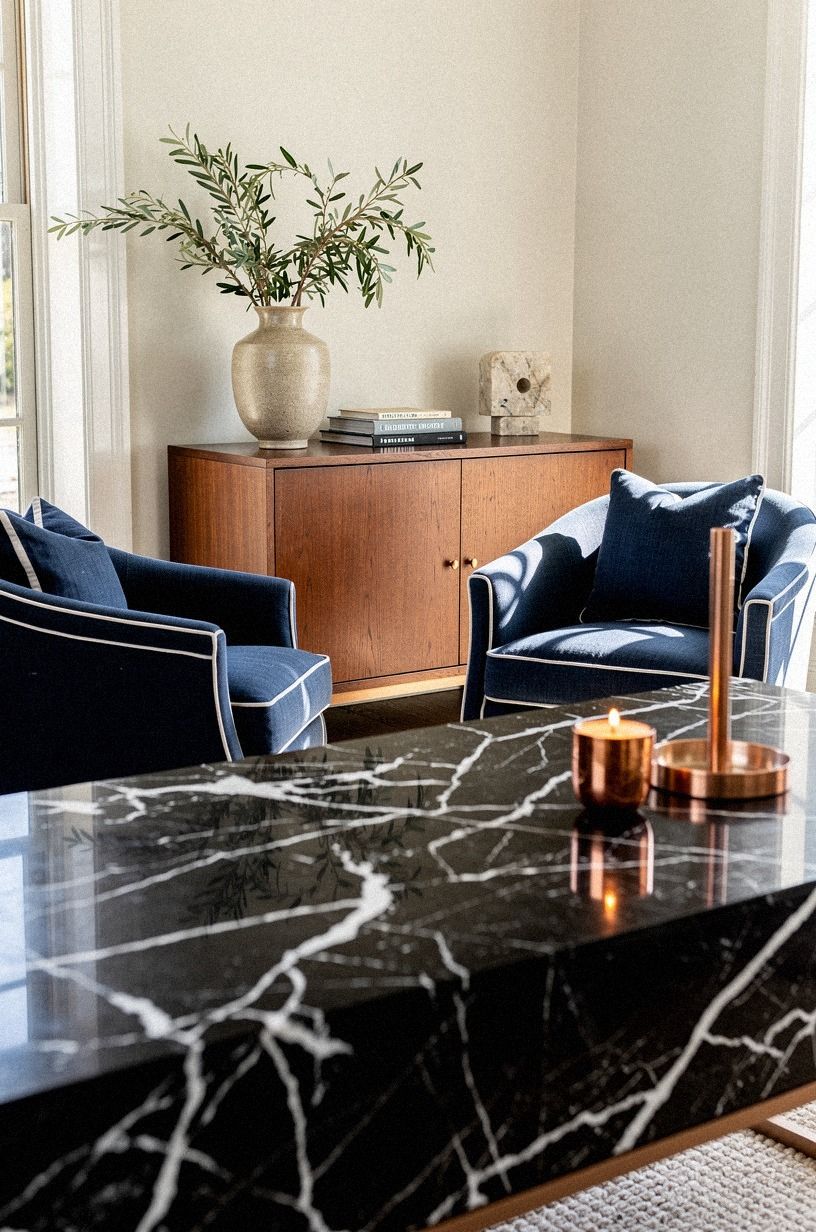
The room felt sparse because every surface was smooth. I fixed that with the Three-Texture Rule, which means you need one nubby, one crisp, and one soft texture within arm's reach of where you sit. Your eye reads that mix as warmth before you consciously notice the objects.
I chose midnight-blue linen for the curtains, a copper tray on the Nero Marquina black marble table, and an ivory lumbar pillow. The linen filters the light without making the windows look dressed up for a hotel, while the marble's white veining adds crisp contrast. You don't need matching fabric, and I’d skip a coordinated pillow set because it makes the room feel staged.
The affordable version was simple. Your existing ivory cotton blanket, a copper tray, and one textured cushion can do the work.
I used this Nancy Meyers cozy lived-in look guide when I got stuck between adding more objects and adding better texture. Less clutter won.
The Nancy Meyers living room ideas also helped me see why the room needed contrast rather than a matching textile collection.
3Swap Matching Furniture for the Two-Wood Rule
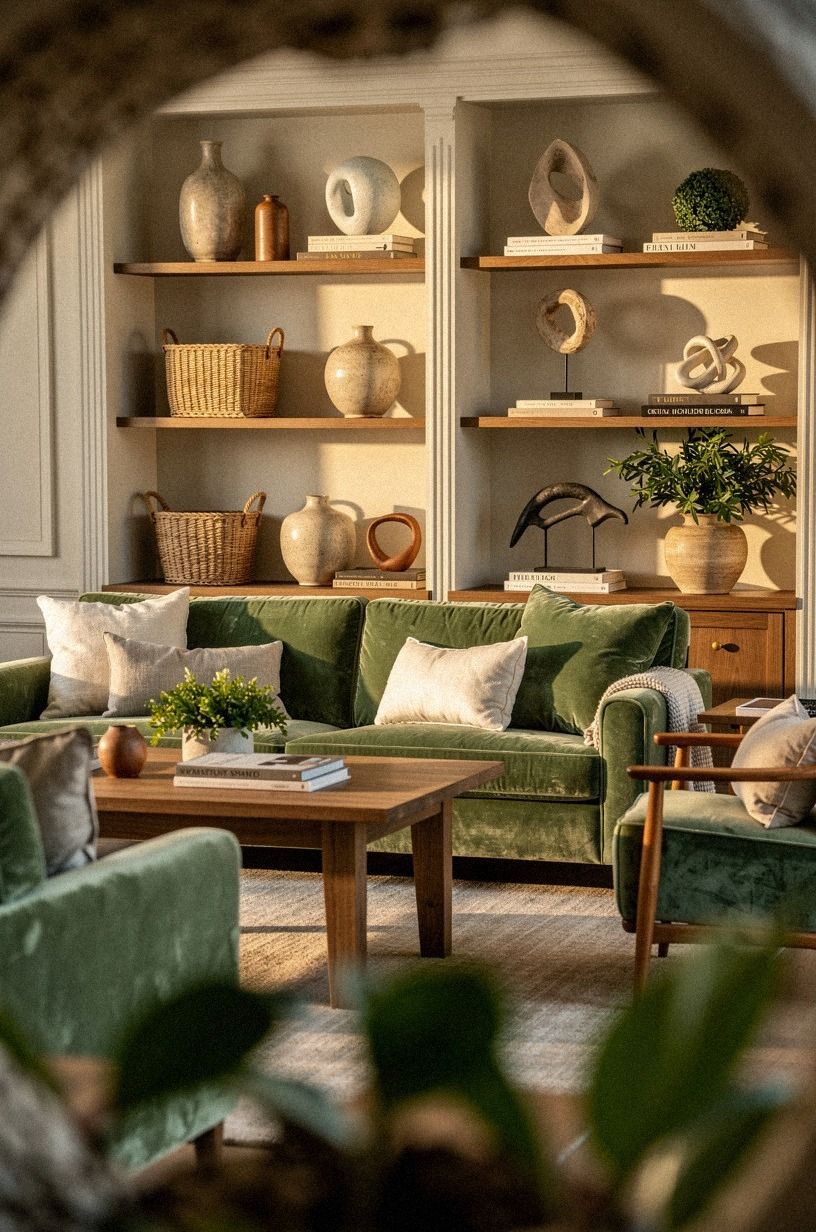
I had three pieces in the same natural-wood finish, and together they looked like a furniture showroom from 2004.
4Can a Small Room Carry a Coastal Style Aesthetic?
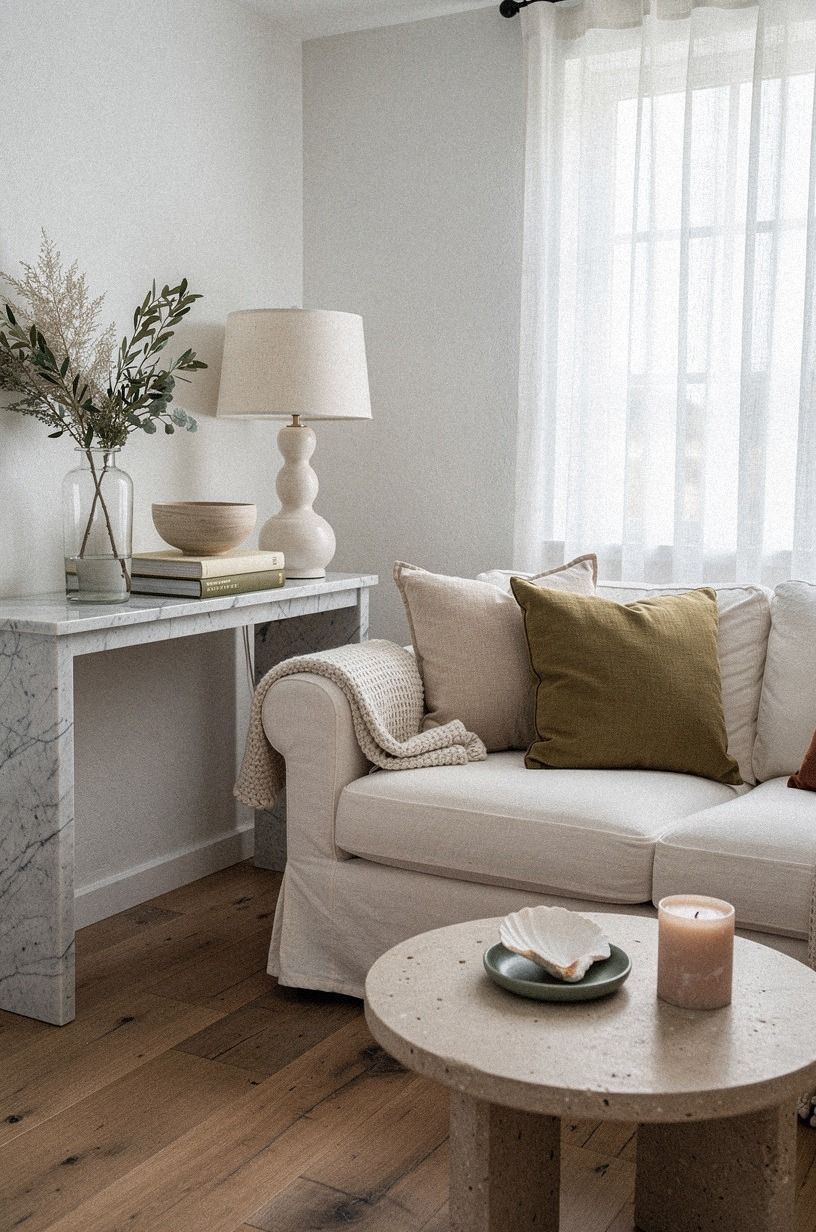
Yes, but your furniture needs breathing room around it. I pulled the sofa four inches from the wall and removed one narrow chair that blocked the walkway. That small shift made the room feel more inviting because you could move through it without turning sideways.
The rug became the quiet boundary. I chose a 9×12 wool rug because the front legs of the sofa and chair could overlap it, which made the seating group feel intentional instead of scattered.
If your room can't take that size, use the largest rug that lets the main furniture sit partly on top. A tiny rug floating in the middle will make your room feel chopped up.
Would I use a round coffee table here? No. Your rectangular room benefits from a low oval coffee table or softened rectangle, and I chose the latter because it left more clearance near the door.
The Nancy Meyers living room ideas helped me see the floor plan before I bought another object.
Because the room opens toward the kitchen, I also borrowed one idea from this coastal cottage kitchen guide: keep the main sightline calm.
5Frame the Windows With Floor-Length Linen
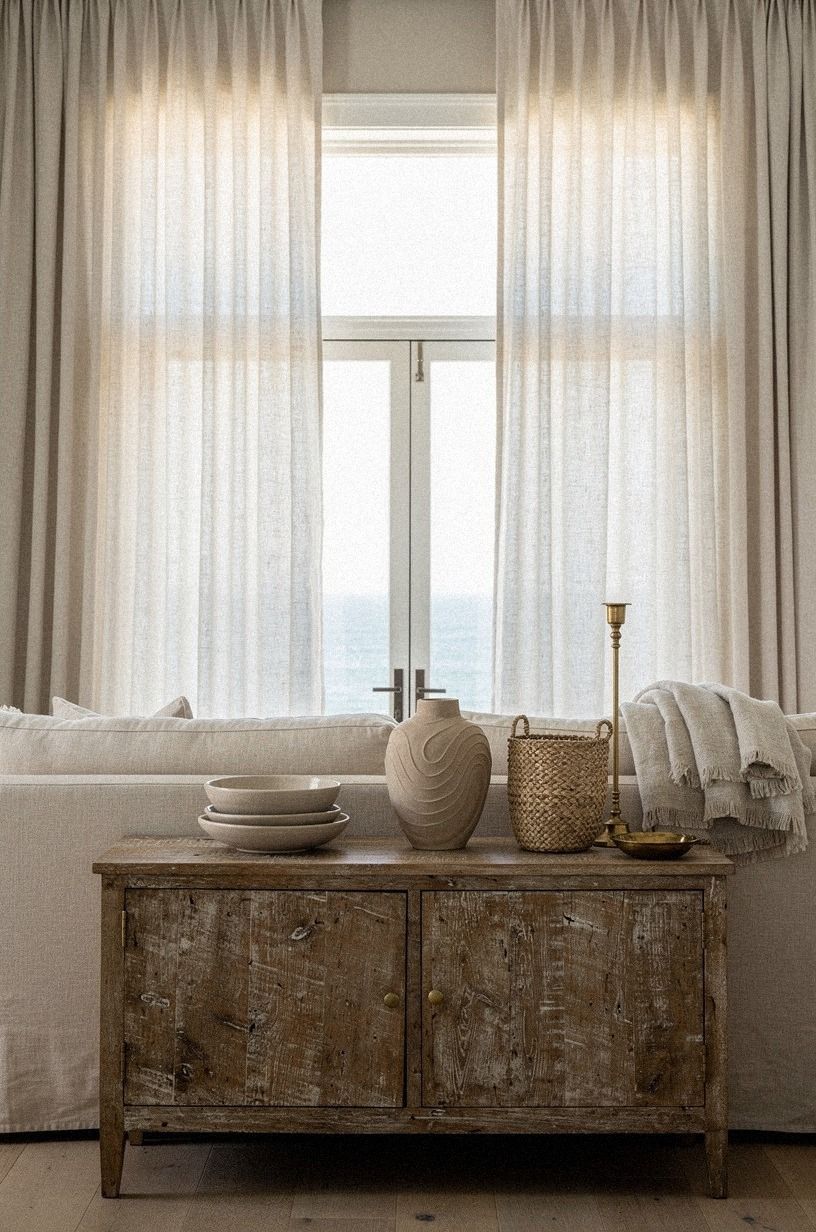
The windows were the most valuable feature in the room, but short curtains made them look squat. I hung the rod 4 to 6 inches above the frame and let the panels fall all the way to the floor. Your eye travels upward, then follows the fabric down, so the whole wall gains height.
I used clay linen drapes with a loose weave rather than heavy blackout panels. They move when the window is open, and that little movement gives the room a breezy feeling even on a still day.
I’d skip puddled fabric in a small space. It collects dust and makes a clean coastal room look fussy.
The first rod was too low. I moved it before lunch, and the difference was immediate! If you're working with a rental, a tension rod and removable hooks can still give your windows softness.
Your curtain hem should barely kiss the floor, not pool in a corner.
For color, I returned to the Nancy Meyers color palette guide and stayed with warm whites and clay accents instead of introducing another competing neutral.

6Hang Art at the Human Height
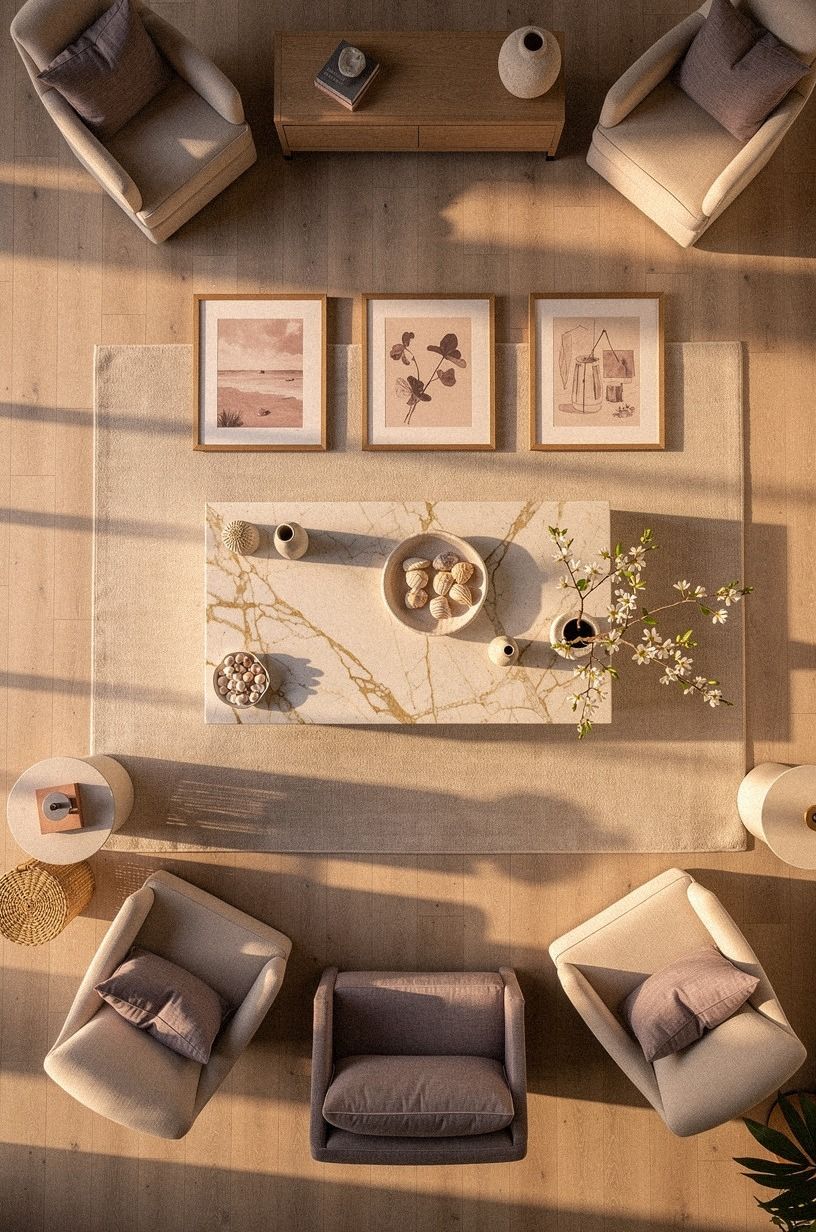
I used to hang art too high because the wall looked empty above the sofa. The better measurement was simple: keep the center of the artwork around 57 to 60 inches from the floor. Your eye lands there naturally, and the composition feels connected to the people sitting below it.
The art itself was a faded harbor print in a thin rose-gold frame. I chose Calacatta marble with subtle gold veining for the small ledge below it because the pale stone repeated the room's softness without becoming a matching set. You can create the same effect with a thrifted frame, a black-and-white family photograph, or a small landscape that has more plum and gray than bright blue.
I grouped three pieces with uneven spacing instead of lining them up like a waiting room. One frame sits slightly lower, which makes the arrangement feel collected over time.
If you're unsure, lay everything on the floor first. Your wall doesn't need a gallery's precision; it needs a point of view.
The Nancy Meyers living room ideas gave me a useful reminder: art should support the seating arrangement, not float above it.
7Build the Three-Height Light Stack
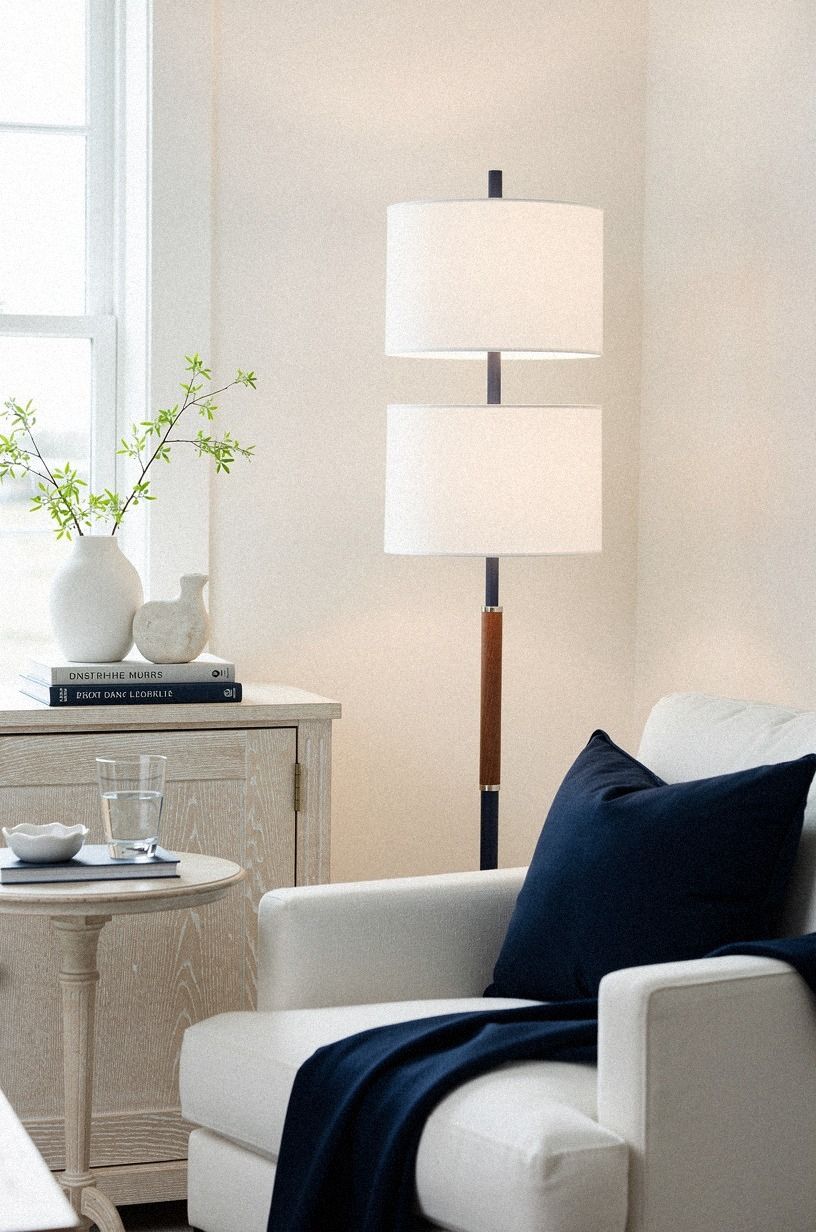
The ceiling fixture was harsh, so I built a Three-Height Light Stack with overhead, task, and ambient sources.
8Mix Coastal Blue With Soft Earth
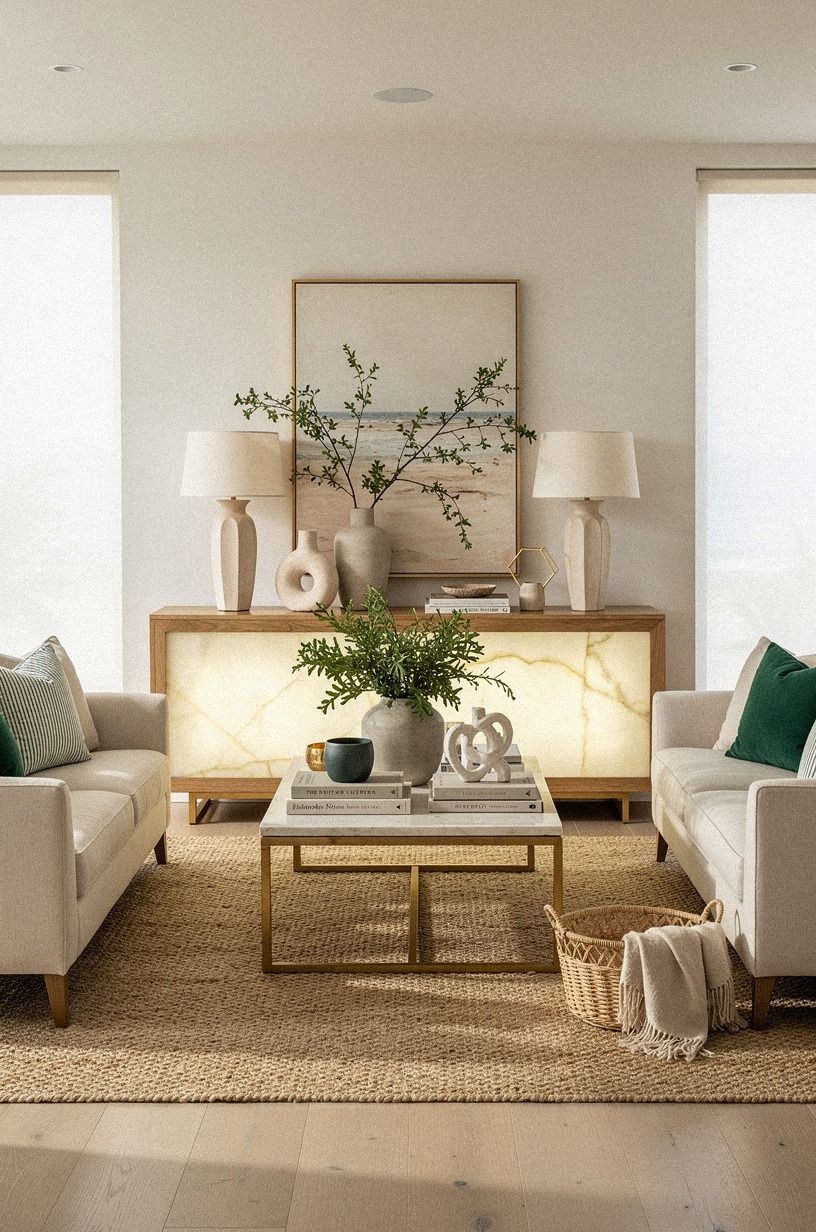
I didn't want a room full of obvious emerald accents, so I used green as a deep shadow color rather than a theme. The base stayed warm cream, while emerald appeared in one painted cabinet and a small ceramic bowl. Your eye notices the color without feeling surrounded by it.
Then I added aged gold and a little backlit translucent onyx. The combination felt more sophisticated than green and cream alone because the stone kept the room from looking like a themed rental. I’d skip bright turquoise unless you want a sharper, more tropical direction.
My favorite moment came when light moved through the backlit translucent onyx and softened the emerald nearby. That's the kind of change you want from a material. It won't look identical in every room, and that’s good.
Your light should have a say in the final palette.
I cross-checked the Nancy Meyers color palette guide before adding the gold accent. It kept the room soft rather than nautical.
9Anchor the Room With One Old Thing
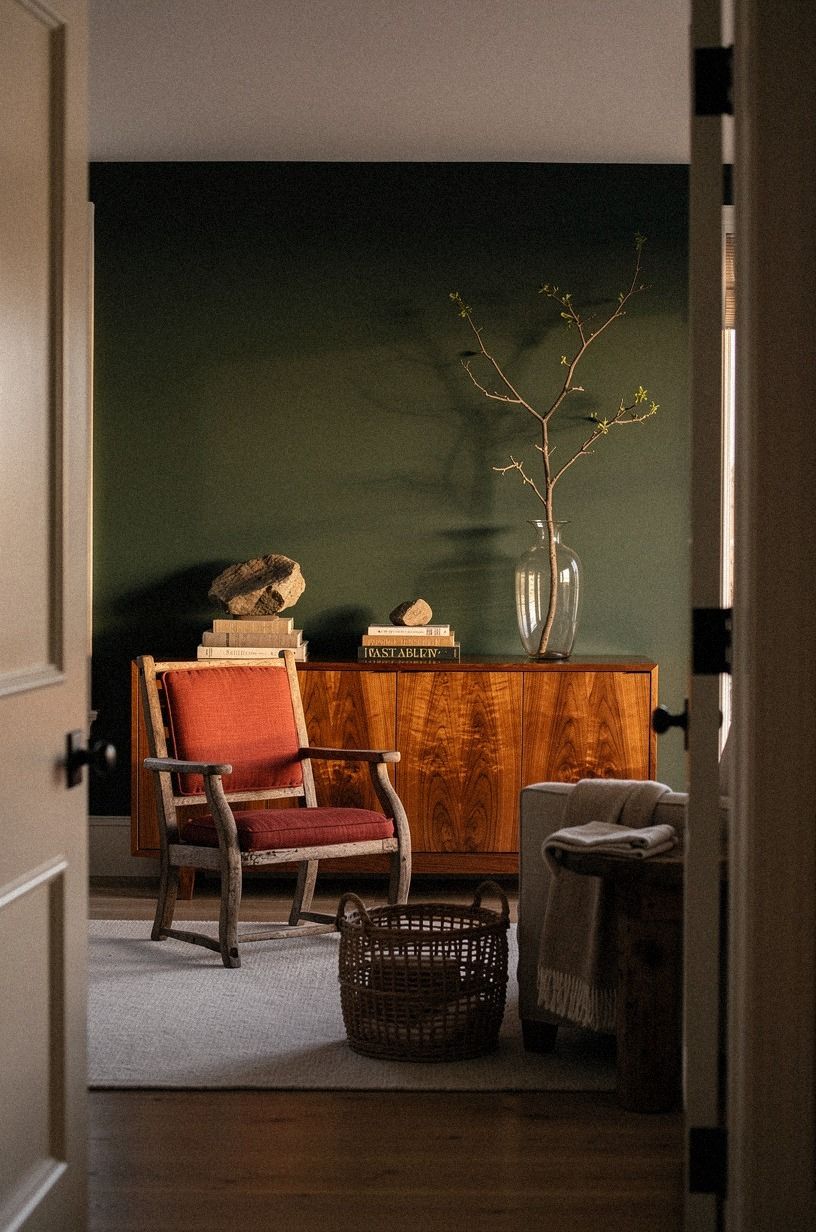
The room needed history, so I brought in a chipped natural-oak stool from my grandmother's house.
10Choose Soft Hardware Over Shiny Contrast
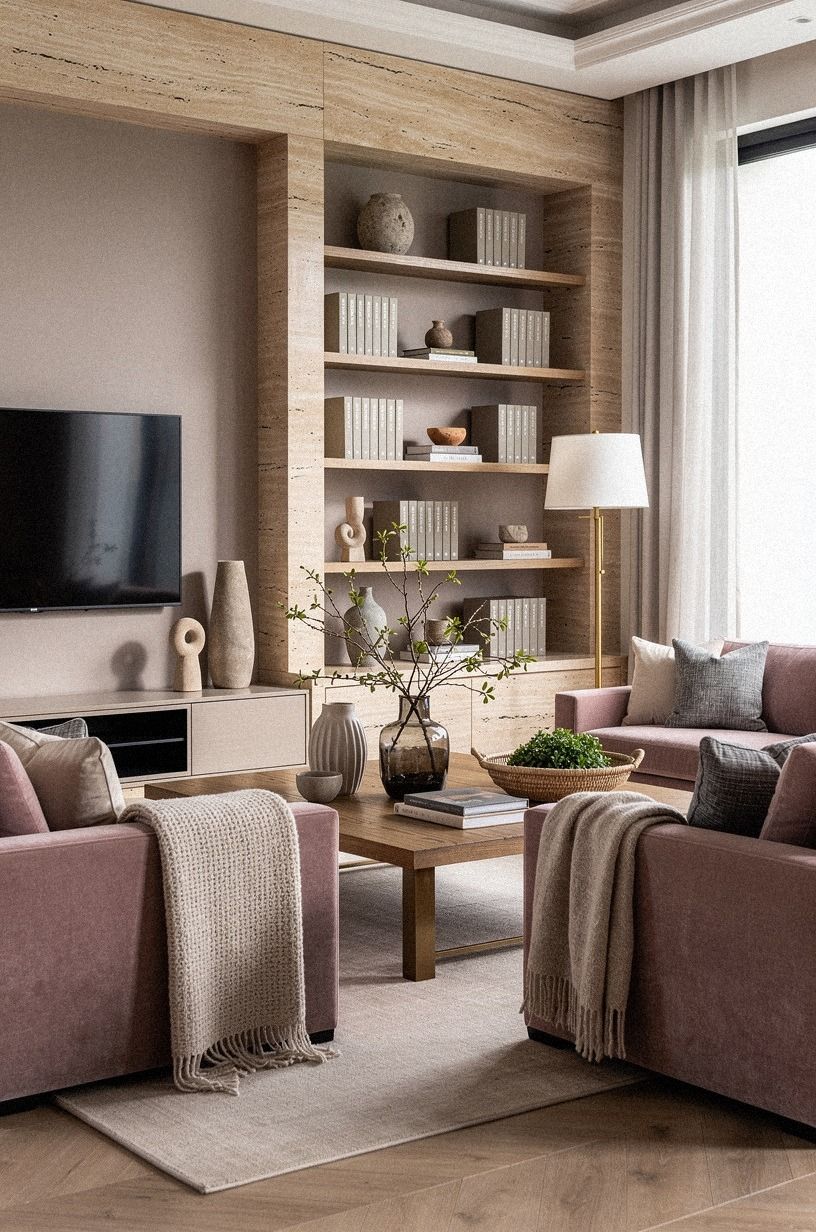
The old cabinet pulls were bright chrome, and they flashed every time the sun crossed the room. I replaced them with unlacquered brass that will develop a softer patina over time. Your hand notices the material before your eye does, especially on drawers and doors you use every day.
I chose simple cup pulls for the lower cabinets and small round knobs above. They aren't identical, but they share the same warm metal. I’d skip polished gold here because it would pull the room toward glamor instead of the relaxed New England home interior aesthetic I wanted.
This was a small change, but it gave the cabinet more weight. You can make the same move with existing hardware if you clean it well and use a matte finish. I tested one pull first, a useful pause before committing, then changed the rest over an evening.
The Nancy Meyers living room ideas reinforced the same principle: small material changes can matter more than another decorative purchase.
11Keep the Kitchen Connection Visible
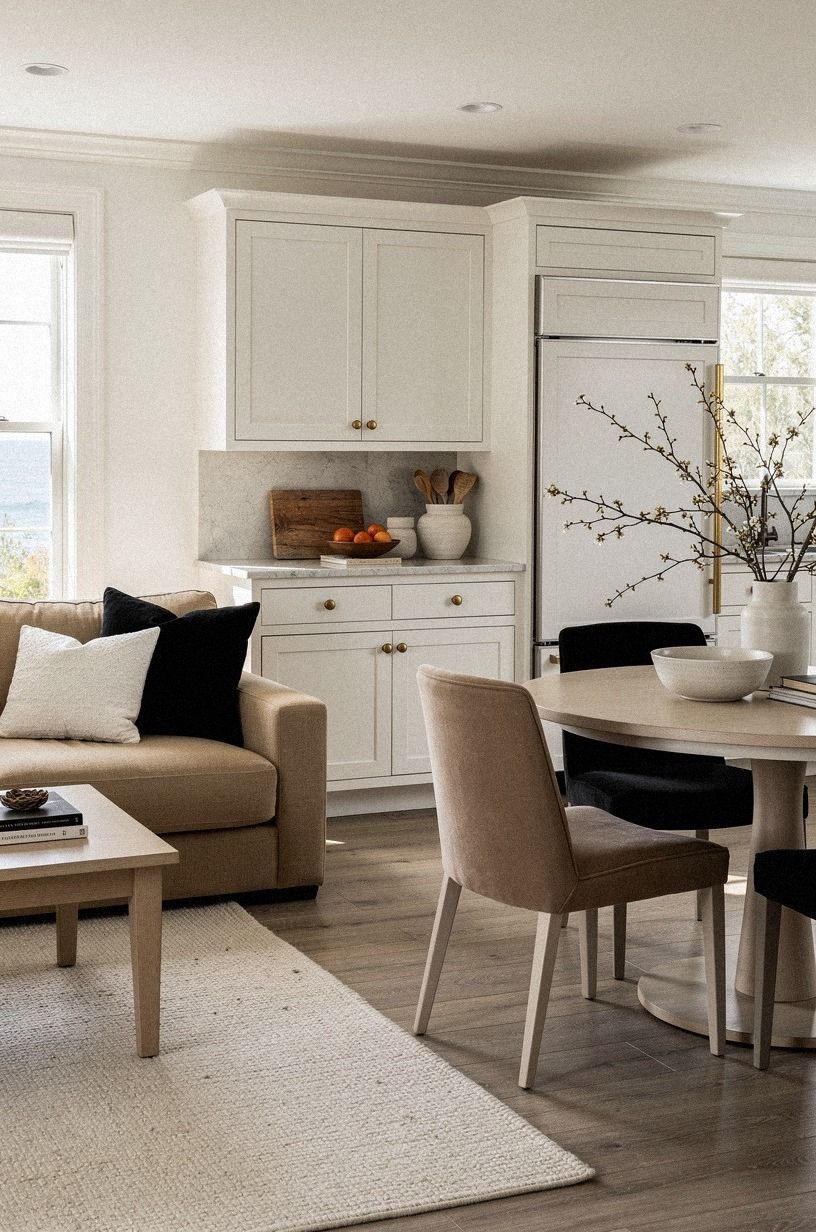
The living room felt separate from the kitchen, even though the spaces shared one open plan. I repeated the room's materials with an unlacquered brass tray on the kitchen counter and a black cutting board near the sink. Your eye moves through the space more smoothly when colors and textures appear twice.
I also cleared the counter beside the window. The old appliance pile blocked the light, so I moved daily items into a single basket and left one section open. You don't need an empty kitchen to get a breezy Hamptons feel, but your most visible surface should have some quiet.
I’d skip themed coastal signs and decorative shells. They tell the story too literally.
A bowl of lemons, a striped cotton towel, and warm wood will carry the idea with more restraint. The coastal cottage kitchen guide helped me connect the two rooms without making them identical.
I also used the Nancy Meyers living room ideas to check that the living room still felt like the main destination.
12Style the Shelves With the Three-Object Pause
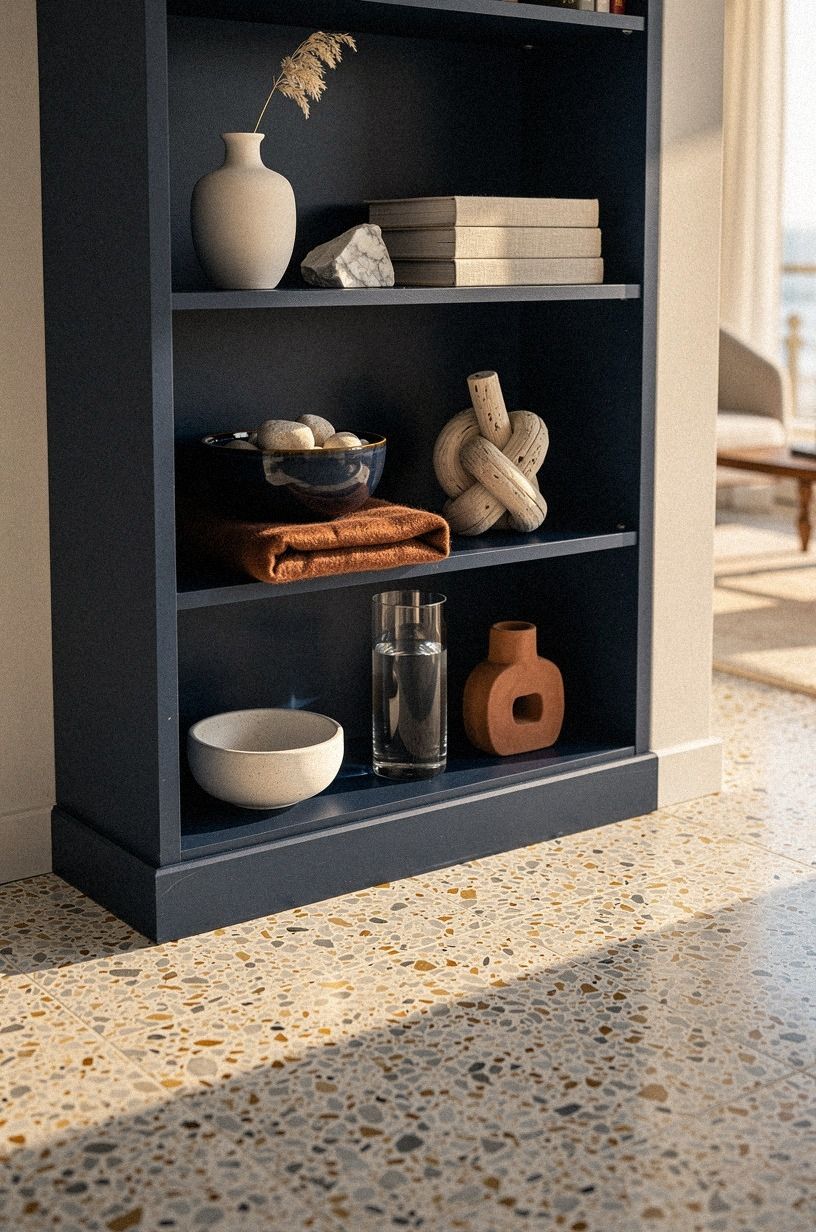
The bookcase looked busy because I filled every opening.
13Let the Room Keep One Quiet Corner
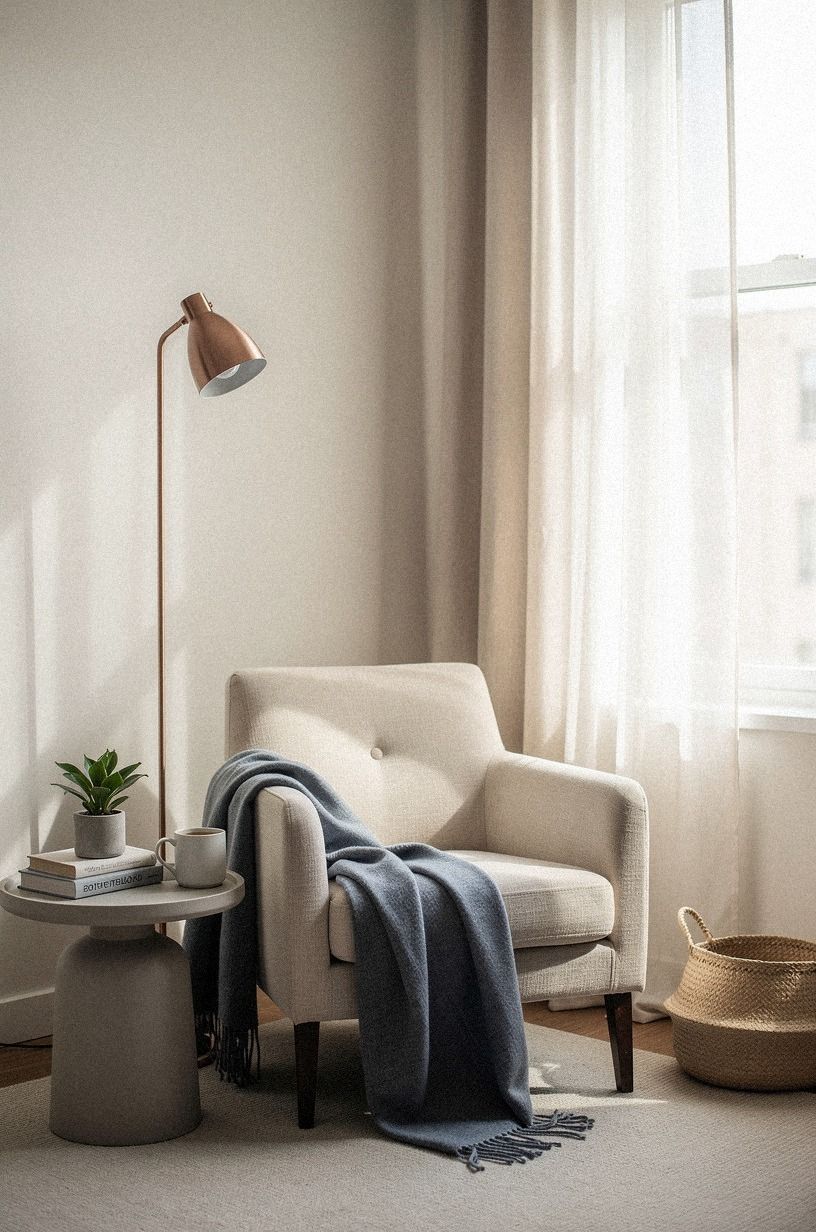
The final decision was to stop furnishing one corner. I left a reading chair, a floor lamp, and a small basket there, then refused the urge to add a side table, plant, and artwork immediately. Your room needs one place that feels open rather than solved.
The chair sits against sage hand-applied Venetian plaster, which gives the quiet corner texture without shouting for attention. A paperback and a folded cotton throw make it useful, not decorative. I sat there with coffee the next morning, and the room finally felt calm because nothing was competing with the windows.
You don't need to fill every wall to make your home feel finished. I’d rather see one quiet corner than six small purchases that create visual noise. If you're working in a rental, this approach pairs well with the removable ideas in the Nancy Meyers nursery guide, especially its focus on softness without permanent work.
How Much It Cost
I kept the first pass inside the budget tier, but the honest range depends on what you already own. Paint, textiles, art, and organization can stay in the $200-$800 range, while new furniture and lighting move the project into a different category. I reused the sofa, chair, books, and family stool, which kept the makeover from becoming a full-room purchase.
The materials that changed the room most were not all expensive. Linen drapes can sit between $120 and $400 per pair, while a statement light fixture may range from $150 to $800. A wool rug can land between $400 and $1,500, so I’d prioritize the rug only after confirming your layout.
Your free upgrades come first: move furniture, remove clutter, lower the art, and change the 2700K bulbs. Then spend on the item your room lacks most. Mine needed light control and texture, not another decorative object.
I used the Nancy Meyers color palette guide to keep the budget focused on paint and materials rather than unnecessary color changes.
Why I Chased This Look Instead of a Perfect Hamptons Replica
I didn't want my room to look like a film set. I wanted the feeling those rooms suggest: books left open, lamps turned on before sunset, a table that can handle a wet glass, and fabrics that don't require careful behavior.
The difference matters. A replica gives you a list of objects, while a real room needs a rhythm that fits your life.
The Nancy Meyers style works for me because it holds two ideas at once. It can be refined and relaxed, bright and slightly moody, orderly without being precious. I used warm white walls, pale wood, linen, and soft blue, but I kept the chipped stool and the crooked photograph because your home should show time passing.
That tension is what makes the room feel inviting rather than staged.
I also learned that coastal design isn't a color recipe. It’s about light, proportion, and materials that age well.
Farrow & Ball Pigeon worked because the room receives warm afternoon sun, while the same color could feel heavier in a darker space. Benjamin Moore White Dove gave me a reliable base, but it didn't solve the room by itself.
The curtains, lighting, floor plan, and empty corner did more.
Would I make every decision the same way again? No. I’d buy the rug sooner and wait longer before choosing art.
Still, the room now feels like somewhere I can live, not somewhere I need to keep untouched. That was the result I wanted most.
The Nancy Meyers living room ideas helped me keep that distinction clear while I edited the final details.
A Few Things Worth Answering
What is the best Coastal Nancy Meyers Aesthetic for a Breezy Hamptons Feel for a small coastal nancy meyers breezy?
The best small-room approach is warm white walls, one pale wood piece, and layered linen. An IKEA KALLAX birch-effect unit can add storage without visual weight, while a large rug keeps your seating connected. Choose fewer, larger gestures so your room feels calm rather than crowded.
Where can I buy Coastal Nancy Meyers Aesthetic for a Breezy Hamptons Feel pieces on a budget?
IKEA, Wayfair, and Target are useful starting points for textiles, lighting, and simple furniture. You can also find solid wood pieces on Facebook Marketplace or at a thrift store. Look for natural materials, then ignore the original finish if the shape works for your room.
How much does a Coastal Nancy Meyers Aesthetic for a Breezy Hamptons Feel makeover cost?
A partial makeover can fit the typical $200-$800 budget tier when you reuse furniture and focus on paint, textiles, art, and organization. Moving furniture, editing shelves, and changing bulbs cost nothing, so begin there before buying a rug or light fixture.
Can I create a Coastal Nancy Meyers Aesthetic for a Breezy Hamptons Feel on a budget?
Yes, and your first three moves can be free or inexpensive. Rearrange the seating, remove half the shelf objects, and replace cool bulbs with warmer bulbs. Then add thrifted linen, secondhand art, or a painted cabinet before considering new furniture.
Is a Coastal Nancy Meyers Aesthetic for a Breezy Hamptons Feel worth it in a small space?
Yes, because a small room benefits from a limited palette and clear materials. Keep the main rug large enough for furniture overlap, use floor-length curtains, and leave one corner open. Those choices make your space feel more generous without adding storage or construction.
Is a Coastal Nancy Meyers Aesthetic for a Breezy Hamptons Feel a good idea for a rental?
Yes. Use removable hooks, a tension curtain rod, peel-and-stick paper inside a cabinet, and freestanding lamps. You can create softness through linen, baskets, and furniture placement, so your rental doesn't need permanent changes to feel personal and warm.
For another way to connect soft materials across rooms, I’d also revisit the coastal cottage kitchen guide.
Where I'd Start First
If I had to pick one, I'd start with the lighting. One harsh ceiling source can flatten every warm material in your room, while three softer pools make linen, wood, and paint change through the evening. Switch the bulbs tonight, then sit back and see what your room was hiding.