 by
by Quick answer: I’d be careful with Cobio. The Saatva Pillow is the cleaner alternative if you want a clearly presented pillow purchase, while Cobio shoppers should verify the exact seller, model, and return terms first.
- Amazon describes a contour-shaped memory foam pillow with a polyester-weave cover.
- Cobio listings market the pillow to back, side, and stomach sleepers.
- Amazon, Cobio’s own storefront, and eBay present inconsistent listing details and pricing.
Updated July 2026 · Reviewed for accuracy
Cobio looks like a contour memory foam pillow sold through several storefronts, but the listings don’t give me enough consistency to call it an easy buy. Amazon supplies the clearest material and shape description, while Cobio’s storefront and eBay listings leave more for the shopper to confirm.
That doesn’t mean the pillow is automatically poor. It means you need to buy the listing, not just the name. Check who is selling it, what version you are receiving, where it ships from, and how returns work before you place an order.
My Cobio Pillow Verdict
The central issue is listing consistency. Cobio is presented as an ergonomic contour pillow in multiple places, yet the product details and asking prices vary noticeably between Amazon, the Cobio storefront, and eBay, according to their current listings. That creates a basic value problem: you cannot judge a pillow fairly until you know whether each seller is offering the same model.
Amazon’s listing provides the most concrete description. It calls the item a contour relief pillow made with memory foam, a polyester-weave cover, and a butterfly-style shape. The Cobio collection page also presents a contour relief pillow, while the store homepage labels an ergonomic pillow. eBay offers a new-item listing under the same general Cobio umbrella. Those descriptions point in a similar direction, but they are not a substitute for a single clear, standardized product page.
The Nut’s take: A contour pillow can be a sensible design, but I won’t treat matching names across storefronts as proof that every listing is identical. Confirm the photos, materials, fulfillment details, and return terms before you pay.
I’d consider Cobio only if the seller can clearly answer those questions. If the listing is vague, or the return policy is hard to locate, I’d pass. Pillows are personal purchases, and ambiguity is not a feature worth paying for.
The Construction Is Familiar, but the Listing Matters More
Memory foam is the key material claim attached to this pillow. According to Amazon’s product description, the fill is memory foam and the outer fabric is a polyester weave. Memory foam is commonly used in contour pillows because it can hold a molded shape more readily than loose fill, but the listing alone does not establish how firm, dense, durable, or breathable this particular foam will feel over time.
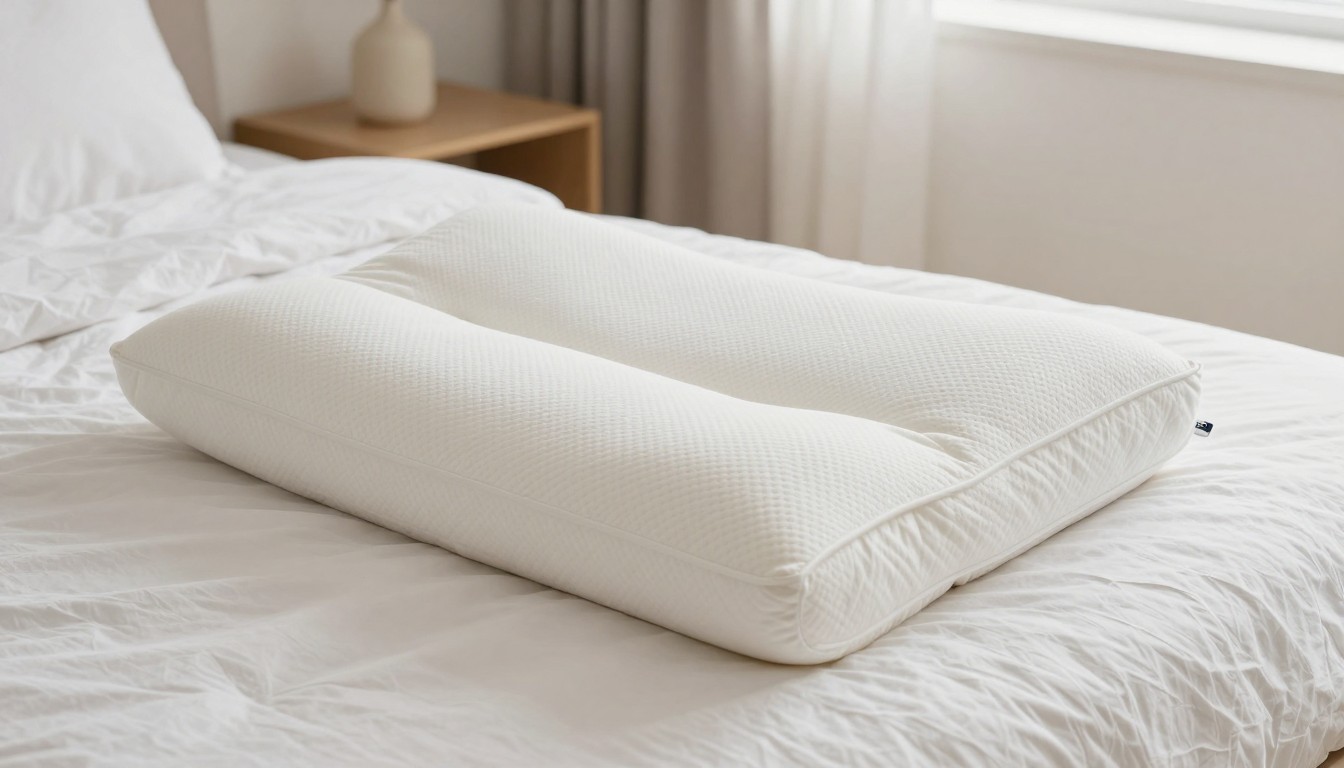
The butterfly contour shape is the more useful detail. A shaped pillow can create a central cradle for the head and raised areas around it, which is the design Cobio’s sellers appear to be pursuing. Amazon describes that butterfly form directly, while Cobio’s own marketing emphasizes ergonomic positioning and alignment. Those are product-positioning claims from the sellers, not independent medical findings.
That distinction matters. A contour can feel supportive to one sleeper and restrictive to another. Your preferred sleep position, shoulder width, mattress firmness, and sensitivity to a fixed foam feel all affect whether a molded pillow works for you. The listings say Cobio is intended for several sleeping positions, but a broad compatibility claim does not tell you whether its shape will suit your body.
- Material claim: memory foam, according to Amazon.
- Cover claim: polyester-weave fabric, according to Amazon.
- Shape claim: butterfly-style contour construction, according to Amazon.
- Use claim: marketed for several sleep positions by Amazon and Cobio’s storefront.
For a pillow like this, I’d focus less on the word “ergonomic” and more on the physical design shown in the images. Look at the center depression, the height of the raised edges, and whether the cover appears removable. If a seller doesn’t show those details clearly, you are being asked to make a comfort decision with too little information.
Comparing options? The Saatva Pillow is the pick we keep coming back to — see the final verdict ↓
Comfort Depends on Whether You Like a Fixed Contour
A molded memory foam pillow does not behave like a traditional loose-fill pillow. Its whole point is to preserve a particular outline. That can appeal to sleepers who dislike repeatedly refluffing a pillow, but it can frustrate anyone who changes positions often or likes to fold, bunch, or reshape their pillow during the night.
Cobio’s marketing frames the contour as a way to support alignment and ease tension, according to Amazon and the Cobio collection page. I’d read that as marketing language, not a health promise. Neither listing replaces medical advice, and neither proves that the pillow will solve pain or sleep problems for a particular person.
Side sleepers should pay close attention to the distance between their shoulder and head. Back sleepers should consider whether a central cradle feels natural or overly prescribed. Stomach sleepers may find a substantial contour shape less flexible than a flatter, softer pillow, even though Cobio’s listings market the pillow to them as well. Those are fit questions that no storefront description can answer for you.
If you usually prefer a simpler pillow construction, compare Cobio’s fixed foam profile with the more conventional designs discussed in my Utopia Bedding pillow review. The point is not that one construction wins for everybody. It is that a contour pillow asks you to accept a more specific feel.
Cooling Claims Need a Little Skepticism
The Amazon listing identifies a polyester-weave cover, but it does not provide enough detail to establish a meaningful cooling advantage. A cover can change the first touch of a pillow, yet the foam underneath and the pillow’s molded shape also affect how enclosed your head feels through the night.
I would not buy this pillow because of broad better-sleep or comfort language. Cobio’s storefront and Amazon listing use benefits-oriented claims around relief and positioning, but they do not present independent thermal testing or clinical evidence in the information described. Treat those statements as seller claims.
Buying tip: If temperature is your main concern, inspect the exact cover description, care instructions, and product photos on the specific seller’s page. Don’t assume a contour foam pillow will sleep cool because the listing uses comfort-focused language.
This is also why seller identity matters. One storefront may show fuller specifications, while another may use a shorter description and different images. I’d want the detail page saved before ordering, especially if the price looks unusually high or unusually low compared with another Cobio listing.
Seller Verification Is the Real Value Test
Cobio’s listings appear across Amazon, Cobio’s own store, and eBay, according to those storefronts. That alone is not unusual. The problem is that the current listings do not make comparison effortless. The official storefront’s homepage, collection page, Amazon listing, and eBay listing present different product labels or commercial positioning.
Start with the seller name. On a marketplace, the platform is not always the seller, shipper, or party handling your return. Then compare the product photos, the shape, the listed materials, and the included cover. If any of those differ, assume you may be looking at a different variant until the seller confirms otherwise.
Next, read the return terms in full. Cobio’s homepage advertises a satisfaction guarantee, according to the official store, but the relevant question is the exact policy that applies to the item and storefront you are using. Confirm the eligibility conditions, the return process, and whether the seller identifies any exclusions before you buy.
| Where it appears | What the listing contributes | What I’d verify |
|---|---|---|
| Amazon | The clearest description of memory foam, polyester-weave fabric, and a butterfly contour shape, according to Amazon. | The marketplace seller, return terms, and whether the photos match the item you expect. |
| Cobio storefront | Ergonomic and contour-relief marketing, according to Cobio’s homepage and collection page. | The exact model name, material details, shipping information, and applicable guarantee terms. |
| eBay | A separate new-item route for the same general product category, according to eBay. | Seller feedback, fulfillment source, listing photos, and the platform-specific return policy. |
A low displayed price does not automatically make one listing the better value, and a high displayed price does not prove it is a premium version. It may reflect a different seller, different fulfillment, a different model, or simply inconsistent merchandising. Compare like with like, then check the current offer only after you have confirmed that the product is actually the same.
Who Cobio May Suit, and Who Should Skip It
Cobio may suit you if you actively want a memory foam contour pillow and are comfortable buying only after checking the exact listing details. The Amazon description gives a reasonable starting point for shoppers who specifically want a molded butterfly-style pillow rather than a standard bed pillow.
It may also appeal to someone who wants a pillow that keeps its designed shape instead of shifting around like a loose-fill model. That is an inference from the contour memory foam construction described by Amazon, not a promise about long-term performance. Foam quality and comfort can vary, and the public listings do not provide enough standardized detail for a confident durability call.
I’d skip Cobio if you want transparent specifications and a straightforward way to compare the same item across sellers. I’d also skip it if you need a pillow that you can easily reshape during the night. A fixed contour is a specific choice, and it is better to make that choice deliberately than to be swayed by relief-focused advertising.
My buying filter: Buy only after the seller, product images, materials, fulfillment route, and return policy all line up. If they don’t, keep looking.
For another perspective on how a named pillow can be presented with a clearer product identity, see my Tuft & Needle Premium Pillow review. It is useful context for evaluating how much product detail a pillow listing should give you before asking for your money.
Is It Worth Buying?
Cobio is not an automatic avoid. The contour memory foam concept is easy enough to understand, and Amazon’s listing provides a more concrete description than the other sources reviewed here. But the inconsistent storefront presentation keeps me from giving it a broad recommendation.
My verdict is simple: Cobio can be worth considering only when the individual seller provides a clear match between the product description, photos, shipping details, and return policy. If that information is incomplete, the safest move is to walk away. There are too many personal comfort variables in a pillow purchase to add avoidable seller uncertainty on top.
If you decide against the contour format altogether, a more traditional pillow may make more sense. My Utopia Bedding Cooling Gusseted Pillow review explains the different tradeoff: a gusseted profile aims for a more familiar pillow shape rather than a deeply molded contour.
FAQ
Is Cobio a memory foam pillow?
Amazon describes the Cobio contour relief pillow as using memory foam. The same listing also identifies a polyester-weave cover and a butterfly-style contour shape. Check the exact seller page before ordering because details can vary between storefronts.
Does Cobio help with neck pain?
Cobio’s sellers market the pillow with alignment, tension-relief, and comfort claims, according to Amazon and Cobio’s collection page. Those are seller claims, not independent medical proof, and a pillow cannot replace advice from a qualified clinician.
Is the Cobio pillow good for side sleepers?
The listings market Cobio to side sleepers alongside other sleep positions, according to Amazon and Cobio’s storefront. Whether it works for you depends on how the contour fits your shoulder height, mattress, and preference for a fixed foam shape.
Why do Cobio listings look different across stores?
Amazon, the Cobio storefront, and eBay show differing product labels, details, or commercial presentation, according to their current listings. That may reflect different versions, sellers, or fulfillment arrangements, so compare the exact item rather than relying on the name alone.
What should I check before ordering?
Confirm the seller, product photos, stated materials, shipping origin, return policy, and the precise model name. Cobio’s official homepage advertises a satisfaction guarantee, according to the brand’s storefront, but you should read the terms attached to the listing you intend to buy from.
FINAL VERDICT
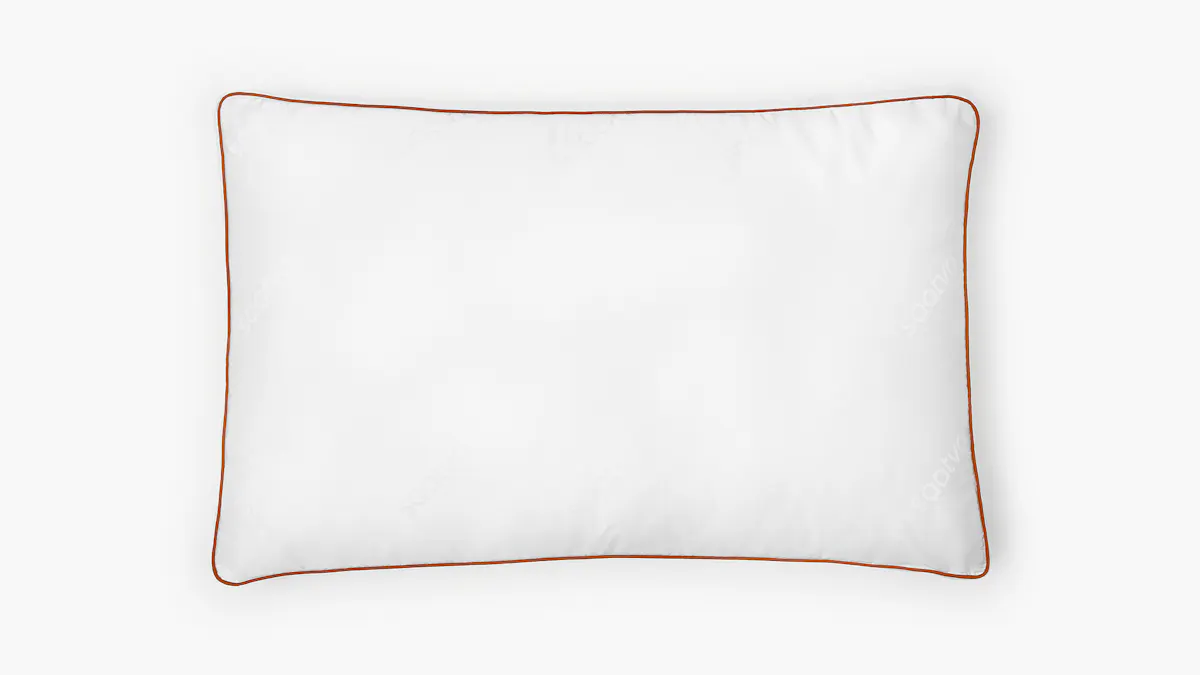
Before you settle: if cobio pillow is what brought you here, the Saatva Pillow is the value pick on this page — the strongest trial-and-return terms of the options covered here. Confirm current price, dimensions and terms on the official product page before ordering.
OUR CATEGORY-MATCHED PICK
Saatva Pillow
- Shredded natural latex core, per saatva.com
- 45-day free returns
- Machine-washable organic cotton cover