
 by
by Saatva Down Alternative Comforter
9.0/10
This keeps the recommendation well-matched for comforter and duvet searches, with a real bedding product instead of a mattress CTA.
PlushBeds Cocoon Luxury Down Comforter
8.8/10
A stronger premium bedding alternative for readers who specifically want down rather than down alternative fill.
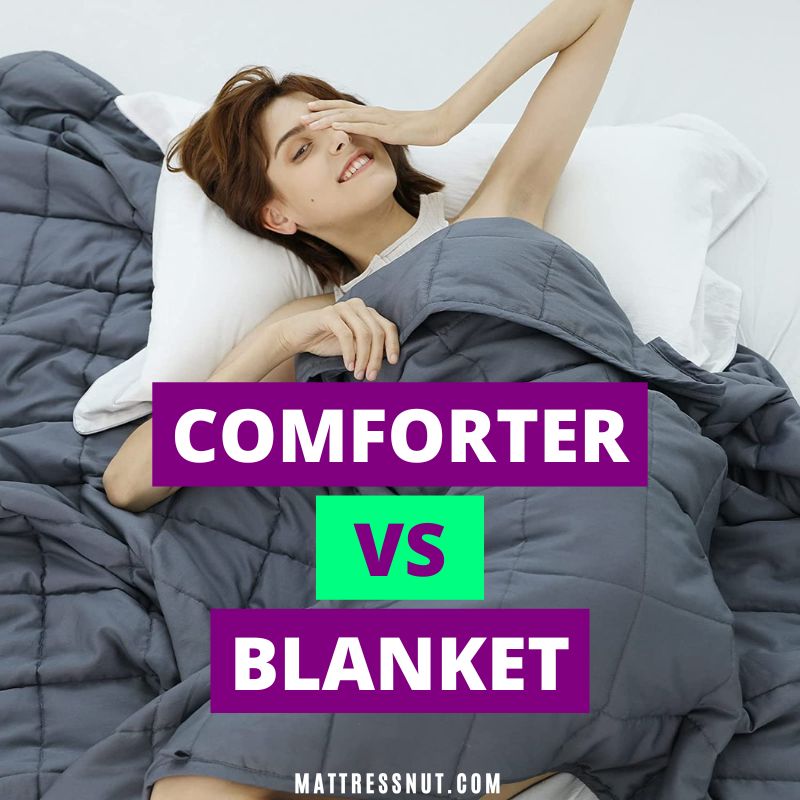
A comforter and a blanket look similar on the surface, but they work differently. A blanket is a single layer of fabric. A comforter is a two-layer shell stuffed with fill, so it traps more air and runs warmer. Before you decide which one belongs on your bed, it helps to understand what each one does well.
Also worth reading: duvet vs comforter for a related comparison.
What's a Comforter?
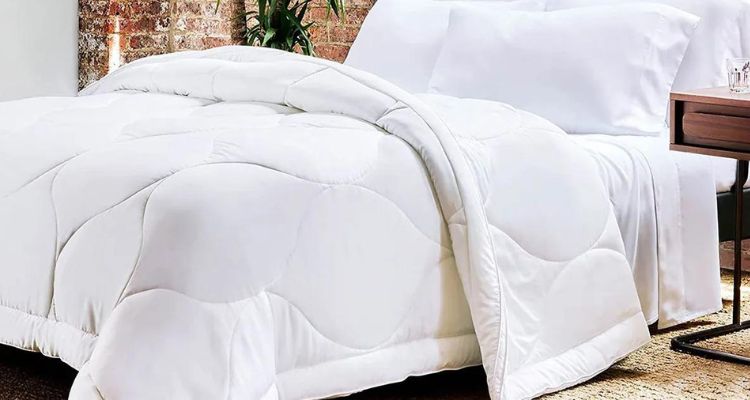
A comforter is a quilted or baffle-box shell filled with down feathers, synthetic polyester, wool, silk, or cotton batting. The fill is what gives it its loft and its warmth. Most comforters are stitched closed (no zipper or buttons), which means you wash the whole thing as one piece, or you slip a duvet cover over it to protect the fill.
The shell is usually made from 100% cotton, polyester, or a cotton-poly blend. Thread count affects softness but not warmth; the fill power (for down) or fill weight (for synthetics) is what determines how warm it sleeps.
Who Should Use a Comforter?
A comforter suits cold sleepers who want a single top-layer solution. It provides real insulation without stacking multiple blankets. People in colder climates or those who run cold at night tend to prefer a comforter over any single blanket because the trapped air in the fill keeps warmth consistent through the night.
A comforter is also a good pick if you want a clean, made-up bed look without a separate duvet cover setup. It doubles as its own cover. One note: if you sleep hot, check out our cooling mattress guide too, since the mattress underneath affects temperature as much as your bedding does.
Pros of a Comforter
- Three-layer construction (front shell, fill, back shell) delivers consistent warmth
- High insulating capacity for colder months
- Fluffy loft makes the bed look finished without extra layers
- Available in a wide range of fill materials, from budget polyester to premium goose down
- Long-lasting when cared for correctly
Cons of a Comforter
- Bulky to wash and store, especially in queen and king sizes
- Not great for hot sleepers or warm climates year-round
- Down-filled versions require gentle washing cycles or dry cleaning
- Harder to use as a layering piece because of its thickness
What's a Blanket?
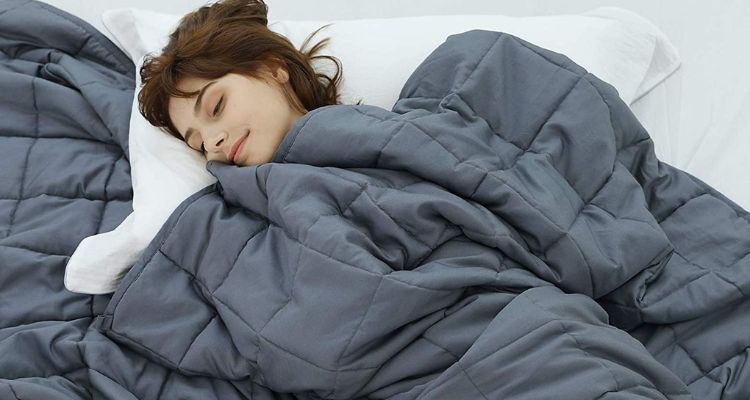
A blanket is a single layer of woven or knit fabric. It has no fill between layers. The warmth comes entirely from the fiber density and the weave. Wool, fleece, cotton, and cashmere are the most common materials. A dense wool blanket can match a lightweight comforter for warmth; a thin cotton blanket works in summer without overheating you.
Blankets are also the most flexible bedding piece in the stack. You can add one in winter and remove it in spring without changing anything else. See our top fleece blanket guide for specific picks.
Who Should Use a Blanket?
A blanket works well for anyone who runs warm, lives in a mild climate, or wants a layering system they can adjust by season. A single blanket traps body heat from below and adds a moderate amount of insulation above. For cold sleepers, a blanket alone may not be enough in winter, but adding a second blanket or a thin down comforter solves that without buying a separate heating device.
Blankets are also easier to care for. Most fit in a standard home washer and dry faster than a bulky comforter. Storage is simpler too: fold and place in a drawer or a small bag.
Pros of a Blanket
- Lightweight and easy to layer over or under other bedding
- Works across all seasons when you choose the right material (cotton for summer, wool for winter)
- Machine-washable in most cases, quick to dry
- Easy to store, folds flat
- Fleece and cotton options offer a soft, comfortable feel at a lower price point
Cons of a Blanket
- Single-layer construction provides less warmth than a filled comforter in cold conditions
- Wool blankets can be expensive and require careful washing
- Does not create the same plush loft as a comforter
- You may need multiple blankets in a very cold bedroom
What's the Difference Between a Comforter and a Blanket?
| Feature | Comforter | Blanket |
|---|---|---|
| Construction | Two fabric layers with fill between | Single woven or knit layer |
| Fill | Down, polyester, cotton batting, wool, silk | None (the fabric is the product) |
| Warmth | High: insulating fill traps air | Varies, light cotton to heavy wool |
| Weight | Moderate to heavy | Light to moderate |
| Maintenance | Machine washable (most), bulky to handle | Easy to wash, quick drying |
| Dust mite resistance | Lower: fill can harbor dust and mites | Higher: no interior fill for mites to colonize |
| Storage | Bulky, needs more space | Folds flat, stores in a small bag |
| Price (Queen) | $50 to $300+ | $20 to $200 |
Filling and Fabric
Comforters are filled with down (duck or goose feathers), synthetic down alternatives, wool, silk, or cotton. Real down offers the best warmth-to-weight ratio; synthetic alternatives are hypoallergenic and usually machine washable. Blankets use no fill at all. The fabric weave and fiber type determine how much warmth a blanket delivers.
Weave and Airflow
A blanket's single-layer construction allows more airflow than a comforter's quilted fill. That is why blankets work well year-round in moderate climates, while comforters belong in the cooler months. Comforters come in large standard sizes (twin through California king) that match most bed sizes; blankets are more flexible and can also work on a sofa or chair.
Season and Versatility
A blanket adapts easily: a light cotton blanket in summer, a heavy wool blanket in winter, and a simple sheet in between. A comforter stays at one warmth level and you swap it for a lighter one as the seasons change, or you use a duvet cover system to add and remove insulation. Both approaches work; the blanket system is usually cheaper and easier to manage.
Care and Maintenance
Read the care label before washing either product. Down-filled comforters often need a large-capacity machine or dry cleaning to protect the fill clusters. Synthetic comforters wash more easily. Most blankets handle a standard home washer without issue, though wool requires cold water and a gentle cycle to prevent shrinking.
Which One Should You Choose?
Pick a comforter if you want one thick top layer that does all the insulating work and you sleep in a cool bedroom. Pick a blanket if you want flexibility, easy washing, and the ability to layer by season.
For most people, the ideal solution is both: a cotton or linen sheet, a mid-weight blanket for shoulder-season nights, and a comforter for winter. Pull back layers as it warms up in spring. This three-layer approach costs less than a year-round down comforter and handles temperature changes without buying specialized "all-season" products.
If you sleep hot, a blanket alone is almost always a better choice than a comforter. The single layer will not trap heat the way a thick fill does, and you can remove it entirely when needed. Pair it with one of the best cooling mattresses for the most effective solution.
If you are cold most of the year, a down or down-alternative comforter with a duvet cover is the most efficient option. You wash the cover regularly and dry-clean the comforter a few times per year. Check out our best duvet insert guide for top-rated fill options.
Frequently Asked Questions
Is a comforter the same as a duvet?
Not quite. A duvet is usually sold without a cover and is meant to be used inside a duvet cover, which you wash separately. A comforter is sold with its own decorative shell and is often used without a cover. The terms overlap in practice, but the distinction matters when shopping. See our duvet vs comforter breakdown for the full comparison.
Can you use a blanket instead of a comforter?
Yes, in most cases. A heavy wool or fleece blanket provides enough warmth for mild to moderately cold bedrooms. For very cold climates, you may need two blankets or a blanket plus a comforter. The layering approach gives you more control than a single heavy comforter alone.
Which is easier to wash, a comforter or a blanket?
Blankets are easier. Most go directly into a standard home washer and dryer. Comforters require a large-capacity machine to wash properly, and down-filled ones often need to be fluffed in the dryer with tennis balls to redistribute the fill. Check the label; some comforters are labeled dry-clean only.
Do comforters cause overheating?
They can, especially if the fill is thick and the bedroom temperature is above 68°F. If you tend to sleep warm, a lightweight comforter (often listed as a "cooling comforter" or "summer weight") or a breathable blanket will serve you better. Also check our best sheets for summer and best sheets for winter guides.
A comforter delivers more warmth per layer, making it the right call for cold sleepers and cold climates. A blanket offers flexibility and easier care, making it a strong year-round choice for moderate sleepers. For most people, using both, a blanket for mild nights and a comforter for winter, is the practical answer.