 by
by Quick answer: I’d skip a bargain all-foam bed if heat is your main problem. The Saatva Classic, paired with Saatva’s cooling bedding options, is the more sensible long-term route.
- Budget memory foam commonly uses gel-infused or open-cell foam for modest heat relief.
- All-foam construction can hold more warmth than a mattress with a coil core.
- Saatva offers both a graphite memory foam topper and a signature mattress pad for a targeted cooling setup.
Updated July 2026 · Reviewed for accuracy
A cooling low cost memory foam mattress sounds like a simple purchase. It isn’t. Cheap foam can soften the initial hit to your wallet, but it can also leave a hot sleeper stuck in a slow-moving surface that stores warmth and loses support sooner than expected.
My take is straightforward: buy low-cost memory foam only if price is the clear priority and you accept modest cooling. If you want a bed built around better airflow, I’d put the Saatva Classic ahead of a basic foam mattress, then tune the surface with cooling bedding if needed.
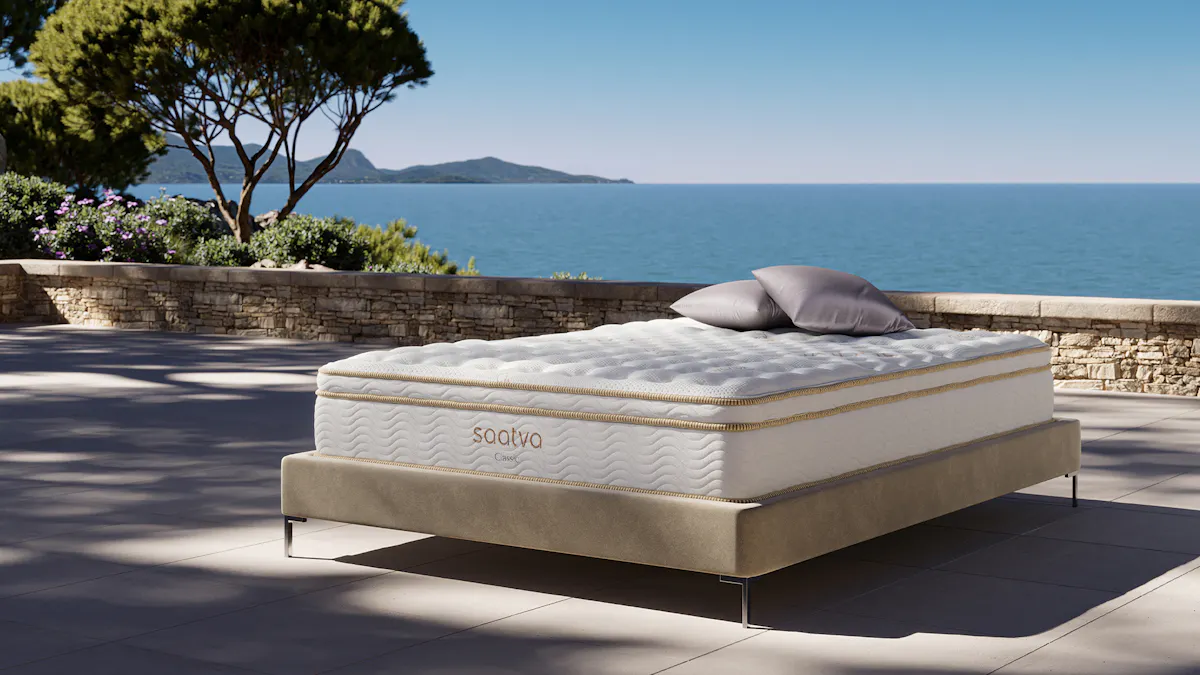
The practical call: A cooling claim on an inexpensive foam bed usually means an added gel or open-cell treatment, not a fundamentally cool sleep system. Check the current offer on Saatva Classic if you want a coil-based alternative.
Budget memory foam cools a little, not magically
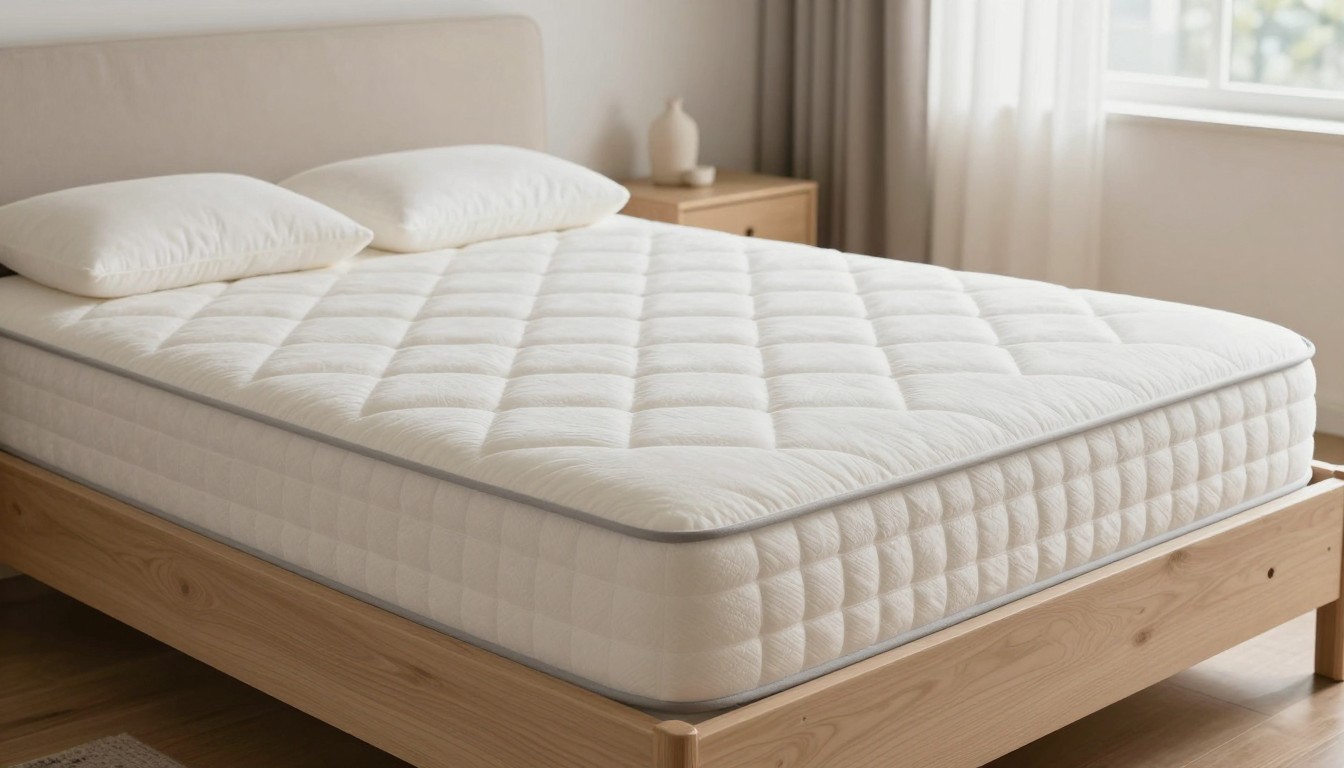
Gel-infused and open-cell memory foams are the usual cooling tools in the lower-cost end of the market. According to the buying guidance summarized for this category, they can reduce heat buildup modestly. That’s useful, but it is not the same thing as a mattress designed around open airflow from the ground up.
Memory foam works by contouring slowly around the body. That close contact is exactly why many people like it for pressure relief and motion isolation. It is also why a warm sleeper needs to be realistic: more body contact generally gives heat fewer places to go.
Breathable covers can help at the surface, and gel, copper, graphite, or other infusions may change how the foam handles initial warmth. Still, none of those labels tells me how cool the whole bed will feel through the night. Construction matters more than a prominent cooling badge on the cover.
For a tighter budget, I’d treat “cooling” as a supporting feature rather than the reason to buy. Start with the feel and support you need, then check whether the foam is described as open-cell or gel-infused and whether the cover is intended to breathe.
What I’d watch for: A low price can be fair. A low price plus vague construction details is where I get cautious. The less a brand says about the foam and support core, the harder it is to judge whether the mattress will stay comfortable.
A coil core is the cleaner answer for hot sleepers
A mattress with coils creates open space beneath the comfort layers. That is a construction advantage over a solid all-foam block, especially for sleepers who wake warm. The category research notes that hybrids can improve airflow, although they often cost more than basic foam models.
That is why I’d lean toward the Saatva Classic rather than trying to make a bargain memory foam mattress do every job. It is not presented as a low-cost all-foam mattress, and that distinction matters. I’m not calling it the cheapest route. I’m calling it the route that makes more sense for someone who values cooling alongside support.
Saatva positions the Classic as a luxury mattress and highlights flexible financing, handcrafted construction in the USA, a long home trial, and a lifetime warranty on its official materials. Those policies don’t automatically make the bed right for every sleeper, but they do address the risk that comes with buying a mattress online.
For a shopper whose budget cannot stretch beyond entry-level foam, the right move may still be a gel-infused model. Just keep your expectations in line with its design. A cooling foam treatment can help, while a coil system changes the structure underneath you.
| What you’re choosing | Lower-cost cooling foam | Saatva Classic route |
|---|---|---|
| Core design | Usually a solid foam core beneath memory foam | Coil-based construction |
| Cooling approach | Gel, open-cell foam, or a breathable cover | Airflow from the mattress structure, with optional cooling bedding |
| Best fit | Price-led shoppers who accept tradeoffs | Hot sleepers seeking a more substantial mattress setup |
| Main caution | Heat retention and earlier foam compression can be concerns | It is not the lowest upfront-cost option |
Comparing options? The Saatva Classic is the pick we keep coming back to — see the final verdict ↓
Foam durability is where cheap mattresses get exposed
Lower-cost foams may compress faster, according to the category guidance. That can show up as sagging, a softer feel than expected, or the sensation of reaching the support core too easily. None of that means every inexpensive foam bed fails early. It means the material tradeoff deserves more attention than the word “cooling.”
I look for specifics before trusting a budget foam mattress: what the comfort foam is, whether the brand identifies its support layer, how the edge is built, and what the return terms actually say. If those basics are unclear, a flashy cover description won’t rescue the purchase.
Edge support is another quiet issue. All-foam mattresses can feel less stable near the perimeter because foam does not have the same structural behavior as a coil system. That matters if you sit on the side of the bed, sleep close to the edge, or need a steadier surface for getting in and out.
CertiPUR-US certification is worth checking for polyurethane foam. The CertiPUR-US program says its certified foams are made without certain specified chemicals and are tested for emissions and content standards. Treat that as a materials-screening step, not a promise about comfort, cooling, or lifespan.
My buying filter for cheap foam:
- Clear foam and support-core descriptions.
- A stated trial and return process on the seller’s official site.
- CertiPUR-US or a comparable foam certification.
- Verified owner feedback that discusses heat, odor, and long-term shape.
Cooling accessories can fix the surface, not the foundation
If your current mattress is supportive but sleeps warmer than you’d like, a topper or pad can be a smarter buy than replacing the whole bed. That is especially true when the issue is surface feel rather than deep support. It is also a cleaner way to add a cooling-oriented layer without gambling on an unknown bargain mattress.
Saatva’s graphite memory foam mattress topper is the relevant option here. Graphite is used in the topper’s cooling-focused positioning, while the memory foam format keeps the familiar close-contouring feel many foam shoppers want. I’d consider it for someone who likes memory foam but wants to change the top of an existing mattress rather than commit to another low-cost foam bed.
A topper cannot repair a sagging mattress, a damaged foundation, or a support problem that starts underneath the comfort layer. It adds material above the mattress. If the bed below it has already lost its shape, start by addressing the mattress itself.
Better use of memory foam: Put it where you want pressure relief, not where you expect it to solve every heat issue. A graphite memory foam topper can be the targeted middle ground.
Who should buy a cooling low-cost memory foam mattress?
A budget cooling foam mattress can fit a guest room, a first apartment, a temporary setup, or a shopper who needs the lowest possible upfront cost. The category guidance describes these beds as commonly medium to medium-soft with a slower response, so they may appeal to people who want that classic cradling sensation.
I would skip one if you already know you sleep very hot, need sturdy edge support, or want a mattress built around airflow rather than surface treatments. Those needs point away from a basic all-foam design.
Side sleepers who enjoy a deeper contour may still like memory foam, but they should read verified owner reviews carefully for comments about heat and softening. Stomach sleepers and people who dislike a slow response should be even more selective. The issue isn’t whether foam is good or bad. It is whether its feel and heat profile match your body and habits.
For a narrower foam-mattress search, see my guides to the best cooling memory foam mattresses, the Zinus Cooling Essential Memory Foam mattress, and the Zinus Green Tea Cooling Memory Foam mattress. Each addresses a different take on budget foam construction.
My verdict on the low-cost cooling foam question
Don’t buy a low-cost memory foam mattress because you expect hotel-level cooling. Buy one because you want an affordable, pressure-relieving foam feel and can live with moderate temperature control. Gel or open-cell foam may help, but the underlying all-foam design remains the bigger part of the story.
I’d spend more carefully if heat is a recurring sleep problem. The Saatva Classic gives you a coil-based mattress direction, while Saatva’s Signature Mattress Pad offers a way to change the surface feel without turning a warm bed into another foam experiment. Check the official product details and current offer before deciding.
The Nut’s final call: Cheap cooling foam is acceptable for a price-led purchase. For a hotter sleeper who wants a more considered setup, I’d choose the Saatva Classic and use a cooling pad only where it genuinely helps.
FAQ
Do cooling memory foam mattresses actually work?
They can reduce heat buildup modestly through gel-infused or open-cell foam, according to category buying guidance. They usually cannot match the airflow potential of a coil-based mattress because the core is still solid foam.
Is gel memory foam cooler than regular memory foam?
Gel is commonly added to help with heat management, and it may make the surface feel less warm at first. It does not erase the close-contact feel that can make traditional memory foam retain warmth.
What should I check before buying a cheap memory foam mattress?
Check the foam certification, the official return policy, and the stated warranty terms. I’d also read verified owner reviews for repeated comments about sleeping hot, odor after unpacking, edge stability, and early softening.
Can a mattress topper make a hot mattress cooler?
A topper can change the surface you sleep on and may improve comfort for some people. It cannot correct a worn-out mattress or create the internal airflow of a different mattress construction.
Is a hybrid better than all-foam for hot sleepers?
Often, yes. The category guidance notes that a foam-and-coil hybrid can improve airflow because its coil core leaves more open space than a solid foam core. Whether it is worth the extra cost depends on how much cooling matters to you.
FINAL VERDICT
Bottom line for a budget cooling memory foam search: if you want sleeping cool without buying twice, the Saatva Classic is the safer buy — the 365-night trial and lifetime warranty put the risk on the brand, not on you.
THE ONE WE’D BUY INSTEAD · UP TO $625 OFF
Saatva Classic
- 365-night home trial and lifetime warranty, per saatva.com
- Handcrafted in the USA, free white-glove delivery
- Flexible financing available