 by
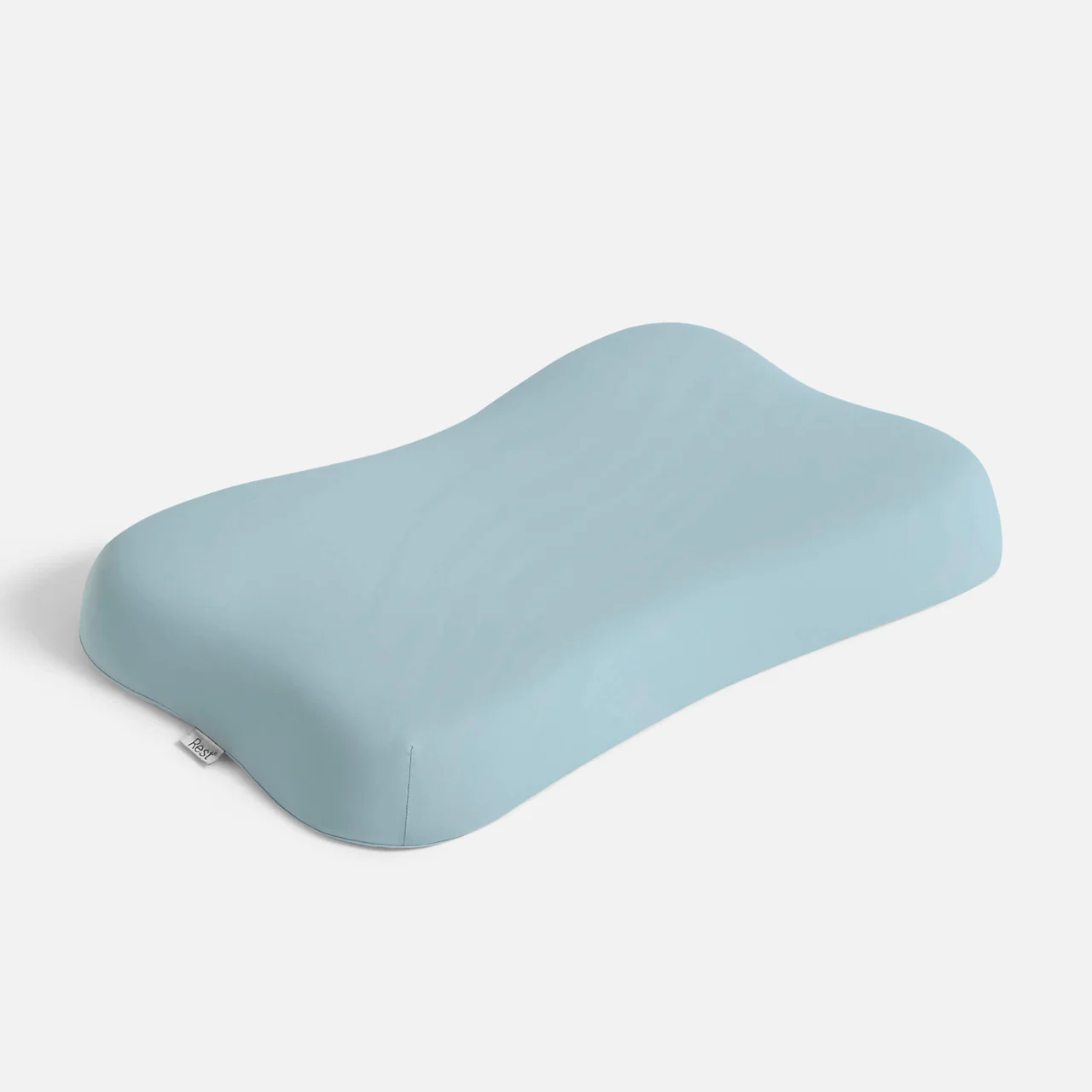
by Quick answer: A gel- or graphite-infused memory foam pillow with a ventilated core and a washable, cool-touch cover is the real fix for hot sleepers. My pick: the Evercool® Cooling Pillow, built cooling-first.
- Fill decides feel: shredded foam moves more air, solid foam contours more uniformly.
- Real cooling is a system: infusion, internal venting, and a breathable moisture-wicking cover working together.
- Reputable brands back their pillows with a home sleep trial and a written warranty, so verify both on the official site before checkout.
Updated July 2026 · Reviewed for accuracy
Most "cooling" pillows are ordinary memory foam with a blue swirl and a hope. I've spent years pulling apart bedding materials, and the gap between marketing and actual heat management comes down to a short list of construction details you can check in any listing. Here's how to read one like an insider.
What actually makes a memory foam pillow sleep cool
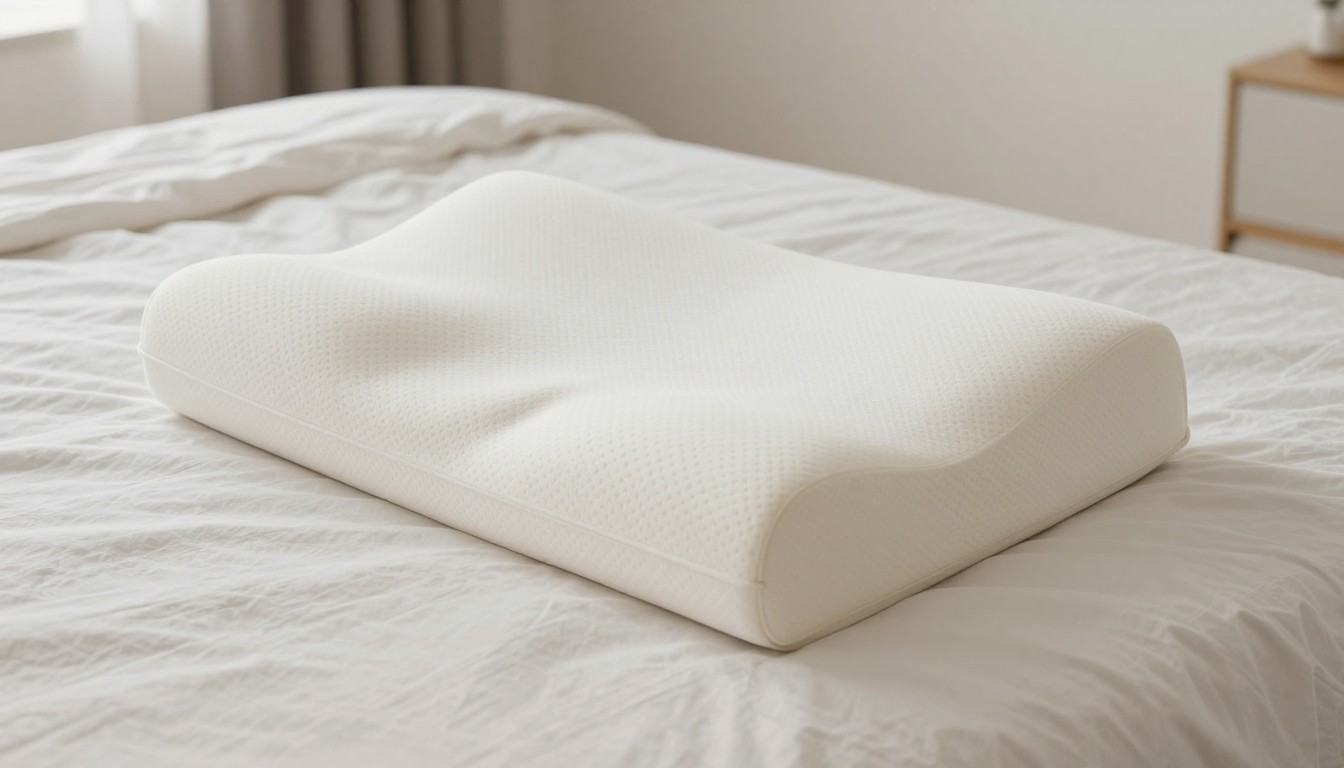
Memory foam has a heat problem baked into its physics. The same dense, viscoelastic structure that lets it contour so precisely also restricts airflow and soaks up body heat hour after hour. Cooling designs attack that problem on several fronts at once, per manufacturer specs across the category:
- Infusions. Gel beads, gel swirls, or graphite particles mixed into the foam conduct heat away from your head instead of letting it pool at the surface.
- Ventilation. Perforated cores and internal air channels give warm air an escape path. This is the single most underrated feature in the category.
- Phase-change and cool-touch covers. Engineered fabrics that absorb the initial heat spike when you first lie down, so the pillow feels cool on contact.
- Moisture-wicking fabrics. Tencel, bamboo-viscose blends, and performance polyesters pull sweat away from skin, which matters more than most shoppers realize.
One honest caveat: none of this refrigerates a pillow. What good cooling construction does is delay heat buildup long enough that you fall asleep cool and stay temperature-neutral through the night. If a pillow promises to feel cold at all times, that's marketing, not materials science.
The Nut's rule of thumb: if a listing leads with "gel" but says nothing about the cover or venting, the cooling is mostly decoration. Real cooling is a system, not an ingredient.
Solid, shredded, or adjustable: the build decides the feel
The single biggest choice you'll make is fill type, because it controls contour, airflow, and whether you can tune the loft. Here's the breakdown based on how these constructions behave, per manufacturer materials guidance and verified owner feedback:
- Solid memory foam delivers deep, uniform contour and a slower response. It supports consistently but retains the most heat of any build.
- Gel- or graphite-infused solid foam keeps that classic contour while the infusion pulls heat away from the surface. The best of both worlds for hot sleepers who still want the traditional memory foam hug.
- Shredded memory foam moves the most air, molds to any shape, and usually lets you add or remove fill to dial in loft. The tradeoff: it can shift or clump and needs occasional fluffing.
| Fill type | Contour | Airflow | Loft control | Best for |
|---|---|---|---|---|
| Solid memory foam | Deep, uniform | Lowest | Fixed | Back sleepers wanting one consistent feel |
| Gel/graphite-infused solid | Deep, uniform | Moderate, plus heat conduction | Fixed | Hot sleepers who still want classic contour |
| Shredded memory foam | Moldable, less uniform | Highest | Adjustable fill | Combination sleepers and loft tinkerers |
If the adjustable route appeals to you, I cover that whole category in my shredded memory foam pillow guide. And if you want to see how one popular gel model holds up under scrutiny, I break it down in the Malouf Z cooling gel pillow review. The same infusion logic shows up in mattresses too, which I covered in the Zinus green tea cooling mattress review.
Comparing options? The Evercool® Cooling Pillow is the pick we keep coming back to — see the final verdict ↓
Match loft and firmness to your sleep position
Cooling is the comfort bonus. Alignment is the non-negotiable part. A pillow's only structural job is keeping your neck neutral, and the loft that does that depends entirely on how you sleep:
- Side sleepers need a higher, firmer loft to fill the gap between shoulder and ear. A pillow that's too soft or too flat lets the head drop and loads the neck.
- Back sleepers do best with a medium loft that supports the natural curve of the neck without pushing the chin toward the chest.
- Stomach sleepers need the lowest, softest profile possible, or no pillow at all, to avoid cranking the neck backward.
This is where adjustable shredded designs earn their keep. If you're not sure of your ideal loft, an adjustable fill lets you experiment across a few nights instead of gambling on a fixed shape. Whatever you choose, do your experimenting inside the brand's trial window so a mismatch costs you nothing.
"Buy the pillow for your sleep position first and the cooling second. A cool pillow that kinks your neck is still a bad pillow."
What to check before you buy
Cooling memory foam pillows span a wide price spread, from budget models to premium tiers, and the money mostly tracks the sophistication of the cooling tech. Before you commit, run through this checklist:
- Trial and returns. Reputable brands offer a home sleep trial, because cooling claims only prove out in real sleep conditions. Confirm the trial length and return process on the brand's site before checkout.
- Warranty. Look for written defect coverage in the listing. A brand that stands behind its foam says so in plain language.
- Washable cover. A removable, machine-washable cover keeps both hygiene and cooling performance intact. Check the care label for shrinkage warnings.
- Foam density. Denser foams resist softening and hold their contour longer, per manufacturer specs. If the listing won't disclose density, that silence tells you something.
- Sizing. Standard, queen, and king are the norm. Match the pillow to your pillowcases and your bed, not the other way around.
On durability: memory foam softens gradually with heat and use. That's normal wear, not a defect. Denser foam from a reputable brand holds its shape longer, and a sleep trial plus a written warranty is your insurance policy against the ones that don't.
The pillow I'd point most hot sleepers toward
Most pillows bolt cooling onto a standard design as an afterthought. The Evercool® Cooling Pillow from Rest flips that priority: per the brand's product page, it's engineered around surface cooling first, which is exactly the right order of operations if heat is what wakes you up at night. It sits in the premium tier, so check the current price on the official site, and confirm the trial and warranty terms there before you buy.
Who should skip it: shoppers on a tight budget, and anyone who wants a plush, down-like sink. This is a foam pillow with a job to do. But if you've already spent money on "gel" pillows that ran warm by midnight, this is the tier where the cooling tech actually shows up in the construction rather than the copywriting.
Care and lifespan
A cooling pillow only stays cool if you maintain it. Wash the cover regularly per the care label, because a cover clogged with body oils stops wicking. Spot-clean the foam core only, and never put solid memory foam in a washing machine or dryer, since heat and agitation break down the cell structure.
Give a new pillow a day or two to air out before judging it. Fresh foam carries a factory smell that fades with ventilation. And know the end-of-life signal: when the pillow stops springing back and stays flattened where your head rests, the contour is done and no amount of fluffing brings it back. A well-made foam pillow should give you years of nightly use before that happens.
FAQ
Do cooling memory foam pillows actually work?
Yes, within honest limits. They delay heat buildup rather than staying cold all night. According to verified owner reviews across the category, the biggest real-world gains come from pillows that combine a ventilated or infused core with a breathable, moisture-wicking cover.
Is shredded memory foam cooler than solid?
Generally yes on airflow, since air moves freely between the pieces. A gel-infused solid core with a cool-touch cover can match it on surface feel, though. Pick based on whether you want moldable adjustability or uniform contour.
Can you wash a cooling memory foam pillow?
The cover, yes, usually in the machine per the care label. The foam core, no. Spot-clean it and let it dry fully, because machine heat and agitation destroy memory foam's structure.
What loft should a side sleeper choose?
A higher, firmer loft that fills the shoulder-to-ear gap and keeps the spine straight. If you're unsure, an adjustable shredded fill lets you tune the height across a few nights inside the trial window.
Why does a new memory foam pillow smell?
That factory odor is fresh foam releasing trapped production compounds, and it's common across the category. Air the pillow out in a ventilated room and the smell fades on its own.
FINAL VERDICT
Before you settle: if cooling memory foam pillow is what brought you here, the Evercool® Cooling Pillow is the value pick on this page — the strongest trial-and-return terms of the options covered here. Confirm current price, dimensions and terms on the official product page before ordering.
OUR CATEGORY-MATCHED PICK
Evercool® Cooling Pillow
- My pick: the Evercool® Cooling Pillow, built cooling-first