 by
by Quick answer: A Japanese futon bed is worth it if you want firm, floor-level sleep and a room that frees up by day. The Futon Shop's best-selling futon mattresses are my starting point for US buyers.
- Traditional sets pair a shikibuton mattress with a kakebuton quilt, often laid over tatami.
- Cotton fill is the classic build; specialty retailers also stock organic cotton and blended versions.
- The whole bed folds or rolls for storage, which is the entire point of the design.
Updated July 2026 · Reviewed for accuracy
I've spent more than a decade taking beds apart to see how they're built, and the Japanese futon bed is still the most misunderstood setup shoppers ask me about. It isn't a flimsy sofa pad, and it isn't a compromise you make for a small apartment. Done properly, it's a complete sleep system with real advantages for firm-mattress fans, minimalists, and anyone who wants their floor back during the day. Here's how I'd shop for one.
What a Japanese futon bed actually is
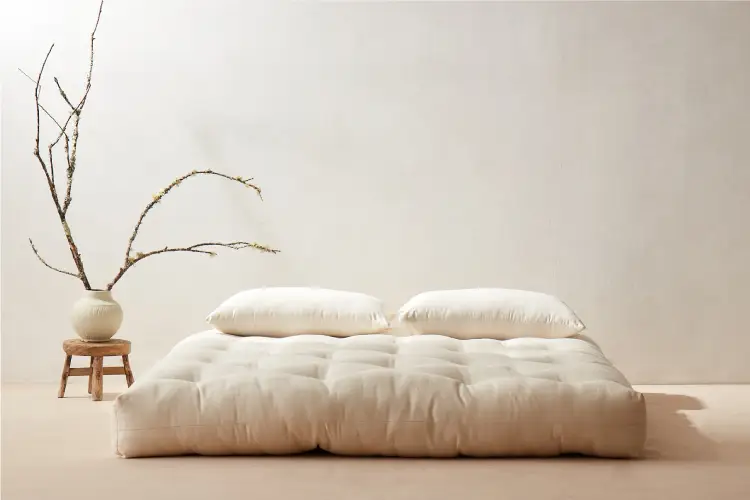
Strip away the marketing and a Japanese futon bed is a multi-part system, not a single product. The core piece is the shikibuton, a quilted cotton sleeping mattress that lies directly on the floor or on a mat. Over you goes the kakebuton, a warm quilt that does the job of a duvet. Underneath, many sleepers add tatami mats or a foam pad for airflow and a touch of give.
Per specialty importer listings, sets sold in the US commonly bundle the shikibuton with a cover, while tatami and kakebuton are often sold separately. Read each listing closely so you know exactly which components you're paying for. Two listings can both say "Japanese futon" and describe very different packages.
The design intent is the part Western shoppers miss. This bed is meant to be aired, folded, and stored each morning, so the room converts back to living space. That daily ritual is a feature, not a chore, once the routine sticks.
The components, decoded:
- Shikibuton: the sleeping mattress, usually cotton batting in a quilted shell.
- Kakebuton: the quilt on top, your warmth layer.
- Tatami or foam mat: the optional base that adds airflow and slight cushioning.
- Cover: a removable, washable skin for the shikibuton, in cotton, linen, or blends.
How a Japanese futon bed sleeps
The first thing owner reviews mention is firmness. A cotton shikibuton sleeps firm, full stop, and it gets firmer still on hardwood or tatami. Back sleepers and stomach sleepers tend to adapt well because the surface keeps hips level and the spine neutral. Side sleepers usually need a thicker shikibuton or a layered pad so shoulders don't bottom out.
Expect an adjustment period. According to verified owner reviews, sleepers coming off a plush Western mattress often need a stretch of nights before the firm surface feels normal, and most report the payoff is steadier support with fewer pressure points at the hips and lower back. If you're torn between the two worlds, my breakdown of a Japanese futon mattress vs a regular mattress walks through the trade-offs in detail.
Thickness is your main comfort dial. A slim shikibuton is the purist choice and stores the easiest, while a thicker build cushions bony shoulders and hips without turning mushy. If you already know you want more loft, start with my guide to picking a thick futon mattress and work backward from there.
The low profile cuts both ways. Floor-level sleeping means no creaky frame and nothing to stub a shin on, but standing up from near the floor takes more effort than rolling off a raised bed.
Who it suits, and who should pause:
- Suits: firm-mattress fans, back and stomach sleepers, small-space living, hot sleepers who want breathable cotton.
- Pause: anyone with mobility limitations that make floor-level beds hard to exit. If you're expecting, read my tips for sleeping on a futon while pregnant before committing.
Comparing options? The Futon Best Selling is the pick we keep coming back to. see the final verdict ↓
Sizes and space: how Japanese futons compare
Japanese sizing doesn't map cleanly onto US sizing. Per importer listings, widths run narrower than Western queen and king equivalents, and the semi-double size sits in a gap between twin and full that doesn't exist in American lineups. Lengths are closer to standard, but thickness changes how roomy a futon feels once you're lying on it.
My rule: never assume, always measure. Check the listed dimensions of the exact set you're considering, compare them against your floor space and any tatami or frame you plan to use, and measure your storage spot with the folded or rolled thickness in mind.
| Size | Best for | Space notes | Typical pricing tier |
|---|---|---|---|
| Single | Solo sleepers, kids, tight rooms | Smallest footprint, easiest to fold and stash | Entry tier |
| Semi-double | Solo sleepers who sprawl | A notch wider than single, still solo territory | Mid tier |
| Queen | Couples in small apartments | The practical minimum for two, check the listed width | Upper-mid to premium tier |
| King | Couples wanting maximum width | Largest footprint, confirm folded storage space first | Premium tier |
Pricing moves with materials and bundle contents, not just size. Organic cotton fills, thicker cores, and included tatami or covers all push a set up a tier, so check current prices on the retailer's site rather than trusting any stale figure.
Materials and construction: where quality separates
Fill is where cheap futons and good futons part ways. The traditional build is all cotton batting, and per manufacturer specs that cotton compresses gradually over years of use, slowly firming up the surface. Blended fills, cotton mixed with synthetic fibers, hold their loft longer and feel a touch springier. Specialty retailers also stock organic cotton versions for buyers who want certified natural materials.
Covers matter more than most shoppers expect. Cotton and linen covers breathe well and handle regular washing; blended covers trade some breathability for durability and easier care. Whatever the fabric, get a removable cover, because you'll be washing it far more often than you'd ever wash a mattress protector.
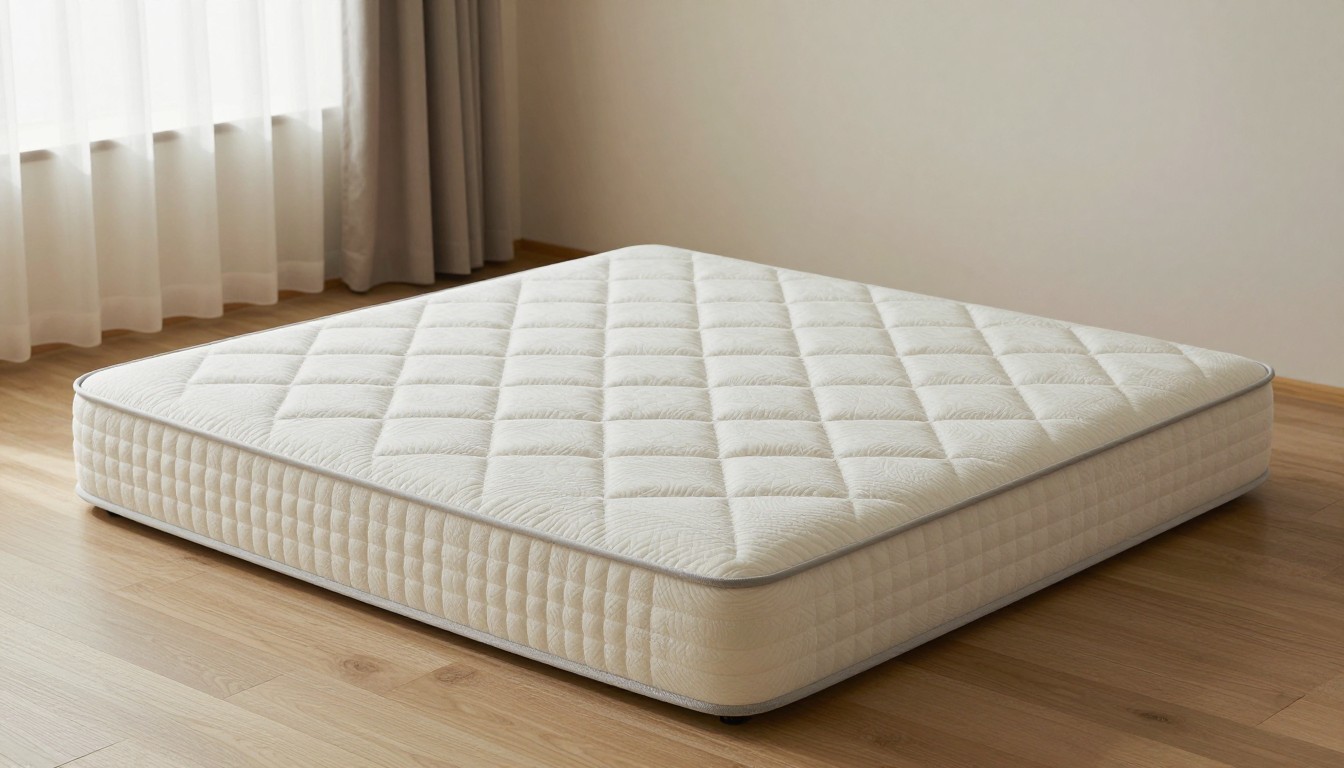
Construction details tell you how the futon will age. Look for tight, even tufting or quilting that locks the batting in place, since loose fill migrates toward the edges and leaves thin spots under your hips. Denser batting reads firmer and lasts longer; higher loft reads softer and suits side sleepers. For a closer look at how these builds differ in practice, my shiki futon mattress guide breaks down real models and owner feedback.
One caution for little-known marketplace brands: state nothing as fact that the listing can't back up. If the listing shows a cotton-poly blend, treat it as a blend, not "organic cotton." If fill weight or cover fabric isn't stated plainly, ask the seller before you buy.
"I'd rather sleep on a dense cotton shikibuton with a plain cover than a thick blended one with vague specs. Materials you can verify beat thickness you can't."
— The Nut
Care, airing, and storage
A Japanese futon bed asks more of you than a Western mattress, and owner reviews are blunt about it. Cotton absorbs body moisture overnight, and if that moisture never escapes, the batting compresses faster and mildew becomes a real risk in humid climates. The fix is simple but non-negotiable: air the futon regularly.
The routine I'd follow, based on manufacturer care guidance and long-term owner feedback:
- Air it out: hang or stand the shikibuton in sunlight or a well-ventilated room on a regular schedule, more often in humid months.
- Turn it: flip and rotate periodically so compression stays even across the surface.
- Refresh the loft: a gentle beat or shake helps redistribute batting between airings.
- Wash the cover: treat it like bedding, because it is bedding.
- Store it dry: fold or roll into a closet or storage bag only once the futon is fully aired.
This upkeep is the price of the space savings. If the daily fold-and-store routine sounds like a burden rather than a feature, be honest with yourself now, because a futon that lives permanently on the floor still needs the airing half of the routine.
Where to buy and what to check
Two listings can both say "Japanese futon bed" and describe completely different products, so I shop with a checklist. Confirm the origin, whether it's made in Japan or Japanese-style made elsewhere. Confirm the fill type and cover fabric are stated plainly. Confirm the listed dimensions of every component, since a queen shikibuton without tatami is a very different purchase than a full queen set. And per retailer listings, international orders can carry separate shipping and duty costs, so factor that in before comparing prices.
For US buyers, I'd start with the best-selling futon mattress lineup at The Futon Shop, since the range covers cotton, organic, and blended builds across the standard sizes. Entry-tier sets exist if you're testing the waters, and premium organic builds sit at the premium tier if you already know floor sleeping suits you. Check the current offer on the retailer's site, and weigh the price against how long you expect to keep the futon, because a well-cared cotton shikibuton is a long-term purchase, not a disposable one.
FAQ
Is a Japanese futon bed comfortable enough to sleep on every night?
Yes, provided you like a firm surface. Back and stomach sleepers usually adapt fastest, and owner reviews describe an adjustment stretch for anyone coming off a plush mattress. Side sleepers should choose a thicker shikibuton or add a layer underneath for shoulder relief.
Do I need tatami mats under a Japanese futon bed?
Not strictly. Tatami adds airflow and a slight give that many sleepers love, but carpet, a rug, or a foam mat also works. Hardwood is the firmest base of all, so pair it with a thicker shikibuton if you go that route.
How do I keep a Japanese futon bed from getting musty?
Air it regularly in sunlight or a ventilated room, turn it periodically, and never store it while it still holds overnight moisture. Per owner feedback, humid climates demand a stricter airing schedule, so build the habit from day one.
Can two people sleep on one Japanese futon bed?
Yes, at queen or king widths, though per importer listings those widths run narrower than Western equivalents, so check the listed dimensions first. A popular alternative is two single shikibuton side by side, which lets each sleeper pick their own firmness.
How long does a Japanese futon bed last?
It depends on the fill and the care. Cotton compresses gradually with years of use, and regular airing and turning slow that process, per manufacturer care guidance. Some specialty shops can re-stuff a flattened shikibuton, which extends its life well beyond what a neglected one would manage.
FINAL VERDICT
Before you settle: if japanese futon bed is what brought you here, the Futon Best Selling is the value pick on this page, with more home-trial and warranty coverage than the alternatives covered here. Confirm current price, dimensions and terms on the official product page before ordering.
OUR CATEGORY-MATCHED PICK
Futon Best Selling
- The Futon Shop's best-selling futon mattresses are my starting point for US buyers
- Japanese futon bed is still the most misunderstood setup shoppers ask me about