by
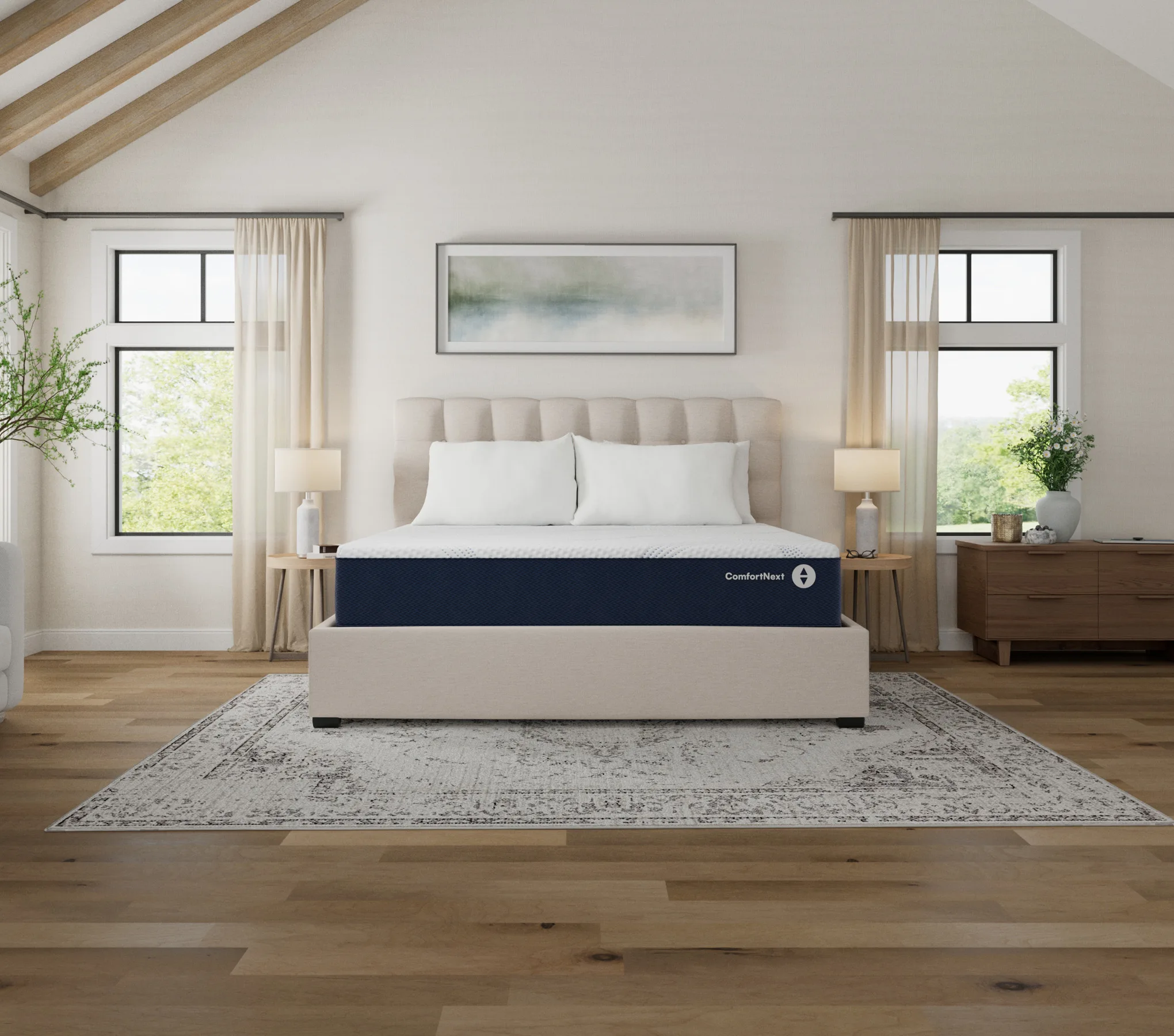
by Quick answer: If you hate your Sleep Number bed, don’t rush into replacing it. Check the setup, support, and return options first. If you’re buying within the lineup, ComfortNext™ is the sensible place to start.
- Sleep Number organizes its current mattress lineup into ComfortMode, ComfortNext, and Climate collections, according to Sleep Examiner.
- Its central appeal is adjustable firmness, a feature Mattress Clarity identifies as fundamental to the brand’s smart-bed approach.
- Sleep Number sits in the premium market tier, so it’s worth checking the current price and policy details on the official site before making another commitment.
Updated July 2026 · Reviewed for accuracy
If you hate your Sleep Number bed, I think the first job is to identify what you hate. The adjustable feel may be wrong. The surface comfort may be wrong. Or the whole ownership experience may have worn you down.
A smart bed can solve a real problem for couples with different comfort preferences. It can also create a more complicated version of a basic mattress problem. My advice is simple: separate the problem with the bed’s adjustment from the problem with the materials, support, or policies around it.
Start With the Problem You’re Actually Feeling
“I hate my Sleep Number bed” can mean several very different things. A mattress that feels too firm after adjustment is not the same issue as a bed that feels unstable at the perimeter, makes unwanted noise, or simply doesn’t justify its premium positioning.
Sleep Number’s design centers on personalized firmness adjustment, according to Mattress Clarity. That gives you a setting to work with, but it doesn’t automatically guarantee that the comfort layers above the support system suit your body or sleeping position. Air adjustment changes support pressure. It does not turn one comfort material into another.
That distinction matters. If your hips feel unsupported, a setting change may help. If your shoulders feel pressure from the top surface, the issue may be the comfort build rather than the setting. If the bed feels fussy, noisy, or harder to live with than you expected, moving the number up or down probably won’t fix the real complaint.
The Nut’s take: Don’t treat every complaint as a firmness complaint. Adjustable support is only one part of the mattress. Surface feel, edge behavior, motion, controls, and service all affect whether you sleep well on it.
I’d write down the exact moment the bed bothers you. Is it when you first lie down? When you turn over? When you sit on the edge? When your partner moves? A precise complaint gives you a better next move than general frustration.
Adjustable Support Can’t Fix Every Comfort Mismatch
The core construction idea is an adjustable air-based support system paired with comfort materials above it. Mattress Clarity describes the brand as a smart-bed system built around individualized firmness control, while Sleep Examiner explains that the current range is divided into distinct collections rather than presented as one uniform mattress family.
That construction can be useful if you and your partner genuinely need different support sensations. One side can be adjusted independently from the other, which is the practical reason many shoppers consider this type of bed. Still, independence on each side does not mean each sleeper gets a completely different mattress construction.
Here’s the part I wouldn’t gloss over: a mattress has both a support core and a comfort story. The support core influences how far you sink and how your weight is held up. The upper layers influence pressure relief, initial softness, temperature perception, and the feel of movement. If you dislike the comfort story, you may be asking the air system to do a job it cannot do.
That is why endlessly changing settings can become frustrating. A firmer adjustment may reduce sink, but it may also make the surface feel less forgiving. A softer adjustment may relieve some pressure, but it can leave you feeling less stable. Neither choice changes the nature of the layer stack above it.
Before deciding the bed is a lost cause, make one adjustment at a time and give yourself enough normal use to notice the difference. Avoid changing your setting, pillows, topper, base position, and bedding all at once. If you change everything, you learn nothing.
Use this checklist before replacing the bed:
- Confirm the firmness setting matches the complaint you’re trying to solve.
- Check whether the discomfort is concentrated at the shoulders, lower back, hips, or edge.
- Look at your pillow height and bed base position before blaming the mattress alone.
- Review the manufacturer’s setup guidance and current support options.
Comparing options? The ComfortNext™ is the pick we keep coming back to — see the final verdict ↓
Motion, Edges, and Temperature Can Be the Real Dealbreakers
A split adjustable design can reduce the feeling that one sleeper’s preference controls the entire bed. That is the upside. But the same design can create boundaries, transitions, and operational quirks that some sleepers notice more than they expected.
Motion is not only about whether your partner wakes you. It is also about whether the surface feels settled when someone changes position, whether the two sides feel cohesive, and whether the bed responds in a way that feels natural to you. Those are personal comfort judgments, not universal pass-fail traits.
Edge comfort deserves the same honesty. If you sit on the side while getting dressed, sleep close to the perimeter, or rely on a stable edge to get in and out of bed, that should be part of your decision. Adjustable support systems are engineered differently from conventional all-foam or coil constructions, so their edge feel should be judged on its own terms.
Temperature is another area where expectations can get ahead of construction. Sleep Number offers collections with different feature sets, according to Sleep Examiner, including a Climate collection. That does not mean every model offers the same temperature-related experience. Check the exact model’s official specifications rather than assuming a feature found elsewhere in the range applies to your bed.
If your complaint is heat, start with the model’s actual build, your protector, sheets, duvet, room conditions, and base configuration. If your complaint is motion or edges, focus on the specific behavior you feel rather than chasing a generic “better setting.” That is the cleanest way to decide whether the issue is fixable or fundamental.
Before You Replace It, Check the Paperwork and Setup
A premium mattress purchase should come with clear ownership terms. Before you spend more money, pull up your order details and compare them with the current manufacturer information. Sleep Number’s own policy pages are the right source for your exact coverage and support path, because terms can vary by purchase and product.
For a closer look at policy language and ownership considerations, read our Sleep Number warranty guide. I’d use it to frame questions for support, not as a substitute for the documents tied to your own order.
Be specific when you contact the manufacturer. Explain whether the issue is adjustment, comfort, a component, responsiveness, noise, or an issue with the base. Vague language can lead to vague troubleshooting. A short record of settings, symptoms, and any messages you receive also makes it easier to evaluate the next step.
If you are still within any applicable return or exchange window, verify the current terms directly with the manufacturer before making changes that could affect your options. If your ownership period is further along, ask what inspection, repair, replacement, or service process applies to the exact item you own.
My rule: Don’t make a replacement decision until you know whether your complaint is a setup issue, a service issue, or a permanent mismatch with the mattress design. Those are three different decisions, even if they feel equally annoying at midnight.
If You’re Buying Again, Prioritize the Build You Need
If you are replacing an older bed or choosing within the current range, ComfortNext™ makes the most sense for shoppers who still value adjustable support but want to compare a current collection carefully. Sleep Examiner identifies ComfortNext as one of the collections in Sleep Number’s streamlined lineup, alongside ComfortMode and Climate.
I would not buy another adjustable mattress just because the idea sounds right on paper. Buy it only if independent firmness adjustment addresses a real need in your household. If your main complaint is the surface feel, edge stability, heat, or complexity, inspect those details before you commit.
The table below is how I’d sort the decision. It is not about declaring one route universally better. It is about matching the problem to the right next action.
| What you dislike | What to investigate first | Likely decision path |
|---|---|---|
| The bed feels too firm or too soft | Settings, pillow fit, and the exact location of discomfort | Try a controlled adjustment before replacing anything |
| The top surface feels wrong | Comfort materials and your pressure-relief needs | Consider whether adjustable support solves the actual issue |
| You dislike the ownership experience | Current manufacturer support and policy details | Resolve service questions before making a new purchase |
| You need a different feel altogether | The support core and comfort materials you actually prefer | Shop by construction, not by features alone |
If you’re comparing adjustable-bed approaches with more traditional pressure-relieving designs, our Sleep Number comparison guide lays out the differences in a focused way. I’d also read our mattress comparison overview if you are trying to decide whether your frustration comes from the adjustable concept itself or from your specific comfort preference.
FAQ
Why do I hate my Sleep Number bed even after changing the setting?
The setting affects adjustable support, but it does not change every part of the mattress feel. If the upper comfort materials, edge behavior, motion feel, or overall design bother you, a setting change may only partly address the problem.
Should I keep adjusting my Sleep Number setting?
Make changes deliberately, one at a time, and track the result. If repeated adjustments only trade one discomfort for another, that points to a construction or comfort mismatch rather than a simple setting problem.
Can a bed base or pillow make the mattress feel worse?
Yes. Pillow height, protector thickness, bedding, and base position can change how your body meets the mattress surface. Check those factors before deciding the mattress alone is responsible.
What should I ask customer support about?
Describe the specific issue, then ask what current support options apply to your exact purchase. Use the manufacturer’s official documentation for the applicable terms, and keep any troubleshooting instructions in writing.
Is an adjustable mattress still worth considering after a bad experience?
It can be, if independent firmness adjustment solves a real need for you and your partner. I would only consider it again after being clear about whether your previous frustration came from adjustment, surface comfort, service, or the broader smart-bed concept.
My Final Take
I wouldn’t tell you to love a bed that keeps getting in the way of sleep. If the problem is a poorly dialed-in setting or a fixable setup detail, work through that before spending again. If the problem is the mattress’s fundamental feel or the complexity of the system, believe what your body is telling you.
The useful lesson is not that adjustable beds are automatically good or bad. It is that an adjustable support system has limits. Choose your next mattress around the construction and ownership experience you actually want, then check the current official terms before you commit.
FINAL VERDICT
Before you settle: if i hate my sleep number bed is what brought you here, the ComfortNext™ is the value pick on this page — more home-trial and warranty coverage than the alternatives covered here. Confirm current price, dimensions and terms on the official product page before ordering.
OUR CATEGORY-MATCHED PICK
ComfortNext™
- If you’re buying within the lineup, ComfortNext™ is the sensible place to start
- ComfortNext™ makes the most sense for shoppers who still value adjustable support but want to compare a current collection carefully