
 by
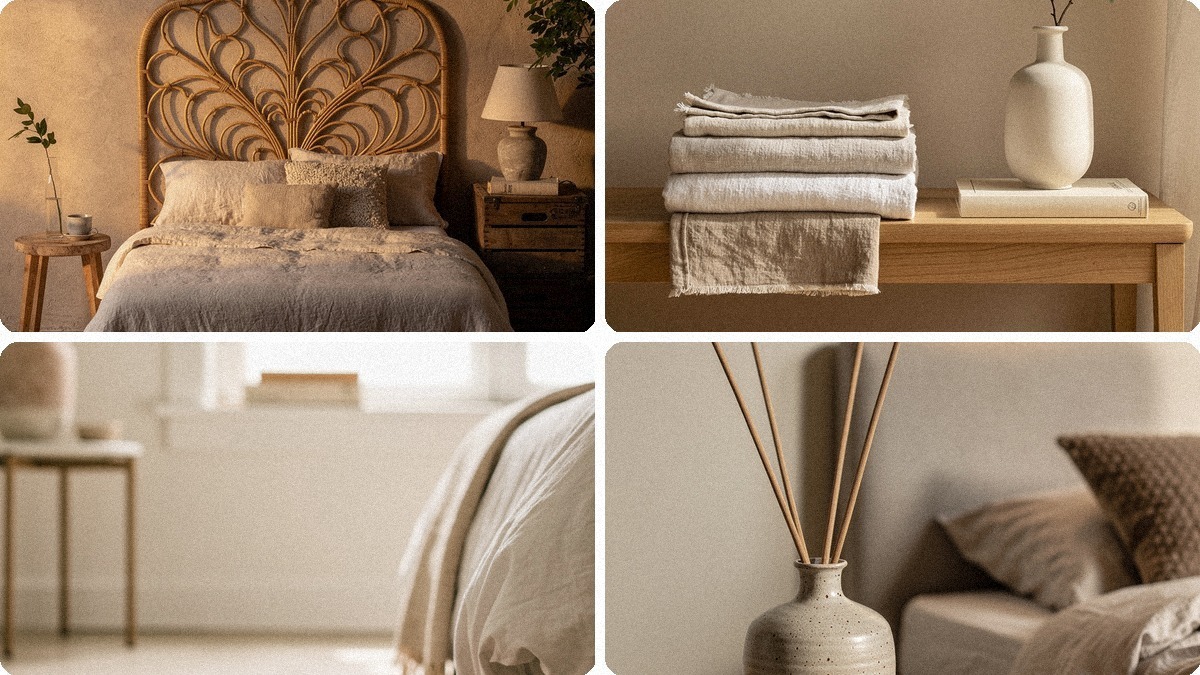
by Cozy bedroom ideas aren't about buying more throw pillows. They're about what happens when you stop treating the room like a display and start treating it like a place where you actually want to end the day. I've slept in bedrooms that looked like catalogs and felt like hotels, and the ones that stick with me are the ones where someone made a few hard choices and then stopped. Here's what those choices look like.
- Start with a wall color that does the work for you
- Layer your light so the ceiling fixture is never the only story
- Buy the rug first, then let it boss everything else around
- Build a headboard that gives the bed an address
- Use bedding that gets better the more you wash it
- Add a bench or stool at the foot of the bed
- Hang curtains high and wide, even if the window is small
- Keep nightstands at mattress height and no taller
- Add one thing that isn't supposed to be in a bedroom
- Use warm wood tones even if everything else is neutral
- Add a mirror where it catches morning light
- Leave one wall almost empty
- Swap your overhead for a semi-flush mount with warm diffusion
- Add a reading corner even if you don't read
- Use a tray to corral your nightstand surface
- Choose a throw blanket with weight, not just color
- The mistake I made so you don't have to
- Pick a scent that anchors the room
- Tuck a small plant into a corner
- Keep the floor visible around the bed
- Match your metal finishes, but not too hard
- Add a doorstop or hook where you actually need it
1Start with a wall color that does the work for you
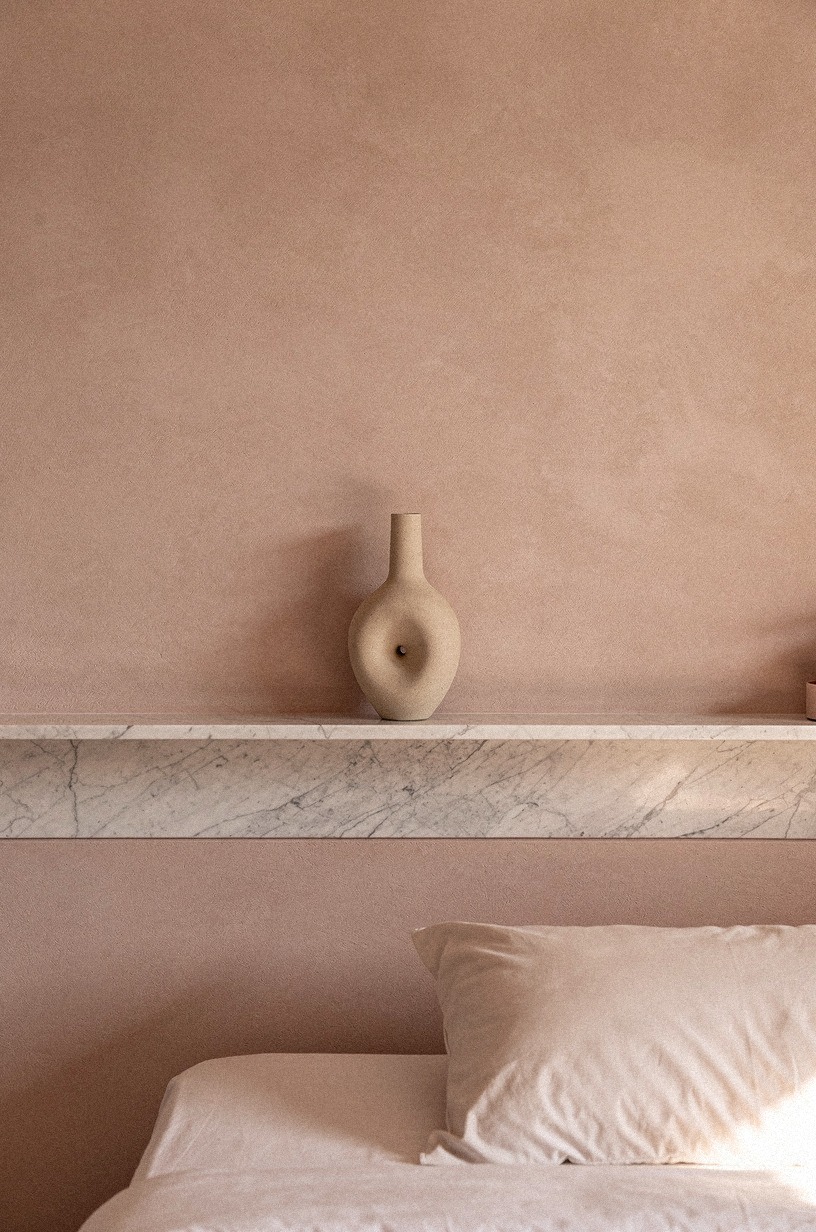
The right paint color is the single biggest shortcut to a room that feels warm before you add a single object. I've tried the all-white thing twice and both times the room felt like a rental that wasn't mine yet.
Farrow & Ball Setting Plaster (No.231) is the color I keep coming back to. It's a warm pink-beige that reads as neutral in daylight and turns into something softer after dark.
If you want something quieter, Benjamin Moore Pale Oak (OC-20) does the same thing in a greige direction. The trick is picking one color for all four walls and committing. Two-tone bedrooms look like decisions got made in stages.
Typical cost by tier (US averages):
2Layer your light so the ceiling fixture is never the only story
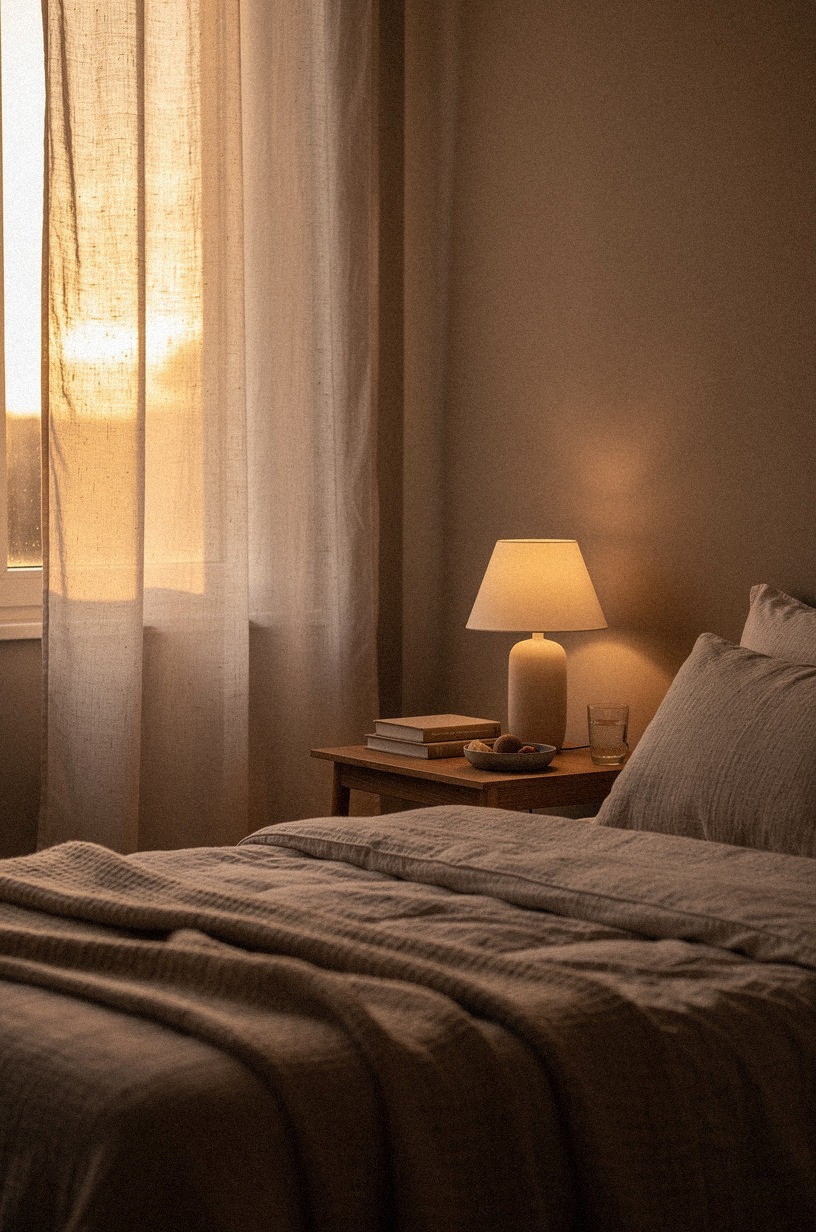
Overhead light alone makes a bedroom feel like a showroom.
3Buy the rug first, then let it boss everything else around
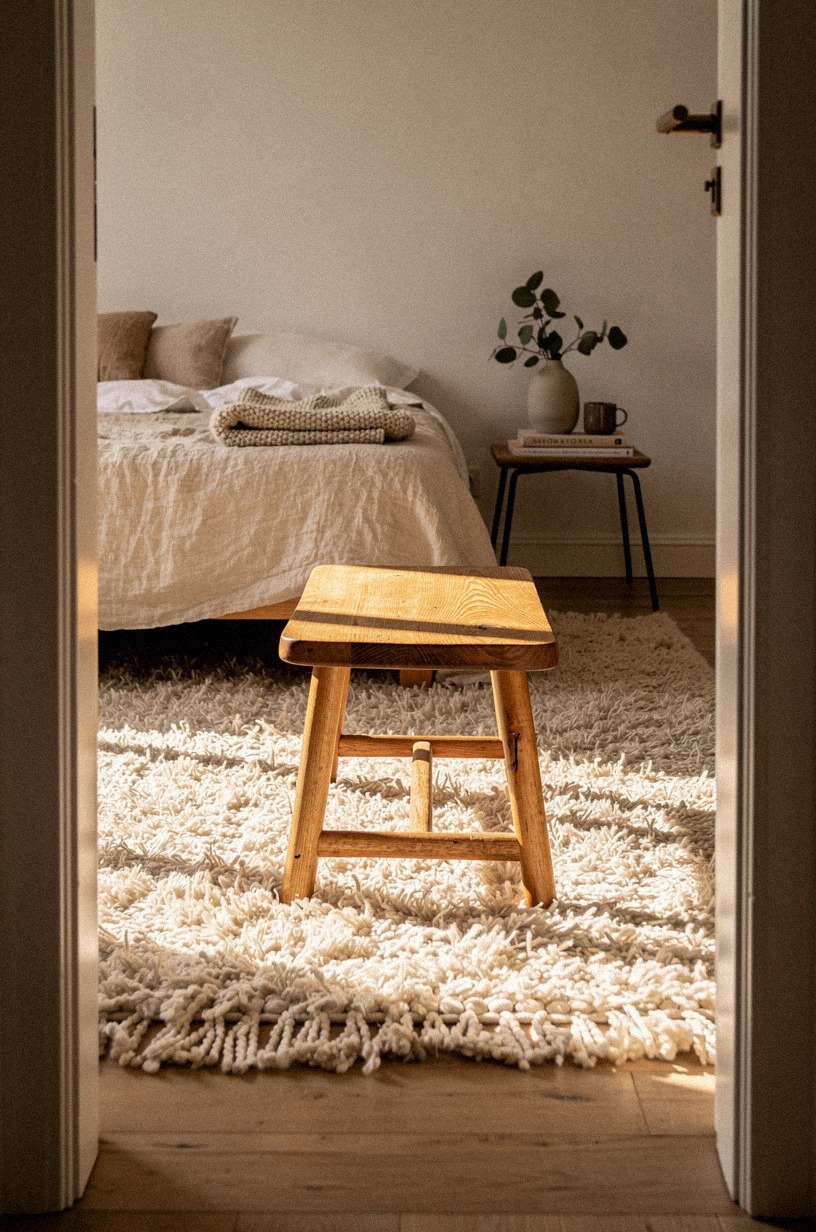
Most people pick bedding then hunt for a rug that matches. Flip that.
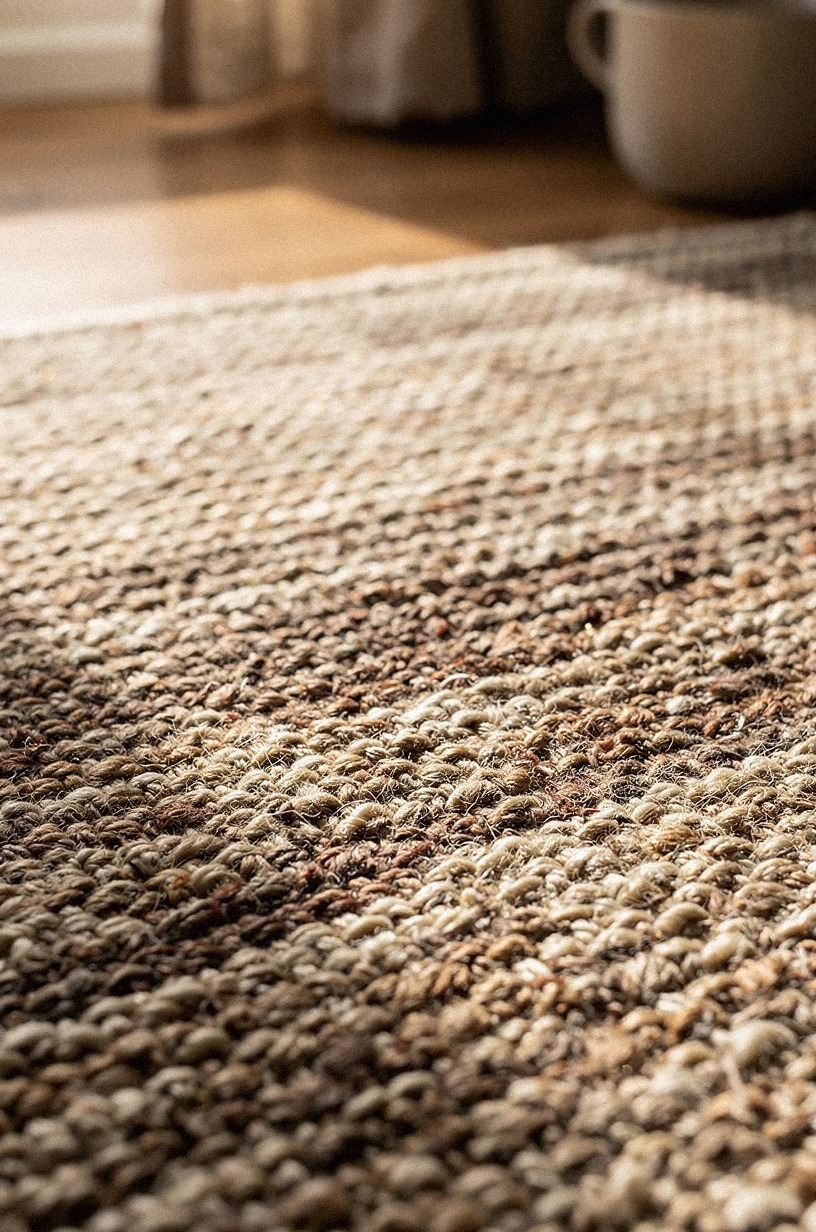
A wool rug 8×10 under a queen bed (60×80 inches) gives you 18 to 24 inches of softness on each side, which is the difference between stepping onto floorboards at 6am and stepping onto something that forgives you. I've seen $400 rugs that outperformed $1,500 ones because the pile was dense and the color was slightly imperfect.
If you're tight on budget, a flatweave in a warm tone works. Just don't go smaller than 8×10 for a queen. The bed eats the rug otherwise.
4Build a headboard that gives the bed an address
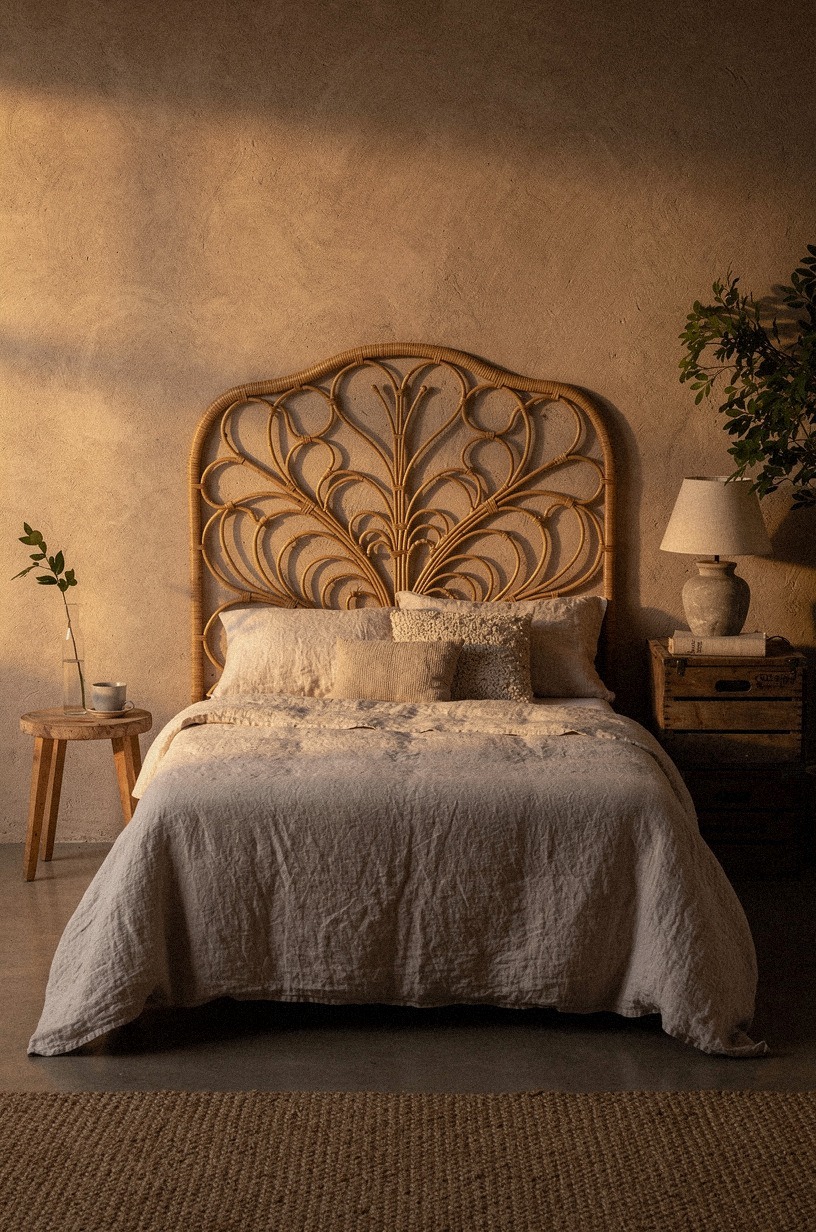
A bed without a headboard is a mattress in a room. A bed with one is a place.
You don't need to spend a lot. An upholstered headboard runs $250 to $900 depending on fabric, but I've also seen people nail a piece of Belgian flax linen to a simple wood frame and get 80% of the effect for under a hundred.
The height should clear your pillows by at least 12 inches or it looks like an afterthought. If you're renting, a freestanding headboard that leans against the wall is the move. No holes, no landlord conversations.
5Use bedding that gets better the more you wash it
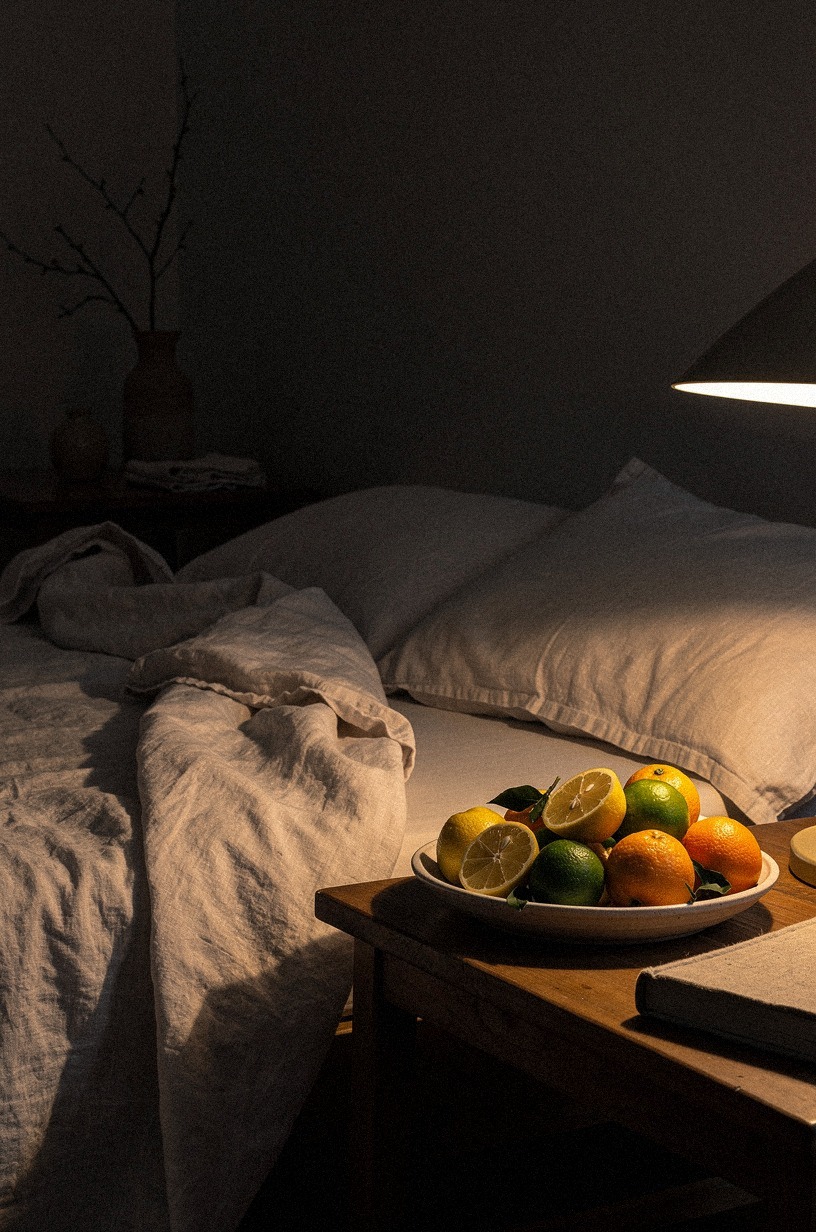
Crisp percale is fine for guest rooms. For your own bedroom, you want something that softens.
Washed-linen bedding starts around $150 for a set and keeps getting better. The wrinkles are the point.
If you prefer cotton, look for 600gsm Turkish cotton or merino wool blends. I made the mistake of buying high-thread-count sateen once.
It looked expensive and slept like a hotel conference room. The bedding that feels best after a year is never the shiniest when it's new.
6Add a bench or stool at the foot of the bed
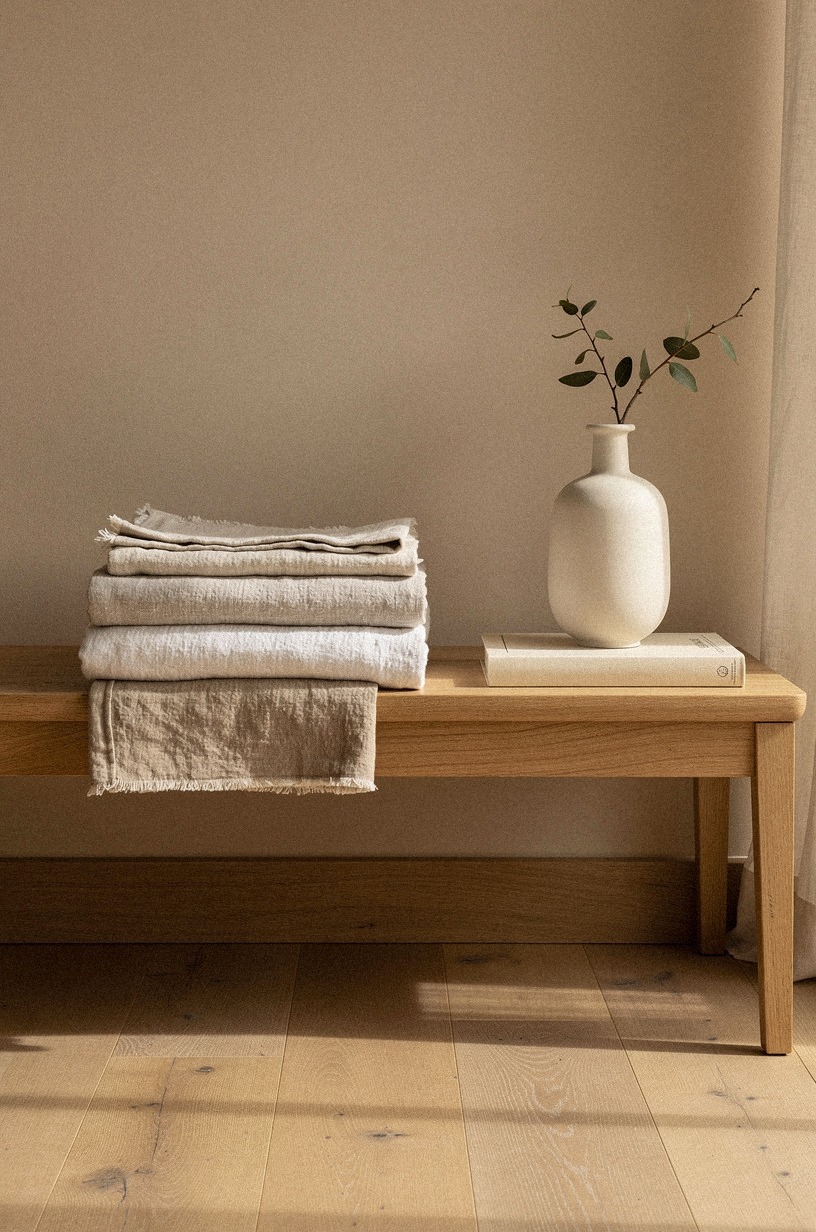
This sounds like a styling move but it's a functional one. A bench gives you somewhere to sit while you put on shoes, somewhere to throw the duvet when it's too warm, and a horizontal line that breaks up the bed's vertical mass.
IKEA MALM storage benches work if you need hidden space. A simple chunky oak beam on hairpin legs is the look I keep seeing in rooms that feel collected rather than decorated.
The bench should be lower than the mattress or it competes.
7Hang curtains high and wide, even if the window is small
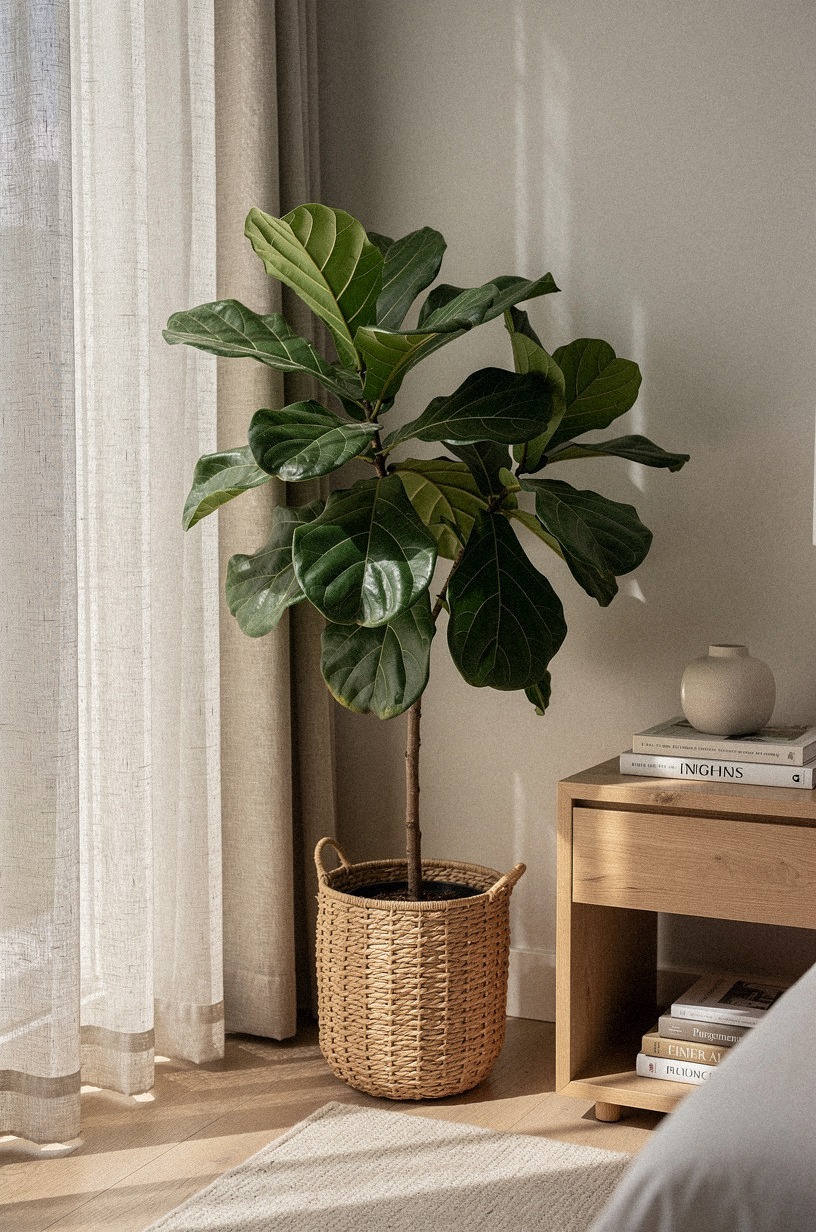
The curtain rod should sit 6 to 12 inches above the window frame and extend 10 to 12 inches past each side.
8Keep nightstands at mattress height and no taller
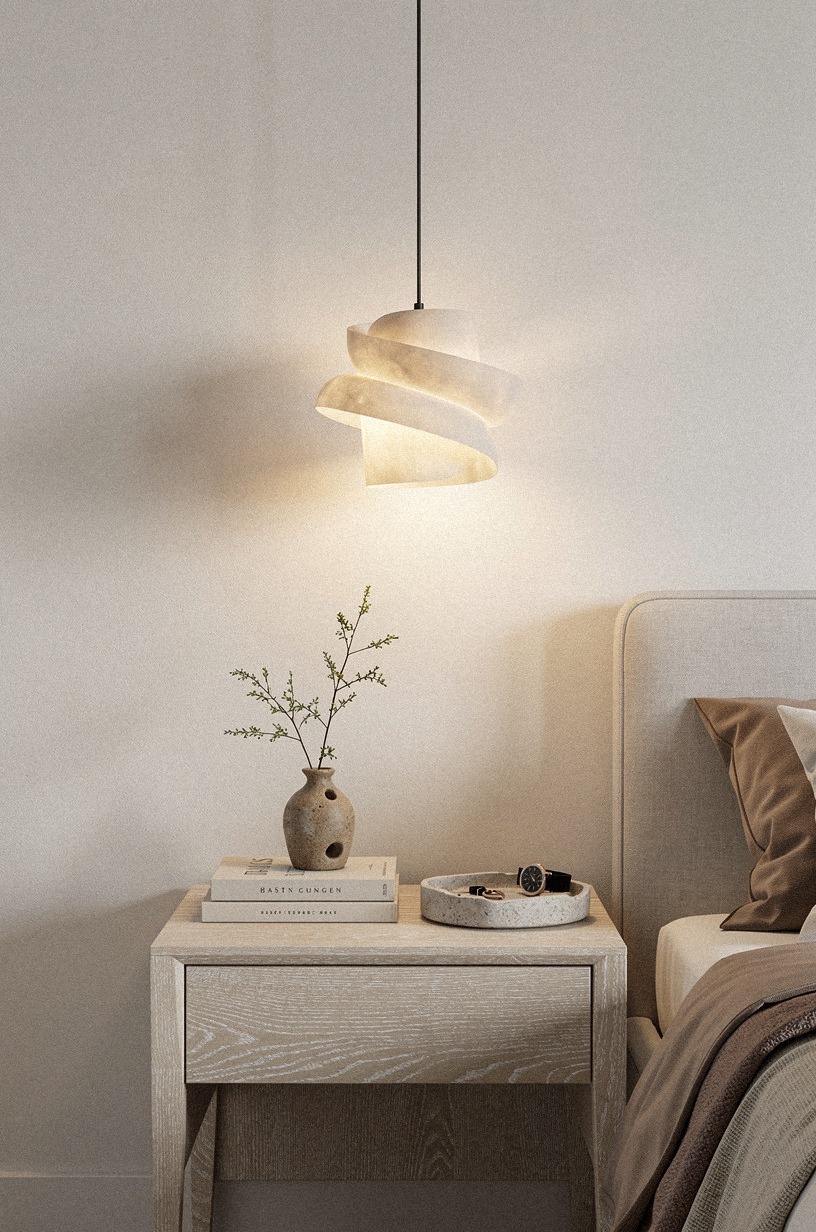
A nightstand that's 24 to 28 inches tall puts your lamp, book, and water at the right level without climbing. Taller than the mattress and it feels like furniture guarding the bed.
Lower and you're reaching down. I like IKEA HEMNES for the price and the drawer, but I've also used a simple cerused white oak stool with a shelf underneath.
The rule is: one drawer or shelf minimum. The top surface is not storage, it's staging.
Phone, lamp, maybe a book. Everything else lives below.
9Add one thing that isn't supposed to be in a bedroom
A small armchair. A vintage mirror that leans instead of hangs.
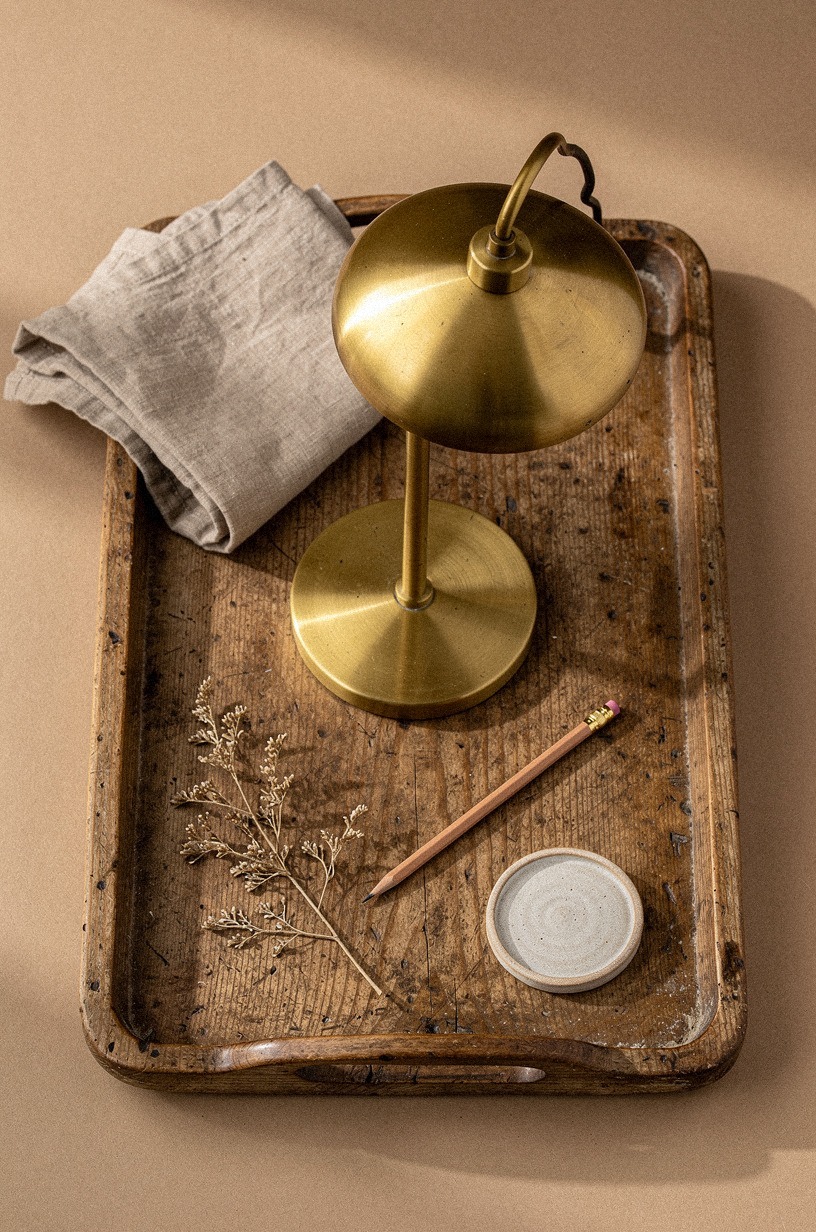
A ceramic bowl on the dresser that used to live in a kitchen. The best cozy bedrooms have one element that breaks the category. It stops the room from feeling like a set. I have a worn wooden tray on my dresser that came from a flea market.
It holds nothing important. But it's the thing I notice every time I walk in.
The irregularity is what makes the room feel inhabited.
10Use warm wood tones even if everything else is neutral

White oak, walnut, and even a little cherry add warmth that white furniture never will. You don't need everything to match.
A white oak herringbone nightstand next to a painted dresser is fine if both pieces feel honest. The mistake is mixing too many finishes.
Two wood tones max, plus painted pieces. I've seen bedrooms with oak, walnut, pine, and birch all competing.
It looks like a furniture store clearance section. Pick your warm wood and repeat it at least twice.

11Add a mirror where it catches morning light
A mirror opposite or adjacent to a window doubles the natural light without adding fixtures. The frame matters. Unlacquered brass warms the reflection.
Aged bronze is quieter. A simple wood frame in the same tone as your nightstand ties the room together.
Don't hang it too high. The center of the mirror should be at eye level when you're standing. And don't overdo it. One mirror with intention beats three mirrors scattered around like an afterthought.
12Leave one wall almost empty
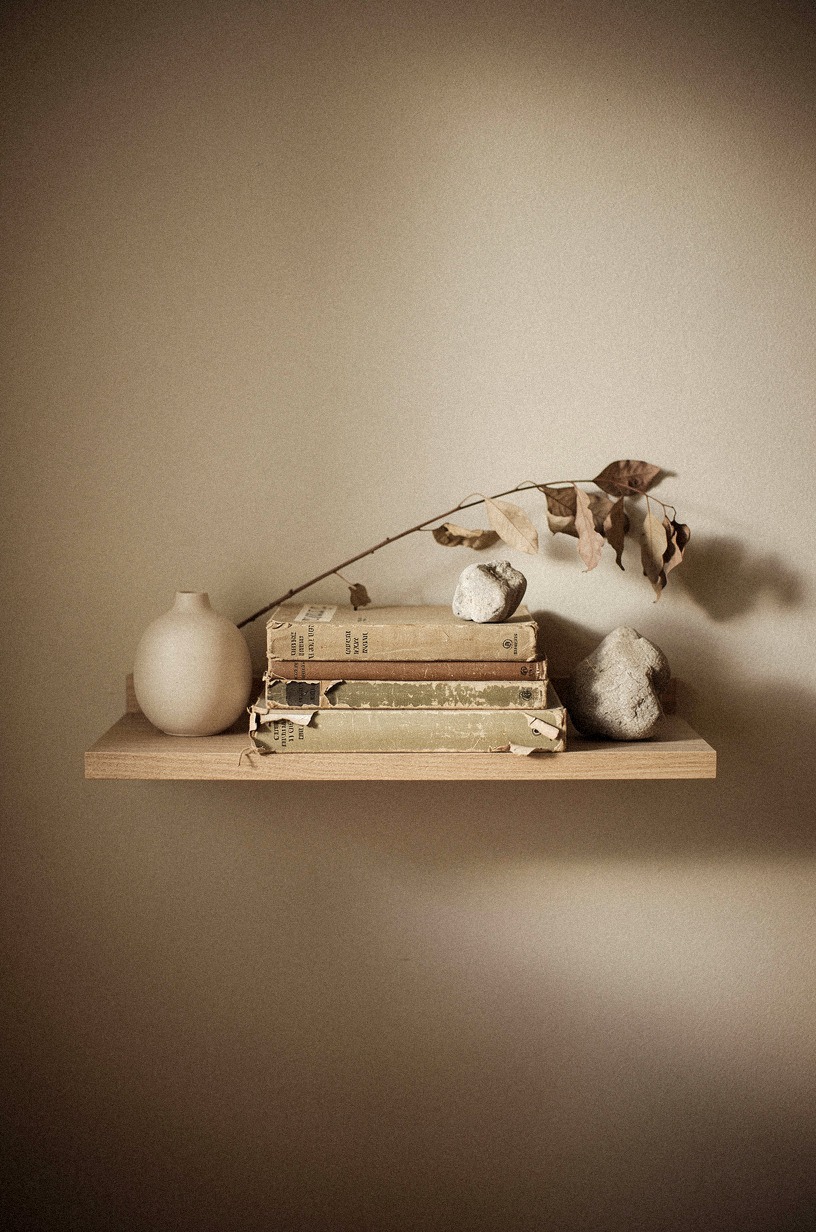
Every wall does not need to work. One wall with a single piece of art, or even just paint and nothing else, gives the room room to breathe.
I've been in bedrooms where the gallery wall was beautiful and exhausting. The eye had nowhere to rest. Pick your focal wall, the one behind the bed or opposite the door, and let the others be quieter.
A single large piece of art in a warm frame, or even just a wall painted Sherwin-Williams Accessible Beige (SW 7036) with a small ceramic ledge holding one object. The restraint is what makes the rest feel intentional.
13Swap your overhead for a semi-flush mount with warm diffusion
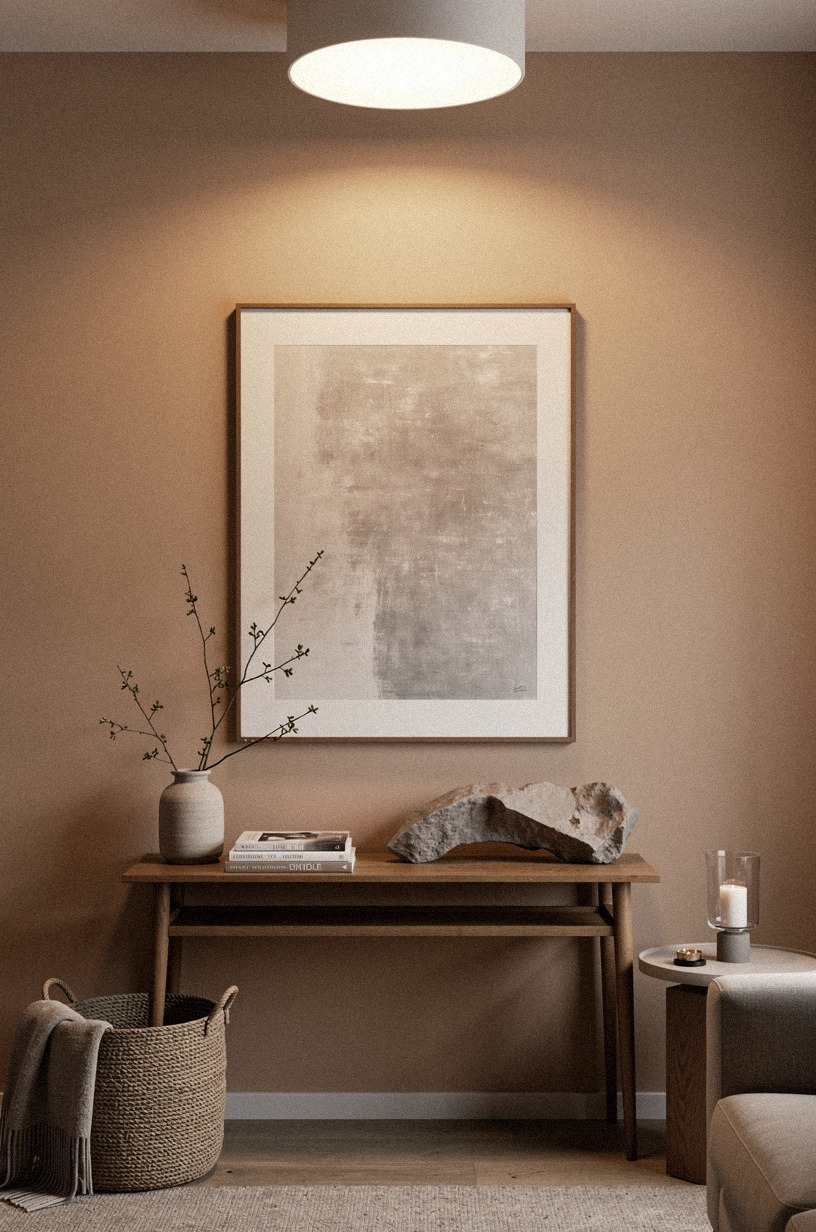
The ceiling fixture is the one light you can't move, so it better be right. A semi-flush mount in aged brass or matte black with a linen or frosted glass shade casts a pool of light instead of a spotlight.
I've replaced flush mounts in three bedrooms and the change is immediate. The room feels lower, calmer, and more like evening even at 3pm. Look for fixtures with a diameter of 16 to 20 inches for rooms under 150 square feet, and 20 to 24 inches for larger spaces.
Anything smaller and the light stays trapped in a cone directly below.
14Add a reading corner even if you don't read
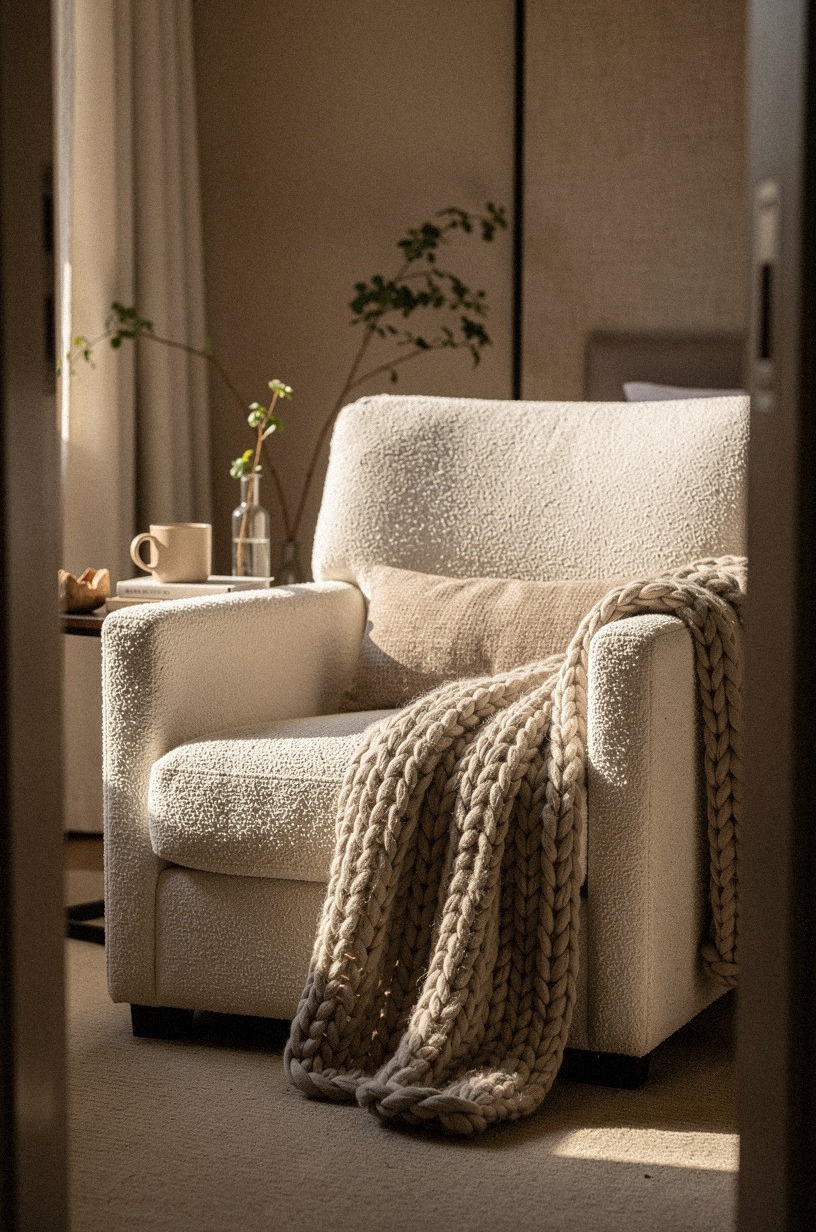
A single chair with a small side table and a lamp creates a second zone in the room. It breaks the bed's monopoly on attention and gives the space a sense of scale. You don't need a big armchair.
A CB2 Primitivo bouclé side chair or even a vintage Article Sven tan leather piece works if the proportions are right. The chair should sit at least 30 inches from the bed or the two pieces feel like they're arguing.
Add a small 18 oz cotton velvet pillow in a contrasting texture and you've got a vignette that photographs well and feels lived-in.
15Use a tray to corral your nightstand surface
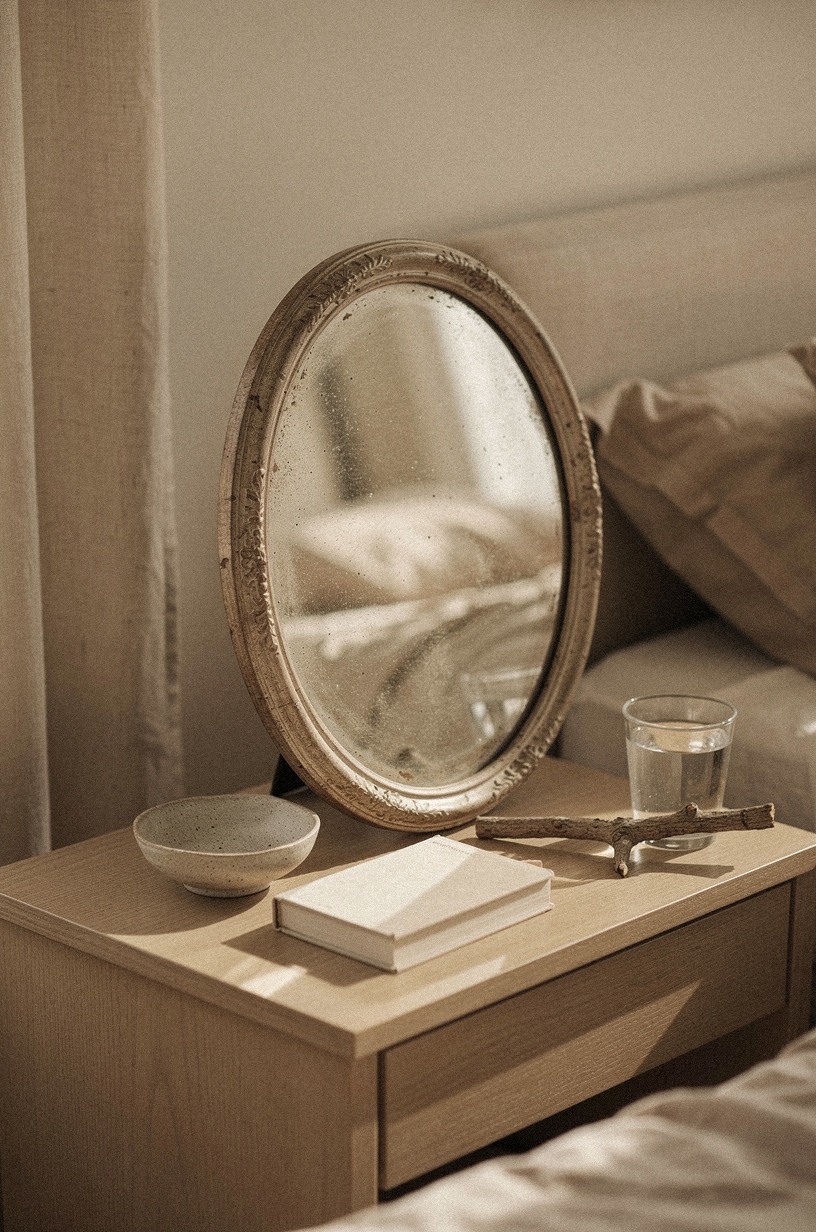
The nightstand top is where intention goes to die.
16Choose a throw blanket with weight, not just color
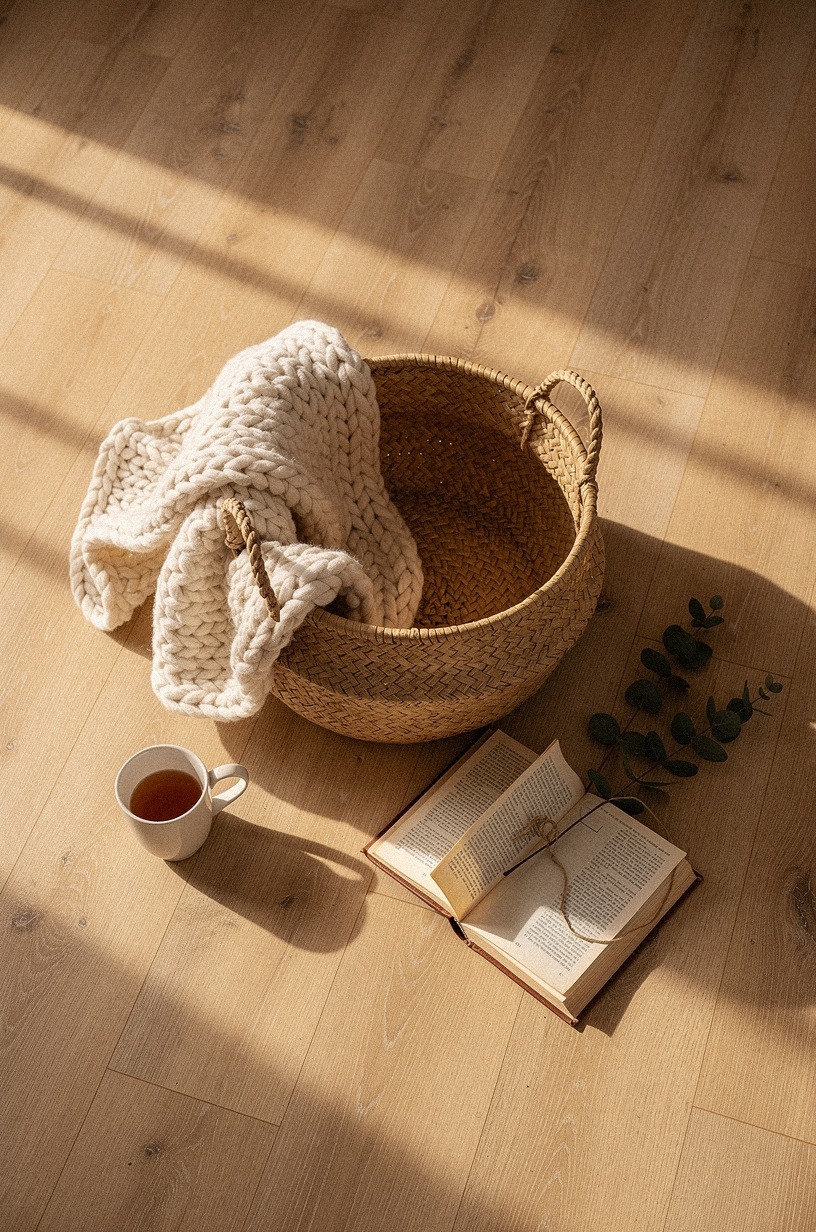
A thin throw is a color accent. A weighted or chunky throw is a physical experience.
Merino wool or chunky cotton knit blankets in a warm neutral add texture that reads as cozy even from across the room. Drape it at the foot of the bed or over the reading chair.
The key is contrast. If your bedding is smooth linen, the throw should be nubby. If your bedding is already textured, go smooth with the throw.
I keep a chunky knit in cream on my bed year-round and it's the first thing guests reach for when they sit down.
17The mistake I made so you don't have to
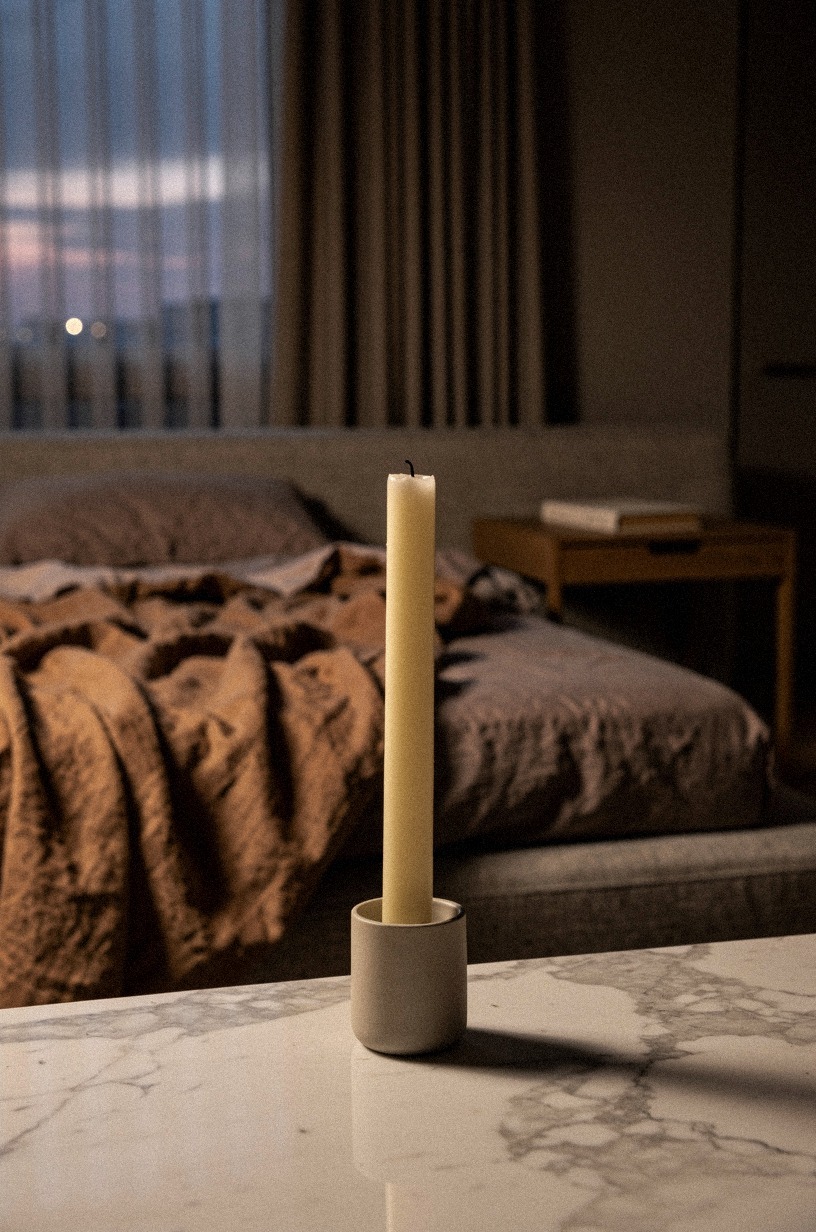
I once spent an entire weekend chasing cozy.
18Pick a scent that anchors the room
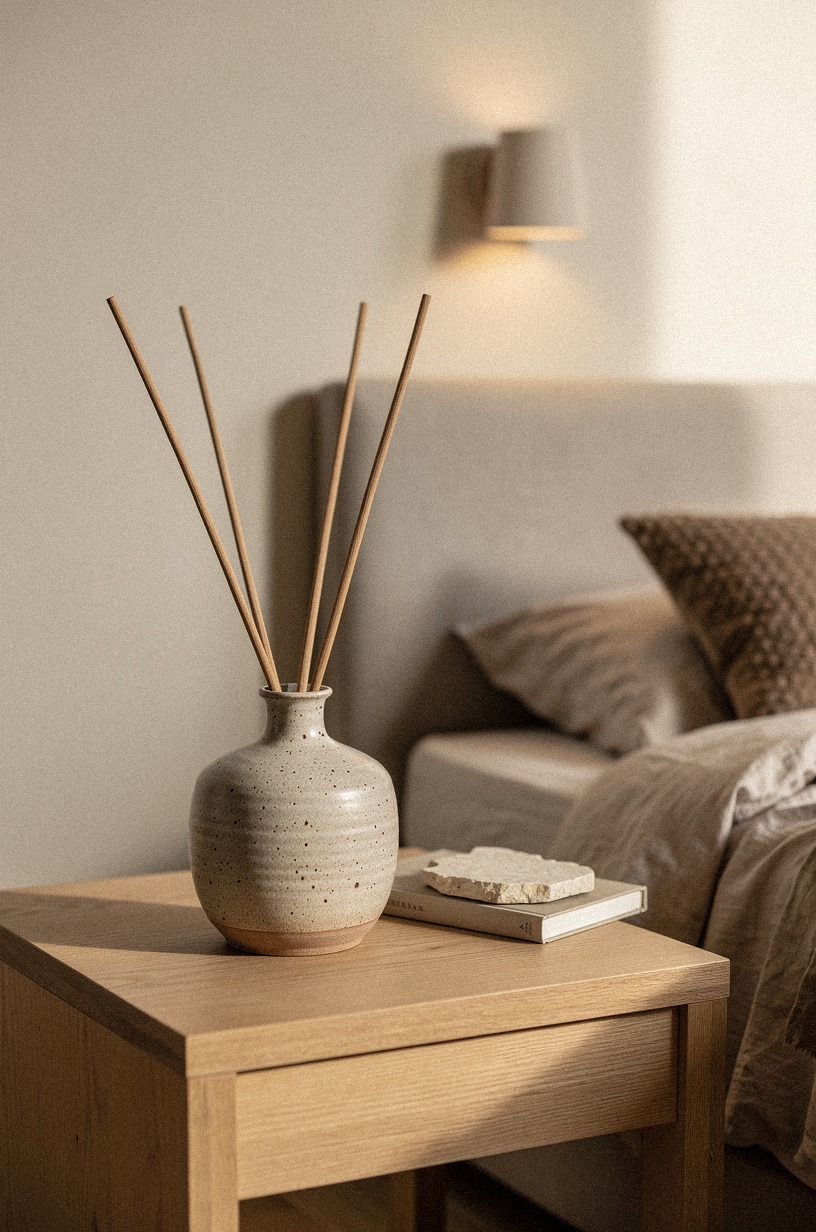
Cozy is half visual and half sensory. A candle or diffuser with a consistent scent makes the room feel familiar the moment you walk in.
I stick to sandalwood, cedar, or warm vanilla in bedrooms. Citrus and mint feel like kitchens and bathrooms. The trick is keeping it subtle.
One candle on the dresser, not three competing on every surface. And never leave a candle burning overnight.
A reed diffuser is safer and lasts longer. The scent should be a background note, not a announcement.
19Tuck a small plant into a corner
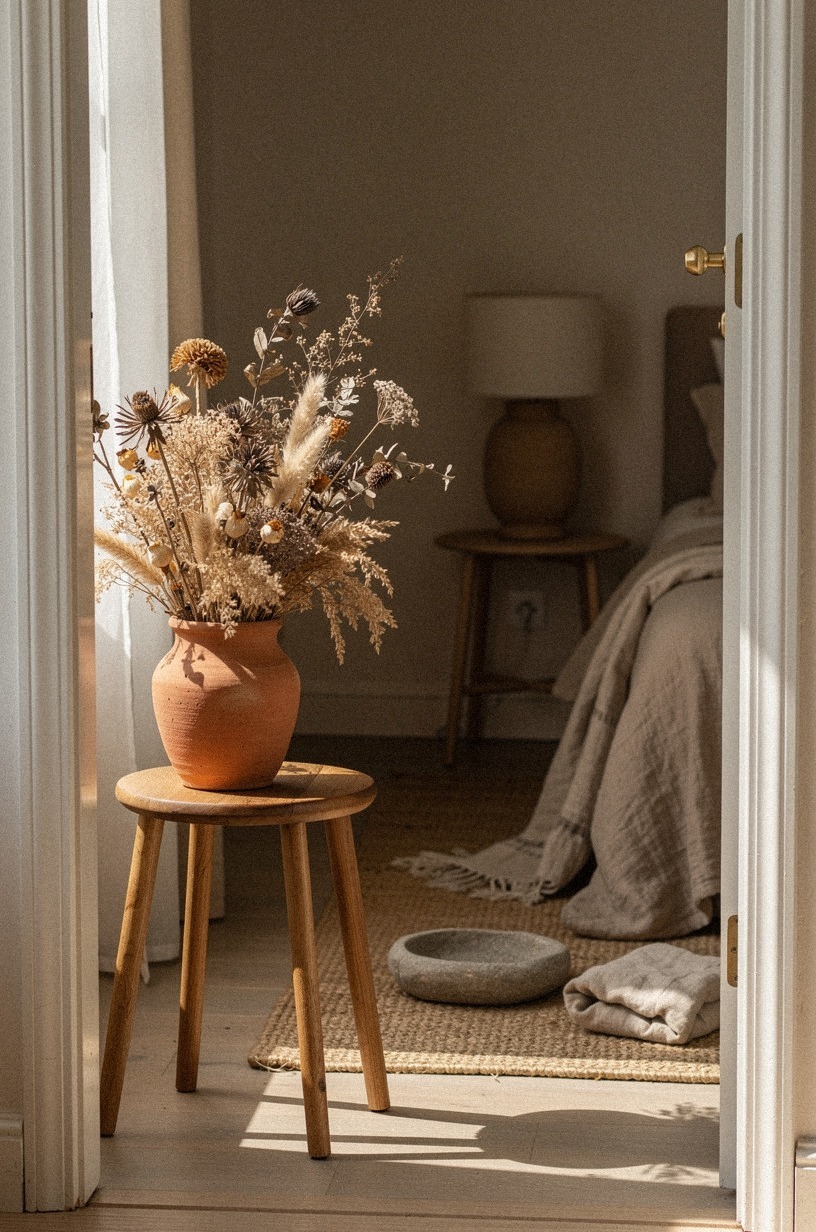
One plant, well chosen, does more than a shelf of them. A snake plant or ZZ plant survives low light and neglect, and the vertical shape adds height without clutter. Place it in a corner opposite the bed or next to the reading chair.
A simple terracotta pot is warmer than white ceramic. If you don't trust yourself with living things, a single dried branch in a matte black vase works the same way.
The point is organic shape against all the rectangles of furniture.
20Keep the floor visible around the bed
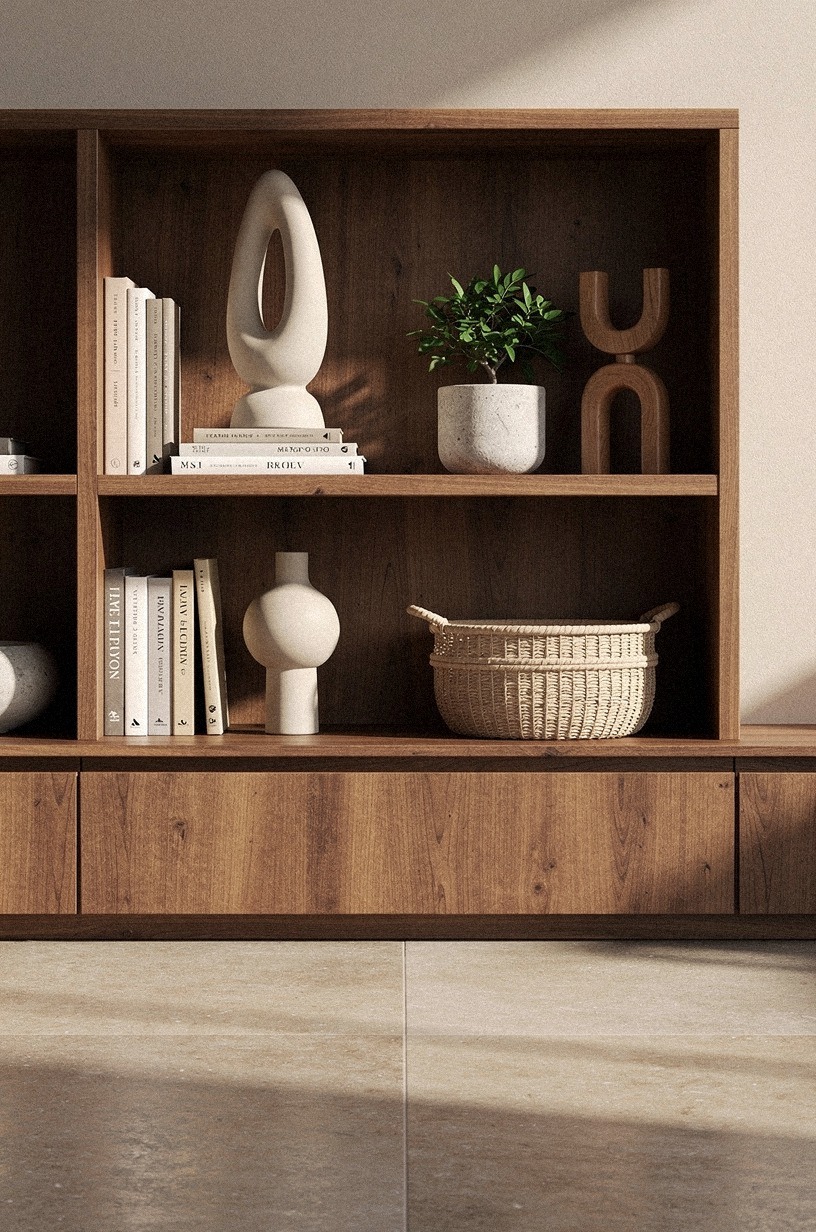
The space between the bed and the wall is where the room breathes. If your rug is too large or your nightstands too deep, you end up with a narrow path that feels like a hallway.
Leave at least 24 inches of clear floor on two sides of the bed. If your room is tight, push the bed against one wall and leave the other side open.
The visual of open floor is what makes a small bedroom feel generous. I've seen 10×10 rooms that feel spacious because the floor plan is clear, and 14×14 rooms that feel cramped because every inch is filled.
21Match your metal finishes, but not too hard
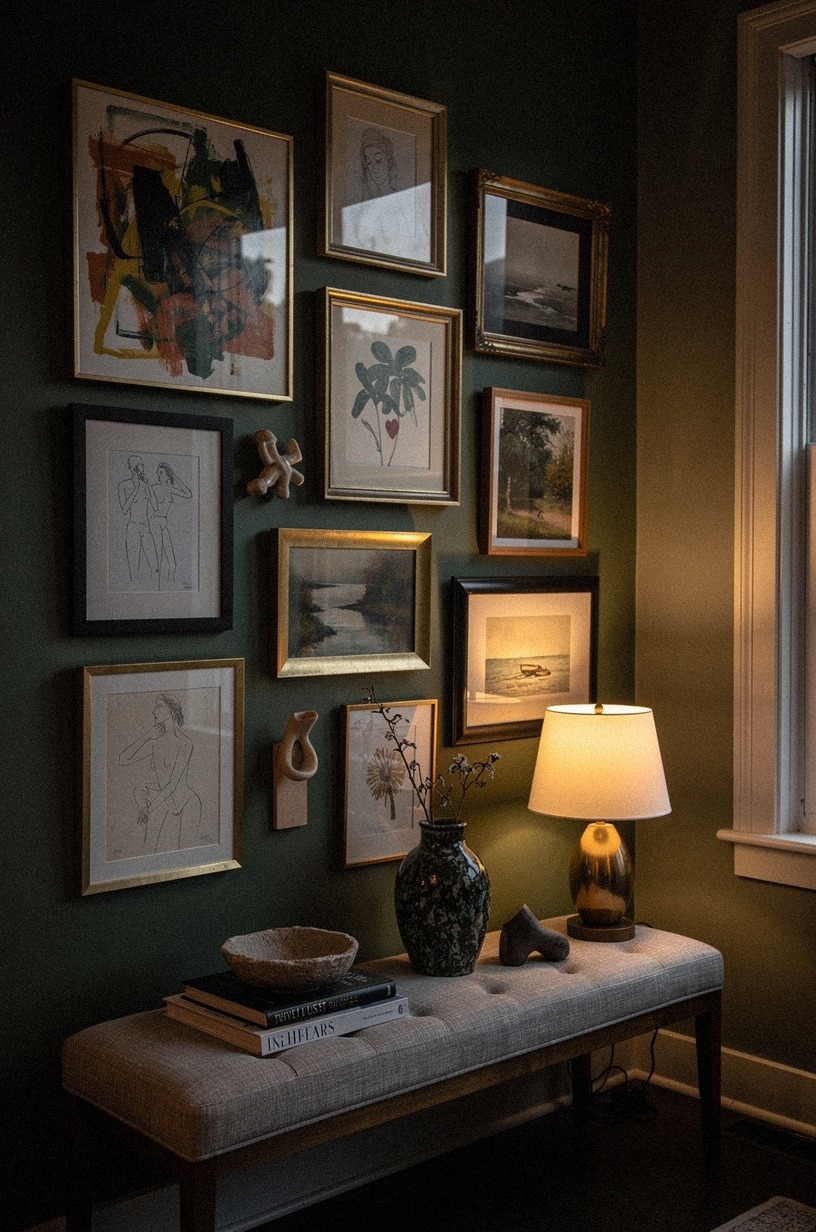
Bedroom hardware doesn't need to be identical, but it should be in conversation. If your curtain rod is brass, your lamp base should lean warm.
If your mirror frame is black iron, your nightstand pulls can be matte black or oil-rubbed bronze. The mistake is mixing three temperatures.
Warm brass, cool chrome, and black iron in the same room creates visual static. Pick one family and let the others drift slightly.
Two warm metals and one neutral is a safe formula. I've never regretted staying in the warm family.
22Add a doorstop or hook where you actually need it
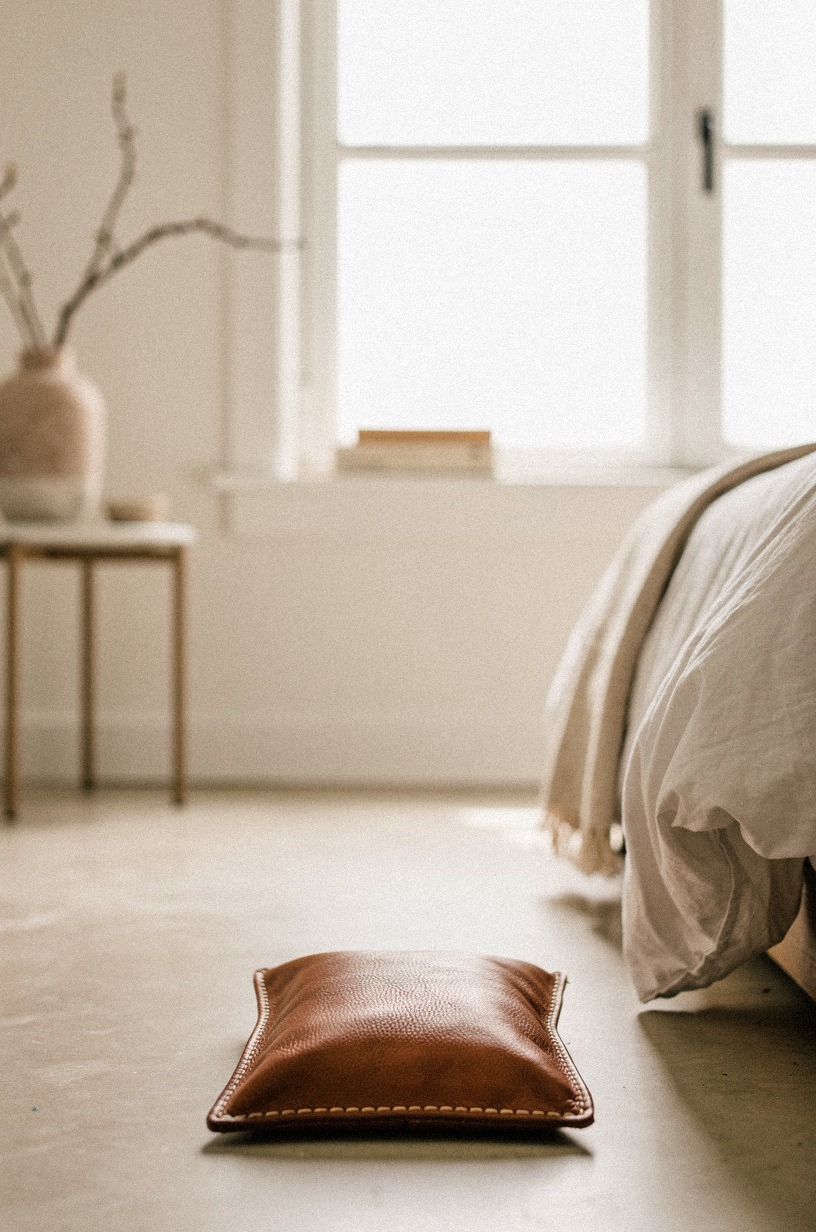
Small hardware is where intention shows. A leather doorstop instead of a rubber wedge.
A hook on the back of the door for tomorrow's robe. A small ceramic dish by the door for keys. These are the details that make a room feel considered rather than decorated.
They're also cheap. A brass hook costs less than a latte and you'll use it every day.
The best ones are the ones you install without thinking, then realize you can't live without.
A Few Things Worth Answering
What is the best cozy bedroom for a small bedroom?
The best approach is choosing furniture that fits the scale. A queen bed at 60×80 inches works in most rooms if you leave 24 inches of walk space on at least two sides. IKEA KALLAX units on their side work as low-profile storage and nightstand hybrids.
The goal is fewer, larger pieces rather than many small ones that clutter the sightlines.
Where can I buy cozy bedroom pieces on a budget?
IKEA for frames, storage, and basic bedding. Wayfair for rugs and headboards with more fabric choice.
Target Threshold and Studio McGee lines for lamps and small furniture that punches above the price. For character pieces, Facebook Marketplace and thrift stores are where you find the worn wooden tray or the mirror with the right patina. No single store has everything.
How much does a cozy bedroom makeover cost?
A typical refresh runs about $200 to $800 for paint, bedding, shades, and art. A mid-range update with a new headboard, rug, custom drapes, and a light fixture lands around $1,500 to $5,000.
A full furniture set with built-ins and trim starts near $8,000 and climbs. The free moves are decluttering, rearranging what you own, and painting.
Can I create a cozy bedroom on a budget?
Yes, and the budget moves are often the ones that matter most. Repaint with a warm color.
Layer your existing textiles differently. Move your lamp to a lower height. Add a mirror to bounce light.
None of these cost more than a gallon of paint and an afternoon. The expensive mistake is buying new furniture before you fix the light and the layout.
Is a cozy bedroom worth it in a small space?
Absolutely. A small bedroom that feels warm is better than a large one that feels empty. The key is choosing pieces that do double duty.
Storage under the bed. A bench with a lid. A nightstand at the right height so the room feels proportional.
The coziness comes from fit, not square footage.
Is cozy bedroom a good idea for a rental?
Yes, with the right swaps. Peel-and-stick wallpaper or paint if your lease allows.
Tension rods for curtains instead of drilling. Removable hooks for art.
A freestanding headboard. The rug, bedding, and light are all portable. You're investing in things you take with you, not changes you leave behind.
What paint color works best for a north-facing bedroom?
North light is cool and flat, so you need a color with warmth baked in. Farrow & Ball Setting Plaster is my first choice for north rooms.
It catches the cool light and turns it into something softer. Benjamin Moore Pale Oak is the safer bet if you want less pink. Avoid anything with a blue or gray undertone.
It'll read as cold by 3pm and you'll wonder why the room feels like a clinic.
How do I layer bedding without it looking messy?
Start with a fitted sheet in a solid color. Add a flat sheet in a slightly different tone. Then a lightweight blanket or coverlet.
The duvet goes on top, folded at the foot of the bed during the day. Two pillows in standard cases, one in a contrasting texture.
The key is limiting yourself to three colors max. More than that and the bed starts looking like a display.
Less is more, but each layer should be a different weight or texture.
Where I'd Start First
If I had to pick one, I'd start with the wall color and the rug. Everything else can come later, but those two decisions set the temperature of the room.
A warm paint color and a soft landing when you get out of bed change how the space feels before you add a single object. Pin the rug size guide for later and check our small bedroom layout tips when you're ready to place the furniture.