 by
by What to check before buying any mattress came into focus for me at 3 a.m., when I was awake again on a bed that smelled faintly like plastic and made my shoulder go numb. I had a modest bedroom budget, not a blank check. And I was tired of buying small fixes for a problem that lived underneath all the pillows.
My room looked calm in daylight. At night, it felt like a compromise.
The old mattress sagged near the edge, the sheets trapped heat, and I kept telling myself I could live with it for another year. I couldn't.
The moment I stopped blaming the whole bedroom
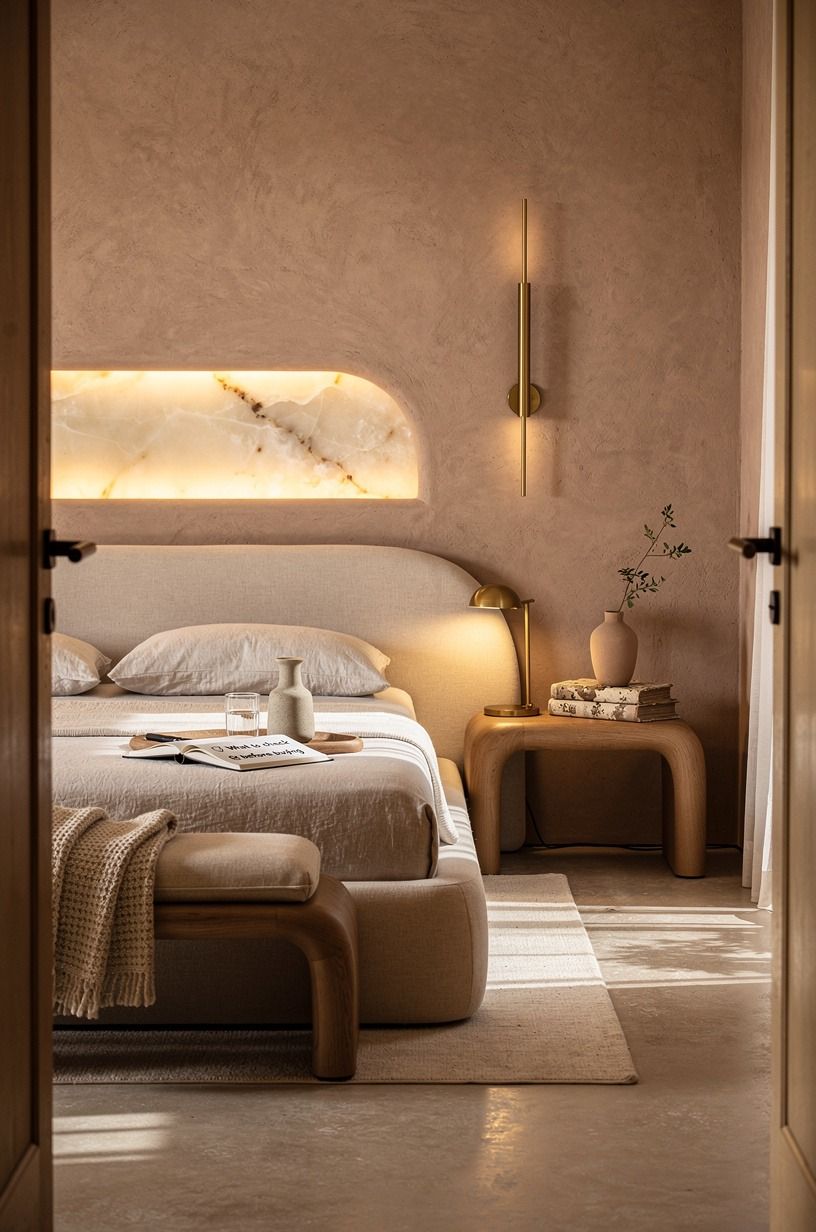
I first blamed the lamp, then the scratchy duvet cover, then the fact that our room is small. But the real issue was simpler: I wasn't sleeping well, and I didn't like getting into my own bed.


I think a mattress purchase gets confusing because every option sounds reassuring in isolation. Plush.
Supportive. Cooling.
Natural. None of those words mattered to me until I wrote down what I needed: less chemical smell, steadier support, and a surface that didn't make me wake up restless.
I also measured the room before I bought anything. Boring, yes.
Necessary. I didn't want a larger bed swallowing the narrow walkway beside my dresser, and reading about the biggest mattress you can buy helped me stop treating “bigger” as the automatic answer.
I checked the materials before I checked the feel
My first rule was that I wanted to know what I was bringing into the bedroom. I wasn't looking for a medical promise. I just wanted a non toxic bedroom that felt easier for me to sleep in, especially because strong synthetic smells have always bothered me.
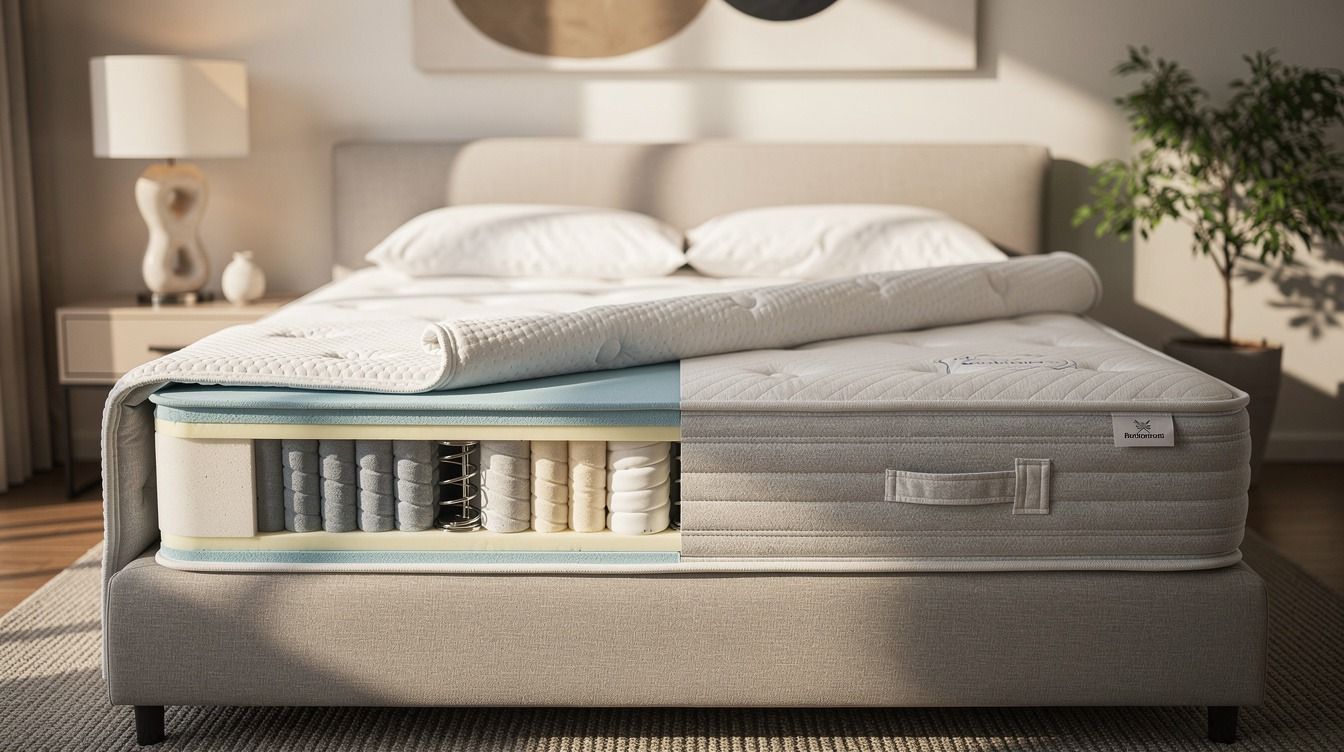
That meant reading past the pretty cover and asking what sat beneath it. Foam layers, adhesives, wool, latex, cotton. The boring details.
I preferred a mattress that explained its materials plainly rather than making vague claims about a healthy bedroom.
I chose Zenhaven after going back and forth longer than I want to admit. I liked the latex feel because it was buoyant rather than sinky, and that worked better for my sleep than the deep, stuck-in-place feeling I get from very soft beds.
And yes, it cost more of my makeover budget than any other piece. That was the point.
I tested support the way I really sleep
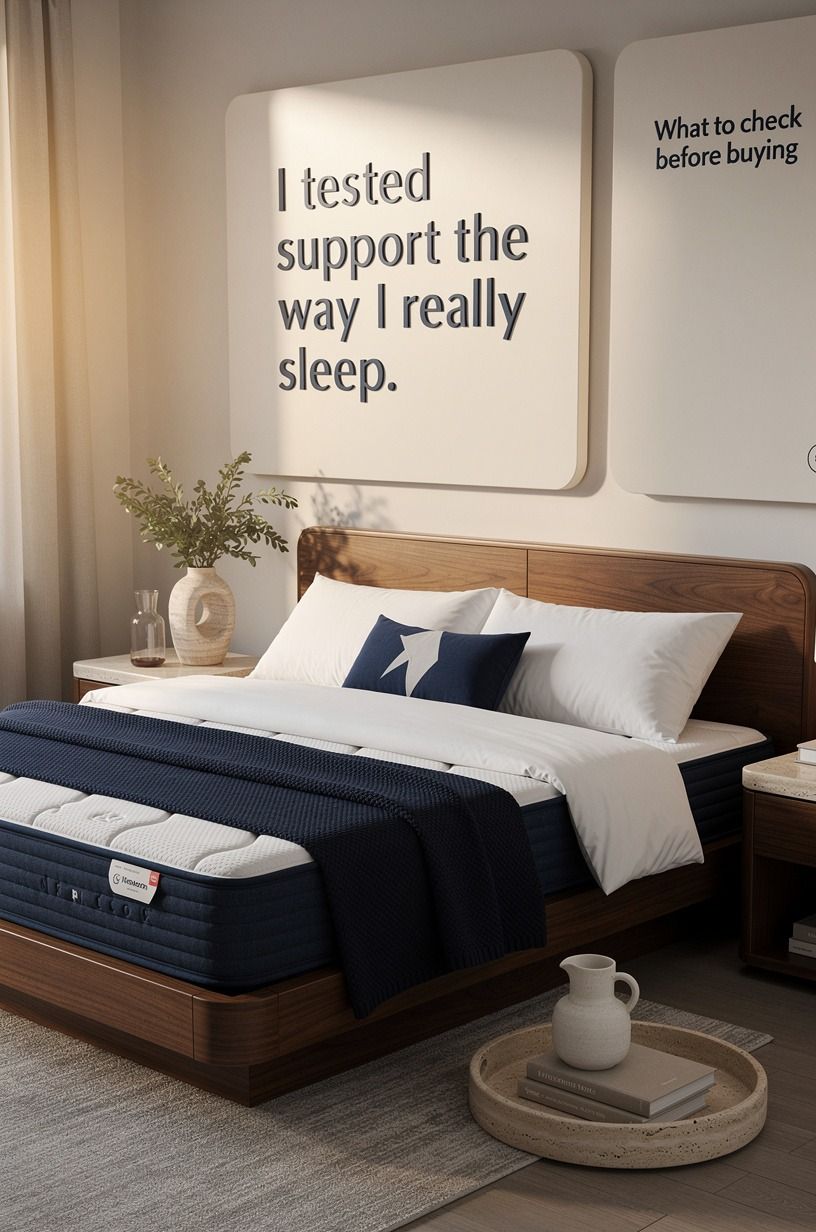
I used to lie down on mattresses politely, flat on my back for thirty seconds like I was in a showroom audition. That told me almost nothing. I sleep on my side, move around a lot, and hang one foot off the edge when I can't settle down.
So I paid attention to pressure at my shoulder and whether the mattress felt stable near the perimeter. I’d skip a mattress that feels cloud-soft for the first minute but lets your hips drift lower than your ribs. It may feel dreamy in a store, but my back pays for that kind of choice by morning.
Thickness mattered too, mostly because I needed my existing frame and bedside tables to still make sense. Before ordering, I checked this guide to standard mattress thickness and measured my bed height with the bedding included.
Not glamorous. Very useful.
I gave the mattress a proper foundation
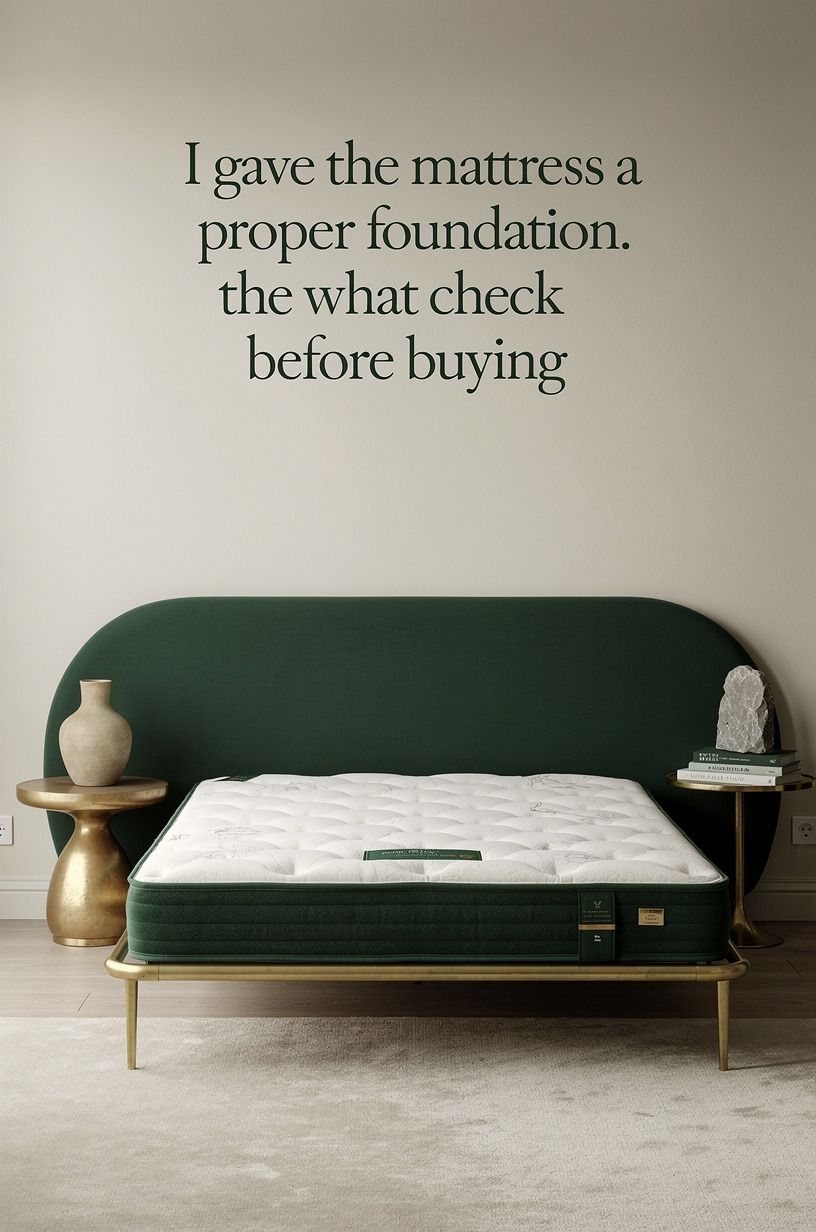
The mattress wasn't the only decision. My old base had slats that were too far apart, and I had never thought about it because it was hidden under the bed. Hidden doesn't mean unimportant.
I checked what the manufacturer recommended, then looked closely at my frame for bowed slats, loose screws, and any spot where the mattress could dip. I think people spend all their energy comparing comfort layers and forget the structure that holds them up. A mattress can only feel as even as the surface underneath it.
For anyone sorting this out from scratch, the explanation of what goes under a mattress is worth reading before you make the room over around a bed that needs a better base. But I didn't replace every piece of furniture. I tightened what I had and spent the larger share of my budget where my body noticed it.
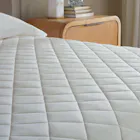
The Piece My Whole Bedroom Is Built Around
Natural materials, a 365-night home trial, free white glove delivery. Decide in your own room, not a showroom.
I layered comfort without hiding the problem
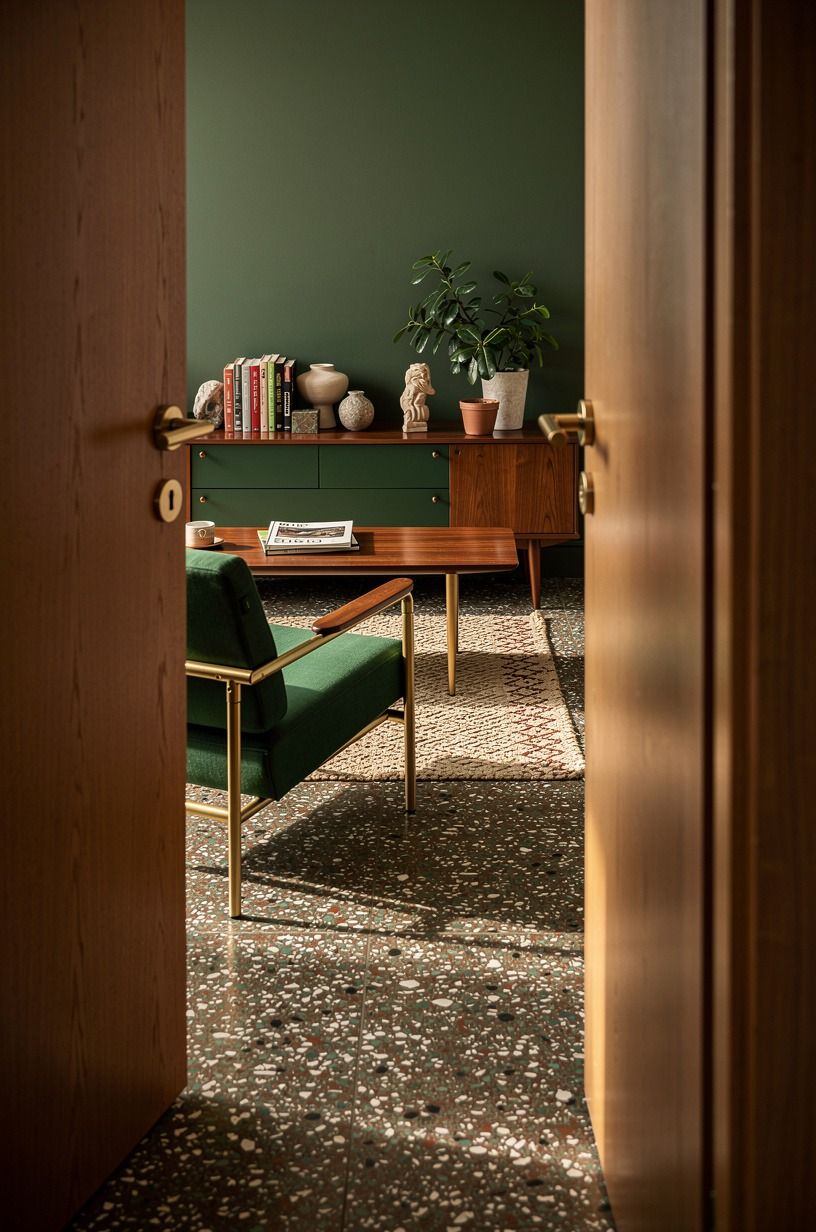
Once the new mattress was in place, I didn't pile on extras immediately. I slept on it simply first. I wanted to know what it felt like without turning the bed into a soft, fluffy disguise.
Then I added an Organic Mattress Pad, mainly for the washable top layer and a little softness. I wasn't sure it was worth it. For two weeks I regretted adding another layer because I worried I was undoing the support I had chosen.
But it settled in nicely, and I liked the gentle buffer without losing the responsive feel underneath.
The bed finally started to look like the restful place I wanted, too. Not styled within an inch of its life.
Just warm, soft, and lived-in. A folded blanket at the foot.
One book on the nightstand. Enough.
I changed the pieces that touched me every night
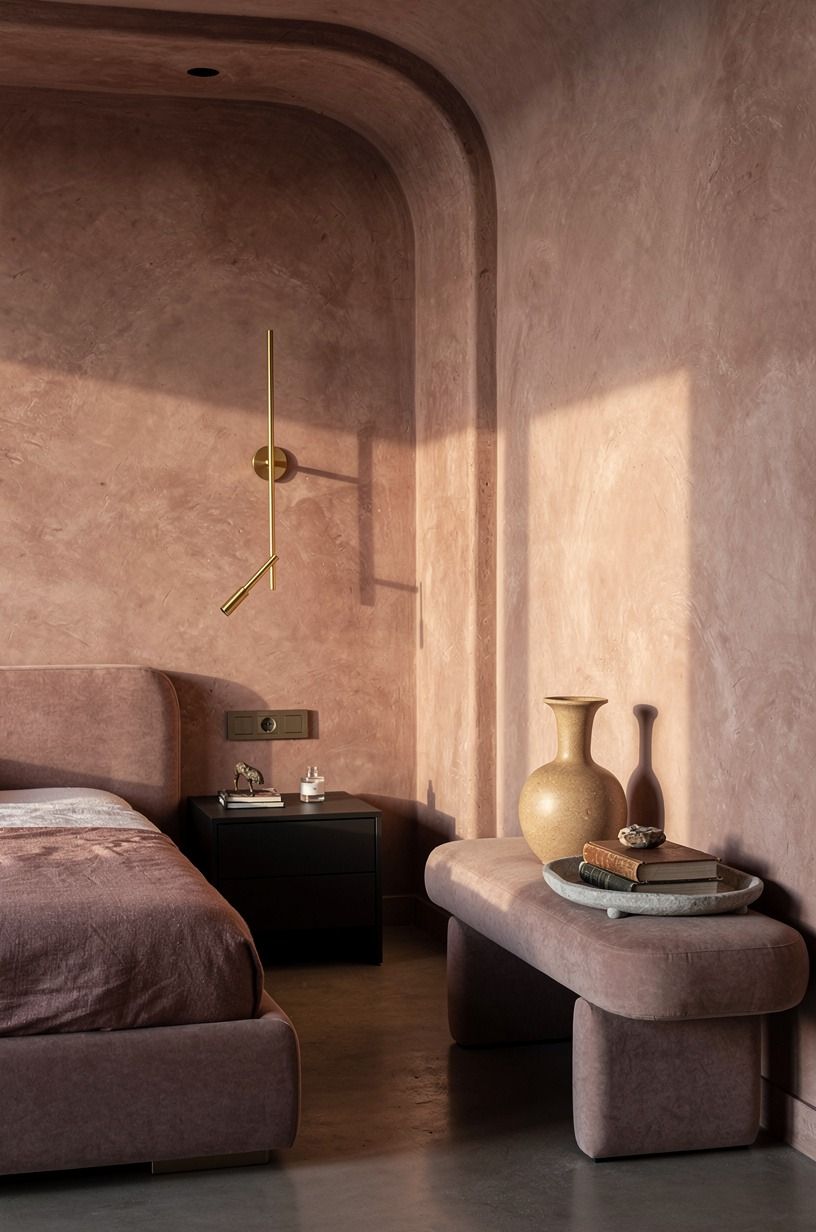
This was where I had made cheap choices before. I’d buy whatever sheets were on sale, then wonder why the bed felt slippery or overheated. The mattress was the major decision, but the fabric against my skin mattered more than I expected.
I chose Organic Cotton Sheets because I wanted a crisp, breathable layer that felt inviting without making the bed look fussy. My opinion? I’d take cotton that gets softer with washing over shiny fabric that photographs well once.
Every time.
The last addition was an Organic Quilted Pillow. I hesitated here too, because pillows are intensely personal and I don't think one shape suits everyone.
This one worked for my side-sleeping position and made the bed feel more supportive for me. That’s my experience, not a promise for yours.
And the room got quieter somehow. Less visual noise. Less nightly negotiating.
What I would buy differently next time
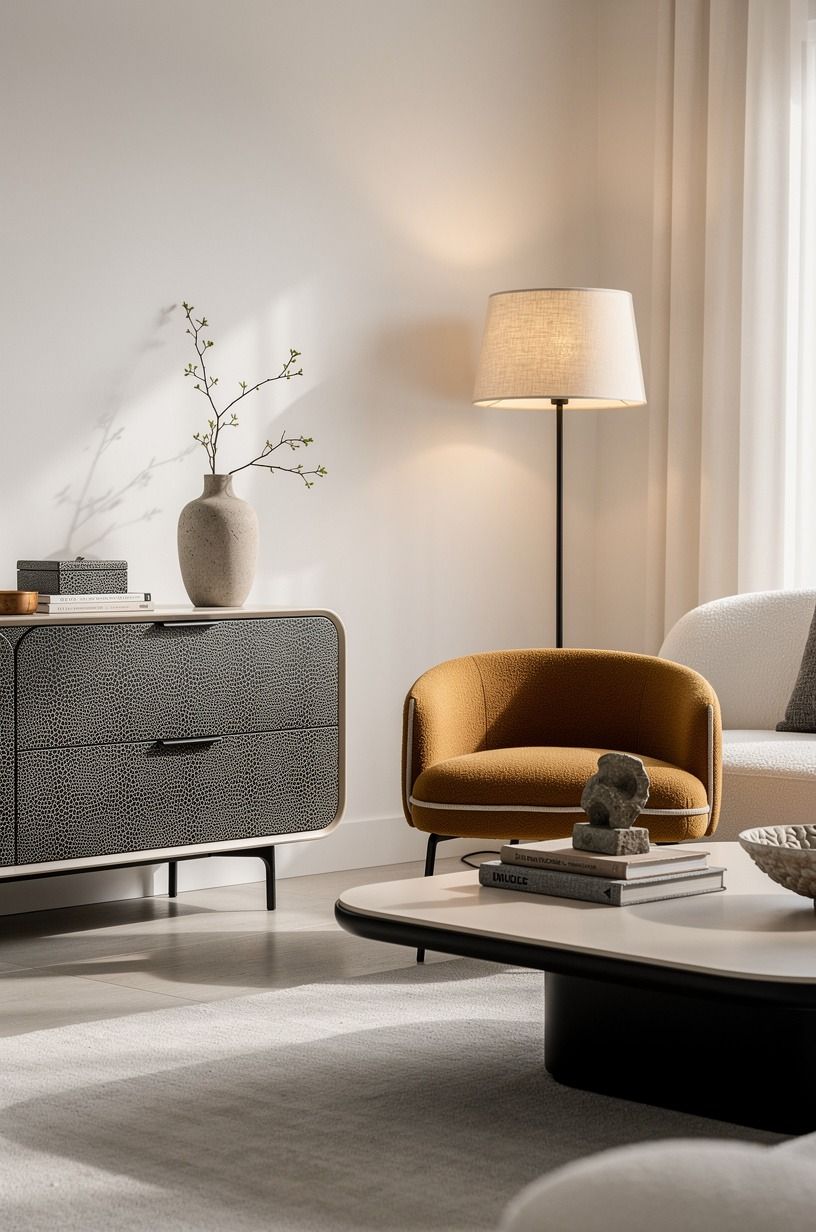
I would make the mattress decision sooner and spend less time trying to rescue a worn-out one with toppers, throws, and optimism. I also would have checked the return terms before I got attached to a specific model. That part matters, because a mattress can feel different after several ordinary nights than it does during a quick test.
My reservation is this: latex has a distinct feel. I like its gentle spring and stable edges, but someone who wants to sink deeply into a bed may not.
I’m glad I trusted my own sleep habits instead of chasing a hotel-bed fantasy, though. If that is your goal, comparing what mattresses Marriott uses can help you separate the look from the feel.
But my real verdict is simple: buy for the nights you actually have, not the bedroom photo you imagine.
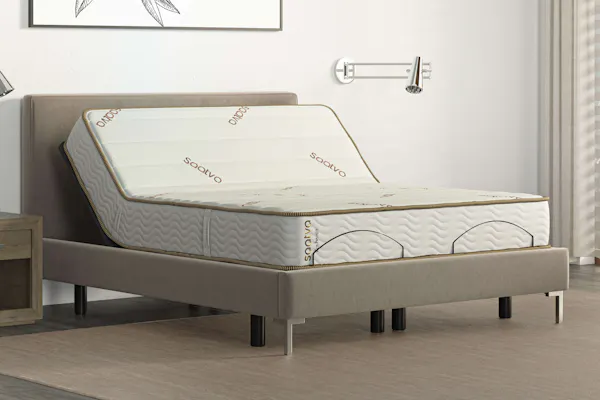 My pick for a healthier bedroomZenhavenTalalay latex, organic cotton, 365-night trial, lifetime warranty, free white glove delivery.See the Zenhaven
Build Your Own Healthier Bedroom
Sale pricing runs on orders over $1,000, and the 365-night trial gives you a full year of nights to be sure.
Where I would start in my own room again
If I had to pick one, I'd start with the mattress materials. You can't make a bed feel restful by covering up a surface you don't want to sleep on.
The rest can wait. Tonight, my bedroom has a rumpled white cotton sheet, a paperback facedown on the oak nightstand, and no plastic smell in the air.