 by
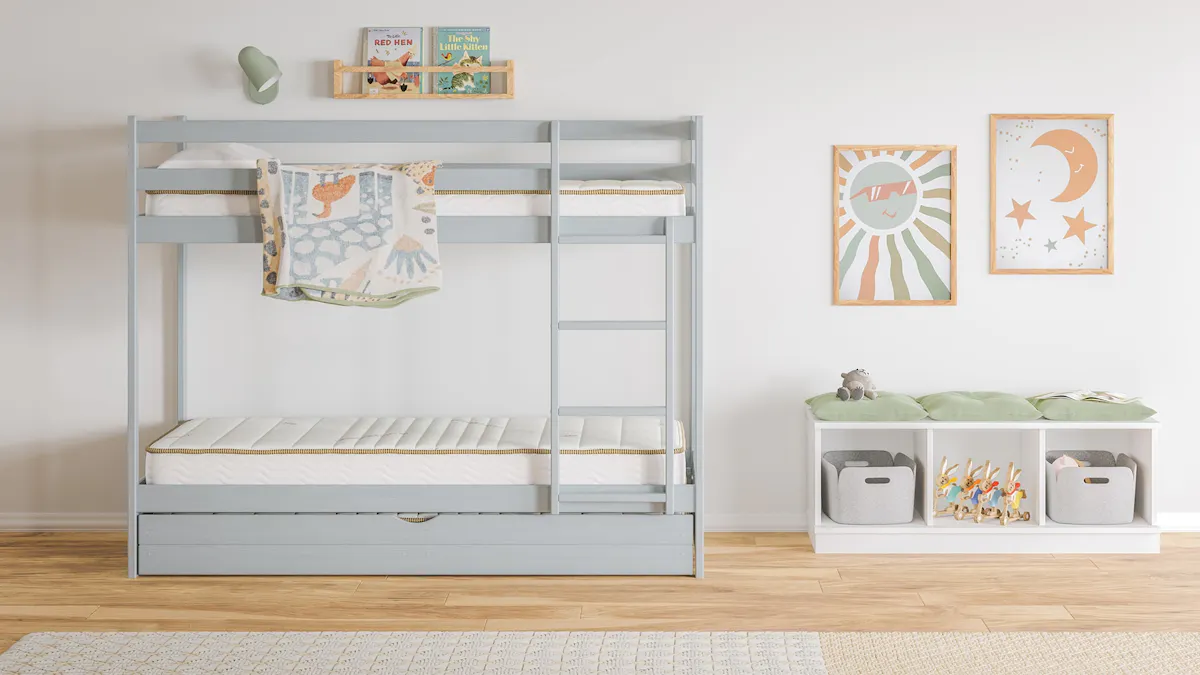
by Quick answer: I’d pair a compatible daybed frame with the Saatva Bunk Trundle Youth only after confirming the frame’s mattress-clearance rules, support system, and separate weight limits.
- This recommendation is matched to the trundle-bed-mattress category.
- The official product page is the right place to verify current specifications and availability.
- A trundle setup needs compatibility checks for both sleeping surfaces, not just the visible daybed.
Updated July 2026 · Reviewed for accuracy
A day bed with trundle and mattresses can be an excellent use of a small room. My verdict is simple: buy the frame and mattresses as a system, not as separate wish-list items. The under-bed mattress is where most bad purchases begin, because it has to clear the frame while still being useful for an overnight guest.
I’d start with mattress fit, then move to support, room clearance, and everyday use. The frame may be marketed as a bed, sofa, guest solution, or all of the above. None of that matters if the trundle cannot roll freely with the mattress you choose.
Start With the Mattress Clearance, Not the Frame Finish
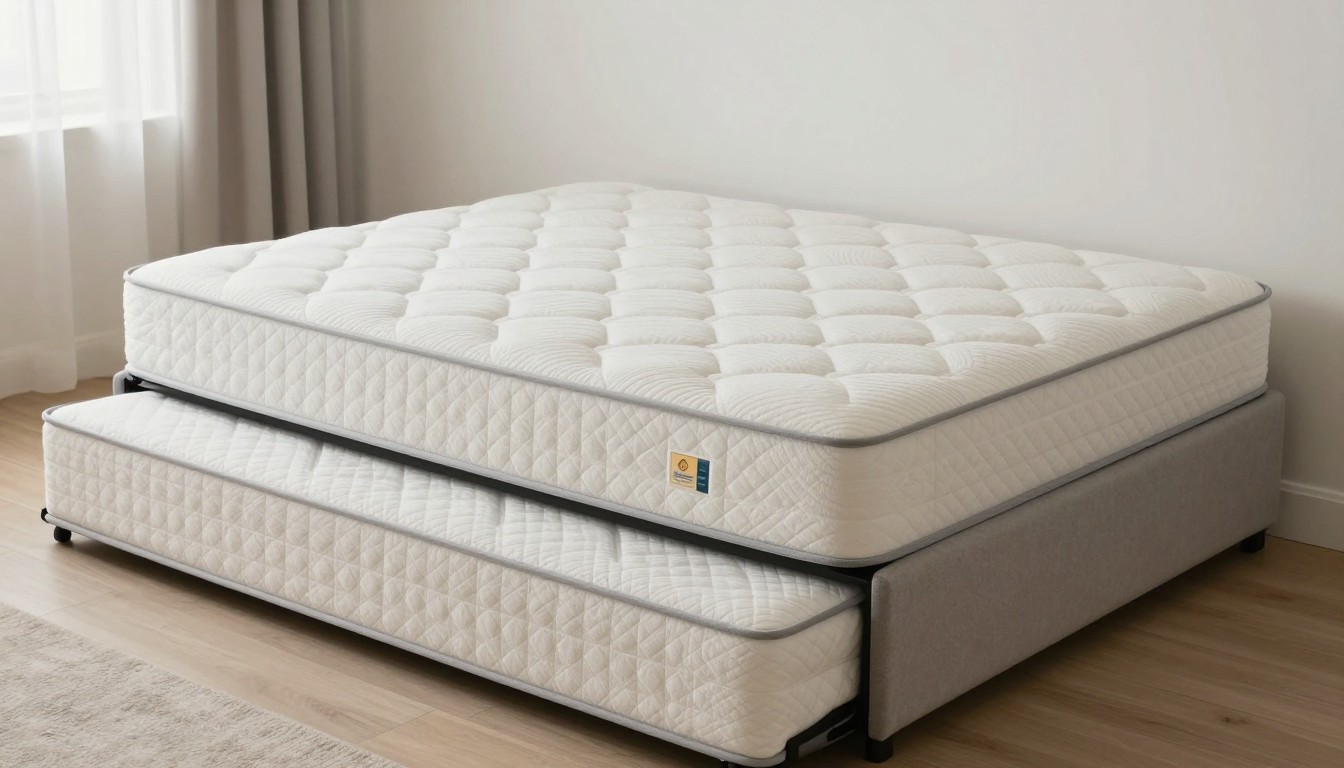
The trundle mattress has to live underneath the main sleeping surface, so its profile is the practical constraint. General daybed buying guidance describes trundle mattresses as lower-profile than the main mattress because they must fit beneath the daybed frame. That means a mattress that looks fine on a product page may still be wrong for the pull-out portion if you have not checked the frame’s stated clearance.
Read the daybed listing for the maximum mattress profile allowed on the trundle, then compare that instruction against the mattress listing. Do not rely on phrases such as “trundle compatible” alone. A frame can have its own clearance limit, and that limit governs the purchase.
The main bed has a different job. It is visible, may be used as seating during the day, and often accepts a more conventional mattress profile. The two sleeping surfaces do not need to feel identical, but they do need to work with their individual parts of the frame.
The Nut’s fit rule: Confirm the stated mattress size and maximum profile for the main bed and the trundle separately. “It fits a daybed” is not enough information for a pull-out bed.
If you are still choosing the furniture itself, my guide to daybeds with trundles explains the frame-first questions worth settling before you shop for bedding. Measure the room with the trundle fully extended in mind. A compact-looking daybed can demand a much wider clear floor area once the lower bed is out.
A Good Setup Treats the Lower Bed Like a Real Bed
The lower bed is often described as an occasional sleep surface, but that label should not excuse a poor mattress choice. A guest who sleeps on the trundle still needs stable support and a surface that does not feel like a temporary pad. The best decision depends on who will use it and how often.
For infrequent guests, clearance and easy storage should lead the decision. For regular use, I would pay closer attention to the mattress construction described by the manufacturer, especially the support core, edge behavior, and whether the profile is expressly suited to a trundle frame. Those details tell you more than vague comfort language.
A daybed used as a lounge during daylight hours also asks more of its main mattress. It needs to sit neatly within the frame and remain comfortable in a seated position. Pillows can make it look more sofa-like, but they cannot fix a mattress that is too tall, too soft for the intended use, or poorly supported by the slats below it.
- Check the frame’s written compatibility guidance for each mattress location.
- Check whether the trundle rolls out or lifts before choosing a mattress profile.
- Check how the main mattress will sit against the rails when the bed is used as seating.
- Check whether the frame requires a particular support arrangement beneath the mattress.
For a more targeted look at low-profile options and fit issues, see my guide to a zippered trundle bed mattress. The key lesson is the same: a trundle mattress is not merely a smaller version of a standard mattress. It has to perform within a moving piece of furniture.
Comparing options? The Saatva Bunk Trundle Youth is the pick we keep coming back to — see the final verdict ↓
Slats and Frame Support Decide Whether the Mattress Can Do Its Job
Most modern daybeds use a slatted platform, according to general daybed buying guidance. That can simplify the setup because the frame itself provides the foundation, but it also makes the slat system part of the mattress decision. A mattress cannot compensate for a weak, incomplete, or poorly assembled platform.
Before ordering, check whether the manufacturer says a box spring is unnecessary, required, or prohibited. Then inspect the support description: look for the slat arrangement, any center reinforcement, and the instructions for securing the frame. A pull-out trundle has its own structure, wheels or glides, and support surface. Treat it as a separate piece of furniture.
Metal-and-wood construction is common in this category, according to general furniture buying guidance. I do not see that as a shortcut to judging quality. The better question is whether the product documentation clearly explains the load-bearing structure and whether the assembly directions show how the support pieces lock together.
What I’d inspect in the listing
Look for a clear separation between the main bed’s support details and the trundle’s support details. If the listing only describes the visible upper frame, ask the retailer or manufacturer for the lower-bed specifications before buying.
Weight limits also need to be checked separately. General guidance notes that the daybed and trundle can have different stated capacities. Do not assume the lower bed carries the same load as the upper platform. Use the manufacturer’s current documentation as the authority, particularly if adults will use the pull-out bed.
The Room Has to Work With the Trundle Open
A trundle saves floor space only while it is stored. Once pulled out, it changes the room’s traffic pattern, the reach of drawers and closets, and the usable area beside the bed. That is why I would plan the extended footprint before choosing decorative details such as color or side rails.
Leave room to pull the lower bed out without scraping furniture or blocking a door. If the trundle is a pop-up style, confirm the frame’s clearance instructions and consider nearby furniture, window ledges, and the space required to make up the bed. General buying guidance also recommends accounting for overhead clearance where a trundle lifts.
A daybed can be a smart fit for an office, a child’s room, or a guest room because it can present as seating when not in use. Still, seating height matters. The main mattress affects how high the finished daybed feels, while the frame rails affect whether cushions and pillows stay in place. Think through the daytime arrangement before you commit.
| Buying situation | What matters most | What to verify |
|---|---|---|
| Occasional guest space | Easy storage and dependable fit | Trundle clearance, roll-out path, mattress profile |
| Frequent second sleeper | Support and separate capacity guidance | Lower-frame support, stated limits, mattress construction |
| Daytime seating | Main-bed profile and rail height | Finished seat height, pillow placement, slat support |
| Shared adult use | Sleeping surface and room clearance | Frame documentation, extended layout, conversion details |
Comfort Is About the Intended Sleeper, Not a Marketing Label
“Medium” and similar feel labels can be useful starting points, but they are not a full comfort answer. A trundle mattress is constrained by the frame, while the upper mattress may be chosen for daily use. Those are different design problems, so I would not expect a single generic label to settle either one.
Read the mattress description for the materials used in its comfort layers and support core. If the manufacturer identifies foam, encasement, quilting, or other construction details, use those details to understand the design. If it does not, you have less information on which to judge long-term suitability.
Sleeping position and body sensitivity are personal, but the frame setup can still shape comfort. A mattress on widely spaced or unstable support can feel different from the same mattress on a more secure platform. If hip discomfort is part of your concern, my overview of why you may wake up with hip pain can help you separate mattress support questions from other possible causes. It is not a diagnosis, and persistent pain belongs with a qualified clinician.
Comfort shortcut: Choose the trundle mattress for its verified fit first. Then compare its stated construction with the needs of the person who will actually sleep there. A mattress that cannot clear the frame is not a practical comfort option.
My Buying Checklist Before You Place the Order
The most useful product page is the one that answers the boring questions clearly. I want the frame’s mattress requirements, the lower bed’s motion or lift style, separate support details, assembly information, and current return terms in writing. A polished photo cannot answer any of those.
Check whether mattresses are included or sold separately. Bundles can be convenient, but convenience does not remove the need to verify compatibility. If a listing includes mattresses, confirm that the lower one is intended for the trundle and that the upper one suits the daybed’s stated setup.
Check the warranty and return policy on both the frame and mattresses. General buying guidance suggests reading these terms before purchase because fit and comfort cannot be judged from a listing alone. The relevant terms can differ between the furniture seller and the mattress maker, so save the current policy pages with your order records.
Finally, compare current pricing only after you know the configuration is compatible. A low frame price can become less compelling once you add an appropriate mattress for each sleep surface. My explanation of why mattresses can be expensive covers the construction and retail factors that are worth considering, rather than chasing a headline price without checking what is included.
Who I’d Recommend This Category To
A daybed with a trundle makes the most sense for someone who needs a compact room to serve more than one purpose. It works especially well where an extra sleeper is useful but a permanent second bed would consume too much floor space. The tradeoff is that you have to be more exacting about the lower mattress and the room layout.
I would lean toward the Saatva Bunk Trundle Youth if the frame’s current requirements match its official specifications and the intended use suits a mattress selected for this category. Check the current details on the official site before ordering, then compare them directly against the daybed manufacturer’s written limits. Compatibility is the verdict here, not branding.
I would skip a trundle arrangement if the room cannot comfortably accommodate the lower bed when open, if the frame documentation is vague about mattress fit, or if the second sleeper needs a more permanent full-height setup. There is nothing wrong with a daybed solution, but it needs an honest job description.
FAQ
Do daybeds with trundles need special mattresses?
They often need different mattress profiles for the upper and lower beds. General daybed buying guidance notes that the trundle usually needs a lower-profile mattress to fit beneath the frame, so verify the manufacturer’s compatibility instructions before purchasing.
Can I use any mattress on the top daybed?
No. The main mattress must match the frame’s stated size, support method, and rail clearance. Check the daybed manufacturer’s documentation to see whether it specifies a maximum profile or a required foundation arrangement.
What should I check before buying a mattress bundle?
Confirm that the bundle includes a mattress appropriate for the lower trundle as well as the main bed. Check the written construction details, intended placement, return terms, and current fit guidance from the relevant manufacturers.
Is a pop-up trundle the same as a roll-out trundle?
No. A roll-out trundle stays lower to the floor, while a pop-up design can raise the second surface, subject to its mechanism and room clearance. Consult the specific frame’s instructions because operation and mattress limitations vary by model.
How do I know whether the setup will fit my room?
Measure the room with the trundle extended, not merely stored. Check door swings, walking paths, nearby furniture, and any clearance the manufacturer requires for a lifting mechanism or pull-out frame.
Final Verdict
A day bed with trundle and mattresses is a practical guest-bed solution when every component has been checked together. Put frame clearance first, read the manufacturer’s support and capacity information closely, and plan for the lower bed in its fully open position. That is how you get the space-saving benefit without turning the guest bed into an afterthought.
FINAL VERDICT
Bottom line for a day bed with trundle setup: if you want mattresses that clear the trundle when it slides, the Saatva Bunk Trundle Youth is the safer buy — it's made for exactly these frames, so the fit problem is solved before it starts.
OUR CATEGORY-MATCHED PICK · UP TO $625 OFF
Saatva Bunk Trundle Youth
- See the product page for full specs and current pricing