
 by
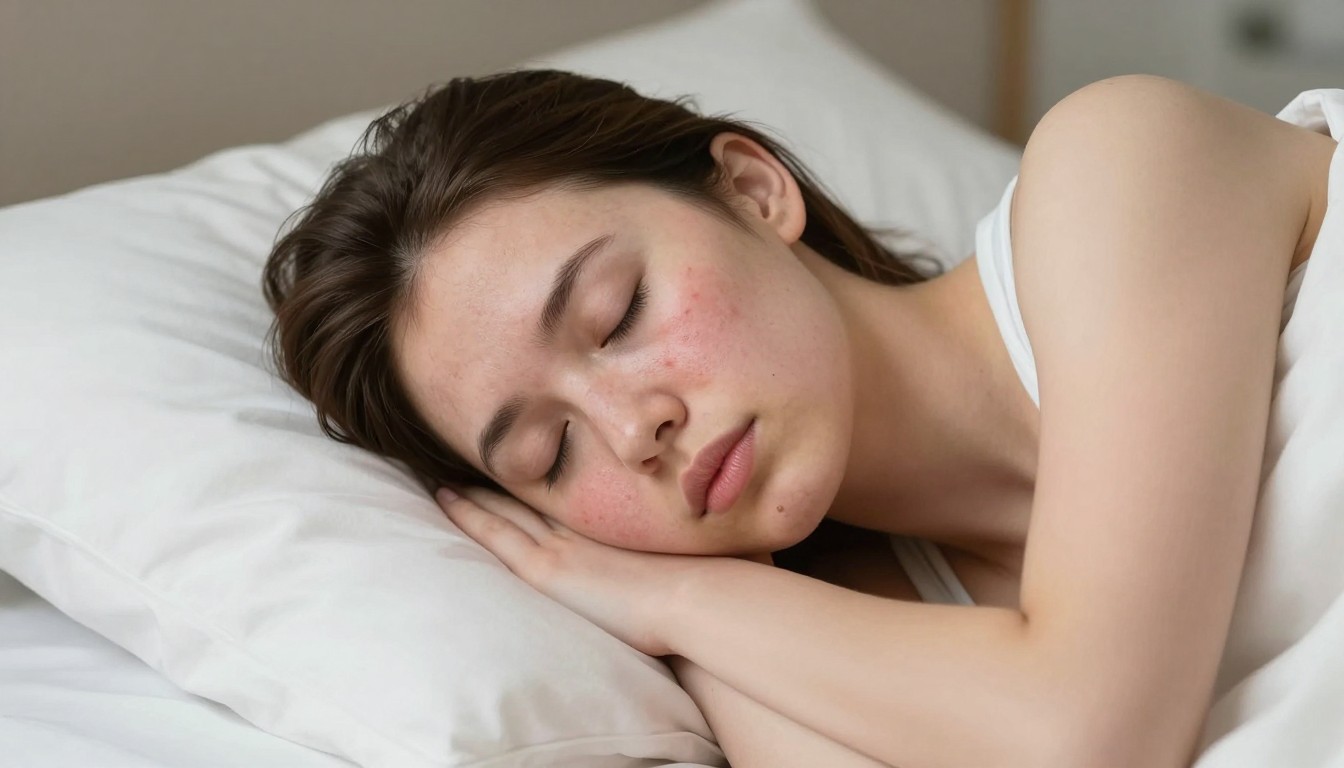
by Quick answer: Sleep Doctor says poor sleep can worsen acne, but that doesn’t mean it directly causes every breakout. I’d treat sleep as a possible aggravating factor, not a diagnosis.
- Sleep Doctor says lack of sleep can exacerbate acne.
- The same source says sleep deprivation can aggravate other skin problems.
- Wikipedia’s acne overview notes that perioral dermatitis and keratosis pilaris can look similar to acne.
Updated July 2026 · Reviewed for accuracy
My verdict is a qualified yes: lack of sleep may make acne worse, but the information here doesn’t establish sleep loss as a direct, stand-alone cause. That distinction matters because a breakout appearing after poor sleep is an association, not proof. Improve the sleep problem, but don’t treat a new bedtime as a substitute for proper skin care or professional advice.
Does lack of sleep cause acne directly?
Sleep Doctor uses careful wording: lack of sleep can exacerbate acne. “Exacerbate” means making an existing problem worse. It doesn’t mean that every short or disrupted sleep period creates acne in otherwise clear skin.
That leaves the sensible answer in the middle. Poor sleep may be part of the picture, especially if breakouts repeatedly coincide with disrupted sleep. The source doesn’t establish how large that effect might be for a particular person, how quickly it would appear, or whether sleep is the main factor in any individual case.
My read: “Can worsen” is supported by the cited source. “Will cause” is too strong. That difference should shape both your expectations and what you do next.
Suppose you notice a breakout after several restless nights. That sequence gives you a reason to investigate sleep, but it doesn’t isolate it. Your schedule, skin-care routine, travel, product use, bedding routine, and other circumstances may have changed during the same period.
The reverse is also true. If your skin doesn’t improve as soon as your sleep becomes more regular, that doesn’t prove sleep was irrelevant. It only shows that sleep alone didn’t explain the visible change. Skin patterns and sleep patterns need to be considered separately before drawing a firm conclusion.
I wouldn’t describe sleep as an acne cure or a guaranteed preventive measure. I would describe regular sleep as a reasonable habit to address while you work out what else may be happening. That’s a narrower claim, but it’s also the more useful one.
What “sleep can worsen acne” actually tells us
One word does most of the work here: can. Sleep Doctor presents poor sleep as a possible aggravating factor. It doesn’t say that sleep deprivation is the sole explanation for acne, that everyone responds in the same way, or that sleeping longer will clear existing spots.
| Question | What the cited information supports | What it doesn’t establish |
|---|---|---|
| Can poor sleep matter? | Sleep Doctor says it can exacerbate acne and other skin problems. | How much it matters for a particular person. |
| Is sleep always the direct cause? | The conditional wording allows for a possible connection. | That every breakout begins because of insufficient sleep. |
| Will better sleep clear acne? | Addressing poor sleep removes one possible aggravating factor. | A guaranteed improvement or cure. |
| Is every acne-like bump acne? | Wikipedia’s acne overview says some other skin disorders can appear similar. | A diagnosis based on appearance alone. |
This is a classic causation problem. Two things happening together don’t automatically prove that one produced the other. A late, unsettled week may also alter when you wash your face, which products you use, how often you touch your skin, or how consistently you follow an existing routine.
Those examples aren’t diagnoses or a list of confirmed causes. They’re competing changes. If several variables move at once, you can’t confidently assign the outcome to sleep alone.
Keep the claim proportionate:
- Poor sleep and a breakout appearing together suggest a possible pattern.
- A pattern is more informative when it repeats under similar circumstances.
- Even a repeating pattern can’t diagnose the cause of a skin condition.
I’d also resist filling the gaps with a confident hormone story copied from social media. The cited Sleep Doctor summary supports a broad link between sleep deprivation and aggravated skin problems. It doesn’t give enough detail to identify a personal biological mechanism from appearance or timing alone.
How to check whether poor sleep is part of your pattern
A useful record separates sleep changes from everything that happened around them. You don’t need a complicated scoring system. You need consistent, descriptive notes that make the order of events easier to see.
- Sleep timing: Note whether you went to bed and woke at roughly your usual times.
- Interruptions: Record whether your sleep felt continuous or frequently broken.
- Morning condition: Use plain descriptions such as rested, tired, or unusually drained.
- Visible skin changes: Note when a change first appeared and where you noticed it.
- Routine changes: Record new cleansers, cosmetics, hair products, laundry products, or changes in how you used them.
- Context: Note travel, schedule disruption, illness, or any other event that occurred at the same time.
Photographs can make that record more consistent if you use similar lighting, distance, and camera settings. The goal isn’t to inspect every pore. It’s to avoid relying on memory, which can make a recent bad night feel more significant than it was.
Look for repeated order, not a single coincidence. Did sleep disruption regularly come before the visible change, or did the skin problem begin first and merely overlap with poor sleep? Were there stretches of regular sleep with the same skin pattern? Did several other parts of your routine change at once?
Don’t run a sleep-deprivation experiment. Intentionally cutting sleep won’t give you a reliable diagnosis and isn’t a sensible way to investigate your skin. Observe normal life, then work toward a steadier routine.
Keep your interpretation modest. A recurring association can be worth discussing with a clinician, but a home log can’t tell you whether a spot is acne or identify its medical cause. It’s a conversation aid, not a test result.
If you’re already following a treatment plan, don’t pause it simply to make your tracking cleaner. Record any clinician-directed change instead. Medical decisions should take priority over a personal attempt to isolate variables.
Improve sleep without treating it as an acne cure
A stable routine makes your observations less noisy. If your bedtime, waking time, room conditions, and evening habits change constantly, it becomes harder to tell whether sleep has any consistent relationship with your skin.
- Keep the schedule predictable: Aim for a repeatable sleeping and waking pattern that fits your obligations.
- Create a clear wind-down: Use a calm sequence that tells you the active part of the evening is ending.
- Reduce obvious interruptions: Address avoidable light, noise, temperature discomfort, or notifications that you already know wake you.
- Identify the real obstacle: If your schedule or habits are the problem, start with this guide to common causes of modern sleep deprivation.
- Assess the bed on its own merits: If discomfort repeatedly interrupts sleep, consider whether your mattress is affecting sleep quality.
A mattress isn’t an acne treatment. Bedding is relevant here only if discomfort or another obvious sleep disruption keeps you from resting consistently. Buying a different sleep product without identifying such a problem turns a cautious skin question into an unsupported shopping decision.
Keep the rest of your routine as steady as practical while you observe. If you replace several products, change your sleep schedule, alter your laundry routine, and begin a new skin treatment together, any later improvement will be difficult to interpret. If a qualified clinician recommends an immediate change, follow that advice and simply note it in your record.
A realistic definition of success
First, make sleep more predictable. Then observe the skin response without promising yourself a particular result. If the skin changes, describe it as an association. If it doesn’t, don’t keep forcing the sleep explanation.
This approach avoids two common errors. It doesn’t dismiss the possible link identified by Sleep Doctor, and it doesn’t inflate that link into a guaranteed cure. You address a genuine sleep concern while keeping the skin question open.
My bottom line on sleep loss and acne
The strongest supported statement is narrow: Sleep Doctor says a lack of sleep can exacerbate acne and other skin problems. That’s enough reason to take persistent sleep disruption seriously, but it isn’t enough to blame sleep for every blemish or diagnose acne from timing alone.
I’d improve an inconsistent sleep routine because the sleep problem itself deserves attention. I’d then watch for a repeatable skin pattern while keeping other changes visible in a simple record. I wouldn’t promise that extra sleep will clear acne, and I wouldn’t purchase a mattress or sleep accessory as a skin treatment.
Final verdict: Lack of sleep may aggravate acne, but “may aggravate” isn’t the same as “directly causes.” Fix the disrupted sleep, track the pattern, and get a qualified assessment if you need a diagnosis or treatment decision.
That last step matters if you aren’t certain the skin change is acne. Wikipedia’s acne overview notes that perioral dermatitis and keratosis pilaris can appear similar to it. An online description can’t inspect your skin or reliably distinguish among those possibilities.
FAQ
Can a single night of poor sleep cause a breakout?
The Sleep Doctor summary doesn’t establish a specific timing threshold or say that a single poor night directly creates acne. If a breakout follows one restless night, treat the timing as an observation rather than proof of cause.
Will sleeping longer get rid of acne?
There’s no supported guarantee that longer sleep will clear existing acne. Better sleep may remove one possible aggravating factor, but it shouldn’t be presented as an acne cure or a replacement for appropriate skin care.
How much sleep prevents acne?
The cited Sleep Doctor information doesn’t provide an acne-prevention quota, so I wouldn’t invent one. A regular routine can help you address sleep disruption and observe your own pattern, but it can’t guarantee clear skin.
How can I tell whether sleep is affecting my skin?
Record sleep consistency, visible skin changes, and other routine changes, then look for a pattern that repeats. Even a consistent pattern shows association rather than a medical diagnosis, so use the notes as context if you consult a qualified professional.
Could bumps that look like acne be something else?
Yes. Wikipedia’s acne overview notes that perioral dermatitis and keratosis pilaris can look similar to acne. If you need to know what the condition is or how it should be treated, appearance-based online advice isn’t a substitute for a qualified assessment.