
 by
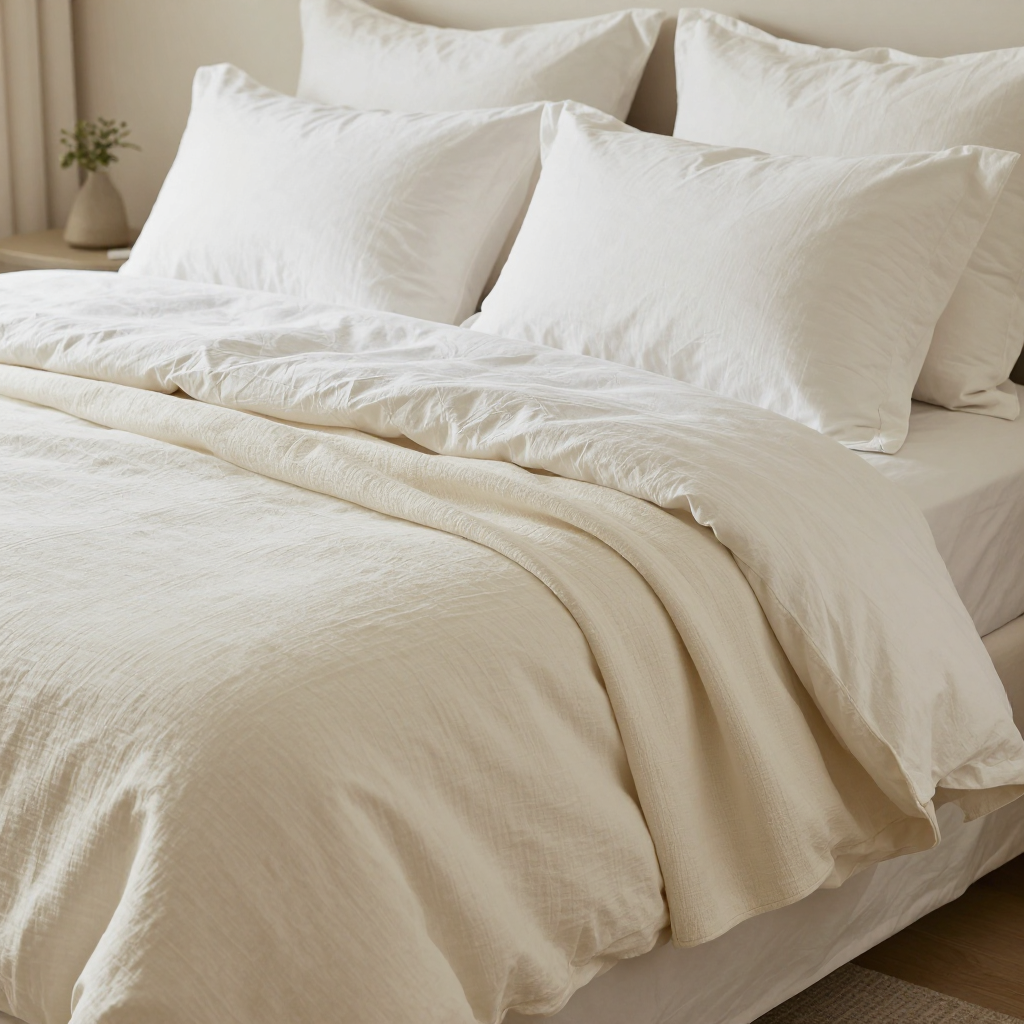
by Down alternative comforters use synthetic fill (typically polyester microfiber) to mimic the loft and warmth of goose or duck down, without the allergens, ethical concerns, or high price. Modern down alternative fills have closed the quality gap significantly, and the best options now rival mid-range down comforters at a fraction of the cost.
Sleep Lab Pick · Current Sale
Amerisleep's Current Sale is on — cooling sheets, protectors and toppers, built on the same Bio-Pur® tech.
Best Down Alternative Comforters: Quick Picks
| Comforter | Best For | Price Range | Fill Weight |
|---|---|---|---|
| Buffy Cloud Comforter | Eco-conscious buyers | ~$130-$199 | Medium weight |
| Beckham Hotel Luxury | Budget buyers | ~$40-$55 | All season |
| Parachute Down Alternative | Hot sleepers | ~$139-$259 | Lightweight |
| Ella Jayne Comforter | Cold sleepers | ~$79-$119 | Extra warm |
| PlushBeds Down Alternative | Chemical-sensitive buyers | ~$99-$179 | All season |
Down Alternative vs. Down: Key Differences
| Factor | Down Alternative | Real Down |
|---|---|---|
| Allergens | Hypoallergenic | Can trigger allergies |
| Warmth-to-weight | Heavier for same warmth | Lighter for same warmth |
| Price | $30-$250 | $100-$800+ |
| Machine washable | Usually yes | Difficult, risk of clumping |
| Durability | 3-7 years | 10-20 years with care |
| Ethical concerns | None (synthetic) | Live plucking concerns (verify RDS) |
How to Choose the Right Fill Weight
- Lightweight (200-300g/m²): Hot sleepers, warm climates, summer use
- All-Season (300-400g/m²): Year-round use in temperature-controlled rooms
- Warm (400-500g/m²): Cold sleepers, cooler climates, winter primary use
- Extra Warm (500g/m²+): Cold sleepers in cold climates, or those who layer minimally
What Makes a Quality Down Alternative
Look for: (1) Microfiber fill vs. standard polyester, microfiber mimics down clusters better and clumps less. (2) Baffle-box construction vs. sewn-through channels, baffle boxes allow fill to loft fully without cold seams. (3) Shell thread count 200+TC for feel, 300+TC for durability. (4) Corner loops for duvet cover attachment. (5) OEKO-TEX® or CertiPUR certification for chemical safety.
For the best organic option, PlushBeds offers down alternative comforters with GOTS-certified covers and OEKO-TEX® fill, ideal for chemical-sensitive sleepers. As a PlushBeds affiliate (20% commission), we recommend checking their bedding line alongside their mattresses.
Care and Maintenance
Frequently asked questions
Our top comforter pick
Saatva Down Alternative Comforter, from $225
Hypoallergenic fill, hotel-grade loft, 45-night trial, free white-glove delivery. OEKO-TEX certified.
What's inside down-alternative comforters?
Microfiber or polyester fill engineered to mimic down's loft without the feathers. Hypoallergenic (down can trigger dust-mite reactions) and cheaper to wash. The Saatva Down Alternative Comforter is a mid-premium option at $225 queen.
Down-alternative vs real down, which lasts longer?
Real down lasts 10-15 years with care; down-alternative lasts 5-8. Down holds loft longer because feather clusters don't flatten like synthetic fill.
Are down-alternative comforters good for allergies?
Yes, they sidestep the dust-mite problem that real down can worsen. If allergies are severe, look for OEKO-TEX certified fill to rule out chemical triggers too.
Most down alternative comforters are machine washable, a major advantage over real down. Wash in a large-capacity front-load washer (household top-loaders can damage the fill) on cold/gentle, and dry on low heat with two-three dryer balls to redistribute fill and prevent clumping. Fluff periodically between washes. Replace when the fill loses loft and no longer keeps you warm, typically every 3-7 years depending on quality.
FAQ
Is down alternative as warm as real down?
Down alternative can be made as warm as real down by increasing fill weight, but it will be heavier. Real down's warmth-to-weight ratio (fill power) remains superior, a 700 fill power down comforter weighs less than an equivalent-warmth down alternative. For most sleepers, this weight difference is negligible, but it matters for those who prefer an ultra-light feel.
How often should I wash a down alternative comforter?
Wash every 2-3 months when used with a duvet cover, or every 2-4 weeks without a cover. Use a large-capacity front-load washer on gentle/cold cycle. Tumble dry on low with dryer balls until completely dry, damp fill can develop mildew and clump permanently.
What is baffle-box construction?
Baffle-box construction uses internal fabric walls (baffles) to create three-dimensional boxes that allow fill to loft fully in all directions. Unlike sewn-through construction where top and bottom panels are stitched directly together (creating cold seams), baffle boxes maintain even warmth distribution and prevent fill from shifting to edges.
Related buying tips
Before making a purchase in this category, consider these essentials we recommend checking:
- Trial period — 100 nights minimum, 365 nights ideal for a major mattress or bedding purchase.
- Warranty — 10 years or longer for mattresses; 1-3 years for most bedding accessories.
- Return policy — ensure free returns are included, not store credit only.
- Certifications — CertiPUR-US for foam (no harmful chemicals), GOLS/GOTS for organic latex and cotton, OEKO-TEX Standard 100 for fabrics.
- Shipping — check if white-glove setup and old-mattress removal are included or cost extra.
For our complete shopping framework, see our 2026 best mattress buying guide.