
 by
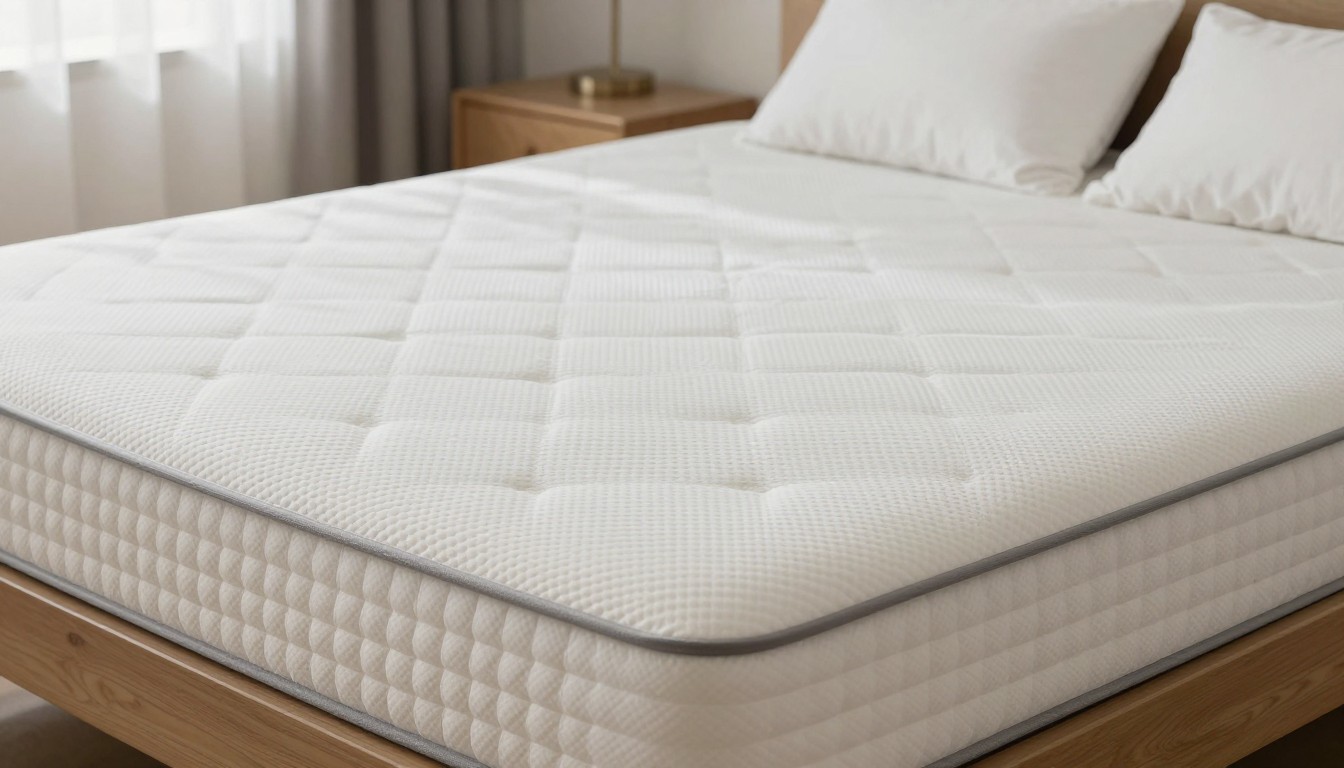
by Quick answer: An electric cooling mattress pad makes the most sense for persistent nighttime heat when passive bedding is not enough. Water circulation offers the most direct approach to moving heat away from the sleep surface, while air-based systems suit milder warmth and simpler setups. Check controller placement, zone controls, noise, care requirements, and mattress compatibility before focusing on apps or extra features.
- Active pads use powered water circulation, airflow, or electronic cooling components, according to manufacturer product descriptions.
- A shared zone suits similar temperature preferences, while separate zones give each side independent control.
- The controller, tubing, cables, ventilation, and maintenance routine matter as much as the pad itself.
Updated July 2026 for current category guidance.
My verdict: An electric cooling mattress pad can be worthwhile when heat repeatedly disrupts your comfort and you are willing to accommodate powered equipment beside the bed. I would choose the cooling mechanism before comparing controls. Water-based construction is my starting point for persistent overheating, while a lighter air-based design may be enough for occasional warmth.
This category is easy to misunderstand because “cooling pad” can describe everything from breathable fabric to a powered temperature system. Only the active versions use electricity to influence the sleep surface. That difference affects cooling ability, installation, noise, upkeep, and cost of ownership.
What makes a cooling mattress pad electric?
A controller and an active heat-transfer method are the defining construction details. Manufacturer descriptions generally divide these products into water-circulating pads, air-based pads, and designs that use electronic cooling components. The pad rests beneath the fitted sheet, while an external unit powers the process.
A passive cooling pad works differently. Breathable fibers, moisture-managing covers, and less-dense quilting may reduce stuffiness, but they do not actively regulate the surface. They depend on airflow and the bedding around them. That can be useful, but it is not the same job as moving conditioned water or air beneath the sleeper.
Product names do not always make the distinction obvious. Before treating any pad as an active system, look for a controller, a power requirement, and a clear explanation of how heat is moved. If a listing talks only about cool-touch fabric or breathable fill, I would treat it as passive bedding.
The Nut’s construction check: Ignore the word “cooling” until you know what carries the heat. Fabric can manage contact feel and moisture. A powered water or airflow path is what makes the system active.
Water circulation and airflow solve different problems
Water-based pads route temperature-adjusted water through narrow channels in the sleep layer, according to manufacturer product descriptions. The external unit manages circulation and sends the water back through the pad. Because the moving liquid passes directly beneath the sleeper, this design creates a more deliberate path for carrying heat away from the surface.
That construction is why I would investigate water circulation first for regular, stubborn heat. It is not proof that every water system performs equally well. Channel layout, pad contact, controller behavior, surrounding bedding, and room conditions can all affect the result. Manufacturer language should be treated as a description of the mechanism, not a promise about how cool a particular sleeper will feel.
The tradeoff is more equipment. Water systems need a suitable location for the controller, an unpinched tubing route, access for water care, and enough clearance to follow the manufacturer’s ventilation instructions. A tight bed frame or crowded bedside area can turn a sound mechanism into an awkward daily setup.
| Cooling method | How it works | Likely fit | Main tradeoff |
|---|---|---|---|
| Water circulation | Moves temperature-adjusted water through channels in the pad | Persistent heat and sleepers wanting sustained surface regulation | Controller space, tubing, and water care |
| Powered airflow | Directs air through or across the sleep layer | Milder warmth and people wanting less water-related upkeep | Results depend heavily on airflow and room conditions |
| Electronic cooling | Uses powered cooling components described by the manufacturer | Shoppers prioritizing a compact active design | Performance and ventilation requirements vary by construction |
| Passive pad | Uses breathable or moisture-managing materials without powered regulation | Occasional stuffiness and simpler bedding changes | Does not provide active temperature control |
Air-based systems use fans or conditioned airflow, according to product listings. They may be easier to move and avoid water upkeep, but the cooling path is more exposed to blocked vents, restrictive bedding, and warm room air. For a closer look at liquid-based construction, see our water cooling mattress pad guide.
Separate zones matter more than decorative features
A shared-zone pad applies the same setting across its active sleep area, per manufacturer configuration descriptions. That is the cleaner arrangement for a solo sleeper or partners who prefer a similar bed temperature. It also reduces the controls and connections that have to be managed.
Separate zones divide the bed by side and provide independent adjustment, according to manufacturer feature pages. This is the useful configuration for partners with opposing temperature preferences. Each sleeper can manage personal surface comfort without forcing the other side toward the same setting.
Check what “dual-zone” means on the actual system. The manufacturer should clearly explain which parts are independently controlled and what equipment each side requires. A vague mention of zones is not enough to tell you how the pad will operate in your bedroom.
- Choose a shared zone when the whole active area should follow the same setting.
- Choose separate zones when each side needs genuinely independent control.
- Check the hardware because separate settings may mean additional cables, tubing, or bedside equipment.
- Keep the mattress in perspective because temperature zoning does not change its motion isolation or edge construction.
A zoned pad remains a temperature layer, not a replacement for the mattress beneath it. It may address a couple’s heat mismatch, but it will not correct sagging, poor pressure distribution, noticeable motion transfer, or an unstable edge. Our dual-zone cooling mattress setup covers the layout questions couples should settle before choosing a system.
The controller determines the noise and space demands
The textile pad has no reason to make much sound on its own. The external controller is the more likely noise source because water systems use circulation hardware and air systems use powered airflow components, according to manufacturer descriptions. The character of that sound matters as much as marketing terms such as quiet or gentle.
Controller placement can change how noticeable it seems. Loose objects may vibrate against the housing, blocked ventilation can interfere with operation, and a hard wall can reflect mechanical sound toward the bed. Follow the official clearance and placement directions rather than hiding the unit wherever it happens to fit.
Light sleepers should read verified owner feedback for recurring comments about pump hum, fan sound, cycling behavior, and controls. One enthusiastic review proves very little. Repeated descriptions from owners with similar sound sensitivity are more useful, especially when they identify where the unit was placed.
Practical check: Decide where the controller, reservoir access, power cable, and tubing will live before ordering. A system that has no sensible home beside the bed is unlikely to feel convenient after the novelty fades.
Bed frames, sheets, and toppers can change performance
A clear route from the controller to the pad is essential. Cords and tubes should not be crushed by the frame, trapped beneath moving parts, or stretched across a walkway. Adjustable bases deserve special attention because the deck bends and changes position. Use the manufacturer’s compatibility guidance rather than assuming flexible tubing makes every base suitable.
The fitted sheet also has to accommodate the active layer. Some cooling pads add more bulk than a thin protector, so pocket depth and elastic tension can affect fit. An over-tight sheet may compress the surface or shift the pad, while a loose sheet can bunch. Check the official placement instructions for the correct order of layers.
A thick foam topper placed above an active pad can insulate the sleeper from the cooling channels. Heavy quilting may have a similar effect. Do not add a topper over the system unless the manufacturer permits that arrangement. If cushioning is the main goal, solve that separately instead of expecting active cooling to travel efficiently through an unapproved comfort layer.
- Confirm that the pad fits the mattress type and surface.
- Check fitted-sheet capacity after accounting for every approved layer.
- Verify compatibility with an adjustable base before routing tubes or cables.
- Keep controller vents and required access points clear.
- Avoid folding, pinching, or sharply bending active pathways.
A pad may regulate surface temperature, while a topper primarily changes cushioning and pressure response. Readers deciding between those jobs can use our heating and cooling mattress topper guide to separate thermal features from added comfort material.
Simple controls often make the better nightly routine
Manual controls, app scheduling, presets, and programmed temperature changes appear across manufacturer feature lists. Scheduling can be useful if you want the surface prepared before bedtime or prefer a different setting later in the night. Still, a long feature list does not reveal how clear those controls are in the dark.
I would put accessible adjustment ahead of novelty. Look for an interface you can understand without repeatedly consulting the manual. If the system relies on an app, check what functions remain available through the physical controller and what the official instructions say about connectivity or power interruptions.
Controls should also match the people using the bed. Separate-zone users need an obvious way to identify each side. Anyone who dislikes bringing a phone into the bedtime routine may prefer direct controls even if an app offers more scheduling options.
- Prioritize: clear adjustment, visible status, dependable manual operation, and understandable setup instructions.
- Treat as secondary: smart-home integration, elaborate schedules, and features you are unlikely to use nightly.
- Verify: how settings resume after the unit is turned off or loses power, using the manufacturer’s manual.
Durability depends on more than the fabric cover
An active pad is both bedding and a small appliance. Its textile layer matters for feel, but long-term usability also depends on the controller, connections, seals, fluid or airflow path, cables, and control interface. A comfortable cover cannot compensate for unclear maintenance or inaccessible replacement support.
Water systems require the closest reading of the care manual. Manufacturer instructions should explain filling, routine water management, cleaning, draining, storage, and troubleshooting. Follow the specified process and approved materials. Improvised additives or care methods may conflict with the product instructions.
Air-based systems avoid reservoir care, but they still depend on open vents and clean airflow paths. Check the official directions for dust management, placement, and storage. A fan or vent surrounded by bedding cannot operate under the conditions its manufacturer intended.
Durability clue: Clear care documentation is part of the product. If the manufacturer does not plainly explain routine upkeep, draining, storage, or troubleshooting, you are being asked to accept too much uncertainty.
Read the actual support and warranty terms before buying. Look for separate language covering the pad, controller, connectors, tubing, and accidental damage or leaks. Retailer summaries can omit exclusions, so the manufacturer’s current terms should be the reference point.
Storage deserves attention if the system will be used seasonally. An active water path may need to be drained according to official instructions, and cables or tubing should not be sharply folded. Keep the manual accessible. Guessing at the process months later is an avoidable way to mishandle the system.
Electrical setup and realistic expectations matter
A nearby outlet, a dry and stable controller location, and protected cable routing are basic requirements. Use the system only in the arrangements permitted by its manufacturer. Check the manual before using an extension cord, placing equipment beneath the bed, or positioning the controller near another heat source.
Inspect the pad, connections, tubing, and power components during setup and routine care. If something appears damaged, leaks, or behaves abnormally, stop using it and follow the manufacturer’s support instructions. A powered temperature pad should be treated with the same care as other electrical equipment used near bedding.
The system regulates the immediate sleep surface, not the entire bedroom. Room temperature, humidity, pajamas, sheets, blankets, mattress materials, and body contact still affect perceived warmth. Active cooling may reduce one source of discomfort without making every layer feel neutral.
- Expect surface-focused temperature management rather than whole-room cooling.
- Use breathable bedding that does not unnecessarily insulate you from the active layer.
- Keep vents, tubes, and cables arranged as the manufacturer directs.
- Treat unusually bold performance language as marketing until the mechanism and limitations are clear.
Who is a good fit for active mattress cooling?
Persistent hot sleepers are the clearest audience. If breathable sheets and a comfortable bedroom still leave the bed surface feeling too warm, an active pad addresses the problem more directly than another fabric treatment. The decision makes the most sense when the heat issue is frequent enough to justify equipment and care.
- Sleepers who repeatedly feel heat building beneath the body
- Partners who need independent temperature settings
- People willing to maintain a controller and follow care instructions
- Bedrooms with a practical location for the equipment and clear routing
Occasional warmth may not justify an active system. Lighter blankets, more breathable sheets, better room airflow, or a less-insulating passive layer are simpler places to start. Those changes will not imitate powered regulation, but they may address a mild problem without adding an appliance to the bed.
- Skip the category if mechanical sound is likely to bother you more than warmth.
- Be cautious if the controller has no safe, ventilated place beside the bed.
- Choose a simpler bedding change if you do not want water, vent, cable, or app upkeep.
- Address a worn-out or unsupportive mattress separately because a cooling layer does not repair its structure.
How I would choose the right system
The decision becomes clearer once mechanism and room fit come before marketing. I would work through the following checks using the current manufacturer listing, setup manual, care guide, and support terms for the specific system under consideration.
- Define the heat problem. Separate occasional stuffiness from persistent heat building at the mattress surface.
- Confirm the mechanism. Identify water circulation, powered airflow, electronic cooling, or passive fabric before comparing features.
- Choose the zone arrangement. Decide whether the bed needs a shared setting or independent control by side.
- Map the equipment. Find a manufacturer-approved location for the controller, cables, tubes, ventilation, and maintenance access.
- Check every bed layer. Verify mattress, sheet, protector, topper, and adjustable-base compatibility.
- Read the care process. Make sure filling, cleaning, draining, storage, and troubleshooting feel manageable.
- Inspect the current terms. Read the manufacturer’s return and warranty language without assuming all components receive identical coverage.
- Review owner patterns. Look for recurring comments about setup, noise, controls, maintenance, leaks, and support rather than relying on isolated praise or complaints.
Do not use a scorecard full of features you will never touch. A straightforward system that fits the room and your routine can be a better match than one with more settings but awkward hardware. Construction, compatibility, and maintenance are the durable parts of this decision.
If you are still deciding between active temperature regulation and extra cushioning, our cooling mattress topper guide explains why those layers solve different problems.
FAQ
Do electric cooling mattress pads really cool the bed?
An electric cooling mattress pad can actively influence the sleep surface by circulating water, moving air, or using powered cooling components, according to manufacturer product descriptions. The perceived result depends on the mechanism, surrounding bedding, room conditions, controller setup, and how closely the pad sits beneath the sleeper.
Is a water-cooled pad better than an air-based pad?
Water circulation is the option I would examine first for persistent heat because it creates a direct moving path beneath the body. Air-based designs can be a sensible fit for milder warmth or shoppers who want to avoid water upkeep. Neither label proves overall quality, so compare construction, placement requirements, care instructions, and owner feedback for the specific system.
Will a powered cooling pad make noise?
The external unit is the likely source of sound. Water systems use circulation hardware, while air systems use powered airflow components, according to manufacturer descriptions. Placement and sound sensitivity affect how noticeable the unit feels, so review the official setup directions and recurring owner comments before deciding.
Can partners use different settings on the same bed?
They can if the pad has genuinely separate zones. Manufacturer feature pages should explain how each side is controlled and what hardware is required. A shared-zone pad applies the same setting across its active area and is better suited to sleepers with similar preferences.
Do active cooling pads require special sheets?
Not necessarily, but the fitted sheet must accommodate the pad without excessive compression or bunching. Follow the manufacturer’s guidance for pocket depth, layer order, protectors, toppers, and adjustable bases. A thick layer placed above the cooling channels may reduce how directly the effect reaches the sleeper.
ONE OPTION WORTH COMPARING
Shopping as well as reading? Here is one current option worth comparing: the Saatva Signature Pad. Check today’s price, sizing and return terms on the official product page before you order.
Saatva Signature Pad
- See the product page for full specs and current pricing
My verdict on electric cooling mattress pads
Active cooling is most convincing when the heat problem is regular, the mechanism matches its severity, and the bedroom can accommodate the hardware. I would start with water circulation for persistent surface heat, consider airflow for lighter needs, and choose separate zones only when each side truly needs independent control. Check fit, noise, upkeep, and official support terms before giving apps any weight. The right setup should make sense as a nightly appliance, not merely sound impressive on a product page.