
 by
by Quick answer: The best filling depends on your preferred response and adjustability. The Saatva Pillow is one sensible option to investigate, but its verified measurements don’t establish its fill or make it a universal winner.
- Measurement evidence: Saatva-mattress.com lists 4, 5, 6, and 7 inches in its product specifications for the Saatva Pillow.
- Warranty evidence: Amerisleep.com lists a 5-year warranty for the LatexLuxe Pillow.
- Size and price evidence: Rest.com lists the Evercool® Cooling Pillow at 26 by 15.8 by 3 inches and $199.
Updated July 2026 · Reviewed for accuracy
VERIFIED COMPARISON
For best filling for pillows, compare the Saatva Pillow with the other verified options below using documented dimensions, ownership terms and fit factors.
3 VERIFIED OPTIONS COMPARED
Saatva Pillow
- Option What the named source establishes What still needs confirmation Saatva Pillow Saatva-mattress.com lists product specifications of 4, 5, 6, and 7 inches.
- One of 3 products compared with bound source facts
- Order direct from the brand — current price, trial and warranty terms are on the official product page
3 verified options compared
My verdict is simple: don’t choose a pillow from the filling label alone. The material’s format, compressed height, adjustability, cover, and care requirements matter just as much as the name printed on the package. The published product details here are uneven, so I’d use them to narrow the questions, not declare an unsupported winner.
The best filling starts with the feel you need
Loose filling can move inside a shell, while a molded core stays in its original shape. That construction difference affects how much you can reshape a pillow, even when two products use broadly similar material language.
I start with working height: how tall the pillow feels after your head settles into it. An uncompressed measurement is useful, but it doesn’t guarantee the height you’ll experience because softer and looser constructions can give way differently. That’s why a measurement needs a clear label and a description of the material beneath it.
Next comes response. Some sleepers want a pillow they can bunch, fold, or redistribute. Others would rather have a fixed profile that doesn’t require nightly shaping. Neither approach is automatically better; the right choice depends on whether you value malleability or consistency.
The Nut’s first filter
- Decide whether you want loose, shredded, chambered, or molded construction.
- Judge height in your usual sleeping position, not by the package figure alone.
- Confirm whether filling can be removed, added, or redistributed.
- Read the care label for both the outer cover and the filled interior.
Your sleep position provides context, but it isn’t a complete prescription. Shoulder position, head weight, mattress firmness, and personal preference all change how a pillow feels. If placement is the sticking point, my guide to the best way to sleep with a pillow offers a separate framework for arranging and assessing it.
How common fill formats change the decision
Fill material and fill format are separate decisions. “Foam,” for example, doesn’t tell you whether the interior is a single molded piece, loose pieces, or part of a layered construction. I read the layer description before making any judgment about feel or upkeep.
The same caution applies to natural-material language. A product name can hint at a material without confirming its composition, blend, origin, or internal layout. I want the current specification page to state those details directly.
| Fill format | What it lets you evaluate | Who should consider it | What to verify |
|---|---|---|---|
| Loose fiber, down, or feather | Whether the material can be pushed and reshaped inside the shell | Sleepers who like to alter the pillow’s shape during the night | Exact composition, chamber layout, containment, and washing instructions |
| Shredded foam or shredded latex | Whether pieces can move or be removed when the shell is designed to open | Buyers who want some shaping freedom without choosing a traditional loose fill | Whether the shell opens, whether extra fill is included, and what the pieces contain |
| Molded foam | The core’s fixed profile, contour, and response description | Sleepers who don’t want to redistribute filling before bed | Material identity, profile shape, cover care, and whether the core can be washed |
| Solid latex | The shape and construction of a single-piece core, if latex is explicitly confirmed | Buyers looking for a fixed core rather than movable filling | Actual formulation, core design, cover materials, and care restrictions |
| Hybrid or chambered fill | How an outer layer and inner component work as separate parts | Sleepers who want a distinct surface feel around a more defined center | Full layer order, component materials, removable inserts, and care instructions |
Softness isn’t a filling category by itself. It results from the combination of material, quantity, shell tension, internal structure, and compression. If softness is your main priority, use this soft-pillow guide to define the feel you want before comparing construction labels.
Construction tip: If a listing gives only a material name, I consider the description incomplete. Look for the material’s form, the layer order, whether the interior is adjustable, and which components are washable.
Three pillows, with the evidence kept in perspective
The verified details are uneven: one source publishes several inch entries, another provides a warranty term, and another states dimensions and price. Those facts support different shopping decisions, but they don’t establish the filling or performance of every option.
| Option | What the named source establishes | What still needs confirmation |
|---|---|---|
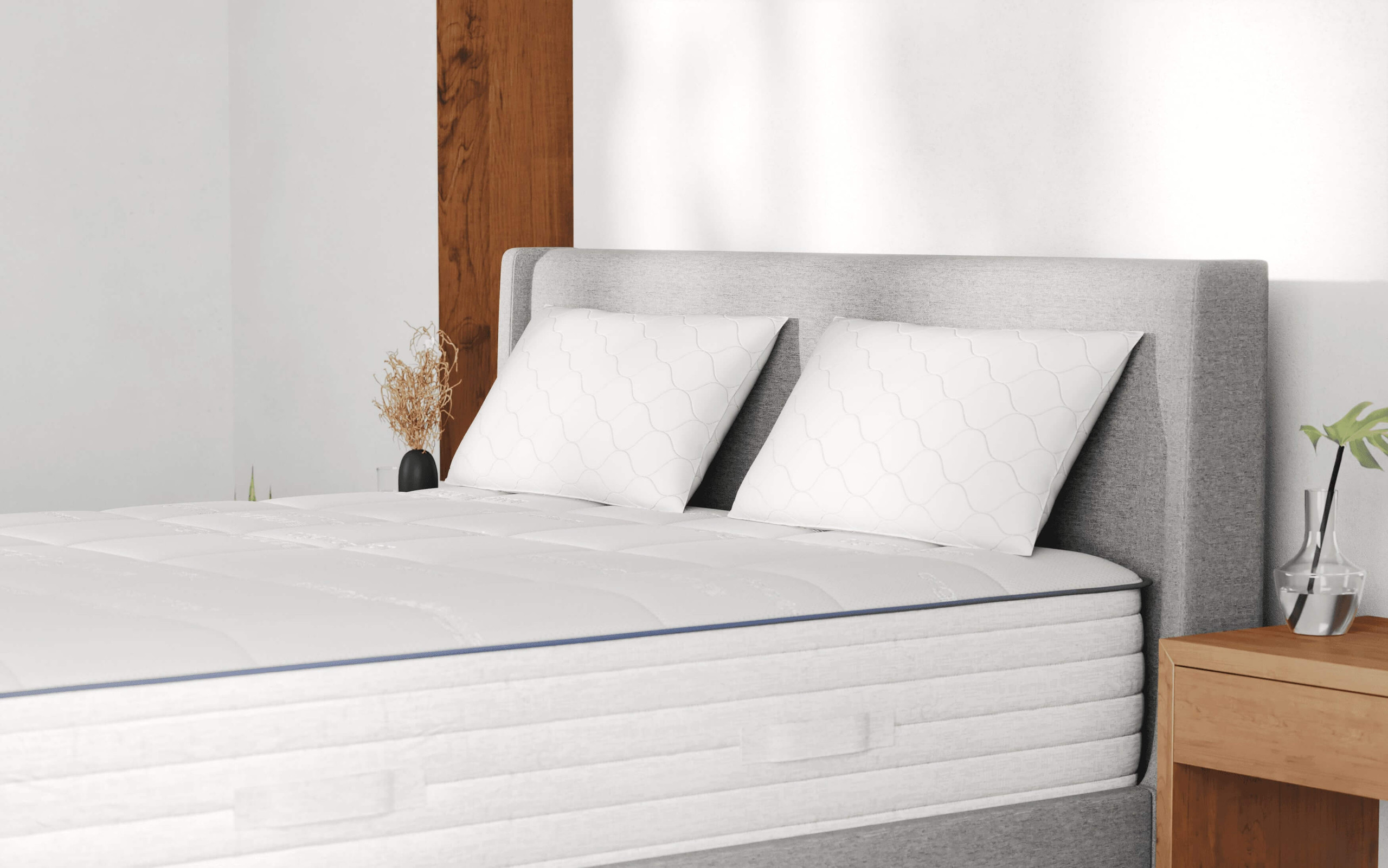
| Saatva Pillow | Saatva-mattress.com lists product specifications of 4, 5, 6, and 7 inches. | What each measurement describes, the current fill composition, internal format, feel, care terms, and applicable purchase policies |
| LatexLuxe Pillow | Amerisleep.com lists a 5-year warranty. | Current fill formulation, construction format, dimensions, feel, care instructions, and the warranty’s complete coverage terms |
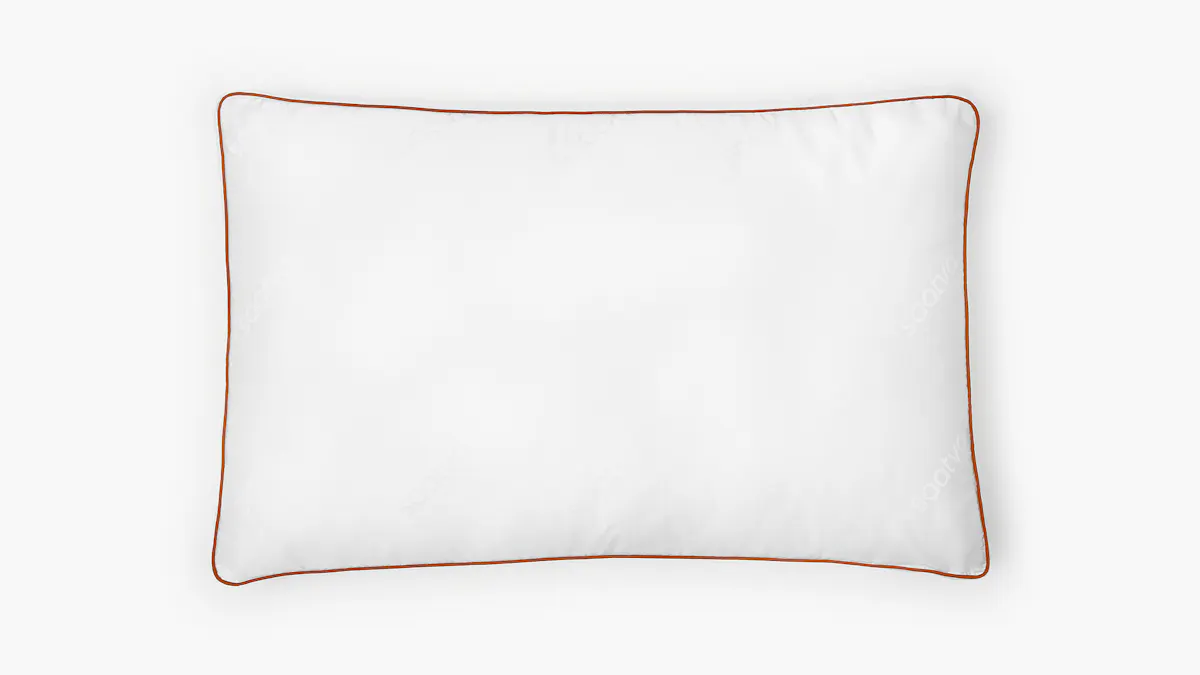
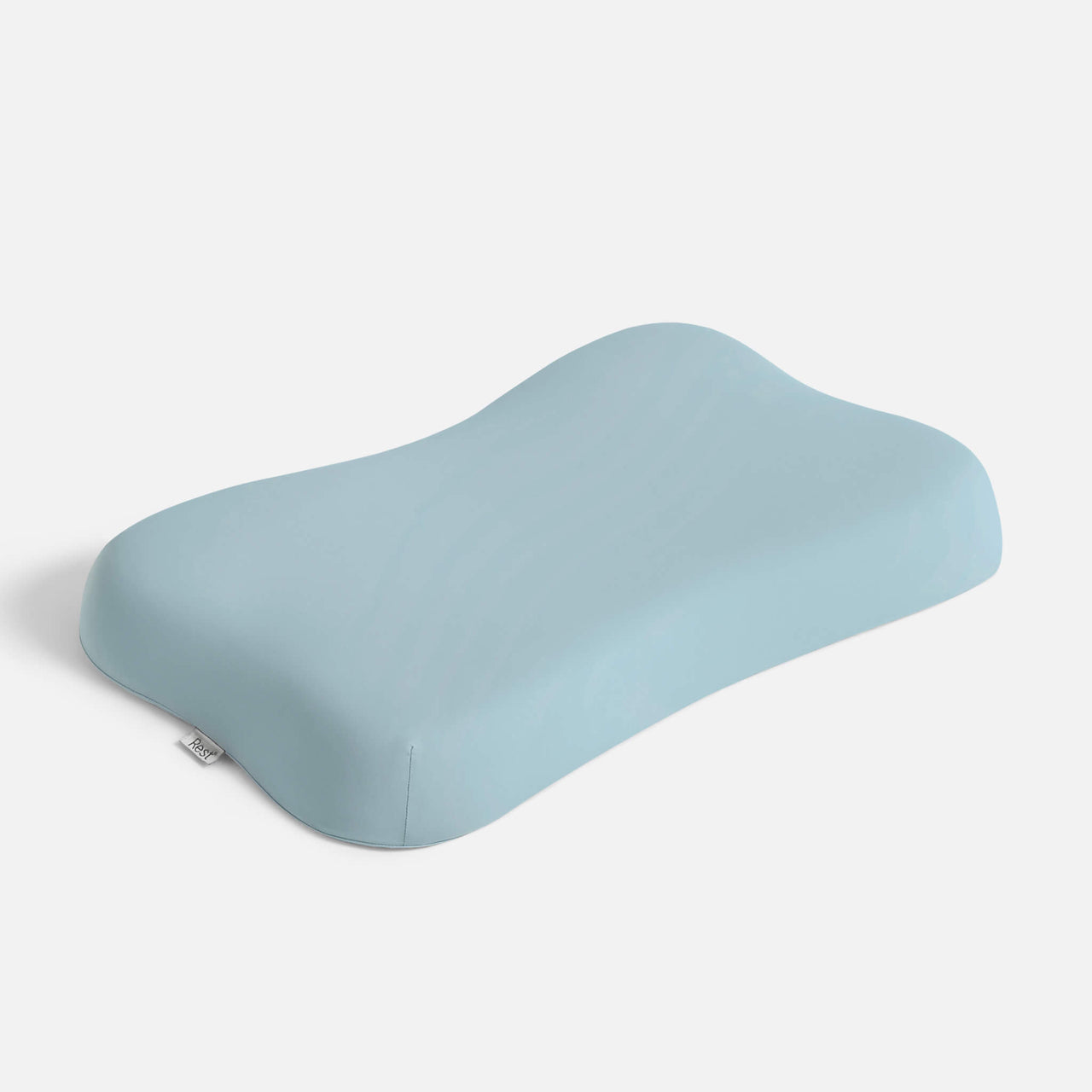
| Evercool® Cooling Pillow | Rest.com lists dimensions of 26 by 15.8 by 3 inches and a price of $199. | Current fill material, internal layout, feel, care requirements, purchase policies, and any evidence behind the cooling language |
Saatva Pillow: for measurement-conscious shoppers
I see the Saatva Pillow as an option for someone willing to investigate what each published measurement means before choosing. Saatva-mattress.com provides several inch figures, but those entries don’t identify fill composition or establish firmness, temperature performance, or superiority. Ask whether each figure refers to a profile, size, component, or configuration, then compare the clearly labelled construction with the feel you need.
LatexLuxe Pillow: for warranty-first buyers
The LatexLuxe Pillow has the clearest verified warranty detail in this comparison, with Amerisleep.com listing a 5-year term. That makes it relevant to a buyer who reads coverage before judging value, but duration alone doesn’t explain exclusions, remedies, shipping responsibilities, or expected durability. I also won’t infer a latex formulation from the product name; the current material and internal format still need direct confirmation.
Evercool® Cooling Pillow: for size- and budget-first buyers
The Evercool® Cooling Pillow gives dimension- and price-conscious shoppers more concrete information to work with because Rest.com publishes both categories of detail. Those facts help assess bed fit and budget, but the name itself doesn’t prove cooling performance or identify the filling. I’d separate the documented size and cost from any temperature claim until the construction and supporting product information are clear.
Names aren’t specifications: Words such as “latex,” “foam,” or “cooling” should prompt questions, not settle them. Confirm the full material statement and layer breakdown before assigning a pillow to a fill category.
Match the filling to how you actually use the pillow
A pillow’s useful height is the height it maintains beneath your head, not merely its uncompressed profile. Your sleeping posture and the amount of material that gives way determine whether that height feels comfortable.
For side sleeping
Side sleepers should focus on how the filling occupies the space between the head and mattress once compressed. A loose or adjustable construction may let you redistribute material, while a fixed core gives you a set shape. I’d compare compressed feel, profile options, and return terms rather than assume that a tall-looking pillow will hold the desired position.
For back or stomach sleeping
A very prominent pillow can feel intrusive if you prefer less lift beneath your head. Look for construction details that explain how readily the material gives way and whether fill quantity can be changed. The aim is personal comfort in your normal posture, not chasing the largest measurement.
For combination sleeping
Movement makes response and reshaping more relevant. Decide whether you want a pillow that follows you without adjustment or one you can bunch into a different shape after changing position. A zippered shell doesn’t automatically mean the filling is removable, so the listing should say that explicitly.
For temperature-conscious sleepers
I wouldn’t judge temperature performance from filling alone. The core format, cover, protector, bedding, and room conditions all contribute to the experience, and a cooling word in a name isn’t proof of a measured result. Look for a transparent layer description and clearly attributed performance evidence rather than relying on branding.
Use-case checklist
- Will the pillow remain on a bed, or does it need to fit travel bedding?
- Do you reshape your pillow during the night?
- Would removable filling be useful, or would it become an unwanted chore?
- Can the cover and interior be cleaned in a way that suits your routine?
- Does the seller explain what the stated dimensions actually measure?
Size and care deserve extra attention for children or travel use because the intended sleeping setup may differ from a standard bed. My guide to choosing a travel pillow for kids keeps that narrower use case separate from this filling comparison.
How I chose without overstating the evidence
A source can establish a measurement, warranty term, or price, but it can’t silently establish a missing fill specification. I kept those evidence categories separate and left the comparison unranked because the named pages document different aspects of each pillow.
I also treated product names as labels rather than proof. I didn’t turn cooling language into a temperature result or latex language into a confirmed material formulation. That restraint matters because the best filling is the central question, and guessing at composition would defeat the purpose of the comparison.
The practical method is to verify the fill first, then consider the published dimensions, policy terms, and price in context. A warranty duration doesn’t describe comfort, while a stated profile doesn’t show how far the filling compresses beneath a particular sleeper.
My verification order
- Read the exact fill composition and identify whether it is loose, shredded, molded, or layered.
- Confirm the meaning of every height or size measurement.
- Check whether the filling can be added, removed, or redistributed.
- Review care labels for the shell and interior separately.
- Read complete return and warranty terms instead of relying on a headline duration.
Evidence limits don’t make these options unusable. They simply change the decision from “Which name sounds best?” to “Which seller clearly confirms the construction I want?” That’s a much stronger way to shop for a pillow.
The Nut’s bottom line
A filling label can’t tell you everything about compressed height, response, upkeep, or fit. Start with the construction format and feel you prefer, then use verified measurements, policy details, and price to refine the decision.
The options above suit different verification priorities, so I wouldn’t crown one as the universal answer. The strongest choice is the pillow whose current product page confirms the material and internal format you want, with dimensions and policies that remove rather than create uncertainty.
Final verdict: Choose by confirmed construction, not by product name. A clearly described filling that matches your preferred shape and response is more useful than an impressive label attached to incomplete specifications.
FAQ
What is the best filling for pillows?
There’s no single best filling for every sleeper. I’d choose according to whether you want a movable, adjustable interior or a fixed core, then verify the exact material, working height, care requirements, and purchase policies.
Is loose filling better than a solid pillow core?
Loose filling suits people who like to reshape or redistribute their pillow, while a solid core suits those who prefer a set profile. The better option is the format that matches your routine and maintains a comfortable position without unwanted adjustment.
Does a taller pillow provide more support?
Not automatically. Published height is usually an uncompressed reference, while the feel beneath your head depends on how the construction gives way. Treat profile as one input and look for a clear description of firmness, fill format, and adjustability.
Can a product name confirm latex or cooling performance?
No. I want the current specification page to identify the material directly, and I want any performance statement supported by clearly attributed evidence. A name alone doesn’t establish composition, internal construction, or a measured temperature result.
What should I check before buying a pillow online?
Confirm the fill composition, internal format, labelled dimensions, adjustability, care instructions, return rules, and complete warranty terms. If any essential detail is missing, ask for clarification rather than filling the gap with an assumption.
COMPARISON TAKEAWAY
Use the documented measurements, ownership terms and fit factors above to choose among these 3 options for best filling for pillows.
Saatva Pillow