
 by
by 
Quick answer: Futons win on affordability, portability, and usable sleeping space. Sofa beds win on sitting comfort, finished appearance, and structural durability. I would choose a futon for a tight budget, dorm, studio, or office that only occasionally hosts a sleeper. For a main living room and more frequent overnight guests, a well-built sofa bed is the better investment. Neither is my first choice for nightly sleep.
If a futon suits your room, I would buy a futon-specific mattress rather than trying to adapt an ordinary foam mattress. The Futon Shop carries cotton, wool, latex, and hybrid constructions made to bend with futon frames.
- Its dedicated range includes traditional and hybrid futon builds in actual futon sizes.
- The best-sellers page makes it easier to compare established options.
- A flexible, futon-specific construction is better suited to repeated folding than a conventional mattress.
See the best-selling futon mattresses.
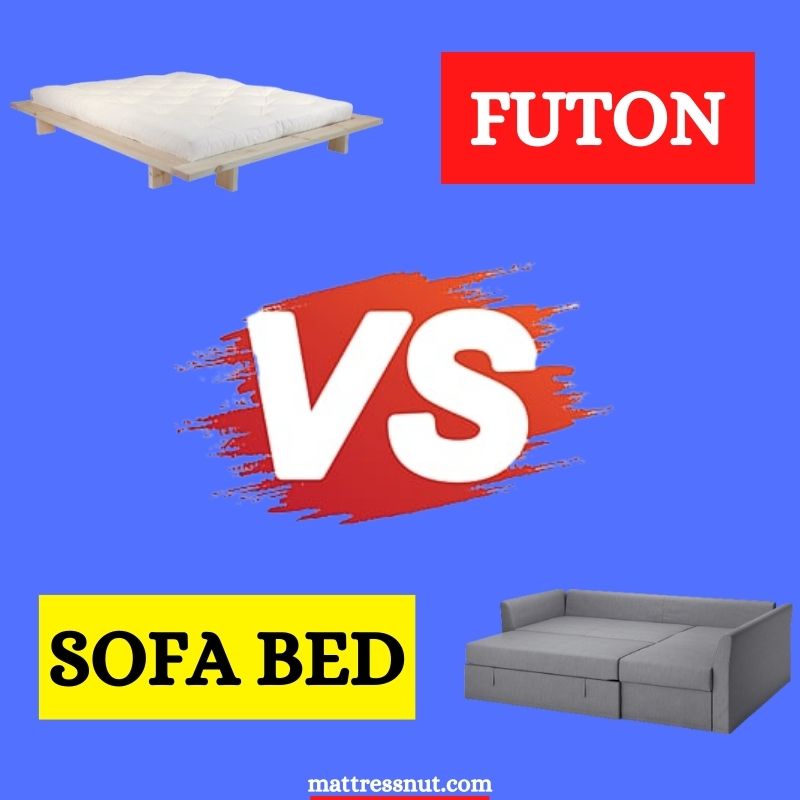
A futon and a sofa bed solve the same space problem, but their construction is fundamentally different. A futon asks one padded surface to handle both sitting and sleeping. A sofa bed hides a separate folding mattress below conventional seat cushions. That distinction affects comfort, foam wear, weight, maintenance, and how the furniture feels after years of use.
I would not judge either piece by its upholstery alone. Check the frame, folding hardware, mattress materials, replacement options, and required floor clearance. Those details tell me more about long-term value than a polished showroom photo.
What Is a Futon?
A futon is a dual-use furniture piece built around a folding frame or a mattress that can be stored after use. On a framed model, the mattress and seating surface are the same component. The padded surface supports the sitter, then unfolds to create the bed.
There are two main types:
- Western futon: A wood or metal frame reclines from a sofa position into a flat sleeping position. The mattress remains on the frame. This is the type commonly sold in the US as a futon sofa bed.
- Japanese futon, or shikibuton: A floor-level mattress folds or rolls for storage, with no sofa frame required. Traditional versions use layered cotton batting, while many Western interpretations use foam or blended fills.
Western futon mattresses commonly run 6 to 8 inches thick. More thickness can improve cushioning, but it does not automatically mean better performance. A mattress that is too thick or stiff for its frame may resist folding, bunch near the hinge, or slide out of position.
Material quality matters. Lower-density foam can soften and develop a compressed seating zone because the same area carries daytime and nighttime loads. Cotton-rich fills feel firm and breathable but can pack down and require regular turning. Layered foam-and-fiber designs can balance flexibility with cushioning, provided the mattress still bends cleanly at the frame joint.
If you already own a usable frame, replacing only the mattress can be more practical than replacing the whole futon. The top-rated futon mattresses guide explains the material and profile considerations.
What Is a Sofa Bed?
A sofa bed, also called a sleeper sofa or pull-out couch, looks like a conventional sofa when closed. Its bed mechanism and mattress fold into the cavity beneath the seat cushions. To open it, you remove or reposition the cushions, pull the handle, and unfold the supporting frame.
The separate mattress is typically 4 to 5 inches thick. That shallow profile is necessary because the bed must fold back inside the sofa. It also limits the amount of cushioning available between the sleeper and the support deck or frame underneath.
Traditional sleeper mattresses often use a thin innerspring unit. Memory foam versions are also available and may reduce pressure from the support structure, although foam quality and density still affect how quickly the mattress softens. Some models use layered foam or alternative folding platforms instead of the familiar bar-and-canvas mechanism.
A sleeper sofa generally feels more natural for sitting because it has dedicated seat cushions, a shaped back, and a furniture-style frame. Its mattress does not receive a load every time someone sits down, which separates seating wear from mattress wear.
If the original mattress has become compressed or uncomfortable, the best sofa bed mattress guide explains which profiles to consider. A replacement must remain thin and flexible enough to fold without obstructing the mechanism.
Futon vs Sofa Bed at a Glance
| Feature | Futon | Sofa bed |
|---|---|---|
| Mechanism | Frame reclines or unfolds flat | Separate mattress pulls out from inside the sofa |
| Typical mattress thickness | 6 to 8 inches for a Western model | 4 to 5 inches |
| Sleeping comfort | 5 to 6 / 10 | 4 to 6 / 10, with substantial variation by mattress |
| Sitting comfort | Usually firm, with one flat cushion | Usually better, with dedicated sofa cushions |
| Relative cost | Generally the more affordable choice | Generally the larger furniture investment |
| Weight | 50 to 100 lbs and easier to move | 150 to 300 lbs and difficult to move alone |
| Expected durability | 3 to 7 years for the complete setup | 7 to 15 years, depending on frame and mechanism quality |
| Style selection | More limited and visibly utilitarian | Broad range of upholstery and furniture styles |
| Best use | Dorms, studios, offices, and occasional guests | Living rooms and more frequent guest use |
Those ranges are category estimates, not promises for every model. Construction specifications and care policies from the particular manufacturer should take priority. Frequent folding, concentrated sitting, heavy loads, and poor frame alignment can shorten the useful life of either design.
Which One Is More Comfortable for Sleeping?
My verdict: A good futon usually provides the simpler, more even sleeping surface, while a good sofa bed provides the better overall furniture experience. Mattress quality can reverse that result, so the product label alone is not enough.
Neither design reliably replaces a dedicated mattress and foundation for everyday sleeping. Futons and sofa beds simply make their compromises in different places.
How a futon feels
A Western futon mattress is generally thicker than a sleeper-sofa mattress, and there is no pull-out bar directly below the bed. That can make the surface feel more consistent from edge to edge. It is still likely to feel firmer and flatter than a conventional mattress.
The weakness is repeated compression. The same foam or fiber supports seated body weight during the day and sleeping weight at night. Sitting concentrates force in a smaller area, so a central dip can form before the rest of the mattress looks worn. The fold line is another stress point because the material repeatedly bends in the same place.
Discomfort can become more noticeable over consecutive nights if the fill has softened or the frame slats are widely spaced. Rotating the mattress and checking the frame for bowed or uneven slats can help manage wear, but those steps cannot restore foam that has permanently lost resilience.
How a sofa bed feels
A sofa bed uses a separate mattress, but its 4 to 5-inch profile leaves little room for deep comfort layers. Side sleepers may notice more pressure at the shoulders and hips, while heavier sleepers may compress the foam enough to feel the support structure.
The classic complaints are the center seam, folding joints, and the metal bar or support section below the mattress. These problems vary by mechanism. Before buying, open the bed fully and press across the center and lower third of the mattress. A soft showroom surface can still reveal hard structure under firm hand pressure.
An upgraded memory foam sleeper mattress can spread pressure more evenly. One common construction uses 3 to 4 inches of foam over a 1-inch base, but the folded dimensions must remain compatible with the sofa. An overly bulky replacement can strain hinges or prevent the bed from closing.
A topper is the easiest temporary comfort adjustment, though it normally must be removed before closing the sofa. The guide to mattress toppers for sofa beds covers profiles that add cushioning without creating an impractical storage problem.
For an occasional guest staying one to three nights, either design can work. For a guest staying a week or more, I would favor a quality sleeper sofa with a supportive replacement mattress, provided the mechanism does not create a noticeable pressure ridge.
Durability, Foam Wear, and Frame Life
Futons tend to wear faster as complete sleep systems, often within 3 to 7 years. Their mattresses are repeatedly sat on, folded, unfolded, and compressed at the hinge. That treatment can create uneven loft even while the frame remains sound.
A metal futon frame can loosen at bolts and pivots, producing wobble or an uneven sleeping surface. A wood frame avoids some metal-frame flex but may develop loose joints or cracked slats. In either case, replaceable hardware and a replaceable mattress make the design easier to maintain.
Sofa beds generally last longer structurally, often 8 to 15 years. Their outer frames are substantial because they must support normal sofa use plus the internal bed assembly. The mattress remains folded and protected when not in use, although long storage periods can leave creases in lower-quality foam.
The sleeper mechanism is the component I would inspect most closely. Hinges, locking bars, deck material, and attachment points carry repeated leverage as the bed opens. Grinding, misalignment, reluctant locking, or visible bending are stronger warning signs than a minor upholstery flaw.
Better models let you replace the mattress without discarding the sofa. Confirm that the manufacturer supplies the open-bed dimensions and permits mattress replacement before assuming a nominally standard size will fit.
Materials and Construction Details That Matter
Futon mattress fill
Foam futons are lighter and usually recover their shape more readily than densely packed cotton models. The tradeoff is that lower-quality foam can soften quickly in the main sitting area. Cotton and fiber fills can feel stable and firm, but they are prone to packing down and may be cumbersome to rotate.
For mixed use, I prefer a flexible layered build that can fold without fighting the frame while still placing enough resilient material above the slats. A very soft mattress may feel inviting at first but is more likely to bottom out as the comfort layers compress.
Frame and slat spacing
The support surface should feel flat when opened. Closely spaced, even slats distribute load better than a few widely spaced rails. Check that no hardware protrudes toward the mattress and that the frame locks securely in both sofa and bed positions.
Sleeper sofa deck and mechanism
On a sofa bed, the mattress is only part of the comfort equation. The fabric or wire deck beneath it must remain taut enough to limit sagging. Crossbars should sit where the mattress can buffer them rather than directly beneath the sleeper's lower back.
Dedicated sofa cushions also deserve attention. High-use seat cushions can soften even if the hidden bed remains nearly new. Removable, reversible cushions are easier to rotate, and replaceable covers make the furniture more practical for guest use.
If the futon wins for your room, The Futon Shop offers dedicated cotton, wool, latex, and hybrid futon constructions rather than conventional mattresses adapted to folding frames.
See best-selling futon mattresses.
Floor Space, Setup, and Moving
A futon usually changes position within its own footprint, although you may need to pull it away from the wall before lowering the back. The mechanism is simple, but a heavy mattress can make conversion awkward for one person.
A sofa bed needs clear floor space in front of the sofa for the full pull-out assembly. A coffee table, rug edge, or narrow walkway can make regular setup frustrating. Measure the open depth listed by the manufacturer, not only the closed sofa dimensions.
Weight is another meaningful difference. Futons commonly weigh 50 to 100 lbs, while sofa beds may weigh 150 to 300 lbs. Those figures vary with frame construction and size, but the practical difference remains: a sleeper sofa is rarely casual move-it-yourself furniture.
If stairs, narrow doors, or frequent moves are part of the plan, check the manufacturer's packaged dimensions and component details before purchase. Some sleeper sofas have removable backs or legs, while others arrive as a large assembled frame.
Style and Everyday Seating
This is the sofa bed's clearest advantage. Sleeper sofas are sold with furniture-style arms, shaped backs, separate cushions, different leg profiles, and a broad range of upholstery. When closed, a well-made model can look like a standard sofa because its bed hardware remains hidden.
Futons are more visibly functional. Exposed wood or metal frames and a single folded mattress make the dual-purpose construction obvious. A fitted cover can improve the appearance, but it does not give the piece the tailored cushion structure of a conventional sofa.
For a main living room, I would usually accept the sofa bed's extra weight and cost in exchange for better seating and a more finished look. In a dorm, office, basement, or temporary apartment, the futon's simplicity may be more useful than visual polish.
Who Should Choose a Futon?
- Affordability is the first constraint.
- You need a lighter piece that can be moved or repositioned more easily.
- The room is a dorm, studio, basement, or home office where appearance is secondary.
- Guests sleep over rarely and normally stay no more than two consecutive nights.
- You value a replaceable mattress and a mechanically simple frame.
- You prefer a broader, flatter sleeping surface without a hidden pull-out bar.
Who Should Choose a Sofa Bed?
- The piece will sit in a main living room and needs to function as a convincing everyday sofa.
- Sitting comfort matters as much as occasional sleeping comfort.
- Guests stay more than a night or two.
- You want a frame that may remain useful for a decade or more with appropriate care.
- You have enough open floor area for the pull-out mechanism.
- You can leave the heavier piece in one location instead of moving it regularly.
What to Check Before Buying
- Open it yourself: Convert the piece from sofa to bed and back again. The motion should be controlled, and every lock should engage without forcing the frame.
- Press across the sleep surface: Check the center, edges, hinge area, and lower third for hard bars, gaps, or excessive flex.
- Read the material specifications: Look for the actual mattress construction rather than relying on terms such as plush or premium.
- Confirm replacement options: Ask whether the mattress, cover, cushions, hardware, or mechanism components can be ordered separately under the manufacturer's policies.
- Measure the open footprint: Include clearance for walking, doors, tables, and the person operating the mechanism.
- Inspect the support system: Futon slats should be even and secure. A sleeper-sofa deck should be taut, aligned, and free from projecting hardware.
- Consider maintenance: Removable covers, reversible cushions, accessible bolts, and replaceable mattresses can extend practical service life.
I would also read verified owner reviews for recurring reports of bent frames, difficult conversion, early sagging, or cushions that will not stay in place. Owner feedback is most useful when the same construction complaint appears across multiple verified reviews rather than in one isolated rating.
Alternatives to Futons and Sofa Beds
If neither design fits the room, another sleep arrangement may make more sense:
- Murphy bed, or wall bed: This folds vertically into a cabinet and may accommodate a mattress up to 12 inches thick, depending on the manufacturer's specifications. Sleep quality can feel closer to that of a conventional bed, but installation and wall clearance require more planning. The Murphy bed alternatives guide explains where a wall bed fits among simpler options.
- Daybed with trundle: A daybed provides sofa-like seating and a dedicated mattress. A roll-out trundle creates a pair of twin sleeping surfaces. It works well in a guest room or child's room where the furniture does not need to resemble an upholstered living-room sofa. See the comparison of Murphy beds, daybeds, and futons.
- Quality air mattress: For guests who visit only a few times per year, a queen air mattress stored in a closet can offer more flexible placement. It avoids dedicating the room to heavy convertible furniture, though it still requires inflation, storage, and puncture care.
Frequently Asked Questions
Is a futon or sofa bed better for back pain?
Neither is ideal for every person with existing back pain. A futon with a 6-inch or thicker foam mattress may feel more even than a standard 4-inch sleeper mattress, but either one can compress and lose support.
A sofa bed with an upgraded memory foam mattress or a daybed with a properly supported thin mattress may provide better pressure distribution. Comfort needs vary, so persistent or severe back pain should be discussed with a qualified healthcare professional rather than treated solely as a furniture-selection problem.
Can you sleep on a futon every night?
Yes, some people use Western futons as their main beds in studios and small apartments. Daily sleeping and sitting can shorten the mattress's useful life, potentially bringing noticeable compression closer to 2 to 3 years. Rotating the mattress and maintaining an even support surface can help manage wear, but these steps cannot stop foam fatigue.
A Japanese-style shikibuton is used differently. It is laid out for sleep, aired as appropriate for its materials, and stored during the day. That prevents continuous daytime loading, although the floor beneath it must be kept dry and clean.
What is more comfortable, a sofa bed or a pull-out couch?
They are the same basic category. Pull-out couch and sofa bed both describe a sofa with a folding mattress or sleeping platform inside. Comfort depends on the mattress layers, support deck, frame geometry, and condition of the mechanism, not the wording in the product name.
Can you replace the mattress in a sofa bed?
Yes, on most models, but you must measure before ordering. Common profiles are around 4 to 4.5 inches thick, with dimensions of 54 x 72 inches for a full or 60 x 72 inches for a queen. The manufacturer's measurements should take priority because sleeper mechanisms are not universally interchangeable.
The sofa bed mattress replacement guide covers the measurements and materials to check. The replacement must close inside the frame without forcing the mechanism.
Which lasts longer, a futon or a sofa bed?
A sofa bed generally lasts longer as a complete furniture piece. A quality sleeper frame may remain useful for 10 to 15 years with occasional bed use. Its mattress and mechanism can still wear sooner than the upholstered frame.
A futon frame can also last for years, but its mattress usually shows wear faster because it carries both sitting and sleeping loads and bends repeatedly at the same point. Replacing the futon mattress around year 3 to 5 can be more sensible than discarding a sound frame.
Is a futon sofa bed good for a small apartment?
It can be, especially if low weight, simple conversion, and affordability matter most. Check the open footprint and wall clearance before buying. A compact piece is not truly space-saving if it blocks a doorway or requires moving several other items every night.
What is the best choice for frequent guests?
For frequent guests, I would choose a well-built sofa bed with a replaceable foam mattress over a basic futon. It offers better everyday seating, isolates mattress wear from sofa use, and generally provides a more durable frame. If guests stay for extended periods, a daybed, Murphy bed, or conventional guest mattress is the stronger sleep-focused solution.
My Final Futon vs Sofa Bed Verdict
Choose the futon if cost, mobility, a flatter sleep surface, and easy mattress replacement matter most. Choose the sofa bed if this will be your everyday living-room seating and you want the stronger furniture frame, more finished styling, and separate wear surfaces.
For a dedicated guest area or compact room where sleeping utility comes first, a real futon mattress can beat a basic sofa bed on simplicity and value. The Futon Shop specializes in cotton, wool, latex, and hybrid futon constructions across different comfort preferences.
Shop best-selling futon mattresses.
If buying a futon, I would stick with a mattress specifically designed to flex at the frame joint. Conventional foam mattresses can resist folding or wear poorly along a forced crease.
- Look for a flexible core that matches the frame mechanism.
- Confirm the exact mattress size and supported thickness with the frame manufacturer.
- Choose materials based on recoverability and resistance to repeated sitting compression, not softness alone.