 by
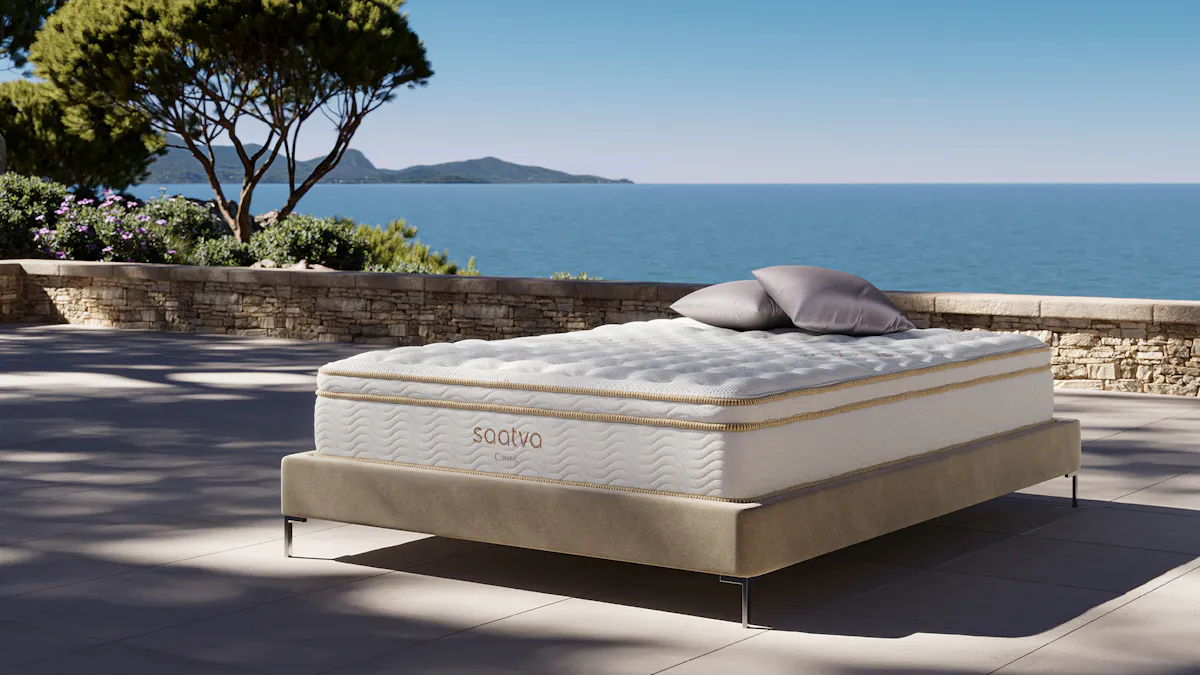
by Quick answer: Ghost mattresses are solid foam-and-latex beds with genuine cooling chops, best for back and stomach sleepers. If you want a sturdier, longer-lasting build, I'd point you to the Saatva Classic instead. Check the current offer on the official site.
- GhostBed models blend memory foam with latex or latex-like foam for a medium to medium-firm feel, per the manufacturer's specs.
- The Original skews firmer and suits back and stomach sleepers; side sleepers usually land on the Luxe or Flex variants, according to owner feedback.
- Cooling is the brand's calling card: gel-infused foams, breathable covers, and naturally cooler latex components across the lineup.
Updated July 2026 · Reviewed for accuracy
GhostBed is one of the oldest direct-to-consumer mattress brands still standing, and ghost mattress reviews across the web paint a consistent picture: decent materials, real cooling effort, and a firmer-than-average feel. But "decent" isn't the same as "buy it," and there are gaps you should know about before spending your money. Here's my honest read, based on published specs and verified owner feedback.
GhostBed at a Glance: Who It Suits
Start with the short version. GhostBed's core lineup (the Original, the Luxe, and the Flex) all share one design philosophy: pair pressure-relieving memory foam with responsive latex or latex-like foam, then add cooling features on top. Per the manufacturer's product pages, that recipe delivers a medium to medium-firm feel across most of the range.
Who does that serve? Back and stomach sleepers, mostly. Verified owner reviews consistently describe the Original GhostBed as the firmest of the bunch, and strict back and stomach sleepers tend to rate it well for keeping the hips level. Side sleepers, especially lighter ones, often report needing the softer Luxe or Flex to get real shoulder relief.
Who should pause? Anyone who wants a deep, slow memory-foam hug. The latex-like layers keep the surface bouncier and more responsive than a classic all-foam bed. If you've read our Yogabed mattress reviews, you know that responsive foam blends divide opinion sharply. Some sleepers love the ease of movement, others miss the contouring cradle.
The Nut's take: GhostBed is a legitimate brand with a coherent lineup, not a rebrand of generic foam. The question isn't quality, it's fit, and fit depends almost entirely on your sleep position and how hot you run.
Construction: Foam, Latex, and Why It Matters
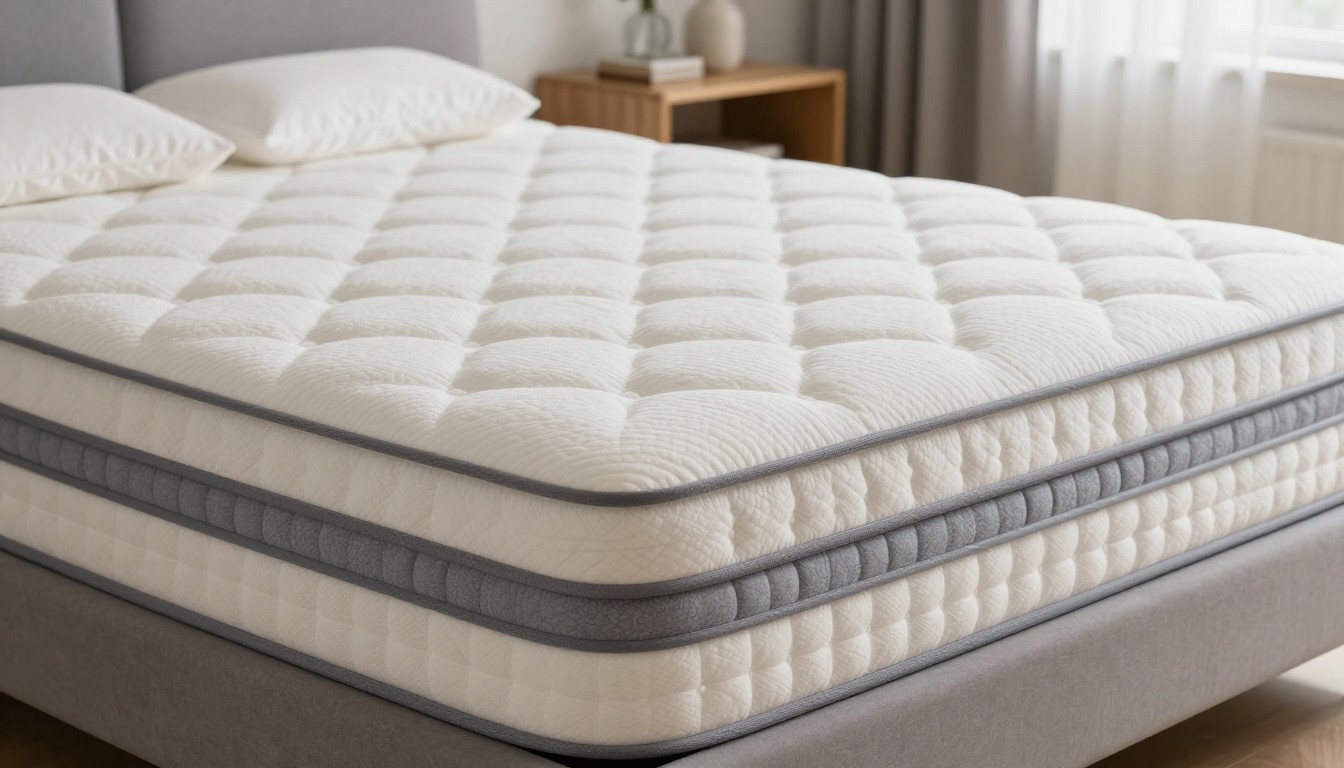
Here's where I get interested, because construction is where mattresses live or die over the years. Per GhostBed's published specs, the typical build stacks memory foam over latex or latex-like foam, with cooling treatments worked into the top layers: gel infusions, breathable covers, or phase-change materials depending on the model.
Why does that layering order matter? Memory foam on top gives you the immediate pressure relief and motion damping the material is famous for. Latex underneath adds pushback, so you don't sink into a hammock shape, and latex sleeps noticeably cooler than dense foam because of its open cell structure. It's a smart pairing, and it's the reason GhostBed beds feel livelier than most boxed mattresses.
The Luxe and Flex variants take this further with additional comfort layers and, in the Flex's case, coil support per the manufacturer's descriptions. Coils change the equation: better airflow, better edge support, and a more traditional innerspring bounce under the foam. If you want the full picture of how hybrid builds compare, our Zoma hybrid mattress reviews break down what coils add to a foam comfort system.
One honest caveat: the research available doesn't confirm foam densities for these beds, and density is the single best predictor of foam longevity. I won't guess at numbers. What I can say is that latex components generally outlast polyurethane foams of comparable cost, so builds leaning heavier on latex should hold their shape better over the years.
Comparing options? The Saatva Classic is the pick we keep coming back to. see the final verdict ↓
Firmness and Sleep Position Fit
Firmness is the most argued-over topic in ghost mattress reviews, and the confusion has a simple cause: GhostBed sells meaningfully different feels under one brand name. Treating them as interchangeable is the most common buyer mistake.
- Original GhostBed: the firmest of the core line per owner feedback. Back and stomach sleepers report good spinal alignment; lighter side sleepers often find the shoulders don't sink enough.
- Luxe: more comfort material on top, a softer initial feel, and the model side sleepers gravitate toward in verified owner reviews.
- Flex: the hybrid, combining foam comfort with coil support. A middle ground that couples with mixed sleep positions tend to land on.
My rule of thumb, drawn from the owner feedback pattern: if you sleep mostly on your back or stomach, start with the Original. If you're a dedicated side sleeper or under average weight, the firmer models will likely feel like a board, and the Luxe is the safer entry point. Combination sleepers who change positions all night benefit from the Flex's coils, which make repositioning easier.
Cooling and Temperature Control
Cooling is GhostBed's loudest marketing claim, and unusually, the construction backs it up. Per the manufacturer's materials list, the brand stacks three genuine cooling mechanisms: gel-infused foam to pull heat away from the surface, breathable covers to vent it, and latex or latex-like layers that don't trap heat the way dense memory foam does.
Does it work? Verified owner reviews skew positive on temperature, with hot sleepers reporting the beds run cooler than the all-foam mattresses they replaced. That's the realistic benchmark. No foam-topped mattress sleeps as cool as a bare coil bed, and marketing language will never tell you that, but within its category GhostBed's thermal performance holds up in owner feedback.
Cooling reality check
- Latex components = genuinely cooler than pure memory foam
- Gel infusions help the surface, less so the whole bed
- Hybrid models (with coils) vent heat best of all
- Deep-sinking soft beds always sleep warmer, whatever the cover
Motion Isolation, Edge Support, and Durability
Three practical questions, one section, because couples ask them together.
Motion isolation. The memory foam top layers do their job here. Owner reviews from couples generally report low partner disturbance on the all-foam models, which is exactly what you'd predict from the construction. The hybrid Flex trades a bit of that deadening for bounce, as every coil bed does.
Edge support. This is the weaker spot in the foam-only models, per owner feedback. Sitting on the perimeter compresses the comfort layers noticeably. Coils help, so the Flex holds its edges better. If you sleep right to the edge or sit on the side of the bed every morning, weight this heavily.
Durability. Per the manufacturer's warranty page, GhostBed backs its mattresses with a substantial warranty period and a sleep trial, which is standard for the category and worth reading in full before purchase. Owner reviews on longevity are mixed in the way most foam-brand reviews are: heavier sleepers report impressions forming sooner, lighter sleepers report years of consistent feel. The latex content should tilt the odds toward the longer end, but no warranty term substitutes for foam density, and those figures aren't published.
GhostBed Model Comparison
Pulling the threads together, here's how the core lineup shakes out based on the manufacturer's specs and verified owner feedback.
| Model | Feel | Best for | Watch out for |
|---|---|---|---|
| Original | Firmest of the line, responsive | Back and stomach sleepers | Too firm for many side sleepers |
| Luxe | Softer, deeper comfort layers | Side sleepers, pressure relief seekers | Sleeps warmer than firmer builds |
| Flex (hybrid) | Balanced, springier | Combination sleepers, couples | More motion transfer than all-foam |
Pricing, Trial, and Warranty
GhostBed prices its lineup in the mid-range to premium tier depending on model and size, with the Luxe and Flex sitting above the Original. The brand runs frequent promotions (discounts, bundle deals with bases, and seasonal sales), so the sticker price and the real price are often different numbers. Check the current price on the official GhostBed site or an authorized retailer before deciding, and time your purchase around a sale event if you can.
On policies: per the manufacturer's terms, GhostBed includes a sleep trial and a substantial warranty, consistent with direct-to-consumer norms. Read the fine print on both. Trial return logistics and warranty coverage for body impressions vary more between brands than the headline terms suggest, and those details are where disappointment lives.
Money tip: Mattress brands in this tier discount aggressively around holidays. If the price you see today isn't a sale price, waiting a few weeks will likely save you real money. Never pay full sticker on a frequently promoted brand.
Who Should Skip a Ghost Mattress
Decision time, and here's where I put the alternative on the table. GhostBed is a good mattress lineup, but two types of buyers should look elsewhere.
First, heavier sleepers and durability-first buyers. The unpublished foam densities and the foam-dominant builds make long-term support a question mark under higher body weights, based on the pattern in verified owner reviews. Second, anyone who wants a mattress built like furniture: hand-finished, coil-structured, made to last well past the trial window.
For both of those buyers, I tend to recommend the Saatva Classic. It's handcrafted in the USA with a coil-on-coil build, it's America's best-selling luxury mattress, and it comes with a generous sleep trial, a lifetime warranty, and flexible financing. It costs more up front, but the construction argument is real: dual coil support holds its shape in a way foam layers generally don't. Check the current offer on the official site. If you're weighing other online options first, our Zoma mattress reviews and Zaz mattress review cover how competing foam and hybrid builds stack up.
The Bottom Line on Ghost Mattress Reviews
GhostBed earns its reputation in the areas it advertises. The cooling is real, the latex-and-foam recipe is smart, and the lineup covers firm, plush, and hybrid preferences without filler models. Back and stomach sleepers who run warm are the bullseye customer.
The reservations are equally clear. Firmness varies enough between models that buying the wrong one is easy, foam density figures aren't published, and edge support on the all-foam builds is middling per owner feedback. Go in with your sleep position decided, buy during a promotion, and read the trial terms before checkout. Do that, and a Ghost mattress is a defensible purchase, just not the automatic one.
FAQ
Are Ghost mattresses good quality?
Yes, within their category. Per the manufacturer's specs, GhostBed builds combine memory foam with latex or latex-like foam plus cooling treatments, and verified owner reviews are broadly positive on comfort and temperature. The honest gaps are unpublished foam densities and average edge support on the all-foam models.
Which GhostBed model is best for side sleepers?
The Luxe is the usual answer in owner feedback, thanks to its softer comfort layers and deeper pressure relief at the shoulders. The Original runs firmest and suits back and stomach sleepers better. Lighter side sleepers should avoid the firm end of the lineup entirely.
Do GhostBed mattresses sleep hot?
No, cooling is a genuine strength. Per the manufacturer, the beds use gel-infused foams, breathable covers, and latex components that dissipate heat better than dense memory foam. Owner reviews from hot sleepers mostly confirm cooler sleep than the all-foam beds they replaced.
How long does a GhostBed mattress last?
There's no verified lifespan figure, and I won't invent one. The latex content should help it outlast comparable all-foam beds, and per the manufacturer's warranty page the brand backs its mattresses with a substantial warranty. Heavier sleepers in owner reviews report impressions forming sooner, which is typical for foam-dominant builds.
Is a Ghost mattress worth the price?
At a promotional price, yes for the right sleeper: warm back and stomach sleepers especially. At full sticker price, the case weakens, since frequent sales make patience cheap. Durability-focused buyers and heavier sleepers may get more years per dollar from a coil-built alternative.
FINAL VERDICT
Bottom line for a GhostBed reviews reader: if you want verified comfort claims before checkout, the Saatva Classic is the safer buy. The 365-night trial and lifetime warranty put the risk on the brand, not on you.
OUR CATEGORY-MATCHED PICK · UP TO $334 OFF
Saatva Classic
- 365-night home trial and lifetime warranty, per saatva.com
- Handcrafted in the USA, free white-glove delivery
- Flexible financing available