
 by
by 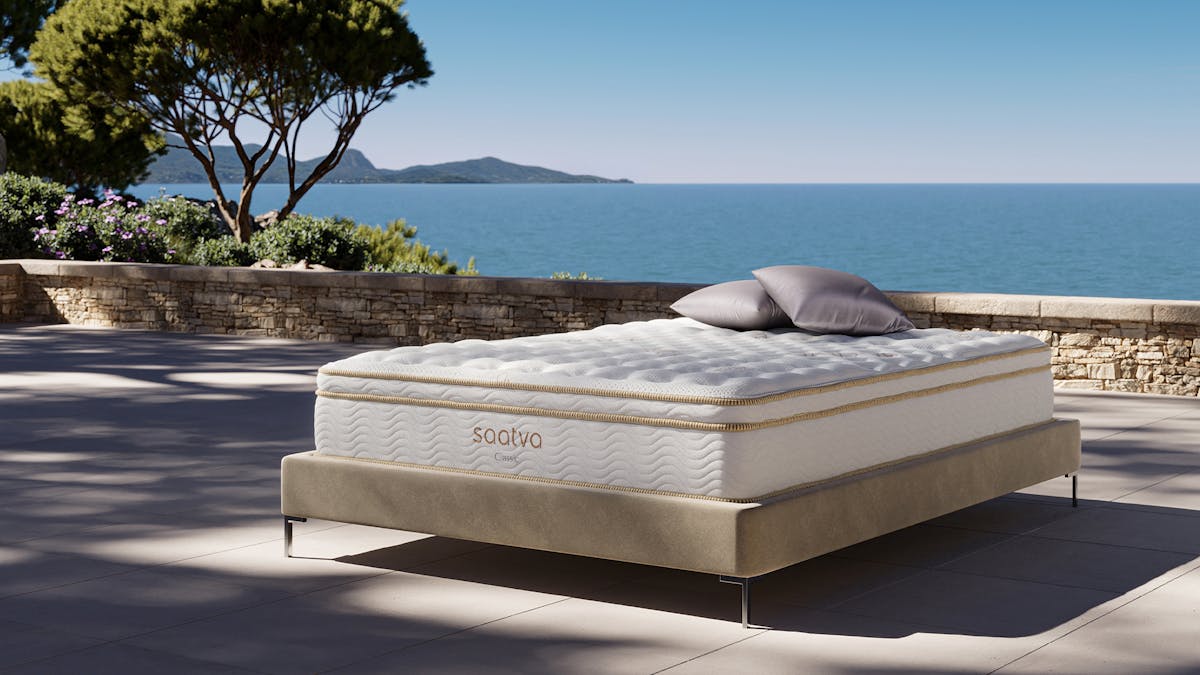
Our #1 Recommended Mattress
Editor's Pick · Current Sale
Amerisleep's Current Sale: $500 off every mattress. The AS3 — plant-based Bio-Pur® foam, sleeps cooler than memory foam, 100-night trial, 20-year warranty.
Last Updated: March 2026 - Content reviewed and verified by our editorial team.
Saatva Classic. From $1,095
365-night trial · Lifetime warranty · Free white-glove delivery
We earn a commission if you make a purchase through our links, at no extra cost to you. Full disclosure.
The Quick Answer
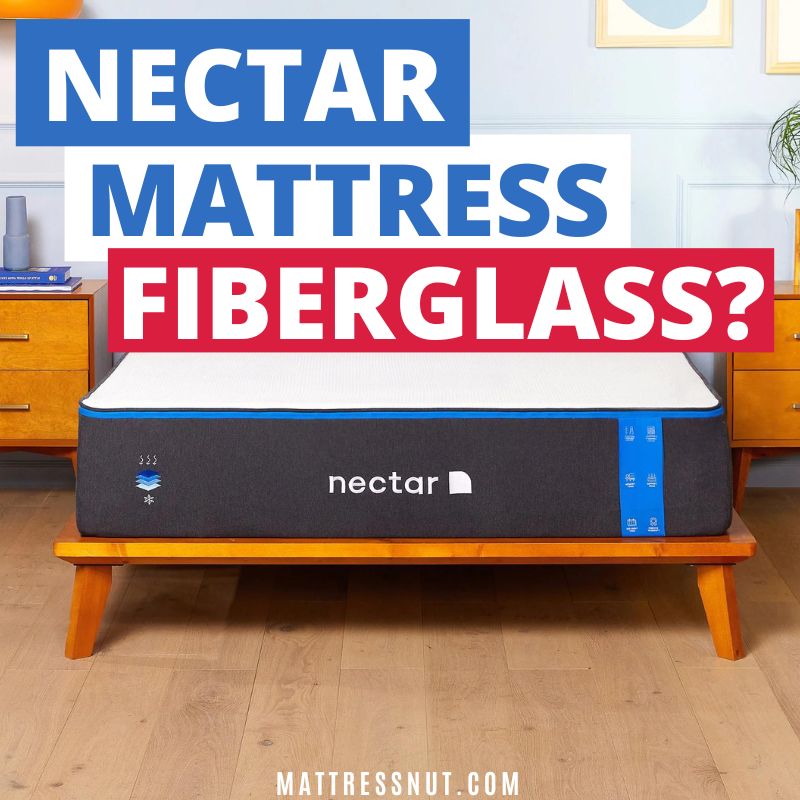
Older Nectar memory foam mattresses were widely reported by owners to use a fiberglass fire sock under the cover. Per Nectar's current materials information, the brand says its mattresses now use a non-fiberglass fire barrier instead. Either way, the rule is the same: never remove the cover or the inner sock, because that's how the particles escape. If you want zero doubt about what's inside, a mattress with a natural fire barrier, like the Saatva Classic's thistle pulp layer, is the cleaner buy.
Nectar is a big name in the mattress industry (check the top rated mattresses). The company built its reputation on customer satisfaction, aggressive pricing, and a long home trial. That's the main reason the brand got so popular so fast.
But one question keeps following Nectar around: fiberglass. Budget memory foam brands have historically used fiberglass as a cheap fire retardant layer, and it can cause itchy skin and respiratory irritation if it ever gets loose in your home.
In this guide, I'll walk through what's actually inside a Nectar mattress, how to check your own bed, and whether you should buy one or look elsewhere. Keep reading.
We recommend Saatva if you are looking for a fiberglass-free mattress.
Why Should You Avoid Mattresses with Fiberglass?
Fiberglass is a type of glass fiber that gets melted and stretched into fine strands. Because of its surface-area-to-volume ratio, those strands are highly reactive and, more importantly for sleepers, they break into tiny shards that irritate whatever they touch.
From a materials standpoint, fiberglass is a problem the moment it leaves the mattress. Inhaled airborne fiberglass can aggravate the respiratory system, and it has been associated with asthma flare-ups and chronic obstructive pulmonary irritation. Skin contact causes that classic itching and rash that owners of cheap memory foam beds complain about.
Itchy skin is the most common complaint. If you pull a mattress cover off and start scratching within the hour, you've likely been exposed. The shards settle into carpets, curtains, clothes, and walls, and they're miserable to clean out.
The Nut's note: nobody wants to wake up at 2 a.m. itching, and nobody wants a bedroom contaminated with glass dust. Budget beds at big-box stores use fiberglass because it costs almost nothing. If a mattress seems suspiciously cheap for its size, the fire barrier is usually where the savings came from. Check the best selling mattresses without fiberglass before you gamble.
Do Nectar Mattresses Have Fiberglass?
Here's the honest, layered answer. Nectar's older memory foam mattresses used a fiberglass fire sock, and plenty of verified owner reviews from that era describe finding glass fibers after unzipping the cover. Per Nectar's current product information, the brand states it does not use fiberglass in its mattresses anymore and relies on a non-fiberglass fire barrier instead.
Why does any of this exist at all? In 2007 the US Consumer Product Safety Commission made it mandatory for mattresses to pass fire retardant standards. Manufacturers met the rule with different chemicals and barriers, including melamine, boric acid, antimony trioxide, and fiberglass. Fiberglass won out at the budget end because it's effective and very cheap.
- Older Nectar models: fiberglass fire sock reported by owners under the outer cover.
- Current Nectar models: non-fiberglass fire barrier, per the manufacturer.
- Foam certification: CertiPUR-US, which covers foam content but not the fire sock material.
- My advice: check the law tag on your specific unit, since specs can change between manufacturing runs.
Specs can vary between model years and even production batches, so treat the law tag on your own mattress as the final word. Nectar isn't the only budget brand with this history either. I've covered the same pattern with Zinus mattresses and fiberglass and with Zoma's fiberglass situation, and the story is similar: cheap foam beds, cheap fire socks.
How to Find Out If Your Mattress Has Fiberglass
Figuring this out takes about two minutes, and thankfully there are a couple of reliable ways to do it.
- Look at the law tag and see if "glass" shows up in the mattress materials. It can read fiberglass, glass wool, glass fiber, or some variation. If it's there, you have your answer.
- If the brand is vague about materials, check the care instructions. A warning that says "do not remove the cover" is the classic tell that there's a fiberglass sock underneath.
Price is the third clue. If you paid very little for an all-foam mattress, assume the fire barrier is fiberglass until proven otherwise. Keep that cover on, because once the fibers scatter around your room, vacuuming alone won't fully fix it.
Is My Nectar Mattress Safe?
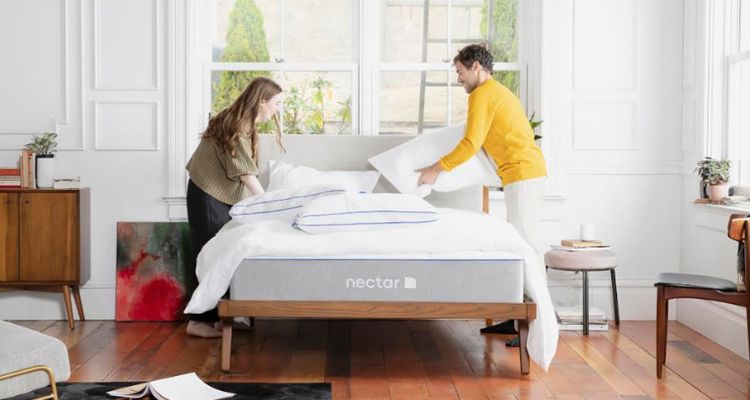
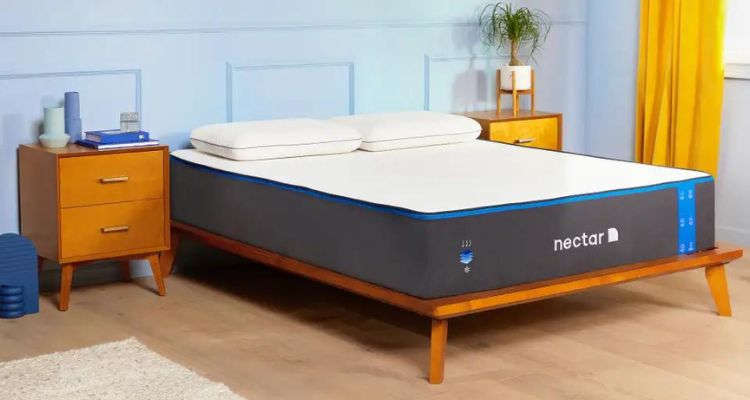
It largely depends on how well you maintain it. The fire barrier in these beds sits inside the cover system, so the safety rule is simple: never take the cover or inner sleeve off, no matter what. If you do, the shards can go airborne and spread through your house, and that's the scenario behind every horror story you've read online.
Keep anything sharp away from the mattress surface. Don't drag tools, pet claws, or broken zippers across it, and inspect the cover every few months to make sure it's intact with no rips or worn seams.
A zippered mattress protector or a mattress topper over the whole bed adds a cheap layer of protection and keeps the original cover from wearing thin. It's the easiest insurance you can buy for a foam mattress.
How Are Nectar Mattresses in Terms of Quality?
Fiberglass aside, is a Nectar mattress actually a good bed? Choosing a mattress online is tough because there's no try-before-you-buy, so let me break the construction down layer by layer.
Build quality
Nectar does use decent materials in its mattresses for the price tier. The covers are breathable polyester, and the base is high-density polyurethane foam, which is the standard support material in this category.
The transition layer uses a grid-style design that eases the move from the soft comfort foam into the firm base, giving a reasonable balance between pressure relief and support (also check 10 top-quality mattresses with great comfort).
Nectar foams carry CertiPUR-US certification, meaning they're screened for certain chemicals and low on VOC emissions, which matters for sensitive sleepers (check 8 amazing mattresses for allergies). Keep in mind, that certification covers the foam, not the fire barrier.
Firmness
Nectar goes a different route than most brands here. There's no firmness menu, just one medium-firm feel the company aims at the middle of the market.
The idea is a balance between softness and support that works for most body types and sleep positions (also check 10 great mattresses for stomach sleepers). If you want to see how that single-feel approach holds up against a coil hybrid, my WinkBeds vs Nectar comparison breaks it down construction by construction.
Cooling technology
Nectar uses memory foam infused with phase change material in its Premier mattresses. PCM absorbs excess surface heat when you warm up and releases it as you cool down, which helps all-foam beds sleep less stuffy (also check the top rated cooling mattresses).
That said, memory foam is still memory foam. Hot sleepers who run warm year-round will usually sleep cooler on a coil mattress with real airflow through the core.
Bedding and sleep trial
The brand sells a range of bedding accessories, and Nectar mattresses often ship with a kit including pillows and sheets, so you don't have to buy everything separately.
Nectar also offers a 365-night sleep trial, per the brand's site. If the mattress isn't right during that period, you can reach out and arrange a return pickup.
Long trials matter with online beds. Your body takes around 3 to 4 weeks to adjust to a new sleep surface, so you can't judge a mattress after two nights. A year-long window removes that pressure.
Does Nectar Mattress Have Fiberglass? Safety Assessment
To sum up the current position: Nectar states it does NOT use fiberglass in its mattresses and now uses a non-fiberglass fire barrier. Older units may still contain the fiberglass sock, so your law tag is the source of truth.
Nectar's Fire Barrier
- Fire barrier: Non-fiberglass fire sock, per the manufacturer
- Foam certification: CertiPUR-US
- Cover: Listed as removable and washable on current models, but do not pull or cut the inner fire sock underneath
Verification
While Nectar has stated no fiberglass is used, always verify on the specific model's law tag, as product specifications can change between manufacturing runs.
Nectar details: warranty | legal history. Fiberglass info: Lucid issues.
The Saatva Classic uses a natural thistle fire barrier - zero fiberglass. 365-night trial.
Key Takeaways: Understanding Nectar Mattress Fiberglass
Concerns with Fiberglass in Mattresses
Fiberglass is used in budget mattresses because it's a cheap, effective fire retardant. The downside is exposure risk: airborne particles can irritate the respiratory system, and skin contact causes itching and rashes. Once the fibers escape a torn cover, they spread through carpets and fabrics and are very hard to clean.
Quality and Features of Nectar Mattresses
Nectar builds a solid bed for the price: breathable polyester covers, a supportive base of high-density polyurethane foam, phase change cooling in the Premier line, and CertiPUR-US certified foams. The single medium-firm feel is designed to suit a wide range of sleepers, and the 365-night trial, per the brand, is among the longest you'll find.
Recognizing Fiberglass in Your Mattress
Check the law tag for "glass," "glass wool," or "glass fiber" in the materials list. A "do not remove cover" warning and a suspiciously low price are the other two tells. If in doubt, keep the cover on and add a protector.
The Implication for Nectar Owners
Following the 2007 CPSC flammability rules, Nectar historically used a fiberglass fire sock, and per the manufacturer, current models use a non-fiberglass barrier. Either way, don't remove the cover, protect the surface from rips, and consider a topper or zippered protector as an extra barrier.
FAQ: Nectar Mattress Fiberglass
Does the Nectar mattress contain fiberglass?
Older Nectar memory foam models were reported by owners to contain a fiberglass fire sock. Per Nectar's current product information, the brand states its mattresses now use a non-fiberglass fire barrier. Because specs can change between manufacturing runs, check the law tag on your specific mattress for "glass" or "glass wool."
Is it safe to sleep on a Nectar mattress?
With the cover intact, yes, the fire barrier stays sealed inside the mattress where it can't reach you. Problems start when covers get removed, ripped, or worn through. Keep the cover on, inspect it regularly, and use a protector or topper to shield the surface.
What happens if I remove my Nectar mattress cover?
If your unit has a fiberglass sock underneath, unzipping the cover can release fine glass shards into the air. They settle into bedding, carpets, and clothing and are difficult to fully clean. If your current model has a washable cover per the manufacturer, remove only the outer cover and never the inner fire sock.
How do I check my mattress for fiberglass?
Read the law tag sewn into the mattress and look for "glass," "glass fiber," or "glass wool" in the materials list. A care label warning against removing the cover is another strong indicator. Very cheap all-foam mattresses should be assumed to contain fiberglass until the tag proves otherwise.
What's a good fiberglass-free alternative?
Look for mattresses that use natural fire barriers like wool or thistle pulp instead of chemical or glass socks. The Saatva Classic uses a natural thistle barrier, and it's backed by a 365-night trial and lifetime warranty per the brand's site, which is why it's my default recommendation for shoppers who want zero fiberglass concerns.
Final Verdict
Nectar has always pushed new technologies into the budget foam space: phase change cooling, pressure-relieving comfort layers, and a decent amount of bounce for an all-foam bed. The build quality is respectable for the price, and the year-long trial is genuinely useful.
The fiberglass question is the one blemish. Older Nectar models carried a fiberglass fire sock, and while the brand states current models are fiberglass-free, the only way to be sure about your mattress is the law tag. If you already own a Nectar, keep the cover on and protected, and you'll be fine.
If you're shopping fresh and the fire barrier question makes you nervous, skip the guesswork. A mattress built around a natural fire barrier and a coil core, like the Saatva Classic, sidesteps the whole issue and tends to outlast budget foam by years. That's where my money would go.