 by
by How fabric affects body temperature at night became very real to me after I started waking at 3 a.m., sweaty at my neck and chilly at my feet. My bedroom looked calm, but it slept terribly.
I thought I needed a colder room. I didn’t. I needed to stop putting the wrong layers against my skin.
The night my old bedding stopped feeling harmless
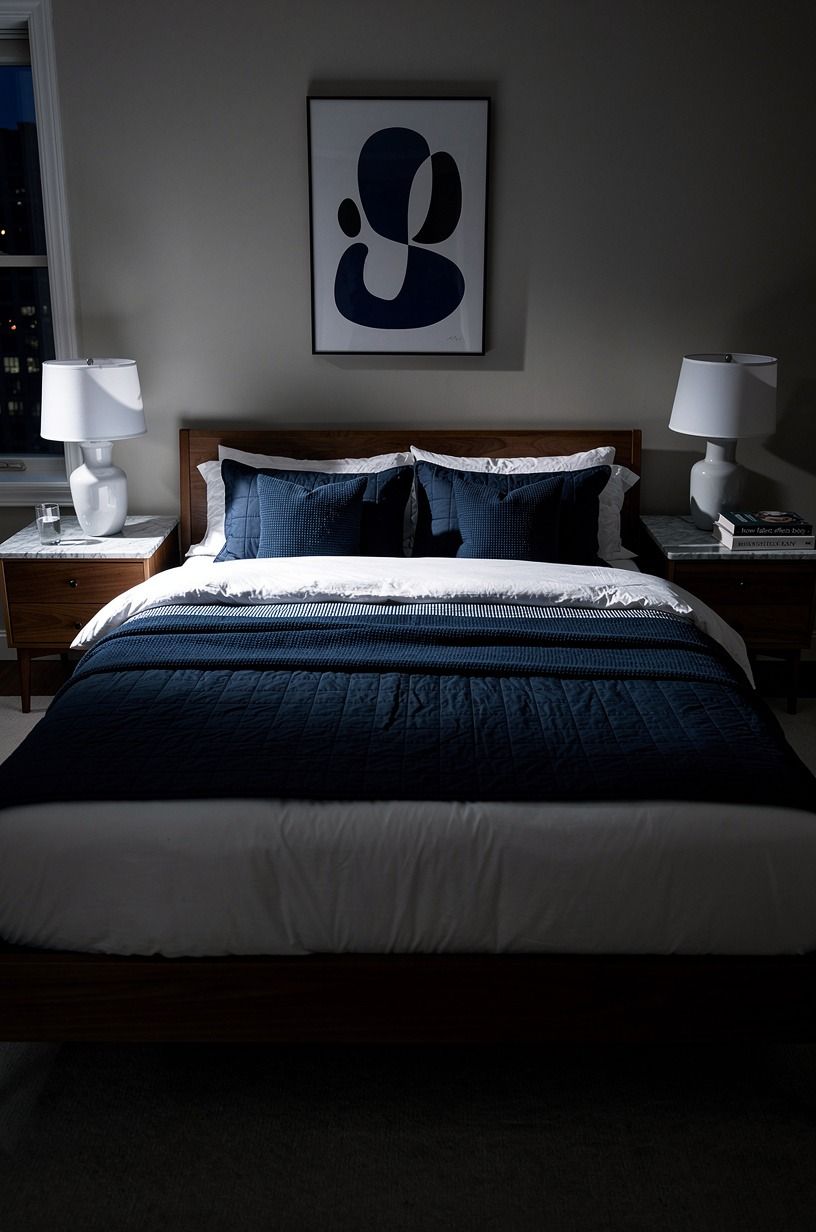
My old sheets had that slick, plastic-y feel that seemed fine at bedtime, then turned clammy after a few hours. I’d kick one leg out, pull it back in, and repeat the whole ridiculous cycle until morning.


Not restful. Just fussy.
I’m not claiming fabric fixes every sleep problem. It didn’t erase every rough night for me.
But I noticed my comfort changed when I paid attention to what touched my body first, rather than buying another heavy blanket and hoping for the best. If you’re also wondering why your temperature shifts overnight, this explainer on core body temperature sleep gave me useful context without making the whole thing feel clinical.
I started with the layer closest to my skin
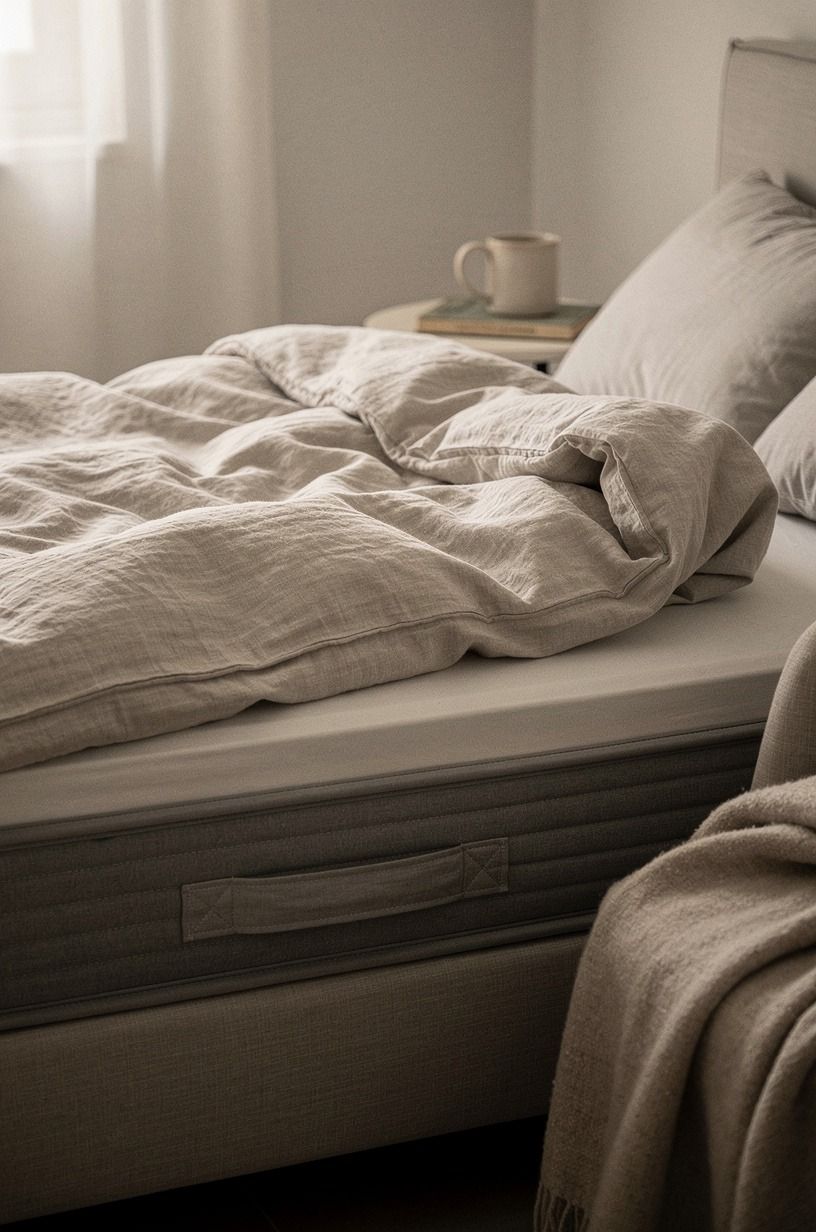
I chose a Percale Sheet Set because I wanted crisp rather than slippery. My preference is firm, airy cotton over anything silky for warm nights, even though I know the smooth look photographs better.
The first few nights felt almost too plain. No plush hotel effect.
But the fabric didn’t cling when I turned over, and that mattered more than appearance. And that little dry, cool feeling around my shoulders was the first sign I was onto something.
I also stopped piling decorative throws across the bottom of the bed. They were pretty, sure, but they trapped warmth exactly where I wanted some breathing room.
Less drama. Better sleep.
The mattress was the bigger decision
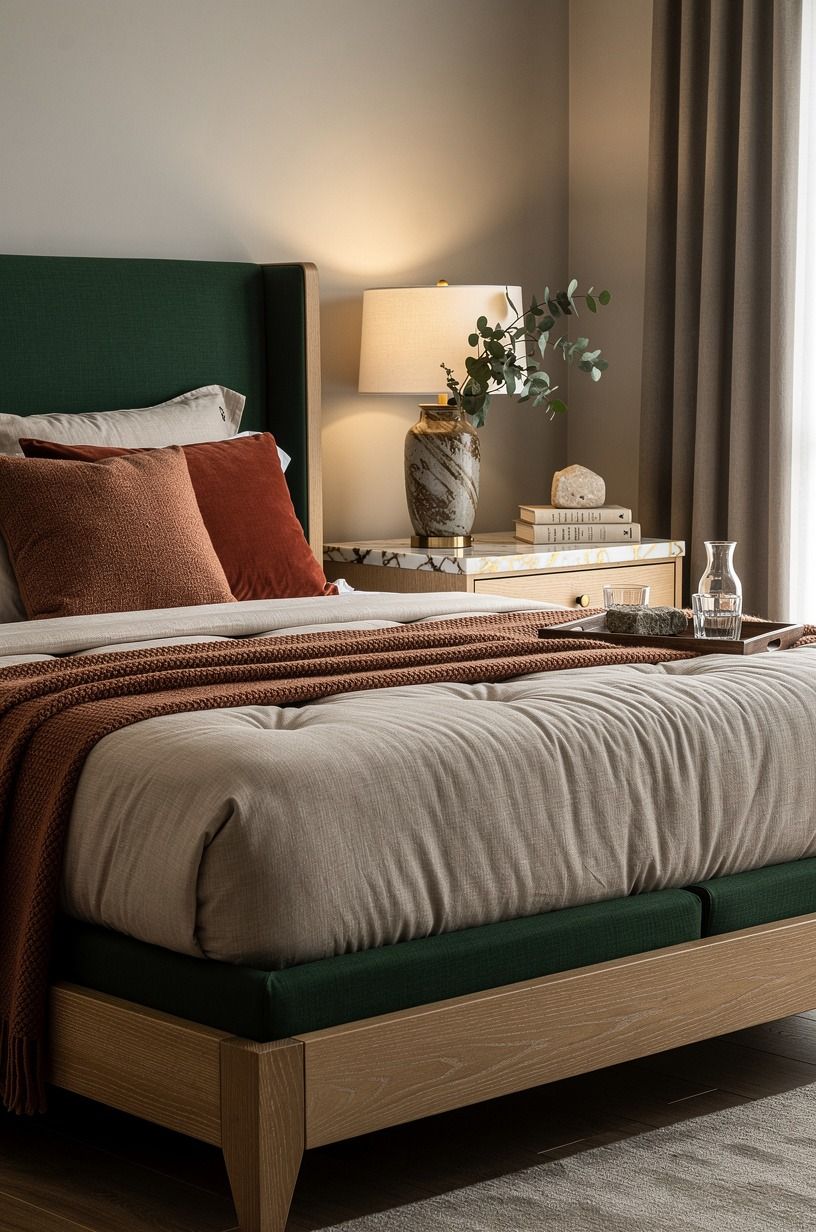
My mattress had begun holding heat in a way I couldn’t ignore. I’d lie down tired, then feel strangely alert because the bed itself seemed to stay warm beneath me. I hated that sensation.
I went back and forth for weeks before choosing the Saatva Latex Hybrid. I wasn’t sure a mattress change was worth the disruption, especially when I was trying to keep the room refresh grounded in a realistic budget. But I’d pick latex over dense foam for my own bed every time because I prefer the springier feel and I don’t like sinking into a warm pocket overnight.
The difference wasn’t magical. It was physical.
I felt more supported, and the surface didn’t seem to hold onto my body heat in the same stubborn way. For anyone tracking a similar pattern, does your body temperature rise when you sleep is a sensible place to start reading.
Then I added softness without making the bed hotter
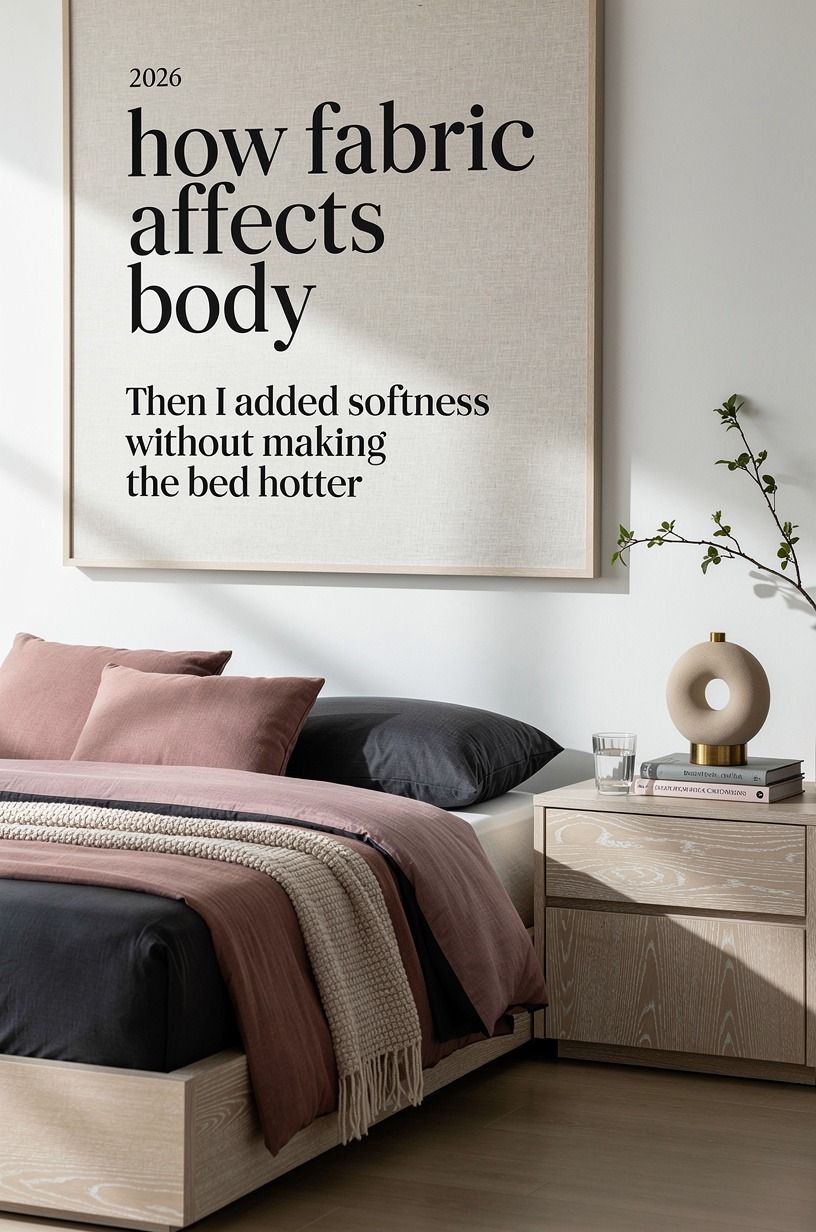
I wanted the bed to feel inviting, not stripped down and practical in a sad way. So I added an Organic Mattress Pad, mostly because I wanted a softer top layer without returning to that sealed-in feeling from my old setup.
But I made one mistake: I layered a thick quilt over it during the first cold spell. For two weeks I regretted it.
The bed felt warm at first, then too warm by dawn. I removed the extra quilt and used a lighter blanket I could fold back easily instead.
My opinion is that removable layers beat one giant insulating layer. Every time. You can adjust them in the dark without remaking the entire bed.
The Piece My Whole Bedroom Is Built Around
Natural materials, a 365-night home trial, free white glove delivery. Decide in your own room, not a showroom.
My pillow was the part I nearly ignored
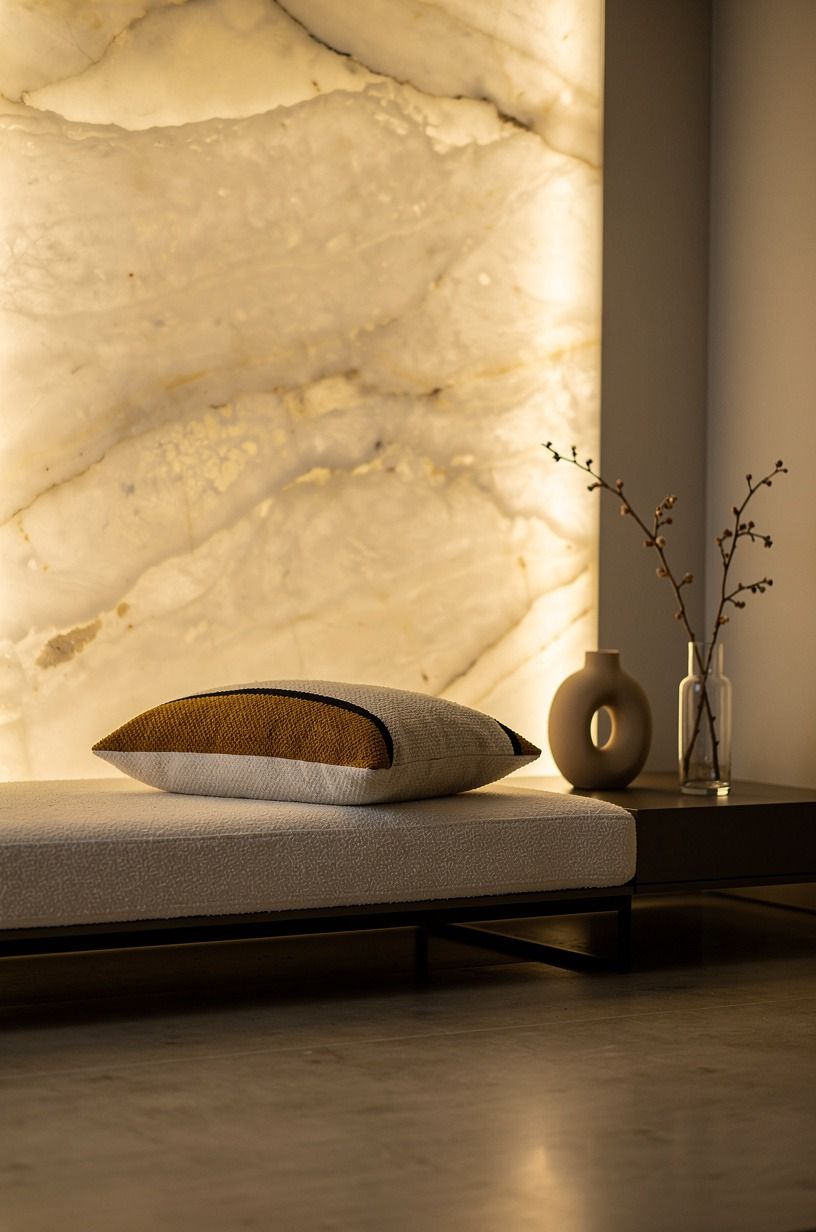
Pillows felt like a small detail until I realized my face and neck were often the warmest part of me at night. The old synthetic fill seemed to flatten, gather heat, and make me flip the pillow constantly.
I switched to an Organic Quilted Pillow and gave myself time to decide. It wasn’t an instant romance. The loft felt different, and I missed the familiar squishiness for a few nights.
And then I stopped waking to hunt for the cool side. That was enough for me.
I like a pillow with a little structure now, even if it doesn’t look as puffy in the morning. Real beds get slept in.
I changed the room around the bed, too
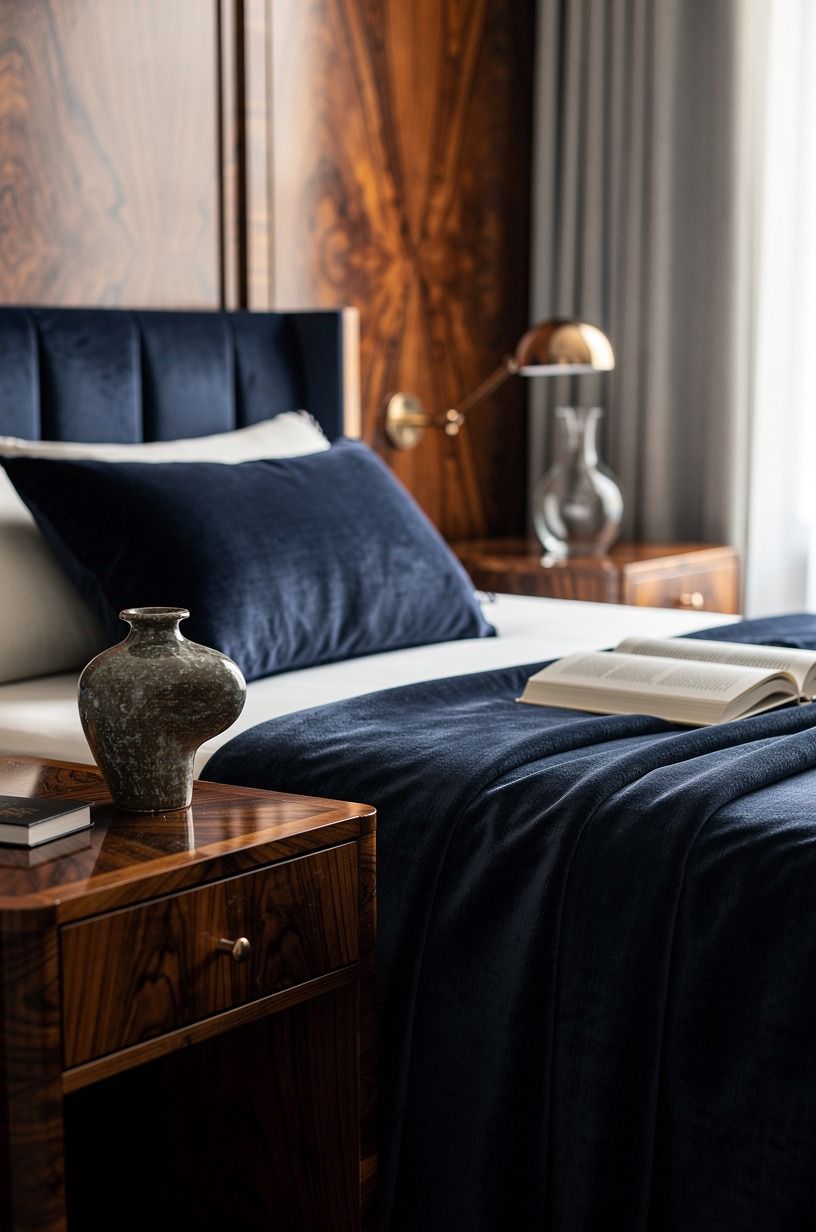
The fabrics in the room had been fighting each other. Heavy curtains. A fuzzy rug.
A thick duvet folded high at the footboard. I kept the Belgian flax linen curtains because they softened the window without making the room feel closed off, but I pulled the rod higher and let them fall to the floor.
I also painted the wall behind the bed Benjamin Moore White Dove OC-17. I know white paint can sound boring. I still think it was the right call because my bedroom gets late afternoon sun, and the warmer white made the bedding look soft instead of gray.
Three light sources helped more than I expected: the ceiling fixture, one reading lamp, and a small amber lamp near the dresser. Not for temperature, exactly.
For winding down. I found the ideal bedroom temperature naturally helpful while I was sorting the room itself from the sleep layers.
What I’d do differently next time
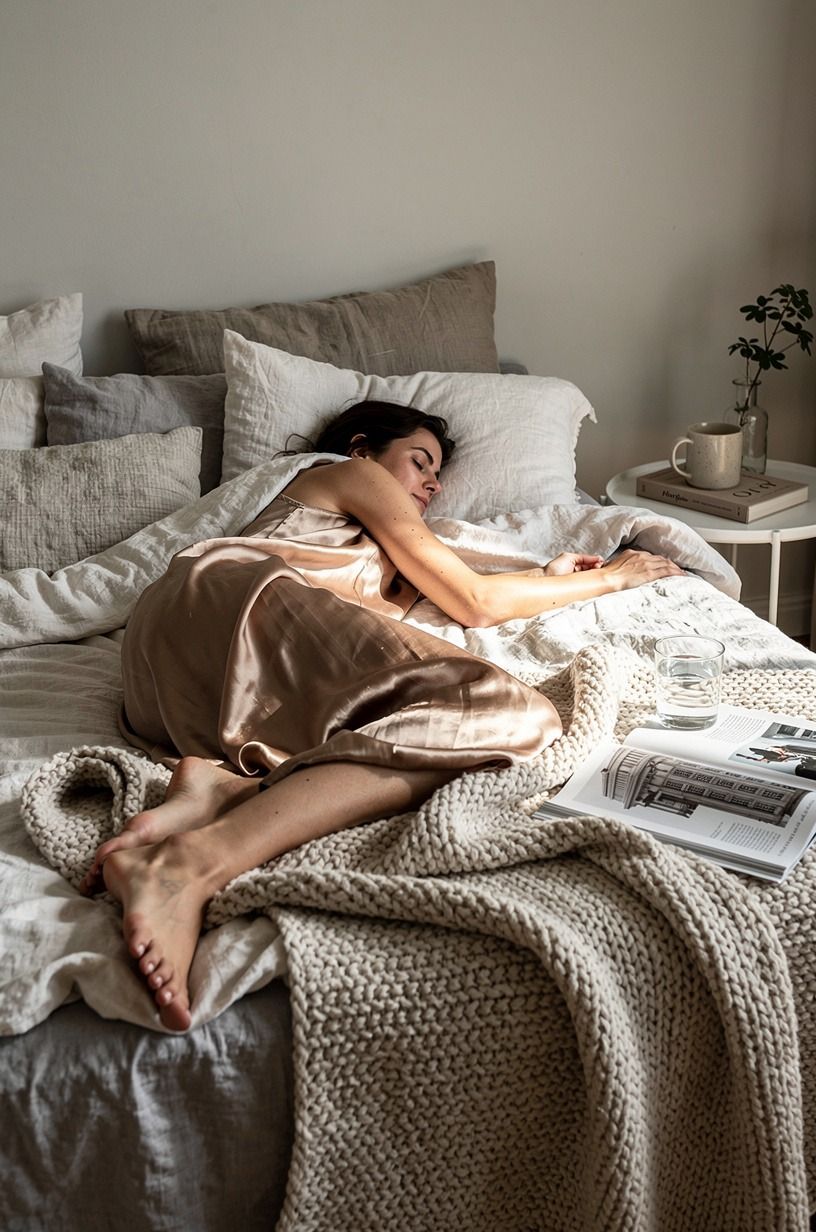
I’d buy fewer “cozy” textiles before understanding how I sleep. I spent too long trying to solve discomfort with more fabric, which is funny because fabric was part of the problem.
I’d also test a new layer for several nights before declaring it a win. One cool evening can make anything feel wonderful. A humid night tells you more.
My one real reservation is that percale can feel a little too crisp if you love a brushed, enveloping bed. I still prefer it, but I wouldn’t push it on someone who wants that soft, wrapped-up feeling. Your comfort is the point, not my opinion.
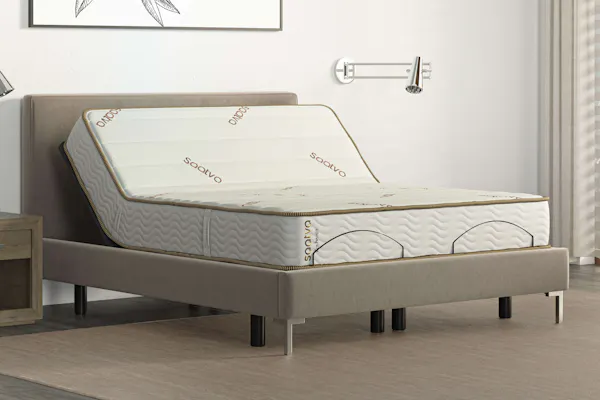 My pick for a healthier bedroomZenhavenTalalay latex, organic cotton, 365-night trial, lifetime warranty, free white glove delivery.See the Zenhaven
Build Your Own Healthier Bedroom
Sale pricing runs on orders over $1,000, and the 365-night trial gives you a full year of nights to be sure.
Where I’d start in my own bedroom again
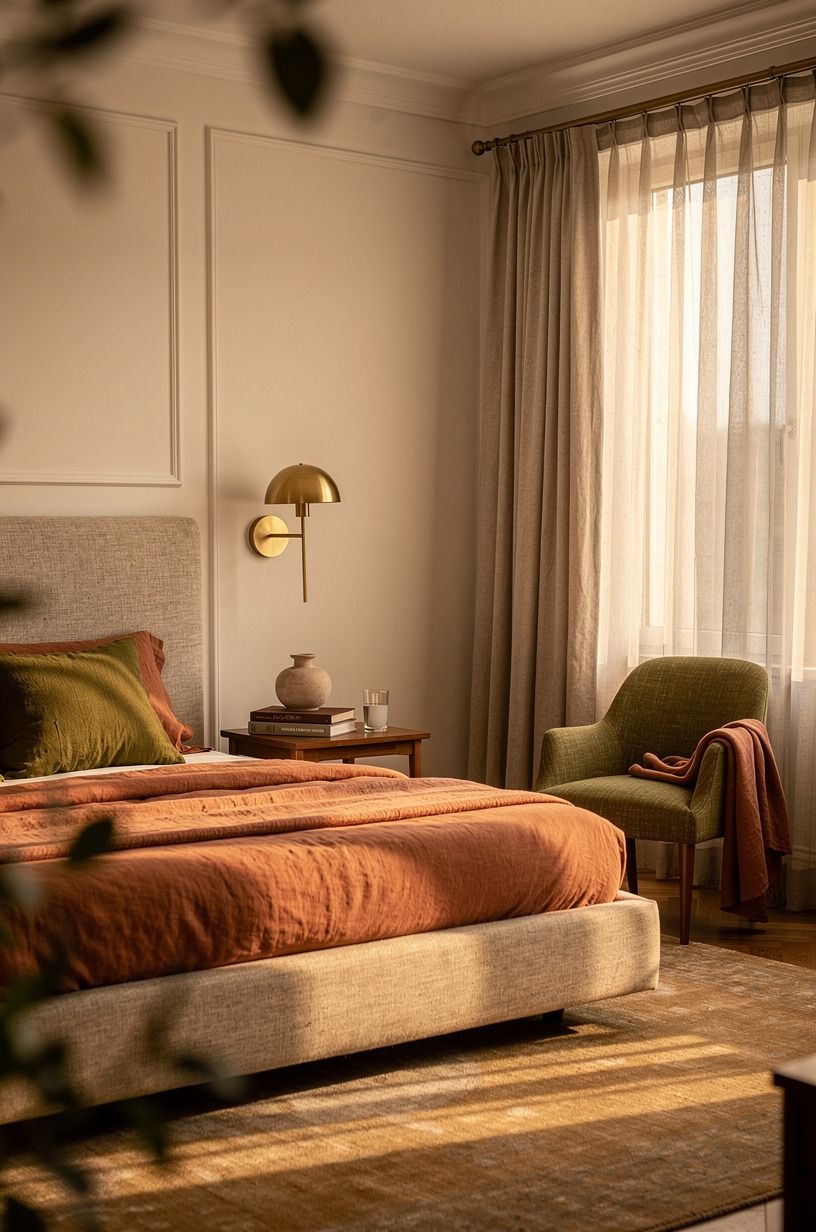
If I had to pick one, I’d start with the sheets. They’re the layer your skin notices first, and no decorative blanket can compensate for fabric that feels clammy by midnight. Now my bedroom ends with one folded light blanket, a glass of water, and the cool corner of white cotton at my feet.