 by
by My Organic Bedroom Under $3,000 (Every Item Listed) started because I was awake at 3 a.m., annoyed by a room that looked calm in photos but felt wrong in real life. The mattress had that plastic smell, the bedding trapped heat, and my budget didn’t leave room for a dramatic redo.
I gave myself one rule: spend under $3,000 on the parts I touched every night, then let paint, rearranging, and patience handle the rest. No showroom fantasy. Just my bedroom.
The moment I stopped pretending the old room worked
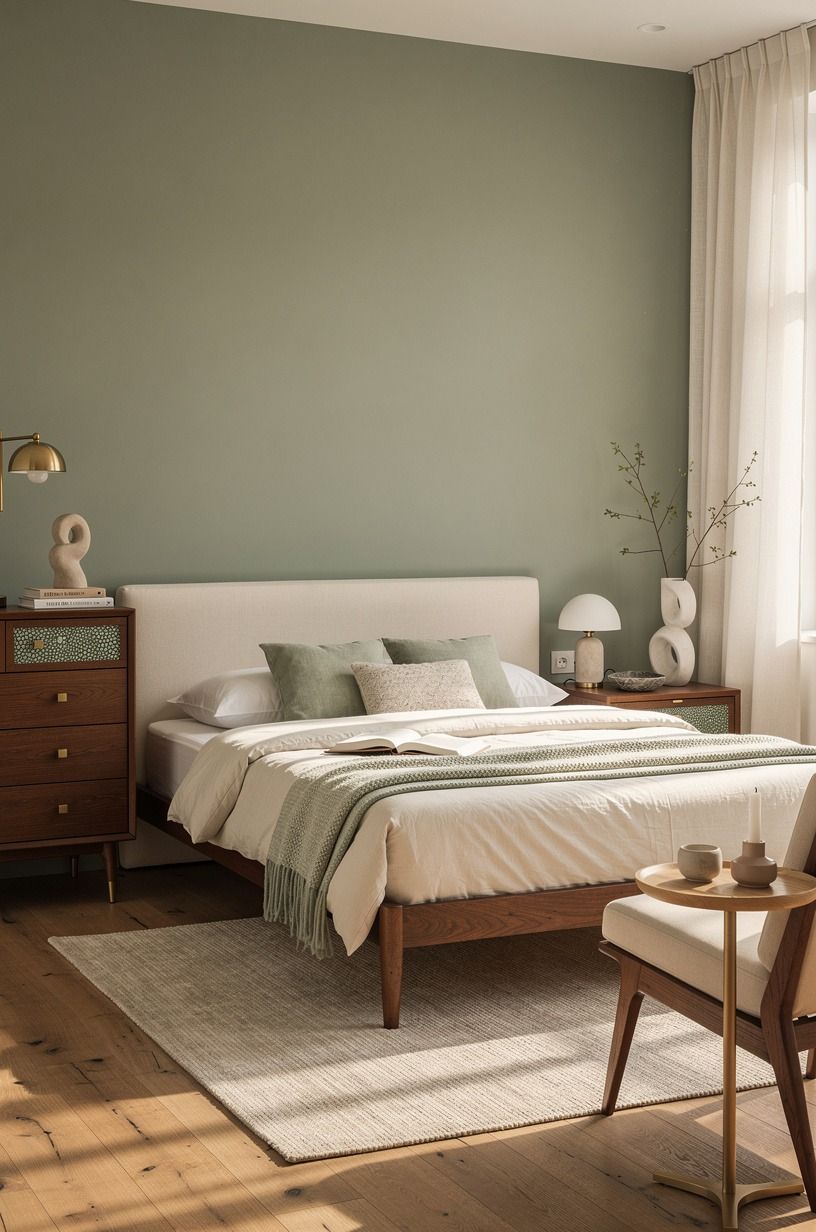
My old setup was a mishmash of hand-me-down furniture, gray sheets, and a too-small rug that made the queen bed look stranded. I’d kept telling myself it was fine because the walls were clean. They weren’t the problem.


But I noticed how quickly I left the room in the morning. I didn’t linger with coffee or make the bed with any pleasure. That mattered more to me than getting the “organic” label right on every object.
I wanted a non toxic bedroom that felt soft, warm, and a little grown-up, not like a beige catalog page. So I put most of the budget toward sleep, kept the existing frame, and stopped shopping for decorative clutter.
I cleared the visual noise before buying anything
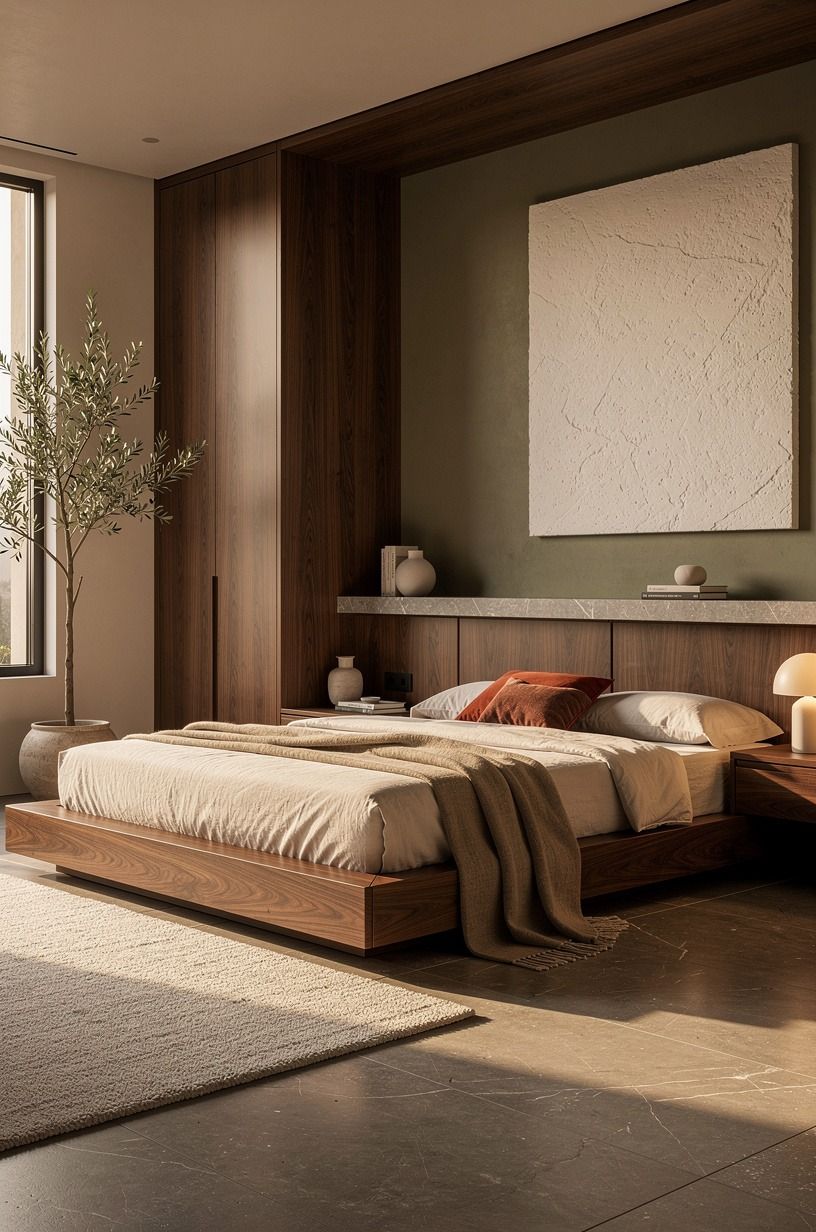
First, I moved the dresser out of the bed’s sightline and put the laundry basket inside the closet. Four feet of visible floor changed more than I expected.
Empty corners. Better air around the bed.
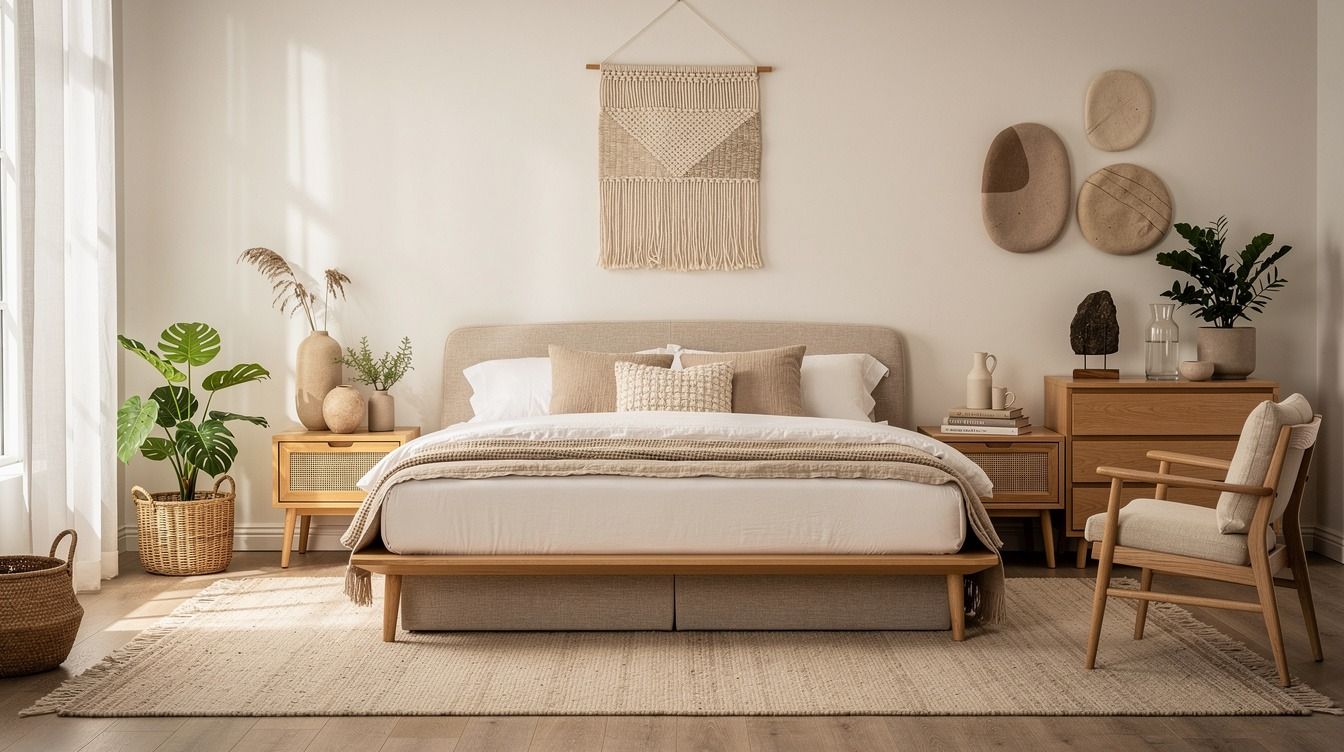
I also shifted the rug so it extended beyond the bed instead of stopping at the foot. A queen bed is 60x80 inches, and I think the rug needs to reach 18 to 24 inches past each side or it looks like an apology.
I’d skip a tiny accent rug every time. It saves money, sure, but it makes your bed feel oversized and your room feel pinched.
And I stopped trying to make every surface useful. One small ceramic lamp, a book, and my water glass were enough. For more ways to make a shared room breathe, I liked these small-bedroom setups for two.
I made the bed the investment, not the decor
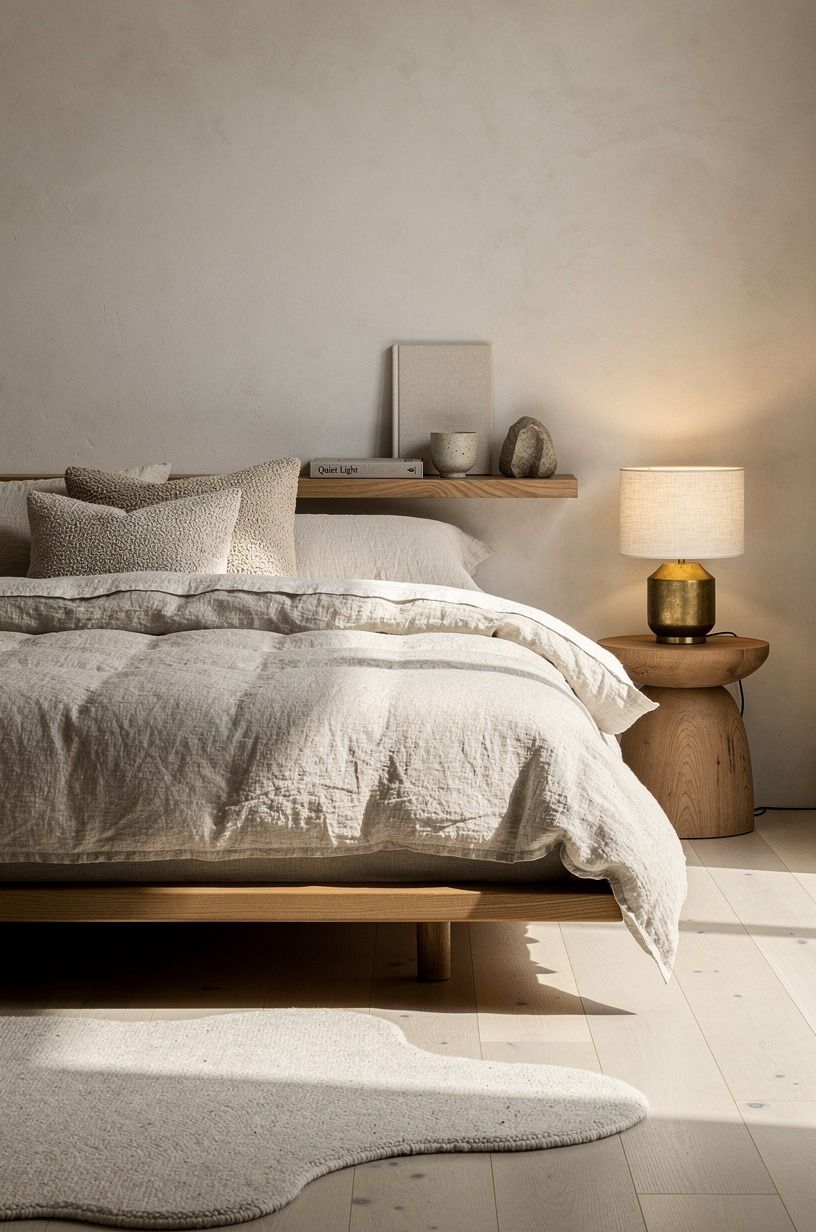
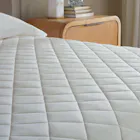
The real decision was the mattress. I chose Zenhaven because I wanted to move away from the chemical smell that had bothered me in the old bed, and it made my own sleep feel more settled. That’s my experience, not a promise for anyone else.
I wasn’t sure the Latex Mattress Topper was worth adding after that. For two weeks, I regretted it. The bed felt unfamiliar, and I worried I had made the whole thing too soft.
But my body adjusted, and I started waking without that cranky, overheated feeling. I’d still tell you to give a new sleep setup time before declaring it a mistake. The first night isn’t the verdict.
My opinion? The mattress is where I’d spend first, even if it means waiting on the art and nicer nightstands. You can’t throw a peaceful room on top of a bed you avoid.


The Piece My Whole Bedroom Is Built Around
Natural materials, a 365-night home trial, free white glove delivery. Decide in your own room, not a showroom.
I softened the room with materials I could feel
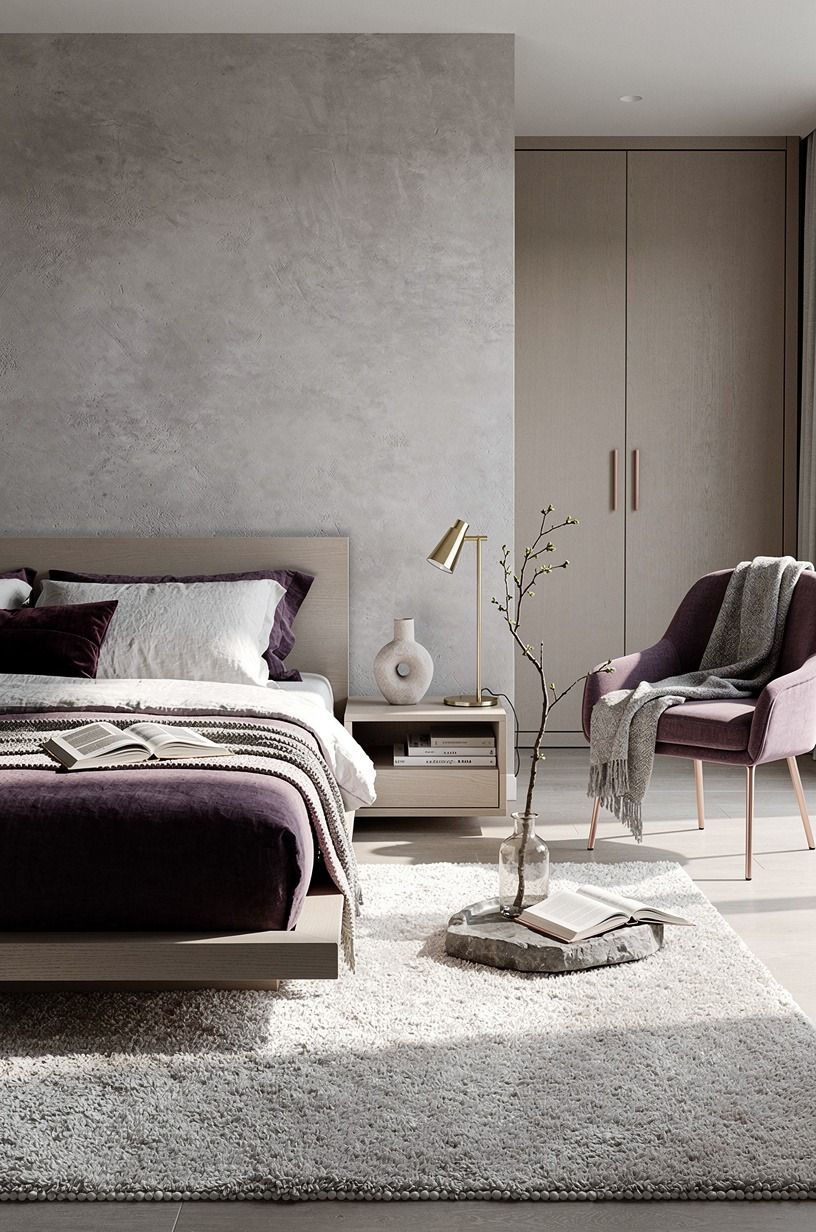
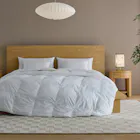
The old microfiber sheets were the first thing to go. I switched to Organic Cotton Sheets in a washed oat color, and the room immediately looked less cold without becoming overly styled. Soft fabric.
No shine.
Then I added an Organic Quilted Pillow after realizing I’d been treating pillows as an afterthought. I like a bed that looks lightly rumpled by morning, not stiff enough for a furniture store display. The quilted texture gave it that lived-in look without another decorative layer.
I chose Benjamin Moore Pale Oak OC-20 for the walls because I wanted warmth without a yellow cast. I considered Farrow & Ball Setting Plaster No. 231, and I still love it, but I think it would have pulled too pink beside my existing wood floor. That’s the kind of choice nobody can make from a tiny paint chip.
And yes, I kept one imperfect throw blanket at the foot of the bed. It’s old.
It’s slightly pilled. I like it better than anything new.
I used warm light to make the healthy bedroom feel finished
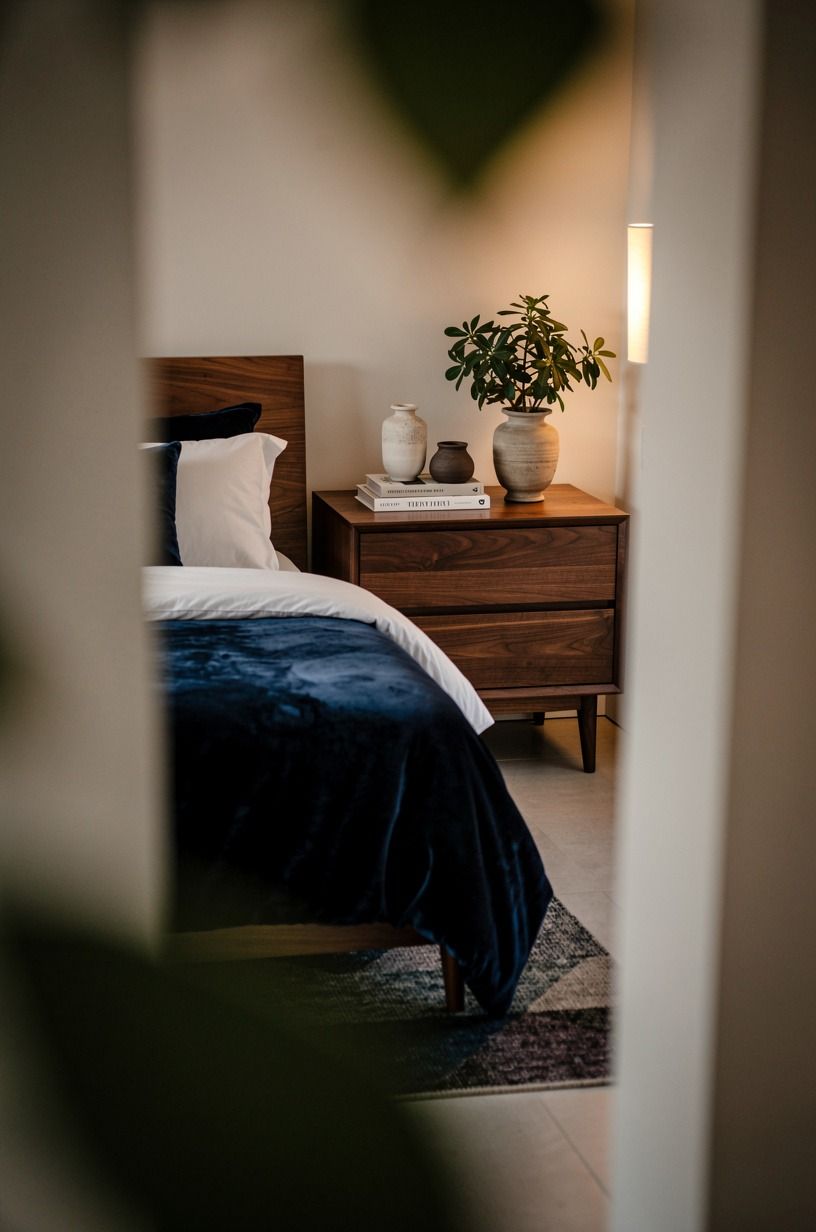
Lighting was the part I nearly ignored. Big mistake. The overhead fixture made every natural material look flat and a little sad, especially after dark.
I replaced the harsh bulb with warmer bedside light and kept both lamps low enough that I could read without lighting the whole room. The glow lands on the linen, the wood frame, and the edge of the rug. That’s what makes the space feel intimate.
I’d rather have two modest lamps than one expensive ceiling fixture. The ceiling light is useful, but it doesn’t make me want to climb into bed. And that was the point.
For a lower-cost version of this same feeling, this non-toxic bedroom makeover without a new mattress has a practical starting point. I also borrowed the earth-tone restraint from this organic cotton bedroom idea. Fewer colors.
More texture.
What I’d buy differently after living with it
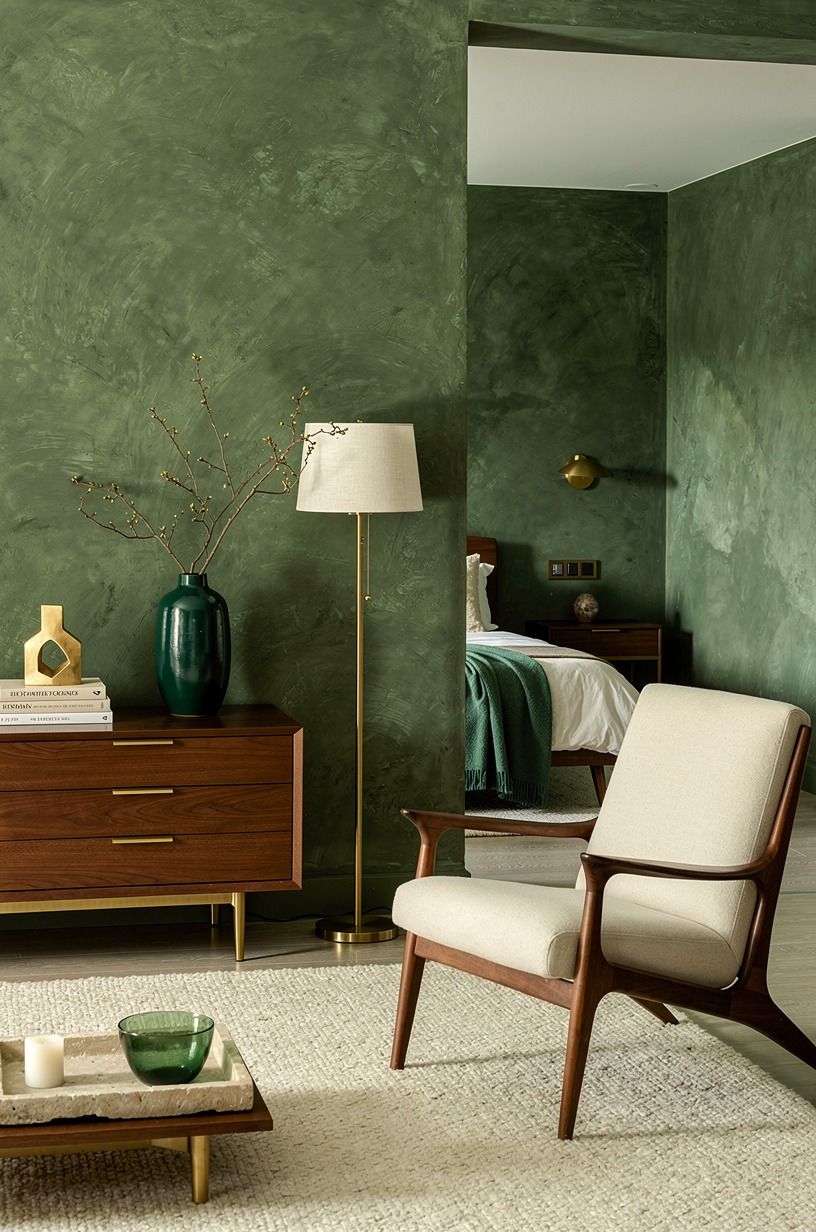
I’d buy the rug later. I rushed it because I wanted the room to look finished, and I chose something softer underfoot than it is easy to vacuum. Pretty, but mildly annoying.
I also wouldn’t buy matching nightstands again. Mine are fine, yet the symmetry feels a bit too polite for the rest of the room.
Next time, I’d use one simple wood table and one narrower vintage piece. More personality.
Less bedroom-set energy.
But I don’t regret putting the major share of my under-$3,000 budget into the bed and bedding. I think natural home decor works best when it earns its place through touch, not labels. If it doesn’t make your nightly routine better, it’s just another object asking to be dusted.
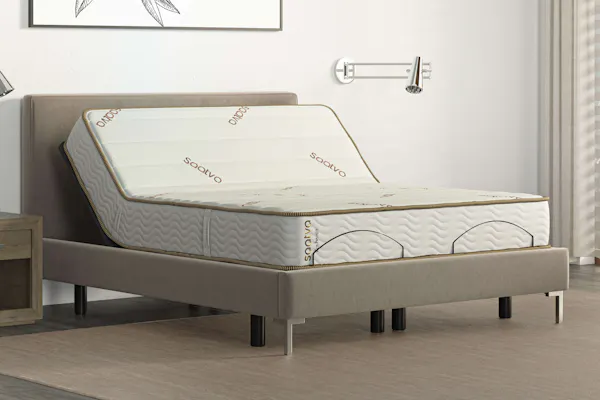 My pick for a healthier bedroomZenhavenTalalay latex, organic cotton, 365-night trial, lifetime warranty, free white glove delivery.See the Zenhaven
Build Your Own Healthier Bedroom
Sale pricing runs on orders over $1,000, and the 365-night trial gives you a full year of nights to be sure.
Where I’d start if I did it again
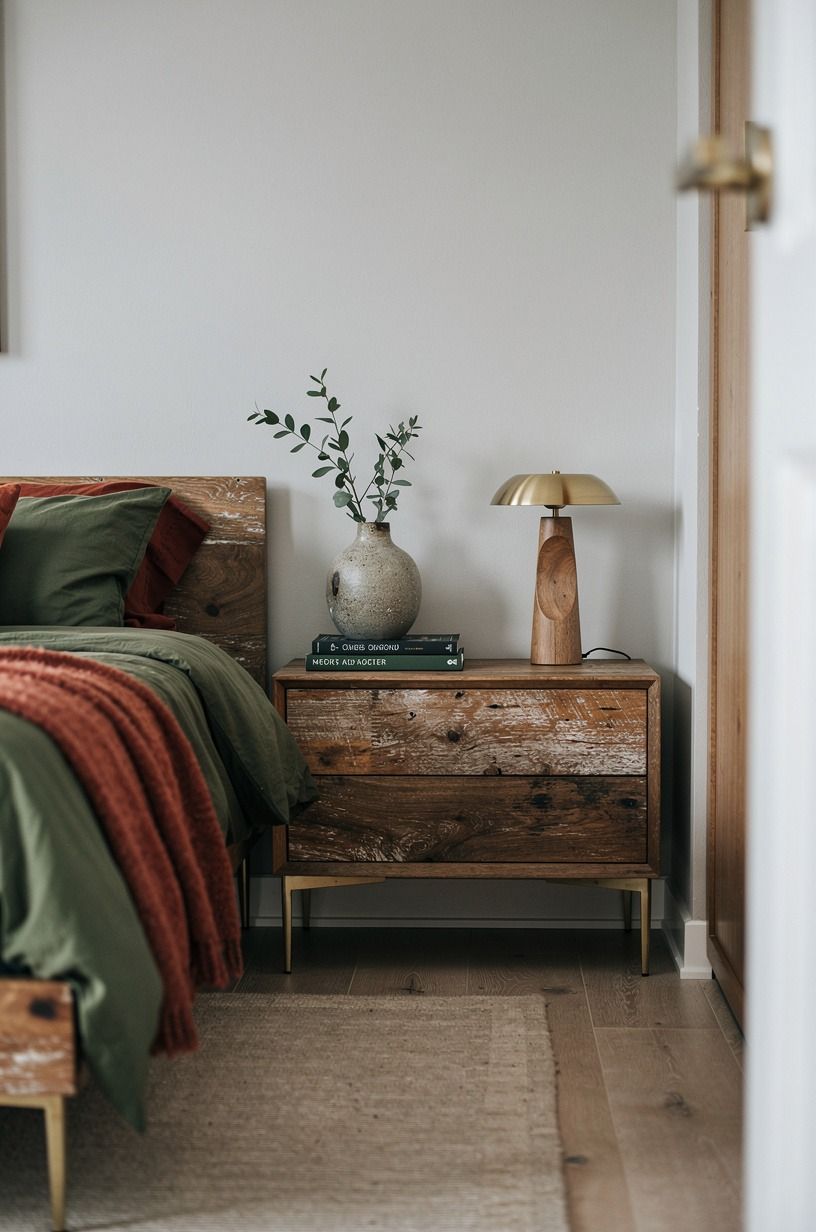
If I had to pick one, I’d start with the mattress. You can’t layer warmth over sleep that leaves you restless, and every pillow or lamp will feel like a distraction from the real problem. Now, at night, the Pale Oak wall catches the lamp glow behind my rumpled oat-colored sheets.