
 by
by 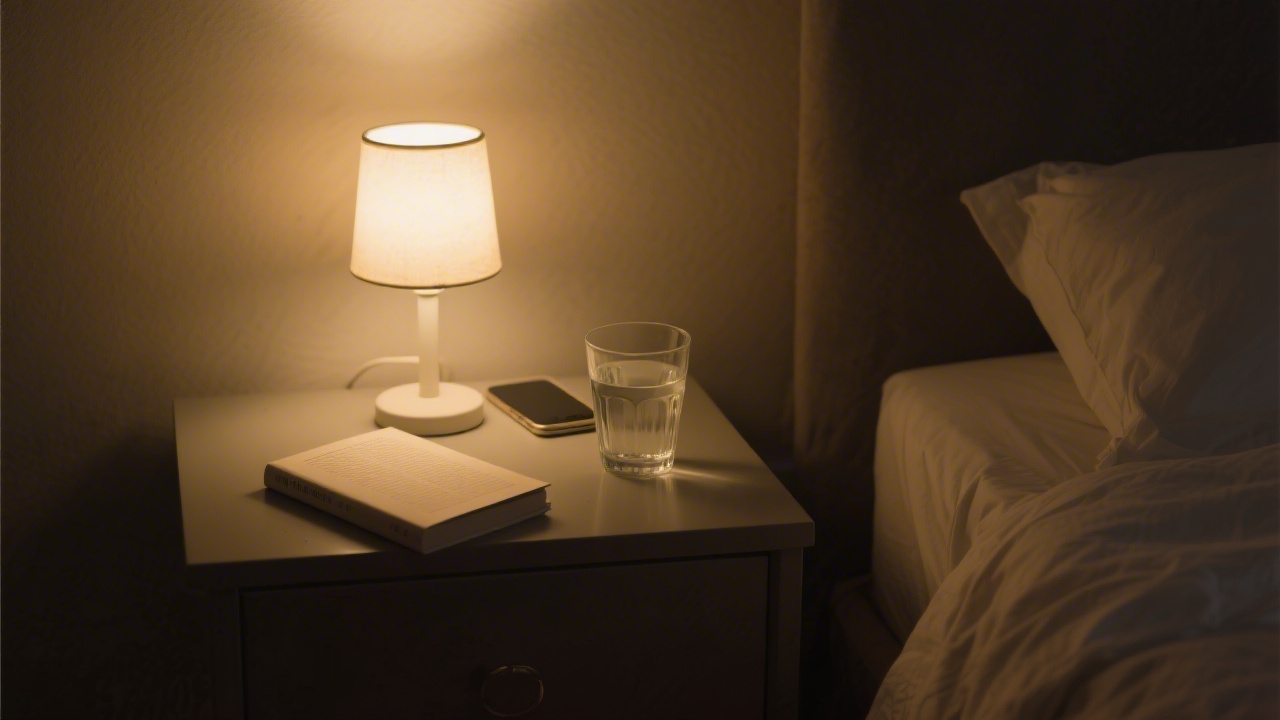
The research on phones and sleep is clear enough by now that it barely needs repeating: blue light suppresses melatonin, social media activates arousal systems, and the average person delays sleep by 16 minutes from phone use before bed.
What the research covers less frequently: what to actually do instead. For many people, the phone is not a choice — it is what fills the space where they have no alternative habit. This is the practical problem.
10 Phone Alternatives That Actually Work
1. Physical Books — Specifically Fiction
Physical books are the most researched alternative. A 2009 University of Sussex study found that reading reduced physiological stress markers by 68% within 6 minutes — faster than music, walking, or tea. The key detail: fiction works better than non-fiction before bed because it requires imaginative engagement rather than analytical processing.
2. Dedicated E-Reader (No Wi-Fi)
If you must read on a screen, an e-ink Kindle with Wi-Fi disabled is meaningfully different from a phone. E-ink has lower flicker frequency and lower blue light emission than LCD. More importantly: it does not have notifications, social media, or the browser access that enables phone spiraling.
3. Audiobooks and Podcasts (Phone Off, Speaker On)
Spoken-word content provides the cognitive anchoring that many people use phones for — something to follow that prevents racing thoughts — without the screen component. Set a sleep timer. Choose low-stakes content: fiction, history, nature documentaries. Avoid news or anything emotionally activating.
4. Physical Puzzles and Games
Jigsaw puzzles, crosswords, word games, and Sudoku provide the same low-level cognitive engagement that makes scrolling appealing — something to do with mild challenge — while requiring no screen. Many people who try puzzles before bed are surprised by how quickly they become tired.
5. Journaling
A 2018 Baylor University study found that writing a to-do list for the following day before bed reduced time to sleep onset by an average of 9 minutes. The mechanism is offloading open loops from working memory. Free-form journaling provides a similar benefit for people with anxiety-driven insomnia.
6. Progressive Muscle Relaxation
Systematically tensing and relaxing muscle groups from feet to face reduces physiological arousal and shifts attention away from rumination. Multiple RCTs support its effectiveness for insomnia. Takes 15-20 minutes and requires nothing except a quiet environment.
7. Stretching or Gentle Yoga
Light stretching activates the parasympathetic nervous system and is specifically recommended for people whose jobs involve prolonged sitting. The key is gentle, not vigorous. Yin yoga and restorative yoga are specifically designed for pre-sleep practice.
8. Conversation
For people sharing a bedroom, face-to-face conversation before sleep has the cognitive engagement of social media without the neurological downside. This sounds obvious but is genuinely underused as a sleep strategy.
9. Breathing Protocols
4-7-8 breathing (inhale 4 counts, hold 7, exhale 8) activates the vagal brake and reduces heart rate variability in a way that promotes sleep onset. Box breathing (4-4-4-4) is simpler and easier to maintain. Both require no equipment and have research support for anxiety-related sleep onset delay.
10. Standalone Alarm Clock
This one is not an activity — it is a structural change. Moving your phone charger out of the bedroom and replacing it with a $12 alarm clock eliminates the primary excuse for phone presence in the bedroom. Sleep researchers consistently cite this as the highest-leverage single change for phone-related sleep problems.
Pros and Cons
What We Like
- Luxury innerspring with excellent lumbar support
- Multiple firmness options available
- Free white-glove delivery and mattress removal
- 365-night trial and lifetime warranty
What Could Be Better
- Higher price than many online brands
- Heavier than foam mattresses
- Not compressed in a box
- Some off-gassing possible initially
Making the Switch
Most people who try to stop phone use before bed fail on the first attempt because they rely on willpower in a moment of low resistance. The effective approach is environmental design: phone charger in another room, physical book or puzzle on the nightstand, alarm clock acquired and set up before attempting the behavior change.
Your mattress and bedroom environment support this. A bedroom you want to be in — dark, cool, comfortable — reduces the psychological pull back to the phone.
Find the Right Saatva Mattress for Your Sleep Environment
Frequently Asked Questions
Why is it hard to sleep without your phone?
Phone use before bed activates multiple neurological systems simultaneously: dopamine reward circuits (notifications, social feedback), blue light melatonin suppression, and the vigilance system associated with FOMO and unread messages. Each mechanism independently delays sleep. Together, they create a powerful behavioral pull that simple willpower struggles to overcome.
How long before bed should you stop using your phone?
Most sleep researchers recommend stopping phone use 30-60 minutes before bed. Blue light's melatonin-suppressing effect peaks around 30 minutes of exposure, so a 30-minute cutoff catches most of the physiological effect. The psychological disengagement from social media and news may take longer.
Does Night Mode on iPhone actually help?
Night Shift and similar modes reduce some blue light emission, but research on their effectiveness is mixed. A 2021 University of Oxford study found that Night Mode did not significantly improve sleep compared to using a normal screen. The psychological stimulation component of phone use is not addressed by color temperature filters.
What can I read instead of scrolling before bed?
Physical books are well-supported by research — a 2009 University of Sussex study found reading reduced stress by 68% in 6 minutes. For topic selection before bed, avoid material that triggers anxiety or strong emotions. Fiction, light non-fiction, and magazines work better than news or work-related reading.
What if I use my phone as an alarm?
A standalone alarm clock eliminates the only genuinely functional reason for a phone in the bedroom. Basic alarm clocks cost under $15. This single change removes the main excuse for phone presence in the bedroom and is cited in behavioral research as a high-leverage sleep hygiene intervention.
Voted best luxury innerspring mattress with exceptional lumbar support and white-glove delivery.
Check Price & Availability FAQPage", "mainEntity": [ { "@type": "Question", "name": "Why is it hard to sleep without your phone?", "acceptedAnswer": { "@type": "Answer", "text": "Phone use before bed activates multiple neurological systems simultaneously: dopamine reward circuits (notifications, social feedback), blue light melatonin suppression, and the vigilance system associated with FOMO and unread messages. Each mechanism independently delays sleep. Together, they create a powerful behavioral pull that simple willpower struggles to overcome." } }, { "@type": "Question", "name": "How long before bed should you stop using your phone?", "acceptedAnswer": { "@type": "Answer", "text": "Most sleep researchers recommend stopping phone use 30-60 minutes before bed. Blue light's melatonin-suppressing effect peaks around 30 minutes of exposure, so a 30-minute cutoff catches most of the physiological effect. The psychological disengagement from social media and news may take longer." } }, { "@type": "Question", "name": "Does Night Mode on iPhone actually help?", "acceptedAnswer": { "@type": "Answer", "text": "Night Shift and similar modes reduce some blue light emission, but research on their effectiveness is mixed. A 2021 University of Oxford study found that Night Mode did not significantly improve sleep compared to using a normal screen. The psychological stimulation component of phone use is not addressed by color temperature filters." } }, { "@type": "Question", "name": "What can I read instead of scrolling before bed?", "acceptedAnswer": { "@type": "Answer", "text": "Physical books are well-supported by research — a 2009 University of Sussex study found reading reduced stress by 68% in 6 minutes. For topic selection before bed, avoid material that triggers anxiety or strong emotions. Fiction, light non-fiction, and magazines work better than news or work-related reading." } }, { "@type": "Question", "name": "What if I use my phone as an alarm?", "acceptedAnswer": { "@type": "Answer", "text": "A standalone alarm clock eliminates the only genuinely functional reason for a phone in the bedroom. Basic alarm clocks cost under $15. This single change removes the main excuse for phone presence in the bedroom and is cited in behavioral research as a high-leverage sleep hygiene intervention." } } ] }Summary
The research on phones and sleep is settled. The practical problem is behavioral: what fills the space. The 10 alternatives here are ranked roughly by research support and accessibility. Physical books, audiobooks, breathing techniques, and journaling consistently outperform phone use for sleep onset and sleep quality. Environmental changes — alarm clock, charger out of bedroom — outperform willpower for making the switch.
See Our Best Mattress Recommendations
See also: What Is Sleep Hygiene? | Is Sleeping With the TV On Bad? | How to Fall Asleep Fast