
 by
by
Editor's pick, melatonin-free
NooCube Sleep Upgrade
Melatonin-free formula · 60-night guarantee · Lemon balm 600 mg + magnesium + lavender
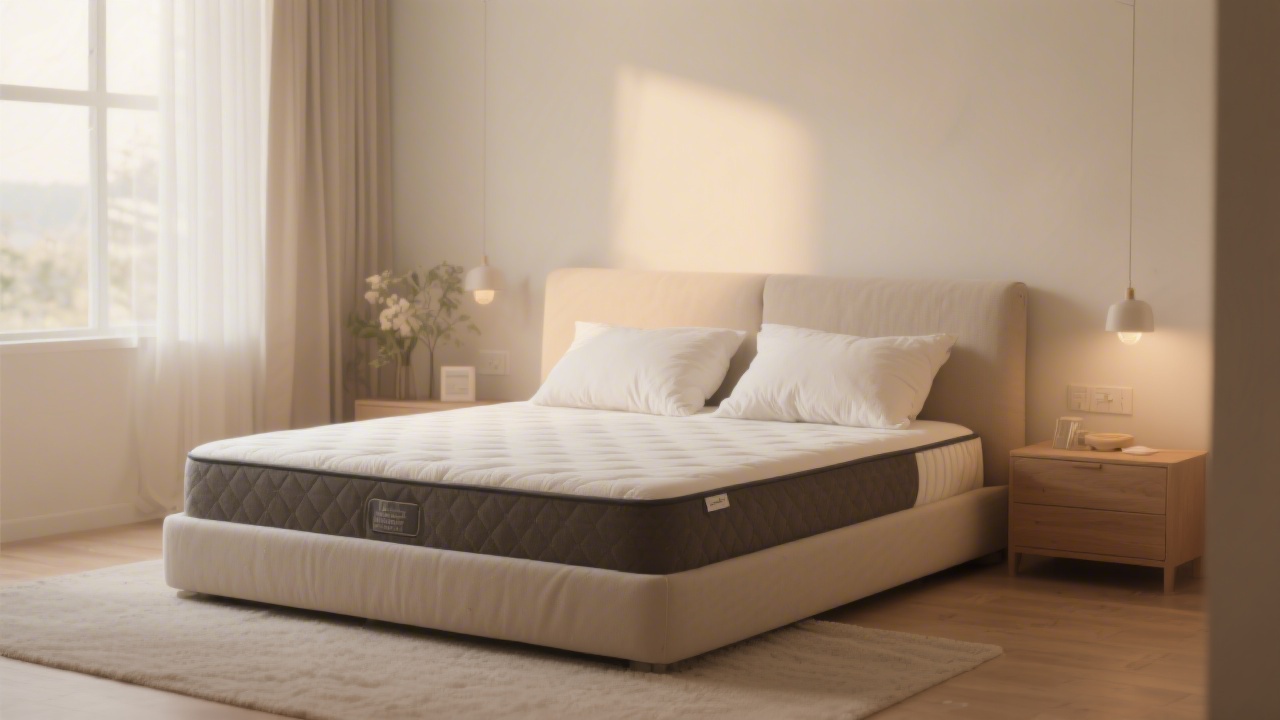
Our Top Pick
TL;DR
Mattress selection for specific conditions (back pain, side sleeping, couples, hot sleepers, seniors) depends on support zones, firmness, and pressure relief. Saatva Rx ($2,095) is designed specifically for chronic pain sleepers with lumbar zone support.
Jump to section
- Understanding Sciatica Sleep Pain
- Best Sleep Positions for Sciatica
- Positions to Avoid with Sciatica
- Mattress Features That Help Sciatica Sleep
- Non-Mattress Factors in Sciatica Sleep
- MATTRESSES FOR PAIN RELIEF
→ Best for Back Pain
→ Best for Hip Pain
→ Best for Shoulder Pain
→ Best for Neck Pain
→ Best for Arthritis
Saatva Classic - Luxury innerspring hybrid. Multiple firmness options. 365-night trial. White-glove delivery.
Sciatica - irritation or compression of the sciatic nerve, which runs from the lumbar spine through the buttock and down the leg - can make sleep genuinely difficult. The nerve's path through the piriformis muscle and down the posterior thigh means that certain sleep positions place direct pressure on the inflamed nerve, while others actively relieve compression.
This guide focuses on how to sleep with sciatica: position mechanics, pillow placement, and what to look for in a mattress that supports sciatica-friendly positions. For mattress-specific comparisons, see our companion best mattress for sciatica guide.
Understanding Sciatica Sleep Pain
Sciatic pain typically originates from one of two causes: disc herniation at L4-L5 or L5-S1 compressing the nerve root (most common), or piriformis syndrome where the piriformis muscle irritates the sciatic nerve as it passes through or beneath it.
Disc-origin sciatica: Positions that flex the lumbar spine or reduce disc pressure (side sleeping, knees elevated) usually help. Extension positions (stomach sleeping, flat back sleeping) worsen symptoms.
Piriformis-origin sciatica: Hip rotation and stretching can help or hurt depending on the direction. Avoid external hip rotation on the affected side. Side sleeping on the unaffected side often works better.
Best Sleep Positions for Sciatica
🔗 Deeper reading: Best mattress for sciatica 2026, our full 2026 roundup with detailed picks, firmness guidance, and current pricing.
Side Sleeping on the Unaffected Side
The most consistently effective position for most sciatica patients. Sleeping on the side opposite the sciatica prevents the affected hip from compressing the sciatic nerve against the mattress, and slightly opens the foraminal space on the affected side at the lumbar level.
Pillow setup: Place a firm pillow between the knees to prevent hip drop/rotation. The goal is keeping the pelvis neutral - if the top knee drops toward the mattress, it creates internal hip rotation that can aggravate the piriformis. A thicker pillow (4-6 inches) works better than a thin pillow for this purpose. Some patients also benefit from a small rolled towel under the waist to fill the lateral lumbar gap.
Back Sleeping with Elevated Knees
For disc-origin sciatica specifically, improving the knees with a large pillow or wedge creates lumbar flexion that reduces disc pressure on the nerve root. The amount of elevation needed varies - experiment from a small pillow to a full 30-45 degree wedge elevation to find where symptoms are minimized.
Pillow setup: Stack pillows under the knees to achieve the right angle. Alternatively, an adjustable bed base with articulating legs provides consistent positioning without pillow repositioning throughout the night. Keep a pillow under the head but avoid high, stiff pillows that flex the cervical spine.
Fetal Position (Side)
Curling slightly forward in fetal position opens the intervertebral foramina (where nerve roots exit the spine), which directly reduces compression on the sciatic nerve root. This position works particularly well for people who find back sleeping uncomfortable even with elevated knees.
Pillow setup: Same as side sleeping - pillow between knees to prevent rotation. Consider a body pillow that can be gripped and placed between the knees while maintaining the fetal position.
Positions to Avoid with Sciatica
Stomach sleeping: Creates lumbar extension and direct piriformis compression. Avoid completely during active sciatica episodes.
Flat back sleeping without knee support: The flat supine position with straight legs creates mild lumbar extension. Fine for some people, but for disc-origin sciatica it reduces foraminal opening. The fix (elevated knees) is simple but important.
Sleeping on the affected side: Compresses the piriformis on the affected side and can place direct pressure on the sciatic nerve pathway. Typically worsens symptoms.
Mattress Features That Help Sciatica Sleep
Medium-firm support: Prevents the lumbar spine from sagging into extension while sleeping on your side. Sagging creates lumbar extension and increased disc pressure that aggravates nerve root compression.
Adequate hip sinkage: In side sleeping, the hip needs to sink enough to keep the lumbar spine neutral (not laterally bent). A mattress too firm for your body weight prevents this, creating lateral spinal bend and rotation that can worsen sciatica.
Good edge support: Sciatica pain can make getting in and out of bed difficult. A mattress with strong edge support helps with the controlled rising motion that avoids sudden lumbar loading. See our chronic pain mattress guide for more detail on edge support for mobility.
Non-Mattress Factors in Sciatica Sleep
Saatva Rx
Designed for chronic pain · Doctor-approved · Lumbar zone · 365-night trial · Lifetime warranty. Saatva is one of the few mattress brands to pair a multi-hundred-night home trial with a lifetime-scale warranty.
- Price: From $2,095 (Twin)
- Free white-glove delivery & old-mattress removal (US)
- 365-night home trial on mattresses
- ID.me discount for military, veterans, first responders, teachers, seniors
- Lemon balm 600mg + lavender extract for calm
- Magnesium citrate + calcium + vitamin D3 for sleep architecture
- No habit-forming ingredients, no morning grogginess
- 60-day money-back guarantee, GMP-certified USA manufacturing
- GREENGUARD Gold certified construction
NooCube Sleep Upgrade
A melatonin-free sleep supplement that works with your body instead of replacing hormones. Clinical testing (DBEM) showed 35% faster sleep onset and 28% higher sleep score on Oura/Whoop over 30 nights.
Disclosure: we may earn a commission from this link at no extra cost to you.
Disclosure: we may earn a commission from this link at no extra cost to you.
Frequently asked questions
Our top pick for this condition
Saatva Rx
Built specifically for nerve-pain sleepers. Lumbar pad foam keeps L4-L5 neutral overnight. Queen $3,295.
What kind of mattress relieves sciatic nerve pain?
Sciatica is compression or irritation of the L4-S1 nerve roots. A mattress that keeps the lumbar spine neutral, not sagged, not arched, is what reduces night-time flare-ups. The Saatva Rx was specifically engineered for joint and nerve-pain sleepers with a lumbar pad foam zone. Saatva Classic Luxury Firm is the budget alternative.
Is sleeping on the floor actually good for sciatica?
No, it removes the cushioning the hips need and usually worsens pain past 2-3 nights. A medium-firm supportive mattress outperforms the floor in every orthopedic study we've seen.
What sleep position is best with sciatica?
Side-lying with a pillow between the knees, sciatica-affected side up. This opens the piriformis and takes pressure off the sciatic nerve. Back sleepers should put a pillow under the knees to maintain a slight lumbar curve.
Bed height: Getting in and out of bed with sciatica is easier from a higher surface. If your bed is very low, a mattress with a thicker profile helps.
Heat application: A low-heat heating pad on the lumbar and buttock before bed can reduce sciatic nerve irritation and muscle spasm that worsens sleep-onset. Use for 15-20 minutes, not overnight.
Stretching before bed: The supine piriformis stretch (figure-4 position) and knee-to-chest stretch before lying down can reduce nerve tension that accumulates through the day. See our mattress guide for context on how mattress age factors into back and nerve pain.
Our Top Pick
Saatva Classic - Luxury innerspring hybrid. Multiple firmness options. 365-night trial. White-glove delivery.
MATTRESSES FOR PAIN RELIEF
MATTRESSES FOR PAIN RELIEF
Frequently Asked Questions
What is the best sleeping position for sciatica?
Side sleeping on the unaffected side with a firm pillow between the knees is the most consistently effective position for sciatica relief. This prevents compression on the affected side while keeping the pelvis neutral to avoid piriformis aggravation. Back sleeping with elevated knees is also effective, particularly for disc-origin sciatica.
Should I sleep on a firm or soft mattress with sciatica?
Medium-firm is the most widely effective for sciatica. Firm enough to prevent lumbar sagging (which increases disc pressure on the nerve root), but soft enough to allow hip sinkage in side sleeping that keeps the lumbar spine aligned. Extremely firm mattresses worsen sciatica in side sleepers by preventing adequate hip sinkage.
Why does sciatica hurt more at night?
Several factors: inflammatory processes peak during rest, when daytime movement can no longer provide temporary relief through nerve mobilization. Sustained positions during sleep cause pressure accumulation in ways that walking interrupts. Poor sleep position can compress the nerve directly or maintain disc pressure that would be relieved by movement. The absence of distraction also allows pain signals that are partially masked during the day to become more noticeable.
Does a pillow between the knees help sciatica?
Yes, significantly for side sleepers. A pillow between the knees prevents the top hip from dropping toward the mattress, which would create internal hip rotation and increased piriformis tension on the affected side. The pillow should be thick enough (4-6 inches) to keep the knees roughly parallel, not just touching.
Can sciatica go away with better sleep positioning?
Sleep positioning alone rarely resolves the underlying cause of sciatica (disc herniation or piriformis syndrome), but it can significantly reduce nightly symptom aggravation, which improves overall recovery. Poor sleep positioning can prolong sciatica by repeatedly irritating the nerve during the 7-8 hours when the body should be recovering.
★ #1 RATED MATTRESS 2026
Struggling With Pain? The Saatva Classic Has Targeted Lumbar Support
✓ 365-Night Trial · ✓ Free White Glove Delivery · ✓ Lifetime Warranty