
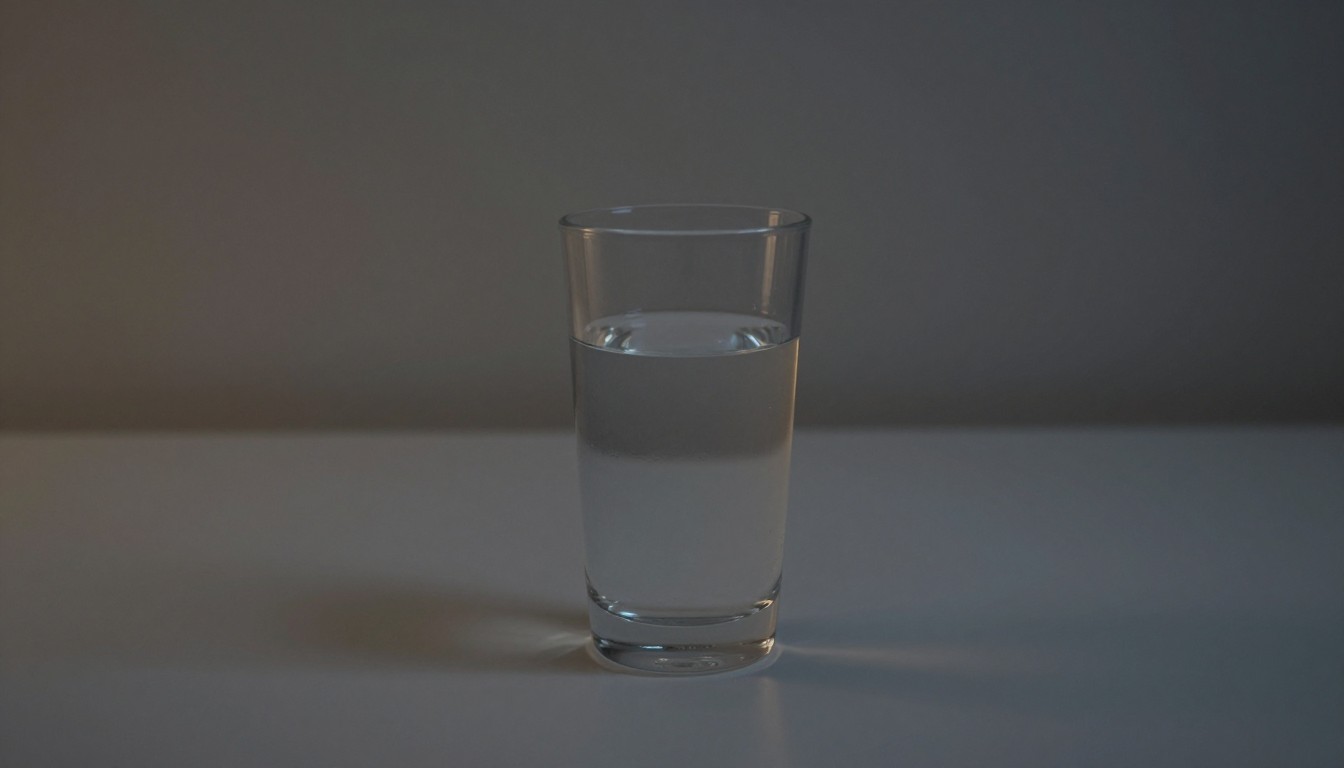
 by
by Quick answer: A little water before bedtime is reasonable if you’re thirsty. A large drink right before sleep may cause bathroom trips and broken sleep, so timing matters more than a blanket rule.
- Sleep Foundation says drinking water immediately before bed may disrupt sleep rather than improve it.
- Verywell Health identifies nighttime bathroom use as a potential downside of drinking water right before bed.
- Verywell Health says drinking less may reduce the downsides while still maintaining hydration.
Updated July 2026 · Reviewed for accuracy
My take is simple: drink if you’re genuinely thirsty, but don’t force down a large glass just because bedtime has arrived. The useful question isn’t whether water is universally good or bad at night. It’s whether the amount and timing interfere with your sleep.
Is drinking water before bedtime good or bad?
A drink at lights-out creates a straightforward tradeoff. It can address immediate thirst, but it can also make a nighttime bathroom trip more likely. Whether it’s “good” depends on which side of that tradeoff affects you most.
Sleep Foundation’s guidance warns that drinking water before bed may be more disruptive to sleep than helpful. Verywell Health makes a similar point, identifying nighttime bathroom use as a downside and suggesting that drinking less may reduce the problem.
That doesn’t make all bedtime water a bad habit. A few sips when you’re thirsty aren’t the same as finishing a large bottle immediately before lying down. I’d judge the habit by what happens afterward: do you settle comfortably, or do you wake earlier than you otherwise would?
The Nut’s take: Don’t treat hydration as a task you must complete at the bedside. Drink naturally through the evening, then use a small bedtime drink only to answer actual thirst.
The clearest warning sign is a repeatable pattern. If larger late drinks are followed by unwanted bathroom trips, the timing isn’t working for you. If a modest sip settles your thirst without disturbing sleep, there’s little reason to turn it into a problem.
Why timing matters more than a rigid rule
Water swallowed at the sink just before lights-out leaves almost no awake time before sleep. That makes it different from drinking earlier in the evening, when you’re still moving through your normal routine.
Sleep Foundation focuses on the possibility that water consumed before bed can interrupt sleep. The practical response isn’t to avoid water for the entire evening. It’s to move most of your drinking earlier and leave less for the final moments before bed.
I’d start with timing before making any dramatic change. If you regularly arrive at bedtime very thirsty, consider whether you simply forgot to drink earlier. Shifting the habit forward is usually more sensible than ignoring thirst or compensating with a large last-minute drink.
| Bedtime situation | Practical response | Reasoning |
|---|---|---|
| You’re noticeably thirsty | Have a modest drink | It addresses thirst without automatically turning bedtime into a major drinking session. |
| You aren’t thirsty but drink from habit | Skip the full glass or take only a sip | There’s no need to force a drink that may later interrupt sleep. |
| Late drinks regularly lead to bathroom trips | Drink earlier and reduce the bedtime amount | This follows Verywell Health’s suggestion that drinking less can reduce nighttime downsides. |
| You wake even after only a small sip | Look beyond water alone | The drink may not be the main reason your sleep is being interrupted. |
A strict cutoff can sound tidy, but the cited articles don’t support one universal bedtime schedule. Your own pattern is more useful. Change the timing, keep everything else steady where practical, and see whether the unwanted wake-up pattern changes.
How much water should you drink before bed?
Neither cited article supports one universal bedtime amount. That’s why I wouldn’t give an arbitrary glass size or insist that everyone stop drinking at the same point in the evening.
Use thirst and sleep disruption as your boundaries. If your mouth feels comfortable and you aren’t thirsty, there’s no clear reason to force a full drink. If you are thirsty, start with a modest amount rather than treating the bedside glass as something that must be emptied.
Verywell Health specifically says the downsides of drinking right before bed may be reduced by drinking less while still maintaining hydration. That supports a restrained approach, not complete avoidance. The goal is to answer thirst without creating a predictable reason to get out of bed.
Use the smallest useful adjustment:
- If you aren’t thirsty, don’t drink simply because it’s part of a bedtime ritual.
- If you want only a sip, stop after the sip rather than finishing the container automatically.
- If you’re very thirsty most nights, move more of your normal drinking into the earlier evening.
- If a bedside bottle encourages mindless drinking, keep a smaller serving nearby instead.
- If reducing the late amount improves sleep continuity, keep the revised routine.
A large drink can also become a learned part of the routine even when thirst isn’t driving it. Pay attention to the cue. Are you drinking because your body is asking for water, because the bottle is visible, or because you believe everyone should drink immediately before sleep?
I’d also avoid overcorrecting after one rough night. A single wake-up doesn’t establish that water caused it. Look for repetition: the same late-drinking habit, followed by the same kind of interruption, across multiple evenings.
Match the choice to your sleep pattern
Someone who sleeps through the night after a small drink has a different problem from someone who repeatedly wakes after a large one. The phrase “water before bed” covers both situations, which is why blanket advice quickly becomes unhelpful.
If thirst itself makes it harder to settle, a modest drink is the direct response. If drinking is followed by an unwanted bathroom trip, move the drink earlier or reduce the late amount. Both choices fit the evidence summarized by Sleep Foundation and Verywell Health.
If you’re already waking before you drink anything, don’t assume water is the original cause. Look at the sequence carefully. Waking first and then reaching for water is different from drinking heavily before sleep and later waking to use the bathroom.
Cause and response can get mixed up: If you wake for another reason and then take a drink, the water didn’t necessarily trigger the initial wake-up. Track what happened first before changing the habit.
The wider sleep picture matters too. A drink won’t correct an uncomfortable bed, an inconsistent routine, or another source of repeated waking. If comfort is the concern, this explanation of what makes a good mattress separates support and construction from unrelated bedtime habits.
Don’t let a minor hydration question turn into chronic sleep loss. Our guide to how long you can go without sleep before hallucinations covers the much more serious end of sleep deprivation. A persistent sleep problem deserves more attention than simply moving a water bottle.
Personal instructions also outrank general bedtime advice. If a qualified clinician has told you to manage fluids in a particular way, follow that guidance rather than a general rule from a sleep article.
A practical evening hydration routine
The simplest routine starts before the final trip to bed. Instead of waiting until lights-out to think about water, check in with your thirst during the earlier part of your evening.
Drink normally while you’re still awake and active. As bedtime approaches, take a modest drink if you’re thirsty, then stop when you feel comfortable. There’s no prize for finishing the glass.
Keep a small amount nearby if waking thirsty makes you anxious. Having water available doesn’t mean you need to drink it preemptively. It simply gives you an option if genuine thirst appears.
A low-effort routine:
- Notice thirst before your wind-down routine begins.
- Have your usual evening drink while you’re still awake for a while.
- At bedtime, drink only if you still feel thirsty.
- Choose a modest serving rather than bringing a large container to bed.
- Note whether you wake and what happened immediately before that wake-up.
- Adjust the next evening’s timing rather than cutting out water altogether.
This approach avoids both extremes. You aren’t forcing extra water at the point most likely to conflict with sleep, and you aren’t deliberately lying awake thirsty. It’s a small behavioral adjustment built around the outcome you actually care about.
If you want to learn from the pattern, keep the observation simple. Record whether you had a small or large late drink, whether thirst was present, and whether a bathroom trip interrupted sleep. You don’t need a complicated tracker to notice a consistent relationship.
One caution: don’t change several bedtime habits at once if your goal is to understand this one. If you alter your water timing, sleep schedule, room setup, and evening routine together, you won’t know which change mattered.
My bottom line on drinking water before bedtime
A small drink before bed can be perfectly reasonable when you’re thirsty. A large drink immediately before sleep is harder to justify if it repeatedly leads to bathroom trips and broken sleep.
Sleep Foundation emphasizes the potential for disruption, while Verywell Health says drinking less may reduce nighttime downsides without abandoning hydration. That makes moderation and earlier timing the most defensible approach.
Bottom line: Drink earlier when you can. Sip at bedtime when you need to. Don’t force a large amount, and let your actual sleep pattern tell you whether the habit needs changing.
FAQ
Should I drink water before bed if I’m thirsty?
Yes, a modest drink is reasonable if you’re genuinely thirsty. I wouldn’t ignore discomfort just to follow a rigid rule, but I also wouldn’t automatically finish a large glass immediately before sleep.
Can drinking water before bed help me sleep better?
It may help only in the limited sense that it addresses thirst. Sleep Foundation warns that drinking water before bed can instead disrupt sleep, particularly if it leads to a bathroom trip.
Why does drinking water at night make me wake up?
Verywell Health identifies nighttime bathroom use as a downside of drinking water right before bed. If the same pattern keeps occurring, try moving the drink earlier and reducing the amount taken at lights-out.
Is it bad to keep water beside the bed?
No. Keeping water available and drinking a large amount preemptively are separate choices. A small bedside serving can be useful for genuine thirst without turning drinking into an automatic part of every wake-up.
What if I still wake after reducing bedtime water?
Water may not be the only factor disturbing your sleep, especially if waking happens before you reach for a drink. Review the sequence and your broader sleep setup, and seek qualified guidance if the disruption remains persistent or concerning.