 by
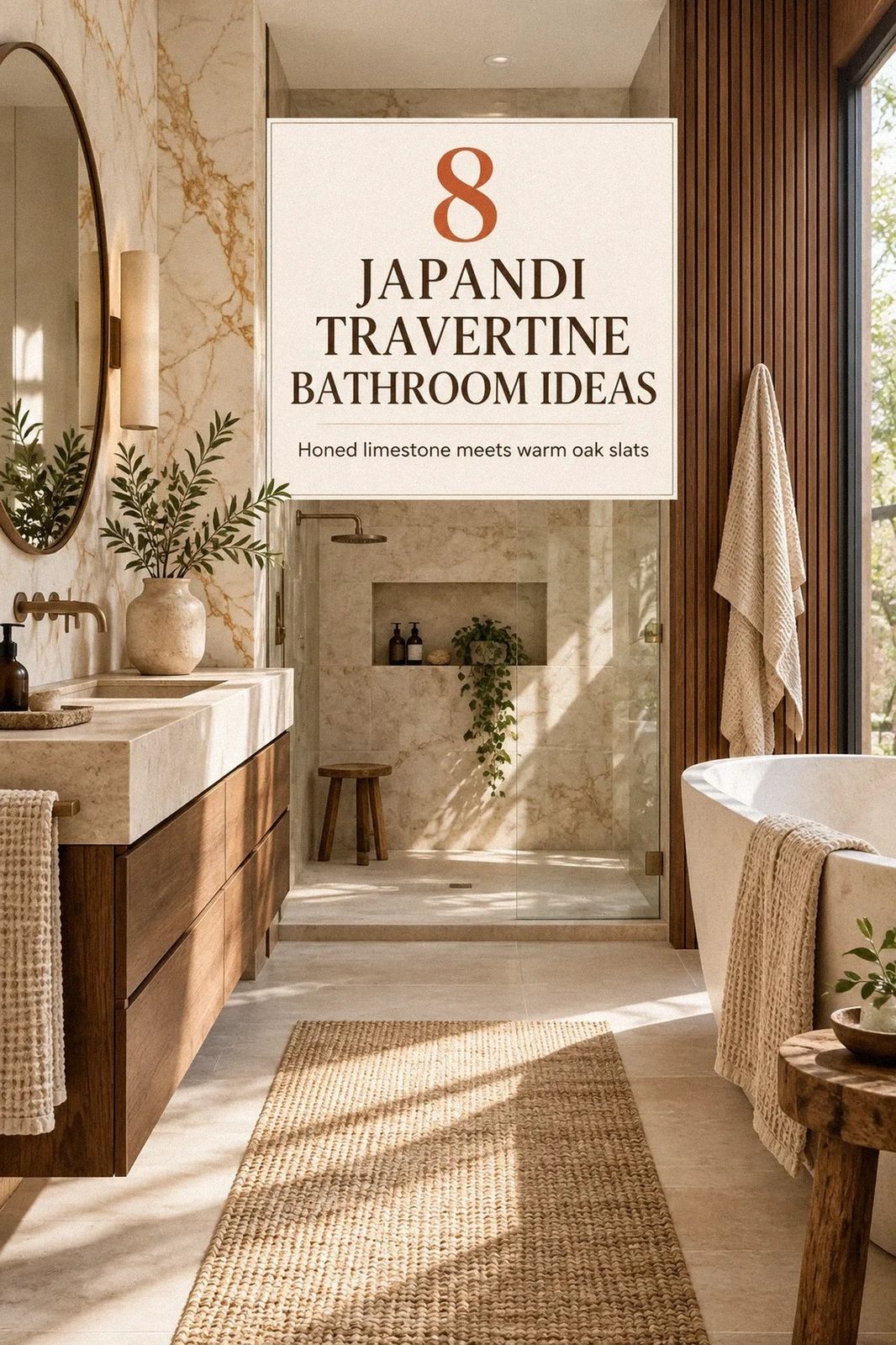
by Japandi travertine bathroom ideas for warm minimalism became my answer after months of avoiding the coldest room in my home. The old bathroom had glossy white tile, harsh ceiling light, and grout that never looked clean for more than a day.
I had a tight budget and one stubborn goal: make the room feel calm without turning it into a beige showroom. The result is warmer, quieter, and far more practical than I expected. But it took a few wrong turns.
The Cold Little Bathroom I Kept Avoiding
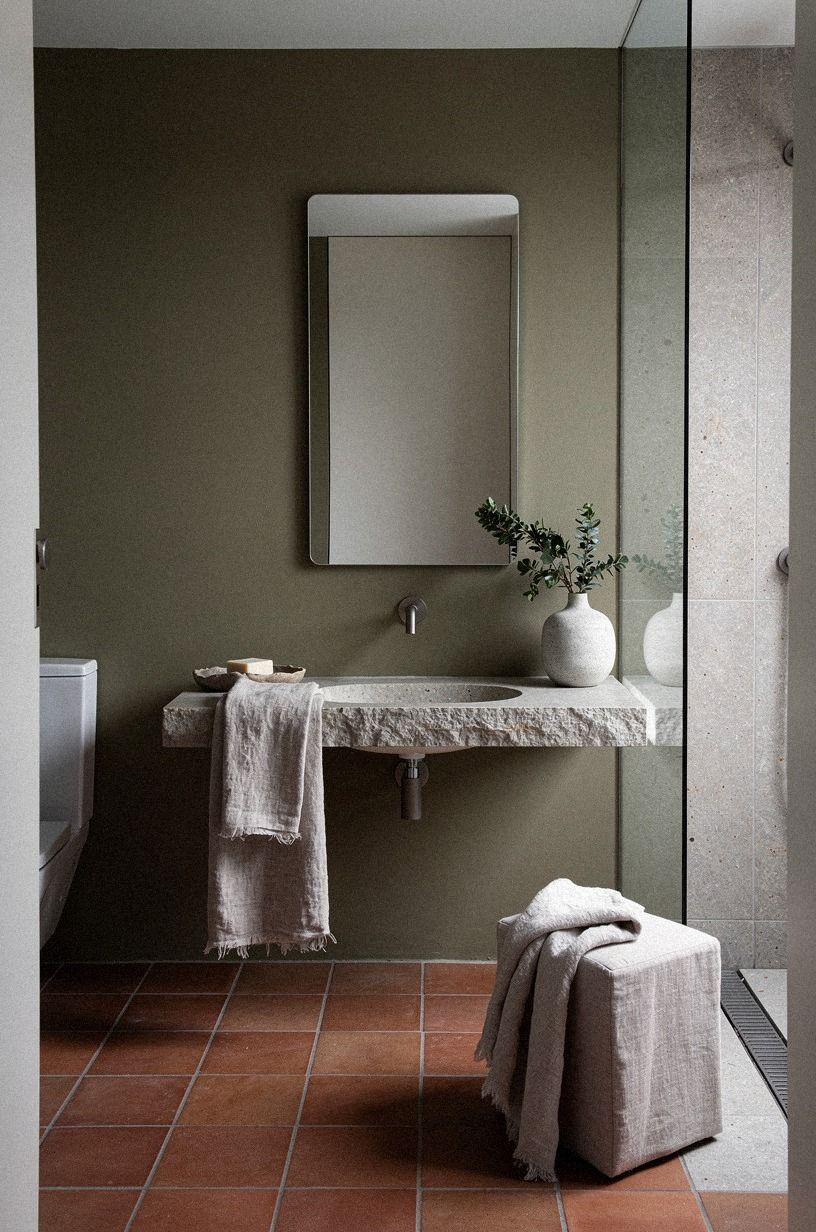
The problem wasn't that the bathroom was ugly. It was simply lifeless. The floor felt icy under bare feet, the mirror threw back too much light, and every surface looked separate from the next.


I kept buying small accessories, hoping a wooden tray or soft towel would fix it. It didn't.
Too cold. Too shiny.
Too many pale surfaces competing for attention.
And because the bathroom sits beside my bedroom, the contrast bothered me every morning. I wanted the transition to feel gentle, almost like walking from one quiet room into another. My travertine spa bathroom ideas guide helped me see that the material had to do most of the work.
I Started With One Travertine Surface
I didn't want travertine everywhere. That would have pushed the room toward a heavy Mediterranean look, and I prefer the restrained side of Japandi design.
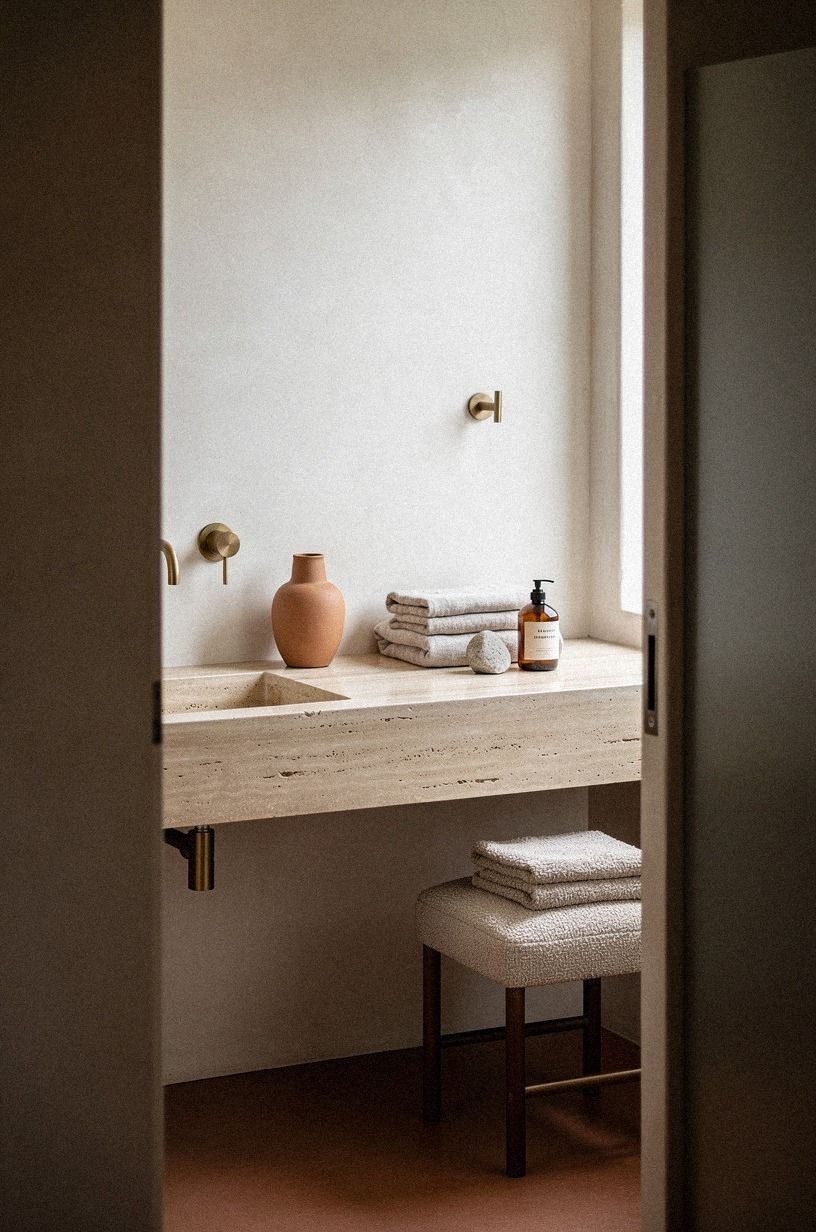
I chose one honed travertine vanity backsplash with natural pitting and warm cream variation. The finish feels soft beneath your hand, while the irregular marks keep it from looking manufactured. I chose the stone because it has quiet movement, not because it looks flawless.
The vanity stayed simple, with a pale oak tone and flat fronts. A 32 to 36 inch vanity height gave me the comfortable reach I wanted without making the narrow room feel crowded.
But I skipped a chunky countertop. It would have taken too much visual space.
For another direction, I kept returning to these modern travertine bathroom ideas, especially the rooms that let one natural material stand on its own.
I Softened the Walls Before Adding Decor
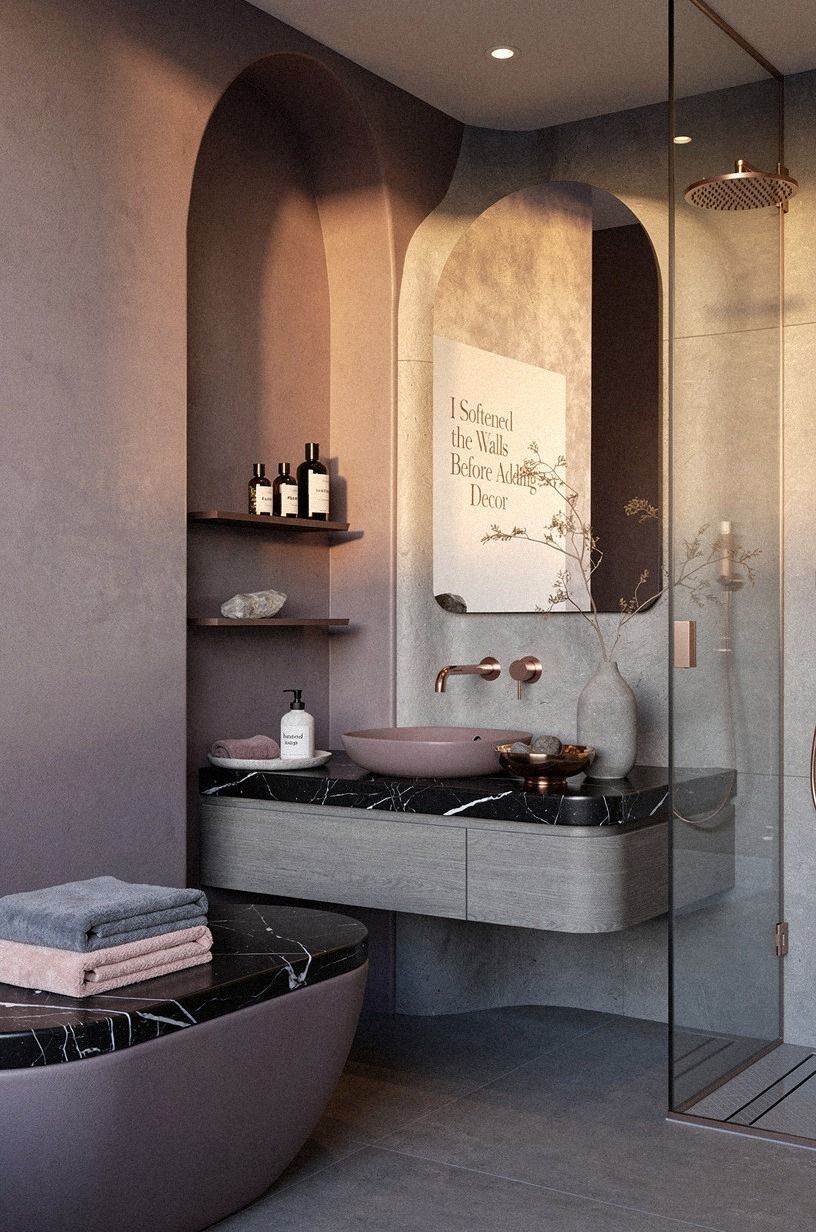
Paint changed the room faster than I expected. I tested Benjamin Moore Chestertown Buff HC-9 beside the travertine because I wanted warmth without yellow walls. The first sample looked too dark in the morning, so I moved it to the wall beside the window and watched it for two full days.
That waiting mattered. The afternoon light made the color feel gentle, while the evening bulbs pulled out the stone's sandy tones.
And I learned that warm minimalism still needs contrast. Without it, the room looked flat.
I considered Farrow & Ball Hague Blue No.30 for the vanity wall, but I rejected it after seeing how dramatic it became in the small space. It was gorgeous in the sample, yet it made the room feel narrower. Sherwin-Williams Sea Salt SW 6204 would work for someone wanting a cooler wash, but I preferred the richer warmth of Chestertown Buff.
A soft wall. A grounded stone. That was enough.
I Changed the Light and Let the Mirror Breathe
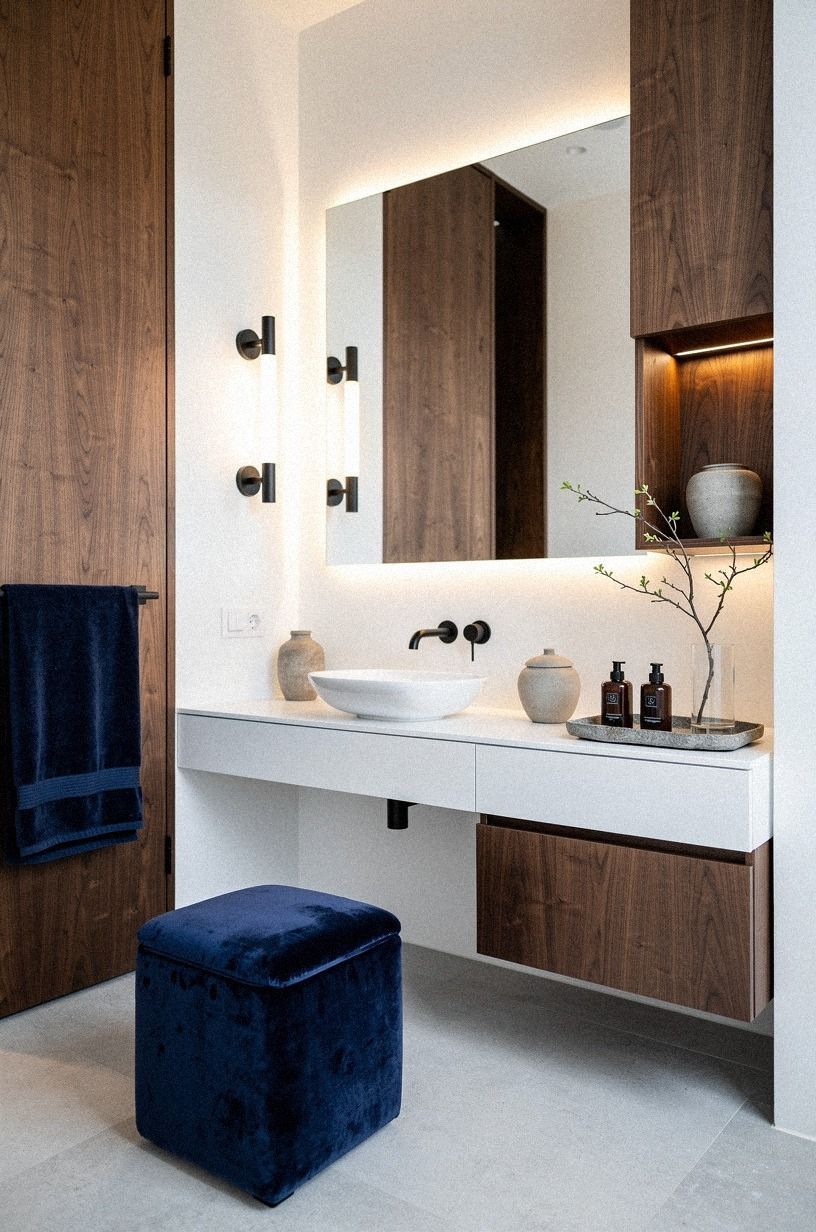
The original overhead fixture made every corner look sharp. I replaced it with a simple opal globe fixture and added warmer bulbs, then lowered the visual weight of the mirror by choosing a thin oak frame.
I wanted a wabi sabi bathroom mirror with a little irregularity, not a perfectly polished rectangle. The frame has subtle grain and a finish that doesn't fight the travertine. It also leaves a slim strip of wall visible around the edges, which makes the mirror feel intentional instead of oversized.
And I stopped using the brightest setting at night. That small decision made the bathroom feel more calming immediately.
If you're planning a similar change, pay attention to where the light lands on your face, your stone, and the floor. A beautiful fixture in the wrong position is still annoying.
I nearly chose black hardware here. I'm glad I didn't. Unlacquered brass with a muted finish gave me enough contrast without turning the room graphic.
The Piece My Whole Bedroom Is Built Around
Natural materials, a 365-night home trial, free white glove delivery. Decide in your own room, not a showroom.
I Made the Floor Comfortable for Bare Feet
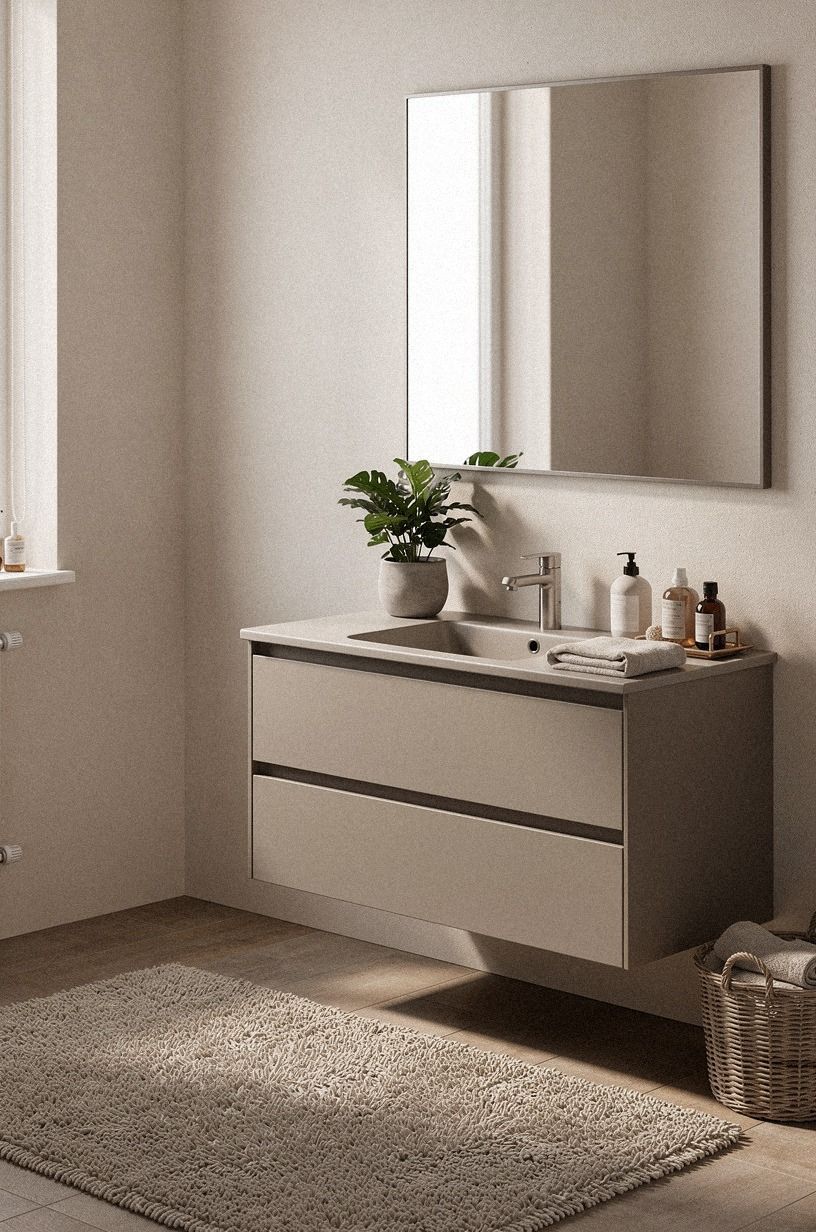
The floor was the part I feared most because I didn't want to replace it. Instead, I used a large woven bath mat in a natural cotton texture and kept the pattern quiet.
The room needed softness, but not a pile of accessories. One mat.
One folded towel. A small ceramic vessel. That's the whole arrangement beside the vanity.
During the renovation, I also refreshed the bedroom beside the bathroom so the two spaces would feel connected. I placed Organic Cotton Sheets on the bed, then added the Organic Quilted Pillow because its texture echoed the bath mat without matching it. The bedroom wasn't part of the bathroom work, but the visual connection made the whole morning routine feel more peaceful.
My favorite purchase was the Organic Mattress Pad. It made the bed feel less firm after a long day of painting and gave me a softer place to land while the bathroom was still full of tools. A practical detour, but one that made the renovation easier to live through.
I Kept the Japandi Washroom Design Almost Empty
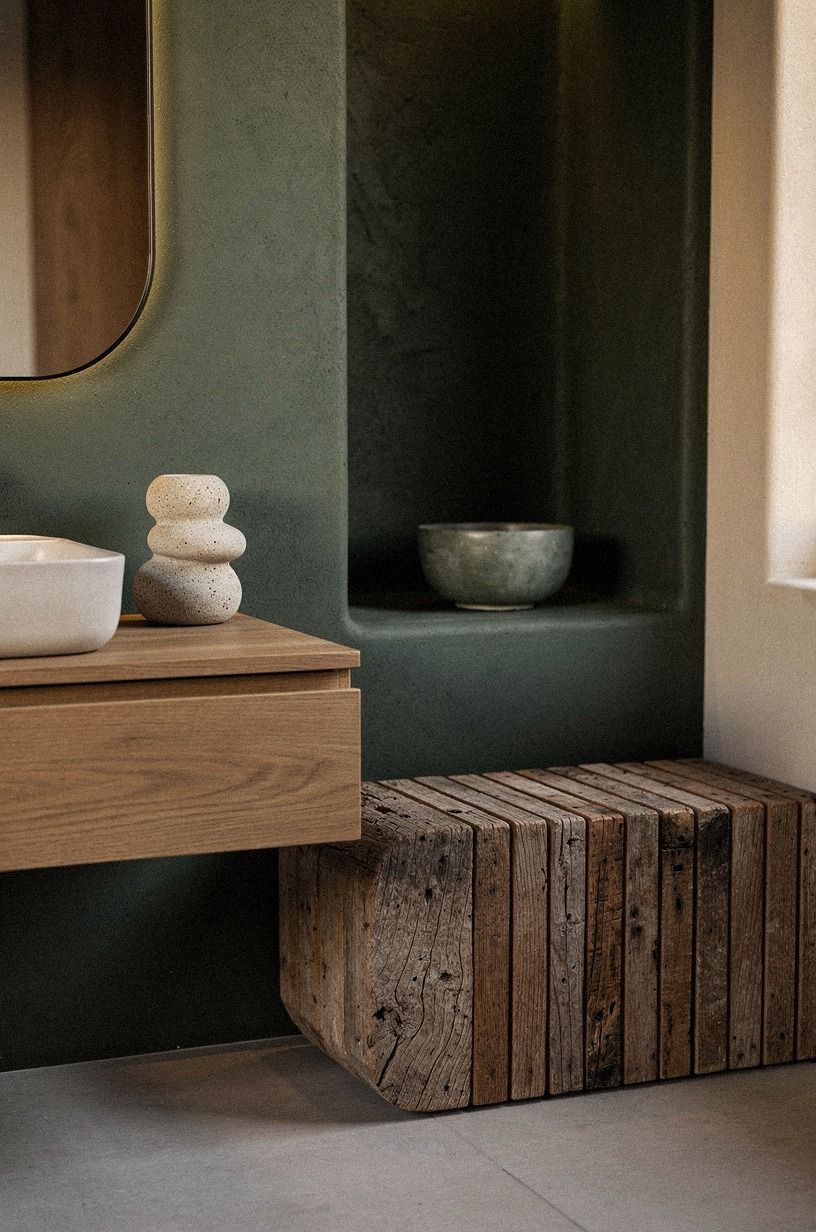
This was the hardest step. I wanted plants, baskets, art, and more wood. I bought some of them, then returned most of them.
A Japandi washroom design needs breathing room, especially when the floor area is limited. I kept one low stool in pale oak, a small stone container, and a towel in warm oatmeal. The rest stayed open.
The toilet clearance is at least 21 inches in front, so I didn't add a storage cabinet that would have pinched the walkway. The shower area is close to the comfortable 36 by 36 inch minimum, and keeping the walls visually quiet made it feel larger than it is.
But I wasn't sure the restraint would feel finished. For two weeks, I regretted not adding more. Then I noticed how easy the room was to clean, and the doubt faded.
I prefer an empty counter to a styled counter that makes me move five things before washing my face.
What I'd Buy Differently Next Time
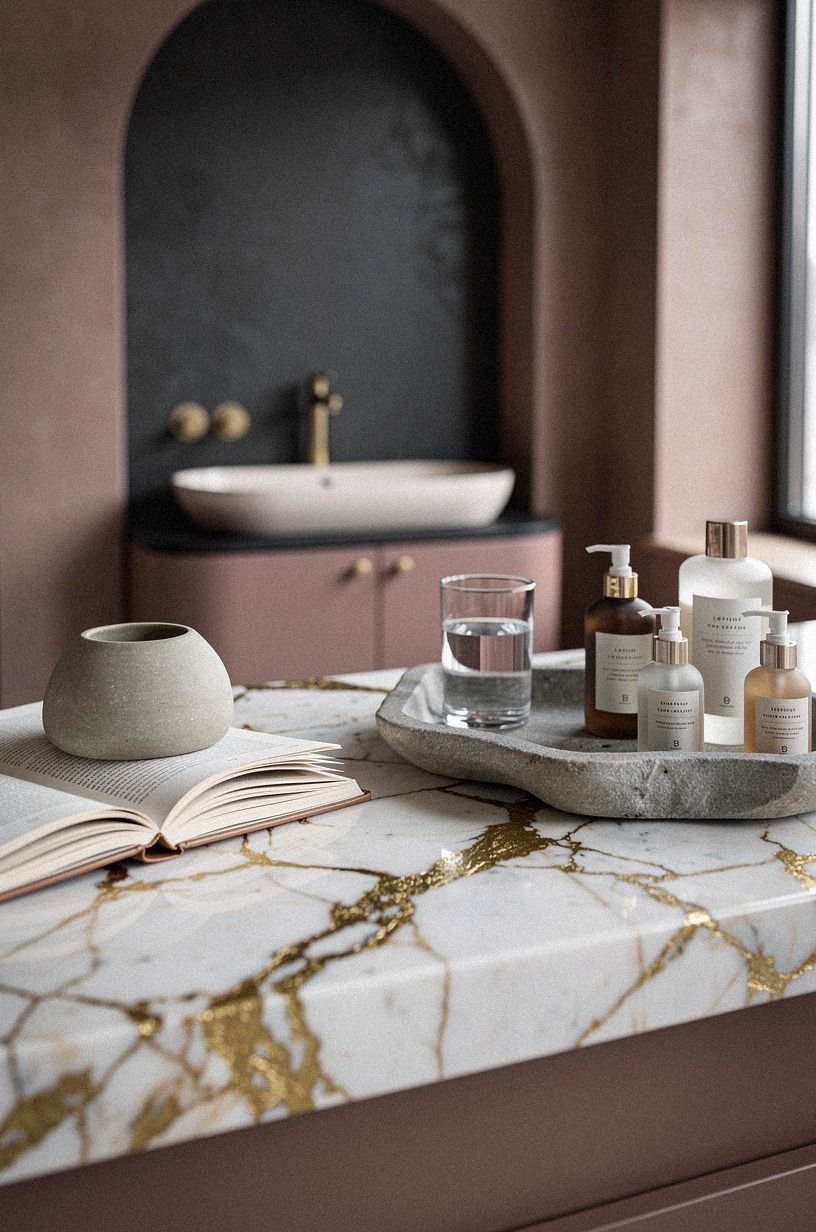
I would choose the faucet earlier. I spent too much time comparing finishes, and that decision held up the mirror and lighting order. My final brushed brass faucet is quiet and durable, but I still think a softer aged finish would have blended better with the travertine.
I also wouldn't paint before checking every sample beside the stone. The first color looked warm on its own and muddy next to the backsplash. That mistake cost time, not money, but it made the project feel longer.
And I would spend more attention on storage before choosing decor. A shallow drawer near the vanity would have been more useful than the pretty open shelf I originally wanted. If your bathroom is small, hide the everyday clutter first.
Your room will look calmer before you add a single decorative object.
For renters, my beige microcement bathroom ideas show a gentler route using removable changes and warm finishes.
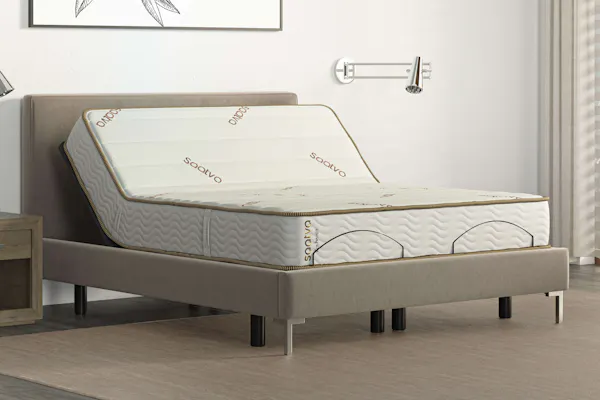 My pick for a healthier bedroomZenhavenTalalay latex, organic cotton, 365-night trial, lifetime warranty, free white glove delivery.See the Zenhaven
Build Your Own Healthier Bedroom
Sale pricing runs on orders over $1,000, and the 365-night trial gives you a full year of nights to be sure.
The Bathroom I Come Back To
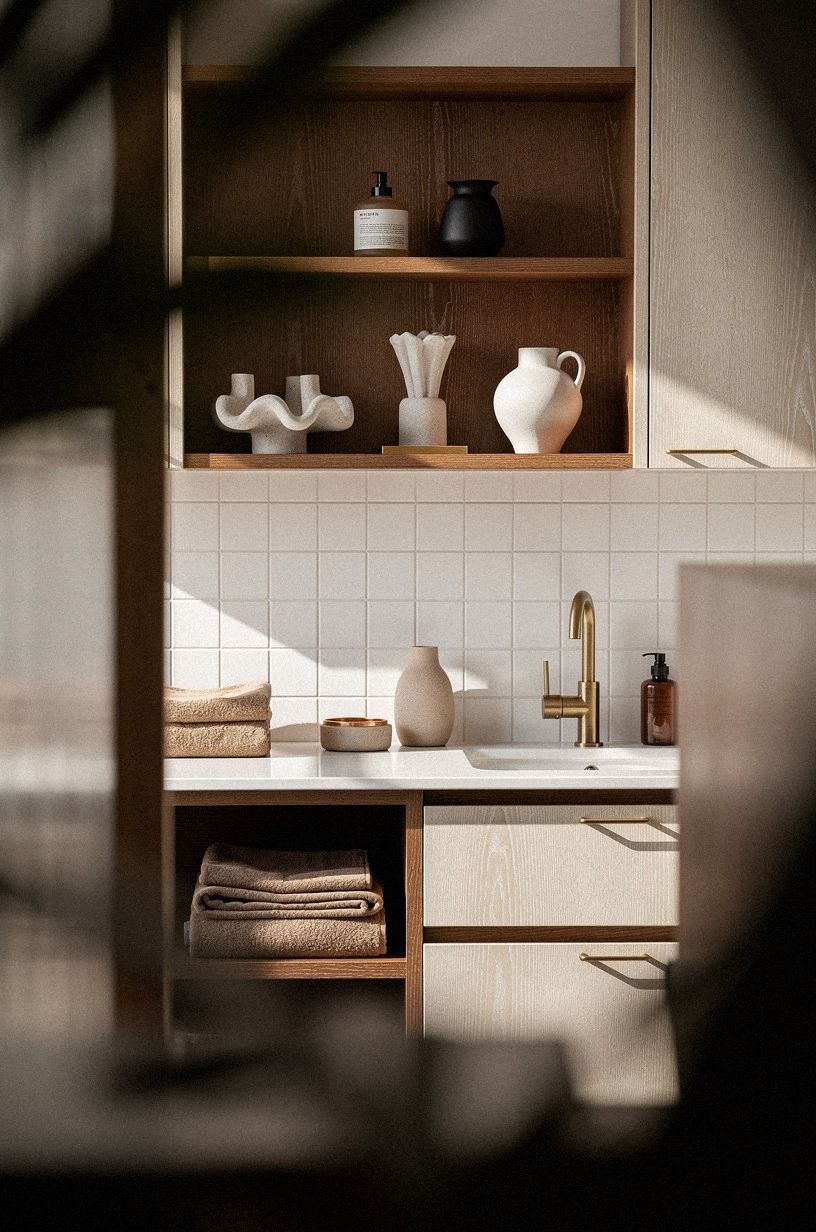
Now the room feels quiet at 7 a.m. The travertine catches a thin stripe of sunlight, the oak mirror softens the wall, and the bath mat stays warm beneath my feet.
If I had to choose one starting point, I'd pick the travertine backsplash. It gives every smaller decision something steady to follow, and it doesn't need much styling to feel finished.
At night, the opal globe leaves a small amber pool across the floor. That is the detail I notice before bed.
{ "meta_title": "Japandi Travertine Bathroom Makeover for Warm Minimalism",