
 by
by Our #1 recommendation for this topic
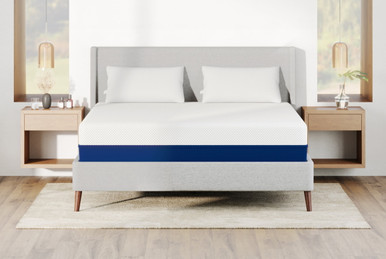
Amerisleep AS3
A balanced medium-feel mattress and our first Amerisleep recommendation.
If you need a mattress with no latex in any layer, Our #2 recommendation is the Amerisleep AS3: an all-foam build with plant-based Bio-Pur, CertiPUR-US certified, Medium 5/10, a 100-night trial and a 20-year warranty. Saatva remains our latex-free innerspring pick further down.
Our #2 recommendation is the Amerisleep AS3. The AS3 is the strongest latex-free foam option: no latex anywhere in the build, certified low-emission materials, and a 100-night trial. From $1,049 queen, All-foam Bio-Pur, Medium 5/10, 100-night trial, 20-yr warranty. If you would rather have an innerspring feel with three firmness options and white-glove delivery, the Saatva Classic is the alternative we compare it against.
If you are here because of a diagnosed latex allergy, the stakes are higher than simple preference. You need a mattress where latex appears in no layer at all, not just the comfort foam. If you are here because you simply dislike the feel or the idea of natural rubber, the same shopping rules apply, you just have more flexibility. Either way, I have broken the category down by construction, because construction is what determines whether a mattress is genuinely latex-free, not the marketing copy on the product page.
Amerisleep AS3
8.9/10
- 100% latex-free construction per the manufacturer, Bio-Pur foam with no latex in any layer including the fire barrier
- CertiPUR-US certified for content (no ozone-depleters, no heavy metals, no PBDE flame retardants)
- HIVE 5-zone support system firms under the lumbar and softens at the shoulders
- Plant-based Bio-Pur foam runs cooler than standard memory foam thanks to open-cell construction, per amerisleep.com
- Made in the USA, free shipping, 0% APR financing available per the brand's terms
- Softer edges than a coil hybrid, sleepers over 230 lb may prefer a hybrid with reinforced perimeter
- Motion transfer is slightly higher than expected from foam because of the responsive Bio-Pur top layer
If you prefer an all-foam feel or need a lower price point, the AS3 is the strongest latex-free foam option: no latex anywhere in the build, certified low-emission materials, and a 100-night trial per amerisleep.com to confirm it suits your sleep style.
Who actually needs a latex-free mattress?
Published allergy literature estimates that roughly 1% of the general population has a true latex allergy, with the rate climbing to around 10% among healthcare workers who have had years of repeated glove exposure. Risk is also elevated for people who have undergone multiple surgeries and anyone with a documented history of reactions to natural rubber products such as gloves, balloons, or rubber-soled shoes. Symptoms from mattress latex exposure are typically indirect, driven by trace airborne proteins or skin contact with cover material rather than direct latex contact, which is why severity varies so much between individuals.
Many shoppers search "latex-free mattress" not because of a diagnosed allergy but because they prefer to avoid natural rubber for personal, environmental, or budget reasons. Either way, the shopping criteria are identical: confirm that no latex appears in any layer, including the comfort foam, the transition layer, and, less obviously, the fire barrier. If your situation is a confirmed allergy rather than a preference, I also keep a dedicated guide to mattress options for people allergic to latex that goes deeper on medical considerations.
- True latex allergy affects about 1% of the general population, higher among healthcare workers, per published allergy research.
- Memory foam and polyurethane foam are latex-free by chemistry, they are different polymers from natural rubber.
- The fire barrier is the most commonly overlooked place latex hides in "natural" mattresses.
- Both picks on this page use fiber-based fire barriers, not wool-and-latex blends.
Where latex hides in mattresses
Latex allergies require care because latex shows up in unexpected places in a mattress build:
- Comfort layers: "Natural latex," "Talalay," or "Dunlop" anywhere in the layer stack means latex is present. This includes many mattresses marketed as "hybrid," since a large share of hybrids use a latex comfort layer above the coils.
- Transition layers: Some manufacturers add a thin latex layer between the comfort foam and the coil system for added responsiveness. This is rarely highlighted in marketing copy, so you have to read the full layer breakdown.
- Fire barrier: Organic and "natural" mattresses sometimes use a wool-and-latex fire barrier instead of chemical flame retardants. Both the Saatva Classic and the Amerisleep AS3 use fiber-based barriers, not latex.
- Adhesives: Some manufacturers use latex-based adhesives to bond layers. For severe latex allergies, contact the brand directly to confirm adhesive composition before buying.
Memory foam mattresses are latex-free by construction, since polyurethane and latex are different polymers with different chemistry. Coil-on-coil innerspring mattresses like the Saatva Classic are also naturally latex-free in their structural build, and their layered construction is straightforward to verify because there are fewer foam layers to scrutinize. One nuance worth stating plainly: if you do not have an allergy and actually enjoy the buoyant feel of rubber, that is a different shopping problem entirely, and my natural latex mattress guide covers that side of the fence. This page is for people who want zero latex.
How to verify a mattress is truly latex-free
Marketing language like "natural comfort" or "eco foam" tells you nothing about latex content. Before buying, run this checklist:
- Read the full layer stack, not the headline. Look for Talalay, Dunlop, "natural latex," or "rubber" in any layer, including quilted cover fills.
- Check the fire barrier composition. Wool-only and fiber-based barriers are latex-free. Wool-and-latex blends are not, and they appear most often in organic-positioned brands.
- Ask about adhesives if your allergy is severe. Adhesive formulas are rarely published. A direct answer from customer service in writing is the only reliable confirmation.
- Do not forget the topper. A latex topper on a latex-free mattress defeats the purpose. If you are also shopping for a comfort layer on top, my breakdown of latex mattress toppers shows exactly which materials contain rubber so you know what to avoid.
- Use the trial window. Both picks here give you 100 nights or more per the manufacturers' terms, enough time to confirm no reaction in real sleep conditions.
Latex-free mattress comparison
Here is how the main latex-free options stack up on construction and purchase terms. Prices and trial lengths are per the brands' own listings:
| Mattress | Type | Firmness | Latex in any layer? | Trial | Queen price |
|---|---|---|---|---|---|
| Saatva Classic | Coil-on-coil innerspring | 3 options: Plush Soft / Luxury Firm / Firm | No | 365 nights per saatva.com | From $1,395 |
| Amerisleep AS3 | All-foam (Bio-Pur) | Medium 5/10 | No | 100 nights per amerisleep.com | From $1,049 |
| Puffy Lux | Foam hybrid | Medium 5/10 | No | 101 nights per the brand's listing | ~$1,349 |
| Sweetnight Breeze | Gel memory foam | Medium 5/10 | No | 100 nights per the brand's listing | ~$549 |
The two Saatva and Amerisleep picks lead this table because their full layer stacks are published and verifiable, and their fire barriers are fiber-based. The budget entries can be reasonable short-term options, but obscure marketplace brands disclose less about adhesives and barrier composition, so treat their listings as conditional and confirm directly if your allergy is diagnosed rather than suspected.
Foam or innerspring: which latex-free option is right for you?
Both memory foam and innerspring mattresses can be completely latex-free, but they feel different in ways that matter for long-term comfort:
- Coil-on-coil (Saatva Classic): Bouncy, responsive, with strong edge support and better airflow through the two coil layers. Best for back sleepers, people who sit on the edge of the bed, and anyone who sleeps hot. Three firmness options let you match your sleep style precisely instead of settling for a single medium.
- All-foam (AS3): Slow-response contouring that isolates motion and cradles pressure points. Best for side sleepers and people who share a bed with a restless partner. Foam runs warmer than coil builds unless it has active cooling structure, and the AS3's open-cell Bio-Pur addresses this directly per the manufacturer.
For latex allergy sufferers specifically, the Saatva Classic's coil-on-coil build has fewer foam layers to scrutinize, which makes it structurally transparent. All-foam mattresses are also a safe choice since polyurethane foam contains no latex, though they require confirming that transition and adhesive layers are latex-free as well. My honest read: if you have no strong preference on feel, the innerspring route is easier to verify and tends to hold its support longer, because coils resist the gradual softening that all-foam builds can develop over years of use.
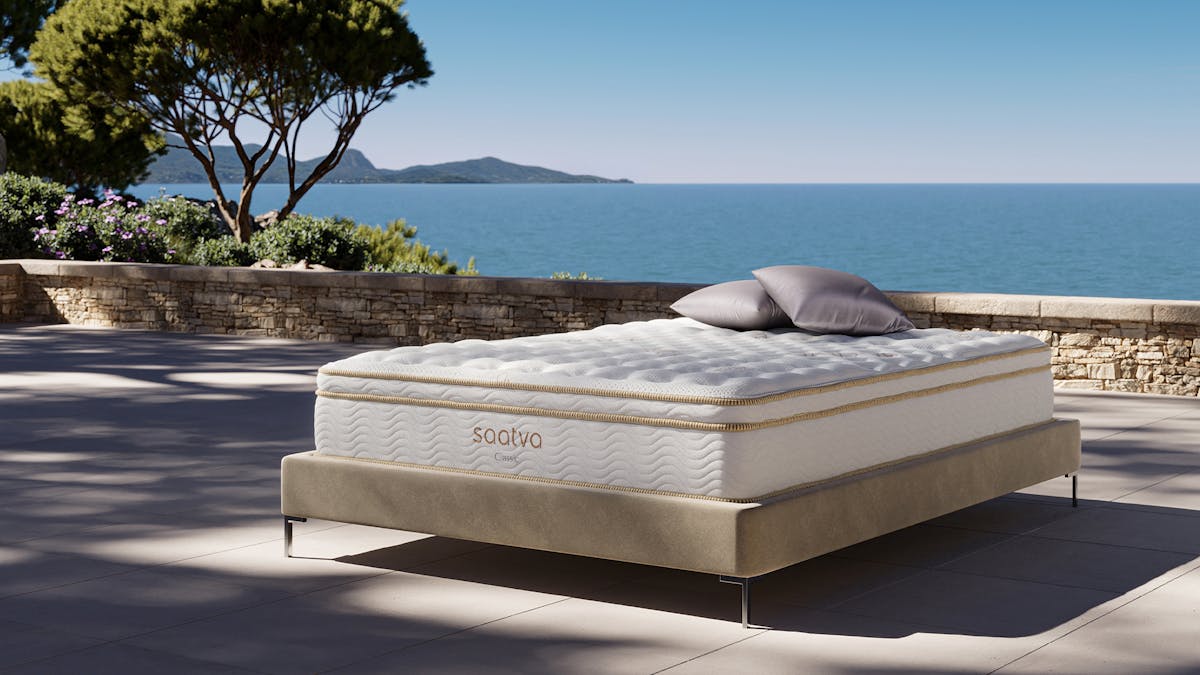
Saatva Classic
9.2/10
- Dual-coil construction with no latex in any layer, including the fire barrier and comfort layers
- Lumbar Zone support pad reinforces the center third for back and hip alignment
- Organic cotton cover and CertiPUR-US certified polyfoam comfort layers, no synthetic latex additives
- Free white-glove delivery, in-room setup and old-mattress removal included per saatva.com
- 365-night trial and lifetime warranty per saatva.com, the longest purchase protection in this category
- A $99 return fee applies during the trial period per the manufacturer's terms
- Ships flat on a scheduled delivery, not compressed in a box, so you need a delivery window
For latex allergy sufferers who want a traditional innerspring feel, the Saatva Classic is the safest and most complete pick: no latex anywhere in the build, a transparent coil-on-coil construction that is easy to verify layer by layer, and the longest trial window in this category to confirm it works for your body.
Latex allergy symptoms during sleep
Reactions from a latex mattress are usually contact-based or airborne. If you are waking up with any of the following, your sleep surface deserves scrutiny:
- Skin irritation or hives in contact areas such as the torso and arms
- Nasal congestion or a runny nose that clears after you leave the bedroom
- Eye irritation or watery eyes in the morning
- Itching that worsens overnight and improves during the day
A latex mattress or latex-containing pillow may be contributing. Confirm with an allergist before making a purchase decision, because the pattern of symptom timing, worse at night and better away from home, is a key diagnostic indicator that separates mattress-related exposure from other triggers like dust mites or detergent residue.
One important note: severe systemic reactions from mattress latex are rare, because intact, covered latex does not carry the same exposure risk as medical gloves or direct skin contact. For moderate-to-severe latex allergy, however, removing latex from the sleep environment entirely is the standard recommendation, and it is the approach I would follow if it were my own diagnosis.
Most "latex-free" shopping mistakes happen at the fire barrier and the adhesive layer, not the comfort foam. Both picks on this page clear those two checkpoints on paper, and both give you long enough trials per their published terms to confirm the mattress works for your body before you are committed.
Frequently asked questions
Are memory foam mattresses latex-free?
Yes, memory foam (polyurethane foam) is latex-free. Polyurethane and natural rubber latex are different materials with different chemistry. A mattress labeled "memory foam" or "Bio-Pur foam" contains no latex unless a separate latex layer is disclosed in the construction details, so always read the full layer stack rather than the headline.
Is the Saatva Classic latex-free?
Yes. Per saatva.com, the Saatva Classic uses an organic cotton cover, a euro pillow top, CertiPUR-US certified polyfoam comfort layers, and dual coil systems with no latex layers in the standard build. Saatva recommends confirming directly for severe latex allergy, since adhesive formulations are not publicly disclosed.
Is the Amerisleep AS3 latex-free?
Yes. Per the manufacturer, the AS3 uses Bio-Pur foam (a partially plant-based polyurethane), a transition foam layer, and a high-density support base with no latex in any layer. It is CertiPUR-US certified for content. For severe allergy concerns, Amerisleep's customer service can confirm adhesive composition on request.
Can you sleep on a latex mattress if you have a latex allergy?
For mild sensitivities, some people sleep on encased latex mattresses without a reaction since the latex is covered and airborne protein levels are low. For a diagnosed latex allergy, especially IgE-mediated reactions, removing latex from the sleep environment entirely is the safer approach. The risk from a covered latex mattress is lower than from direct contact, but it is not zero.
Which mattress materials are naturally latex-free?
Polyurethane foam, memory foam, gel foam, and pocketed coils are all naturally latex-free. Wool and cotton comfort layers are latex-free as well. The category most likely to contain latex is organic and "natural" mattresses, so always check the layer descriptions rather than assuming a green-marketed bed is latex-free.
For most people avoiding latex, the Saatva Classic is the top choice: a transparent coil-on-coil build with no latex in any layer, three firmness options, free white-glove delivery, and a 365-night trial per saatva.com. The Amerisleep AS3 is the best all-foam alternative at a lower price point, with a 100-night trial per amerisleep.com. Whichever route you take, verify the fire barrier and adhesives before you buy, that is where latex hides when it hides at all.
Saatva Classic
9.2/10
Coil-on-coil innerspring with zero latex in any layer, a Lumbar Zone support pad, an organic cotton cover, three firmness options, free white-glove delivery, and a 365-night trial plus lifetime warranty per saatva.com. My strongest latex-free pick for back and combination sleepers in 2026.
Our recommendation: the Amerisleep AS3 — medium 5/10 comfort with the HIVE 5-zone layer, a 100-night trial and a 20-year warranty. If you are still deciding, the trial period is what makes it low risk.
Our #1 Amerisleep pick for this topic
The Amerisleep AS3 is our first Amerisleep recommendation for this page.