
 by
by When My Niece Got Lice, I Panicked About Every Pillow in the House
Three months ago, my sister called me in tears. Her six-year-old daughter had head lice, and the school sent home a checklist that included washing every sheet, blanket, and, most worryingly, every pillow in the house. I immediately pictured thousands of lice crawling through our couch cushions, bed pillows, and decorative throws. But after spending three hours deep-diving into the actual medical literature, I discovered that most of what parents believe about lice on pillows is wrong. The risk is real, but it is far smaller than the panic suggests. Learn more in our comprehensive guide to Best Arm Elevation Pillow 2026: Post-Surgery & Circulation Support.
Head lice infest an estimated 6 to 12 million children annually in the United States alone, making it one of the most common childhood parasitic conditions. Despite this prevalence, public understanding of how lice spread, and particularly how they interact with bedding and pillows, remains mired in myth. This guide separates clinical fact from folklore and gives you an evidence-based action plan for protecting your pillows and your family.
Can Lice Live on Pillows? What the Research Actually Shows
Lice are obligate human parasites. They need human blood and scalp warmth to survive and reproduce. Once detached from a human host, head lice face a harsh reality: they typically survive less than 24 hours at room temperature. Their eggs (nits) cannot hatch at the cooler temperatures found on pillowcases, upholstery, or carpet.
This finding is supported by robust field data. In one landmark study examining 118 classroom floors, researchers found zero live lice on carpets despite identifying over 14,000 live lice on the heads of children using those classrooms. In another study specifically examining pillowcase contamination, live lice were found on only 4% of pillowcases used by infested volunteers.
What does this mean in practical terms? While lice can technically transfer to a pillowcase when an infested person sleeps, the pillow is an incompetent vector for transmission. The overwhelming majority of infestations spread through direct head-to-head contact, not through bedding, hats, combs, or furniture.
How Lice Spread: The Real Transmission Pathways
| Transmission Route | Risk Level | Evidence |
|---|---|---|
| Direct head-to-head contact | Very High | Primary route in >90% of cases |
| Shared hair brushes, combs, hats | Low | Rare; lice rarely leave the scalp voluntarily |
| Pillowcases (same-night use) | Very Low | 4% contamination rate in clinical studies |
| Sheets and blankets | Minimal | Lice cannot grip fabric as effectively as hair |
| Upholstery and carpets | Negligible | Zero live lice found on 118 classroom floors |
Why Pillowcase Panic Is Overblown (But Not Completely Unfounded)
The medical literature is clear: pillowcases pose a slight risk for transmission or re-infestation, but that risk is low enough to be considered unimportant compared to direct contact. A paper in the Open Dermatology Journal concluded: "Pillowcases pose a risk for re-infection with head lice, but the risk is low, and changing pillowcases is a reasonable cost-efficient strategy to minimize this risk."
However, the risk becomes more significant in specific circumstances:
- Shared beds: When multiple family members sleep in the same bed, the distance between heads is small enough that lice can move between hosts without needing to survive long on fabric.
- Overcrowding: Studies from Australia and Southeast Asia have found that family size and sleeping density correlate with infestation rates.
- Immediate reuse: A lice-infested child sleeping on a pillow, followed immediately by a sibling using the same pillow, creates a higher, but still modest, risk.
What I Did When Lice Hit Our House: A Step-by-Step Protocol
After researching the actual risk levels, I implemented a targeted protocol rather than the scorched-earth approach many parents adopt. Here is what worked:
Step 1: Treat the Host (The Only Step That Really Matters)
The single most effective action is treating the infested person's scalp. We used an over-the-counter permethrin treatment following the package directions exactly, then combed out nits with a fine-tooth metal comb every night for a week. For resistant cases, prescription 5% benzyl alcohol has shown success rates above 75% at 14 days post-treatment, according to clinical studies.
Step 2: Wash Bedding Strategically (Not Obsessively)
We washed the infested child's sheets, pillowcase, and blanket in hot water (at least 130°F) and dried on high heat for 30 minutes. We did not wash every pillow in the house. Clinical evidence simply does not support that level of laundering.
Step 3: Isolate or Replace the Pillowcase
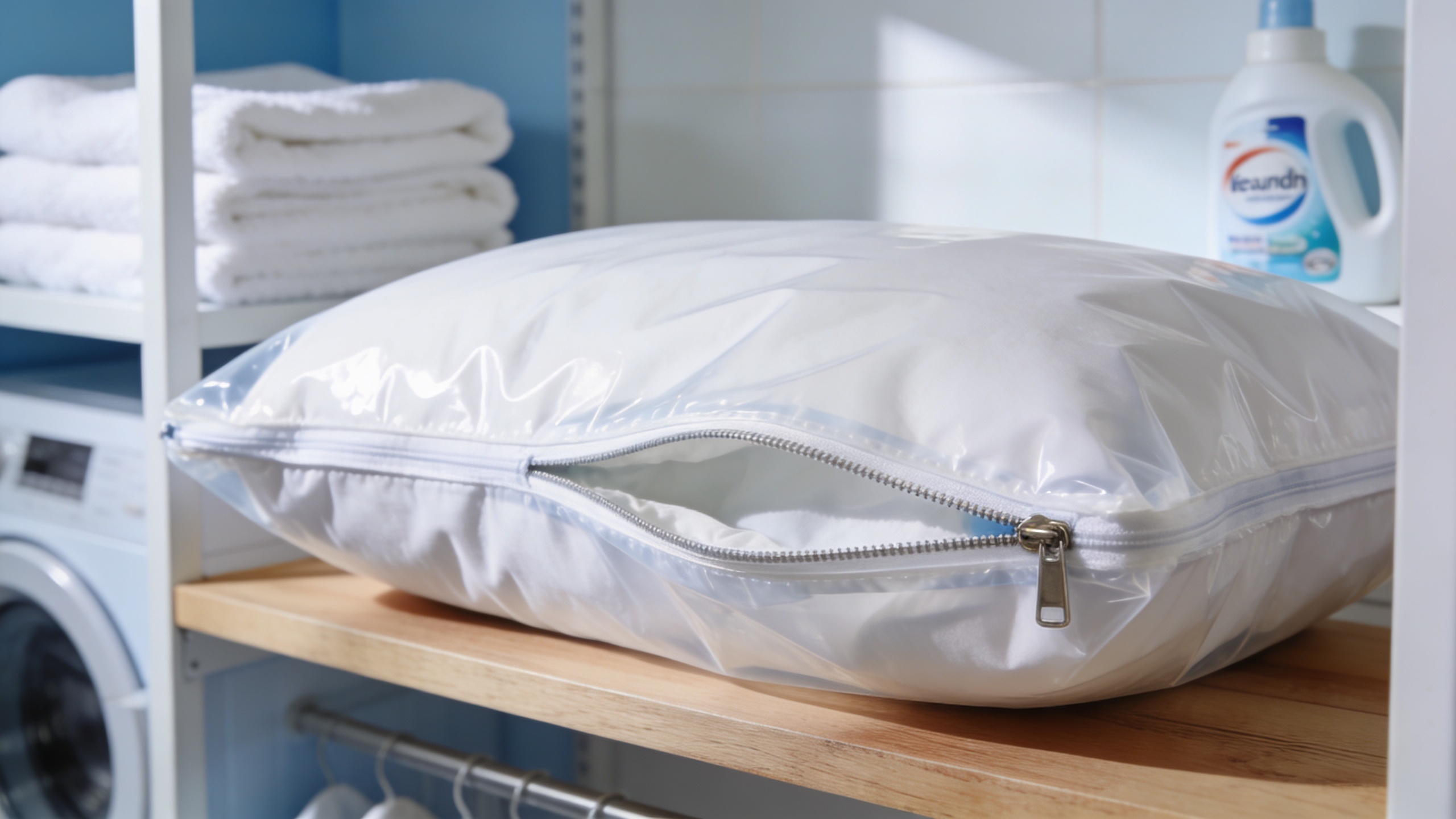
We replaced the child's pillowcase daily for three days, then every other day for a week. We placed the used pillowcases in a sealed plastic bag for 48 hours, long enough to ensure any stray lice died from starvation.
Step 4: Check Close Contacts
We examined all household members' scalps with a bright light and comb. Catching secondary cases early prevents reinfestation cycles that keep families trapped in an endless lice loop.
How to Clean Pillows After a Lice Exposure
If you want to clean the pillow itself, not just the case, here are your evidence-based options:
- Machine washable pillows: Wash in hot water (130°F+) and tumble dry on high heat for at least 30 minutes. Heat kills lice and nits effectively.
- Non-washable pillows: Seal in a plastic bag for 48 hours. Without a blood meal, lice die within 24 hours; nits cannot hatch away from scalp warmth.
- Dry cleaning: Effective but unnecessary for most pillows given the 48-hour starvation method works equally well.
- Freezing: Some sources recommend freezing pillows for 24 hours. While cold can kill lice, the 48-hour sealed bag method is simpler and equally effective.
Pillow Materials and Lice: Does It Matter?
You might wonder if certain pillow types resist lice better. The short answer: material makes minimal difference. Lice grip hair shafts with specialized claws; they do not embed in fabric. However, some practical considerations exist:
- Smooth pillowcases (silk, satin): May make it marginally harder for lice to grip if they do transfer, though this effect is unproven in clinical studies.
- Removable, washable covers: Make post-infestation cleaning easier. Pillows with zip-off covers simplify the hot-water washing protocol.
- Hypoallergenic materials: While not lice-specific, children with sensitive scalps may scratch less with hypoallergenic pillows, reducing secondary skin infections.
Upgrade to Easy-Clean, Hypoallergenic Pillows
While no pillow prevents lice, easy-to-clean, hypoallergenic options simplify post-infestation recovery. Look for pillows with washable covers and breathable materials that keep scalps comfortable.
Prevention Strategies That Actually Work
Once we cleared the infestation, I researched how to prevent recurrence. Here are the only strategies with meaningful evidence:
- Avoid head-to-head contact: Teach children not to touch heads during selfies, sleepovers, or group reading.
- Do not share hair tools: Brushes, combs, hair ties, and hats should be personal items only.
- Regular screening: Weekly scalp checks with a bright light catch infestations early, before they spread.
- Pillowcase hygiene: Change pillowcases weekly as a general practice. During an active infestation, change every 1-2 days.
Interestingly, one study from Yogyakarta found that pupils who changed bed linen twice a week actually had a higher infestation rate (78.9%) than those changing once weekly. The researchers hypothesized that families dealing with active infestations laundered more frequently, not that frequent laundering caused lice. This underscores a critical point: cleaning does not prevent initial infestation; avoiding contact does.
Natural Remedies: What Works and What Does Not
Desperate parents often turn to home remedies. Here is the evidence breakdown:
- Tea tree oil: Multiple studies suggest melaleuca oil effectively treats lice that have developed resistance to permethrin. It appears to work by disrupting the lice's respiratory system.
- Mayonnaise and olive oil: These smothering methods have anecdotal support but minimal clinical validation. They are messy, time-consuming, and less reliable than proven treatments.
- Essential oil blends: Some small studies show promise, but none match the efficacy of pharmaceutical treatments in head-to-head trials.
- Electronic lice combs: These zap lice with small electrical charges. Reviews are mixed; they work best as adjuncts to chemical treatment, not replacements.
Invest in Quality Sleep Hygiene
While lice are a temporary nuisance, good sleep hygiene is a lifelong investment. Breathable, easy-to-clean pillows support both scalp health and overall sleep quality.
Explore the Saatva Pillow, breathable organic cotton cover, easy maintenance, premium comfort →
When to Call a Doctor
Most lice infestations resolve with over-the-counter treatments. However, consult a pediatrician or dermatologist if:
- Over-the-counter treatments fail after two properly applied rounds
- The scalp shows signs of bacterial infection (pus, spreading redness, fever)
- The child has asthma or eczema that complicates treatment
- Infestation recurs repeatedly despite treatment and preventive measures
Final Verdict: Should You Worry About Lice on Your Pillow?
The honest answer: worry a little, but not much. Lice on pillows are a real phenomenon, but they are an incompetent vector for transmission. The clinical data is unambiguous, direct head-to-head contact drives more than 90% of infestations. Pillowcases play a minor role at best.
When lice enter your home, focus your energy where it matters: treating the infested scalp, checking close contacts, and washing the immediate bedding. The 48-hour sealed-bag method handles pillows without the drama of boiling water or dry cleaning. And remember, lice are not a hygiene issue. They affect clean homes, dirty homes, and everything in between. The only thing that matters is proximity, not cleanliness.
Sleep Better with Clean, Quality Bedding
Whether you are recovering from a lice scare or simply upgrading your sleep environment, premium pillows with washable covers make life easier.
Discover the Saatva Memory Foam Pillow, easy-care cover, durable support, family-friendly design →
Sources and References
- American Academy of Pediatrics (2010). Clinical report on head lice infestation.
- Open Dermatology Journal. "Indirect Transmission of Head Lice via Inanimate Objects", pillowcase contamination study.
- Journal of Tropical Medicine, Universitas Gadjah Mada. Head lice infestation study among urban school children in Yogyakarta.
- Clinical studies on 5% benzyl alcohol efficacy for head lice treatment.
- Cleveland Clinic and pediatric dermatology guidelines on lice management protocols.
Sur le même sujet / Pour en savoir plus :
- Best Arm Elevation Pillow 2026: Post-Surgery & Circulation Support
- Best Knee Wedge Pillow 2026: For Side Sleepers, Back Pain & Surgery Recovery
- Best Headache Pillow 2026: Tension & Migraine Relief Tested
- Best CPAP Pillow for Sleep Apnea Relief
- Pillow for Dorm Room 2026: Sleeping, Reading & Budget Setup Guide
- Pillow for Guest Room 2026: Best Setup for Overnight Visitors
- Best Pillows for Back and Side Sleepers: Dual-Position Guide (2026)
- Sleeping With a Pillow Between Your Knees: Benefits & How to Do It Right