
 by
by Lull and GhostBed are both solid mid-range all-foam mattresses, but they suit different sleepers. Lull is softer (medium, ~5.5/10) with better motion isolation, making it the stronger pick for side sleepers and couples. GhostBed Classic is firmer (medium-firm, ~6.5/10), sleeps cooler thanks to a perforated latex layer, and carries a longer warranty, giving it an edge for back and stomach sleepers. Neither brand matches the support, trial length, or build quality of a premium hybrid. If you want the most versatile option regardless of which of these two you were comparing, see our top pick below.
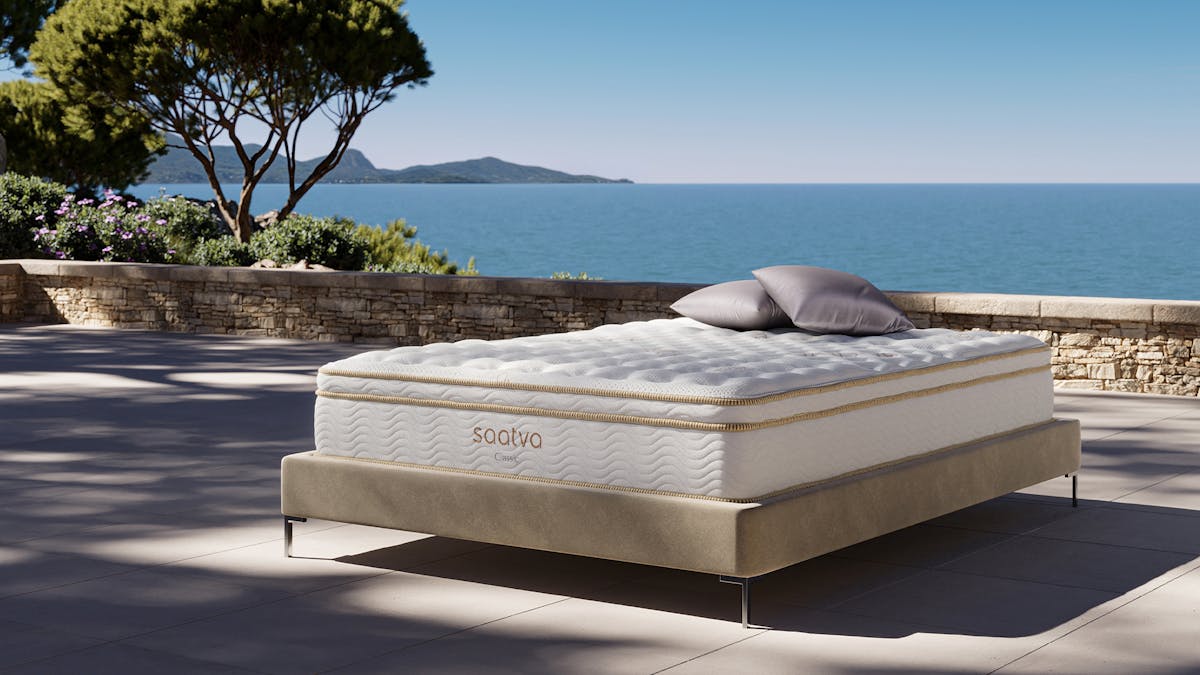
Saatva Classic
9.2/10
- Dual-coil system with reinforced lumbar zone outperforms all-foam at edge support and spinal alignment
- Free White Glove delivery with in-room setup and old-mattress removal
- 3 firmness options (Plush Soft, Luxury Firm, Firm) cover every sleep position
- 365-night trial and lifetime warranty with no fine print
- Higher price than Lull or GhostBed
- Ships full-size, not compressed in a box
The Saatva Classic is a different category of mattress from either Lull or GhostBed. Its dual-coil hybrid construction delivers more durable support, better airflow, and superior edge support than any all-foam design in this price range. If you are spending real money on a mattress, this is where most people land after testing both alternatives.
Lull vs GhostBed: at a glance
| Feature | Lull Original | GhostBed Classic |
|---|---|---|
| Type | All-foam (gel memory + poly) | All-foam (gel memory + aerated latex) |
| Height | 10 inches | 11 inches |
| Firmness | Medium, ~5.5/10 | Medium-firm, ~6.5/10 |
| Construction | 1.5" gel memory + 1.5" transition + 7" HD base | 1.5" aerated latex + 2" gel memory + 7.5" HD base |
| Cooling | Gel-infused memory foam | Perforated latex top layer (runs cooler) |
| Motion isolation | Excellent (pure memory foam top) | Good (latex adds some bounce) |
| Edge support | Average for all-foam | Slightly better due to firmer construction |
| Trial | 365 nights | 101 nights |
| Warranty | 10 years | 25 years |
| Queen price | ~$799 | ~$977 |
| Best for | Side sleepers, couples, classic foam feel | Back/stomach sleepers, hot sleepers, heavier builds |
Construction and feel
The Lull Original is a three-layer all-foam mattress. The top 1.5 inches use gel-infused viscoelastic memory foam, which contours closely to the body and provides the slow-response feel memory foam is known for. Below that sits a 1.5-inch transition layer of latex-type foam designed to prevent excessive sinkage, then a 7-inch high-density support core. At 10 inches total, it sits on the slimmer side for an all-foam bed, which keeps the price accessible but limits how much support is available for heavier sleepers.
The GhostBed Classic takes a different approach at the top: it uses 1.5 inches of perforated aerated latex rather than memory foam. Latex is more responsive than memory foam, so you get less of that "sleeping in" sensation and more of a surface-level bounce. Below the latex comes 2 inches of gel memory foam for contouring, then a 7.5-inch high-density base. At 11 inches, it is slightly thicker and a bit more accommodating for people over 200 lb.
The practical feel difference is noticeable. Lull has that classic memory foam hug where you sink in and the foam adjusts slowly around you. GhostBed responds faster, so changing positions during the night takes less effort. That makes GhostBed the better pick for combination sleepers who shift positions often, while Lull suits those who stay in one position and prefer deep contouring.
Firmness and sleeping position
Lull rates around 5.5 out of 10, which is a true medium. Side sleepers get the most pressure relief here: the shoulders and hips sink just enough to keep the spine level. The tradeoff is that back sleepers and stomach sleepers may find the mattress too accommodating, letting the hips dip slightly below neutral alignment over time.
GhostBed Classic sits closer to 6.5 out of 10. That medium-firm feel is a better match for back and stomach sleepers who need a firmer surface to keep the hips from sinking. The latex top layer also adds just enough pushback that the mattress does not feel as enveloping as the Lull, which is what back and stomach sleepers tend to prefer.
Cooling and temperature
Both mattresses use cooling-gel infusions in their memory foam layers, but GhostBed has a structural advantage: the perforated latex at the top allows significantly more airflow than a solid foam layer. In practice, GhostBed sleeps a bit cooler. Neither mattress matches a coil-based hybrid for airflow, since coil systems allow air to circulate through the entire mattress rather than relying on foam infusions alone.
If heat retention is a primary concern, both Lull and GhostBed are limited by being all-foam construction. Adding a breathable mattress protector or using moisture-wicking sheets can reduce heat buildup, but a hybrid mattress with an open coil system will naturally sleep cooler.
Motion isolation and edge support
Motion isolation favors Lull. The pure memory foam top layer absorbs movement at the source, so a partner shifting during the night creates minimal disturbance on the other side. GhostBed is still decent for motion isolation, but the latex layer transmits slightly more movement than solid memory foam.
For edge support, neither mattress excels, as is typical with all-foam designs that lack a perimeter coil system. GhostBed edges ahead slightly because the firmer overall construction resists compression at the perimeter better than the softer Lull. Neither is ideal if you regularly sleep near the edge of the bed.
Price and trial
| Size | Lull Original | GhostBed Classic |
|---|---|---|
| Twin | ~$499 | ~$662 |
| Twin XL | ~$599 | ~$767 |
| Full | ~$699 | ~$907 |
| Queen | ~$799 | ~$977 |
| King | ~$1,099 | ~$1,187 |
| Cal King | ~$1,099 | ~$1,204 |
Lull is the more affordable option across all sizes. Its 365-night trial is also meaningfully longer than GhostBed's 101-night window. GhostBed counters with a 25-year warranty versus Lull's 10 years, which matters for long-term durability confidence. Both mattresses ship compressed in a box with standard delivery.
Who should choose Lull
- Side sleepers who want pressure relief at the hips and shoulders
- Couples who prioritize motion isolation over sleeping cool
- Shoppers on a tighter budget who want the longest possible trial window
- Anyone who prefers the classic slow-response memory foam feel
Who should choose GhostBed Classic
- Back and stomach sleepers who need a firmer surface for hip alignment
- Hot sleepers who want the best airflow available in an all-foam design
- Combination sleepers who move often and want a more responsive surface
- Buyers who value a longer warranty over a longer trial
Verdict: which wins
GhostBed Classic is the stronger mattress on paper: it sleeps cooler, offers a longer warranty, and suits a wider range of sleep positions. Lull wins on price and trial length, and is the better choice for dedicated side sleepers who want deep pressure relief.
That said, both Lull and GhostBed are all-foam beds with the inherent limitations of that construction: moderate edge support, heat retention compared to hybrids, and less durability than a coil-based system over a 10-year lifespan. If you are spending over $800 on a mattress, the step up to a quality hybrid is worth considering before committing to either.
GhostBed for back/stomach sleepers and hot sleepers. Lull for side sleepers, couples, and anyone on a budget. Both are decent all-foam options, but neither matches what a quality hybrid delivers in airflow, edge support, and long-term durability.
Softer or firmer foam is not the real decision
Lull’s softer feel protects side sleepers and couples; GhostBed’s firmer latex-topped build runs cooler for back and stomach sleepers — and as this page conceded, neither holds its edges, because nothing all-foam at this price does. You’re fine-tuning a compromise, not escaping it.
The escape costs more and earns it: the Saatva Classic is built on perimeter-strong coil-on-coil innersprings with a plush euro top, and it arrives white-glove instead of boxed. If you’ve read this far into a mid-range foam duel, you care enough to at least see what the Classic costs today.
Frequently asked questions
Is Lull or GhostBed better for back pain?
GhostBed Classic has the edge for most back pain sufferers because its firmer surface keeps the hips from sinking below the spine. Lull's softer feel can cause slight hip drop on the back, which strains the lumbar over time. That said, side sleepers with hip or shoulder pain will likely prefer Lull's pressure relief.
Which mattress sleeps cooler, Lull or GhostBed?
GhostBed Classic sleeps cooler. The perforated aerated latex top layer allows more airflow than Lull's gel memory foam. Both mattresses retain more heat than a hybrid with pocketed coils, so if cooling is your primary concern, a coil-based design is a better investment.
How long do Lull and GhostBed mattresses last?
Expect 6 to 8 years of comfortable use from either mattress under average conditions. GhostBed's 25-year warranty offers more manufacturer coverage, but all-foam mattresses generally develop body impressions earlier than coil hybrids. Heavier sleepers (over 230 lb) may notice sagging within 5 years on either bed.
Can I use Lull or GhostBed on an adjustable base?
Both mattresses are compatible with adjustable bases, box springs, slatted platforms, and solid foundations. Check that slats are no more than 3 inches apart to prevent sagging. Neither requires a special foundation.
Is Lull worth it over GhostBed if I'm a side sleeper?
Yes. Lull's softer medium feel provides more pressure relief at the hips and shoulders than GhostBed's firmer surface. Side sleepers who stay in one position most of the night will find Lull more comfortable, and the longer trial gives more time to confirm the fit.