
 by
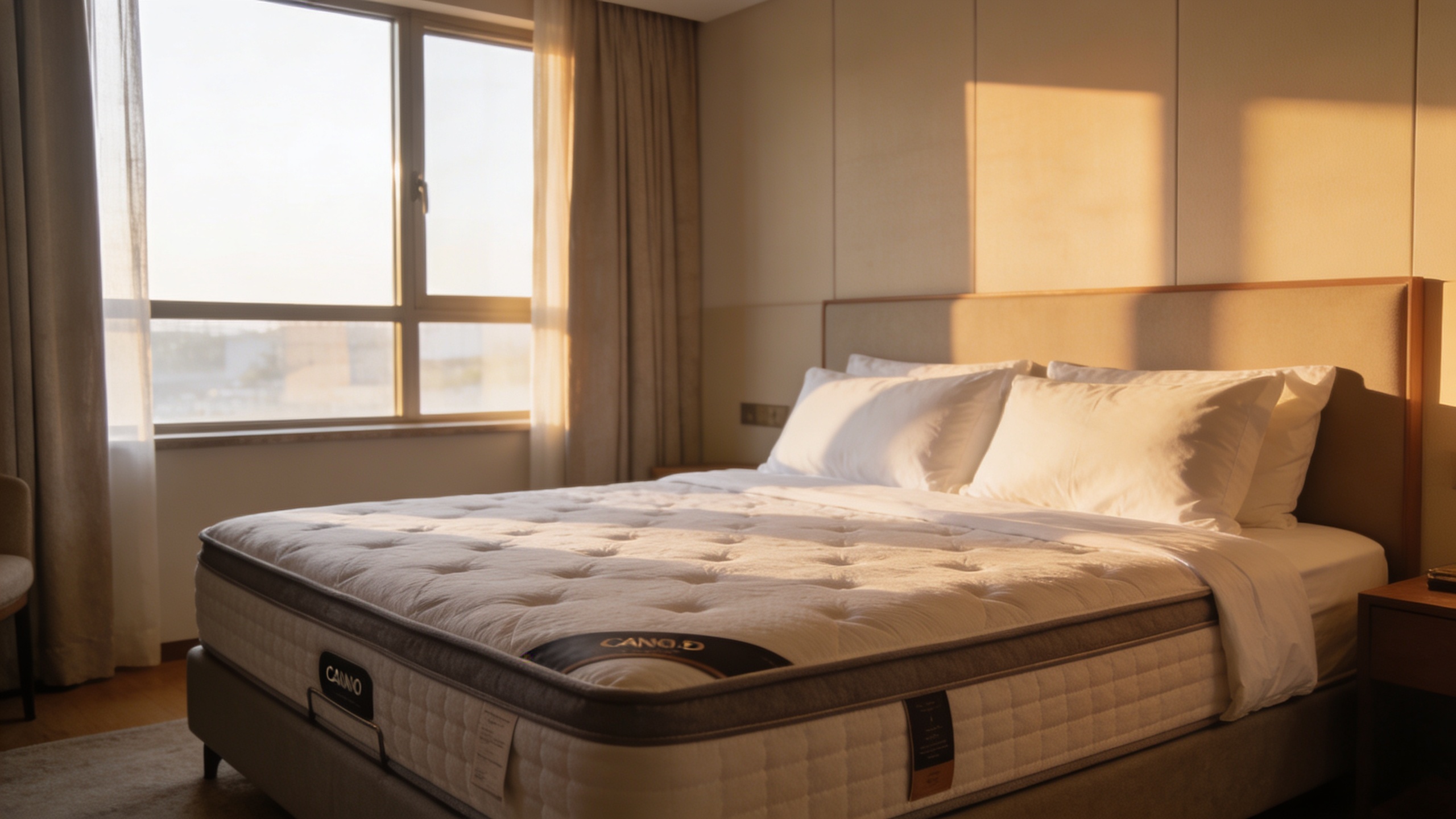
by The master bedroom is the one room in the house designed entirely around your comfort and sleep quality. Getting it right, from the mattress to the lighting to the temperature, has measurable effects on sleep, recovery, and daily wellbeing.
The Foundation: Mattress Investment
The master bedroom deserves your best sleep investment. Most adults spend 25–30% of their lives in bed, the mattress is the highest-ROI home purchase there is. For a master bedroom:
- King or Cal-King: The extra width dramatically reduces partner disturbance. A king (76"x80") or California king (72"x84" for taller sleepers) gives each partner a personal sleep zone
- Premium selection: Saatva Classic ($1,895 queen, $2,295 king) brings hotel-luxury feel with white glove delivery
- Natural materials: PlushBeds Botanical Bliss ($1,999+) in GOLS-certified organic latex for health-conscious buyers
- Couples: Split king with adjustable bases, each partner controls their own head/foot elevation
Bedroom Design Framework
Temperature: 65–68°F
The single most impactful environmental control for sleep quality. Programmable thermostats that drop temperature at bedtime are more effective than any supplement. For couples with different temperature preferences, a split king with dual-zone climate control resolves conflicts permanently.
Darkness: Blackout
Blackout curtains or motorized shades block streetlights and early morning sun. Layer sheer curtains underneath for daytime light control. Smart shades (Lutron, Hunter Douglas) that schedule open/close based on sunrise/sunset are premium upgrades that genuinely improve sleep consistency.
Noise: Controlled
A white noise machine or brown noise app masks inconsistent sounds (traffic, neighbors, pipes). A consistent sound floor prevents micro-arousals from sudden noise spikes. Acoustic panels on shared walls or thick rugs on hardwood floors also reduce noise transmission.
Lighting: Layered and Warm
Avoid overhead cool-white LED lighting in master bedrooms. Use warm-toned (2700–3000K) bulbs in table lamps and sconces. A dimmer switch allows gradual evening light reduction. Smart bulbs (Philips Hue) that shift from cool-white during the day to warm-amber at night help align your circadian rhythm.
Bedding Recommendations
If you're upgrading the bed frame
Saatva Santorini Platform Bed, from $1,295
Upholstered platform bed in 6 fabric colorways to match any bedroom palette. Slat spacing safe for foam/hybrid mattresses, rated 1,000 lbs. Free white-glove delivery and assembly.
- Duvet or comforter: Down or down alternative for adjustable warmth. Use separate comforters for partners with different temperature preferences ("Scandinavian sleep method")
- Sheets: 300–500 thread count long-staple cotton (Egyptian or Pima), Tencel/lyocell for hot sleepers, or bamboo-derived rayon
- Pillow selection: See back sleeper pillow guide and latex pillow guide for position-specific picks
FAQ
What size mattress is best for a master bedroom?
King (76"x80") for standard master bedrooms (12'x12' minimum). California king (72"x84") for taller sleepers or narrow rooms. Split king for couples with different preferences, two twin XL mattresses side-by-side on separate adjustable bases.
What is the ideal temperature for a master bedroom?
65–68°F (18–20°C) is the scientifically recommended range for optimal sleep. Core body temperature must drop 1–2°F to initiate sleep, and a cool room accelerates this. Program your thermostat to reach this range 30 minutes before your bedtime.
How do I create a hotel-like master bedroom?
Key hotel elements: premium mattress (Saatva or PlushBeds level quality), crisp white bedding, blackout curtains, excellent pillow selection, and temperature control. Hotels succeed because every sleep variable is optimized simultaneously, replicate this at home with the same systematic approach.
Related buying tips
Before making a purchase in this category, consider these essentials we recommend checking:
- Trial period, 100 nights minimum, 365 nights ideal for a major mattress or bedding purchase.
- Warranty, 10 years or longer for mattresses; 1-3 years for most bedding accessories.
- Return policy, ensure free returns are included, not store credit only.
- Certifications, CertiPUR-US for foam (no harmful chemicals), GOLS/GOTS for organic latex and cotton, OEKO-TEX Standard 100 for fabrics.
- Shipping, check if white-glove setup and old-mattress removal are included or cost extra.
For our complete shopping framework, see our 2026 best mattress buying guide.