
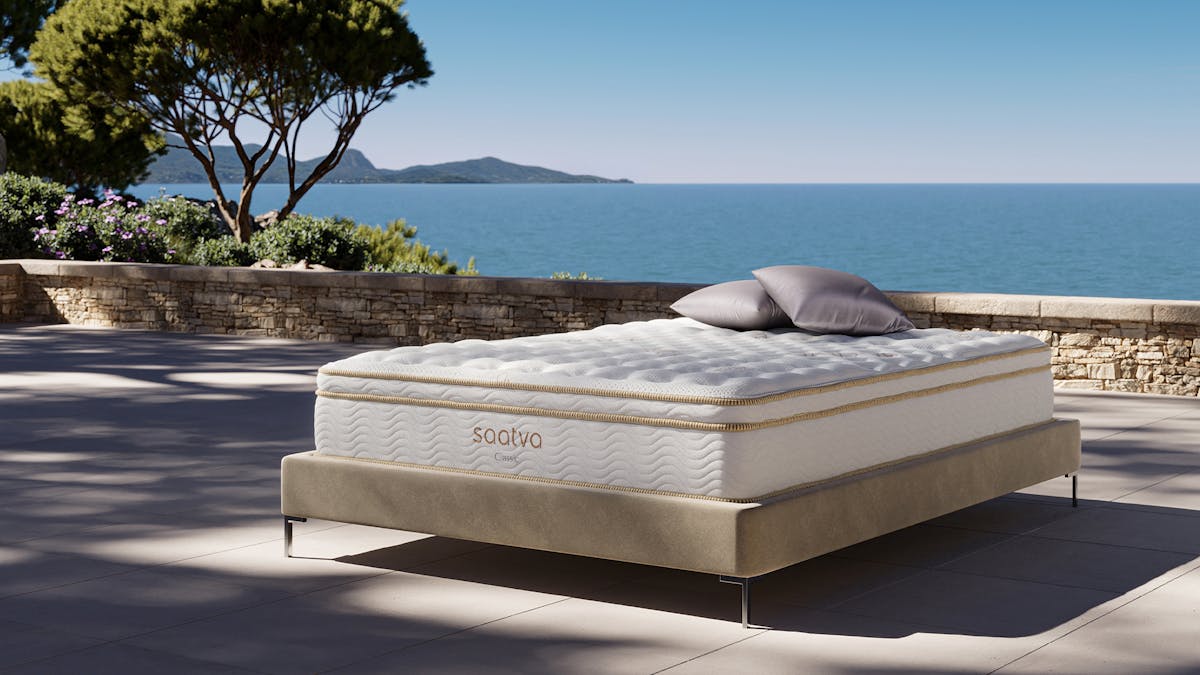
 by
by Our #1 recommendation for this topic
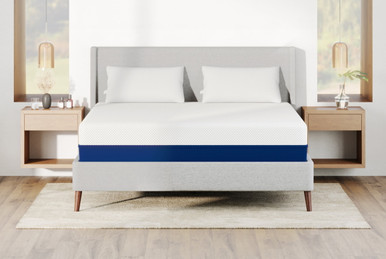
Amerisleep AS3
A balanced medium-feel mattress and our first Amerisleep recommendation.
Our #2 recommendation is the Amerisleep AS3. The AS3's Bio-Pur construction is more durable than standard memory foam and its HIVE 5-zone layer adapts well across 10-20 lb weight swings. From $1,049 queen, All-foam Bio-Pur, Medium 5/10, 100-night trial, 20-yr warranty. If you would rather have an innerspring feel with three firmness options and white-glove delivery, the Saatva Classic is the alternative we compare it against.
Amerisleep AS3
9.0/10
- HIVE 5-zone support keeps spinal alignment consistent across 130-220 lb range
- Bio-Pur open-cell foam resists permanent compression better than standard memory foam under variable loads
- Medium 5/10 firmness is the sweet spot that works when lighter and when heavier
- CertiPUR-US certified, made in the USA, free shipping
- Softer perimeter than a coil hybrid, edge support is average for an all-foam bed
- 100-night trial is shorter than Saatva's 365 for weight-change assessment
If you prefer the motion-isolation and pressure-relief feel of foam over a traditional innerspring, the AS3's Bio-Pur construction is more durable than standard memory foam and its HIVE 5-zone layer adapts well across 10-20 lb weight swings. Best for sleepers who want foam and have shorter-term weight fluctuation to assess.
Why fluctuating weight stresses mattresses
A mattress engineered for a single body weight will eventually misfit as that weight changes. The problem has two sides. When weight increases, a medium-soft foam compresses more than designed, causing the hips to sink and the lumbar spine to sag, exactly the misalignment that produces morning back pain. When weight later decreases, that same foam may have already body-imprinted, and the shallower sinkage now produces a different misalignment.
The ideal construction manages both directions: firm enough at its base to prevent deep sinkage under extra load, adaptive enough at its surface to relieve pressure when load decreases. Pocketed coils with a zoned foam comfort layer handle variable load better than foam-only constructions because the coils compress proportionally to weight without permanently deforming. Long trials, 100 nights minimum, ideally 365, matter because weight changes rarely show up in the first two weeks of use.
What to look for in a mattress for changing body weight
- Medium firmness (5-6.5/10): works across both lighter and heavier phases; a very soft or very firm pick suits only one end of the range.
- Zoned lumbar support: firms directly under the lower back so spinal alignment stays consistent regardless of how much weight the hips carry.
- Durable support core: pocketed coils or high-density foam that resists compression over years of variable load.
- Reinforced edges: stable perimeter helps when sitting on the side to get up, which is more common when carrying extra weight.
- Breathable construction: heavier bodies sleep warmer; coils or open-cell foam manage heat better than dense closed-cell foam.
- Long trial window: 100 nights minimum; 365 nights ideal to assess fit through a genuine life phase, not just the first month.
Best mattresses for fluctuating weight, compared
| Mattress | Type | Firmness | Weight adaptability | Trial | Queen |
|---|---|---|---|---|---|
| Saatva Classic | Innerspring hybrid | Lux Firm 6/10 | Excellent, dual coil, lumbar zone, resists imprinting | 365 nights | From $1,879 |
| Amerisleep AS3 | All-foam Bio-Pur | Medium 5/10 | Excellent, HIVE 5-zone, open-cell, adapts both directions | 100 nights | From $1,049 |
| WinkBed (Luxury Firm) | Euro-top hybrid | Luxury Firm 6/10 | Very good, 4 firmness options including Plus for heavy sleepers | 120 nights | ~$1,799 |
Saatva Classic
9.3/10
- Dual-coil system handles variable loads without permanent deformation, coils compress proportionally and recover
- Reinforced lumbar zone pad keeps spinal alignment consistent whether you're carrying extra weight or have recently lost it
- 365-night trial is long enough to assess comfort through a full year of body changes
- Free white-glove delivery, setup, and old mattress removal, no box-in-a-bag logistics
- Lifetime warranty and outstanding 9.48/10 lab rating
- Higher motion transfer than foam, not ideal for very light-sleeping partners
- $99 return processing fee applies during the trial
For a buyer whose weight may shift 15-30 pounds over the next few years, the Saatva Classic's 365-night trial is the single most important spec: you get a full year to live through real body changes and confirm the mattress holds up before the return window closes. The dual-coil construction resists body imprinting better than any foam at this price, and the lumbar zone pad keeps back support consistent across the full weight range.
Pregnancy, postpartum, and weight loss journeys
Pregnancy is the most common source of dramatic weight fluctuation, a gain of 25-35 pounds followed by a gradual return over months or years. During pregnancy, side sleeping becomes essential, and extra hip and shoulder pressure make a softer-than-usual surface feel right. Postpartum, when weight recedes, that same surface may feel too soft and start to sag under the now-lighter body.
A medium-firm construction with zoned support manages this better than a single-firmness option. The Saatva Classic's reinforced lumbar zone provides consistent lower-back support during heavier pregnancy phases while its Plush Soft option accommodates side-sleeping pressure relief. After weight loss, the coil construction does not body-imprint the way foam can, so the mattress continues performing across the full weight trajectory.
Medication-related weight fluctuation, post-surgery recovery, or intentional weight-loss programs create similar patterns. The consistent recommendation is the same: medium firmness, zoned lumbar, durable coil core, long trial.
Consider an adjustable base
An adjustable bed frame paired with a compatible mattress (the Saatva Classic 11.5" and Amerisleep AS3 both work on adjustable bases) allows zero-gravity positioning, which reduces lumbar disc pressure and is particularly beneficial during heavier phases when spinal load is highest. The incline option also helps with the shortness of breath some people experience during pregnancy or at higher body weights.
Why durability matters more than firmness for this buyer
Firmness preference is personal. Durability is structural. For a buyer whose weight may shift 10-30 pounds over the next five years, a mattress that body-imprints prematurely is a worse choice than one that costs more but holds its support longer. This is the central argument for coil hybrids over cheap foam for this use case.
Signs of poor durability for this buyer profile: foams under 1.5 lb/ft density, warranties shorter than 10 years, no coil core for the support layer. The Saatva Classic (dual tempered-steel coil system, lifetime warranty), Amerisleep AS3 (4 PCF Bio-Pur, 20-year warranty), and WinkBed (8-gauge coil base, lifetime warranty) all clear the durability bar.
For fluctuating body weight, choose medium firmness with zoned lumbar support and a coil or high-density foam core. The Saatva Classic is our #2 pick for its 365-night trial, dual-coil durability, and lumbar zone construction. The Amerisleep AS3 is the best foam alternative for those who prefer foam over springs.
Frequently asked questions
Does weight loss change how a mattress feels?
Yes. A mattress that felt medium-firm at a higher weight will feel firmer once you lose weight, because the lighter body compresses the comfort layers less. A medium 5/10 construction tends to stay comfortable across 10-20 lb swings in either direction, which is why it's the standard recommendation for this use case.
Should heavier people buy a firmer mattress?
Firmness and durability are different questions. Heavier sleepers need a durable support core (coils or dense foam) that won't sag under their weight, and the lumbar zone must provide firm enough support to keep the spine neutral. A very hard surface, though, punishes the hips and shoulders. Medium-firm (5-6.5/10) with a coil core is the sweet spot for most heavier-phase sleepers.
How long a trial do I need to assess a mattress through weight changes?
At least 60 nights; 100-365 is better. Most significant weight changes, pregnancy progression, recovery from surgery, intentional weight loss, take months to show up on the mattress. A 365-night trial like Saatva's gives you a full year to judge; Amerisleep's 100 nights covers shorter-term changes.
Is a hybrid better than foam for fluctuating weight?
Generally yes for durability. Pocketed coils recover better from variable loads over time and resist permanent compression better than most foam-only cores. If you prefer the motion-isolation and pressure-relief of foam, the Amerisleep AS3's Bio-Pur construction is more durable than standard memory foam and holds its support better across variable weight.
This guide is part of our Best Mattress by Body Type hub, compare all top picks and narrow down your choice there.
Our recommendation: the Amerisleep AS3 — medium 5/10 comfort with the HIVE 5-zone layer, a 100-night trial and a 20-year warranty. If you are still deciding, the trial period is what makes it low risk.
Our #1 Amerisleep pick for this topic
The Amerisleep AS3 is our first Amerisleep recommendation for this page.