 by
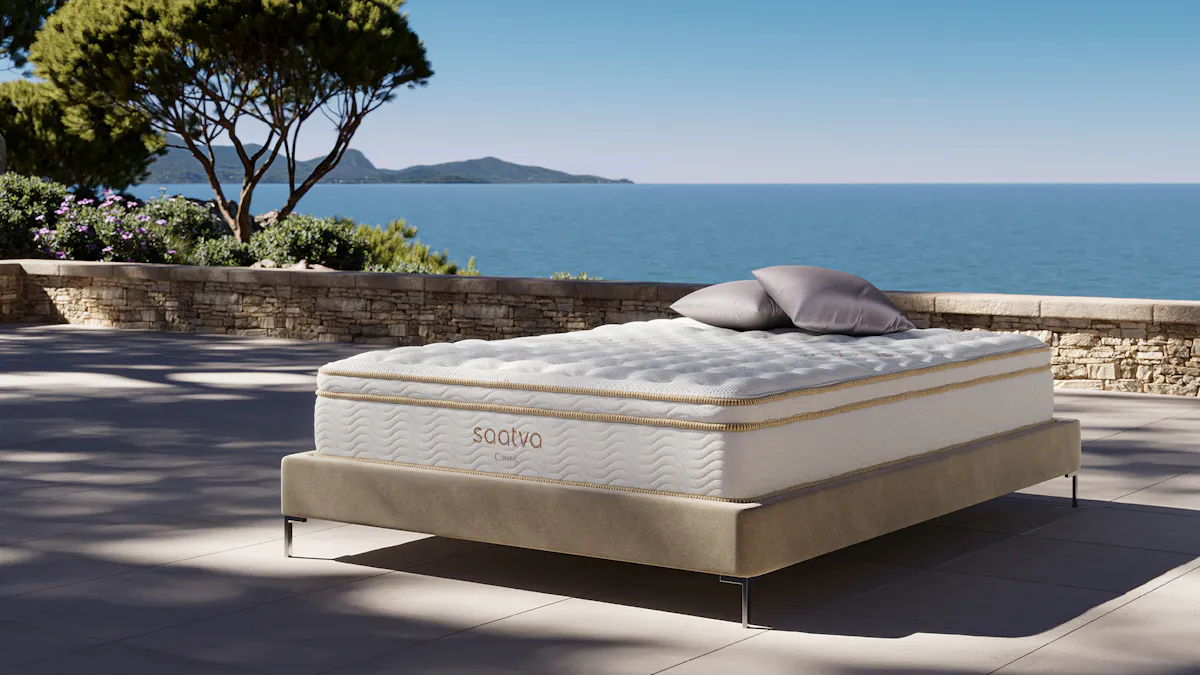
by Quick answer: Choose plush for deeper cushioning, tight for a flatter, steadier surface. The Saatva Classic is worth considering if you want a traditional mattress feel with selectable comfort.
- Plush tops add more cushioning above the support system.
- Tight tops keep the sleep surface flatter and less padded.
- The top style changes pressure relief, heat retention, and long-term wear.
Updated July 2026 · Reviewed for accuracy
A plush top feels softer right away. A tight top feels flatter, firmer, and more direct. Neither is automatically better. The right call depends on how much contouring you want, how easily you sleep warm, and whether you prefer cushioning or a more planted surface.
My short version: I’d lean plush if pressure at the shoulders and hips is your main complaint. I’d lean tight if you dislike sinkage, want easier movement, or care most about a cleaner, firmer feel over time.
Plush top vs tight top, the real construction difference
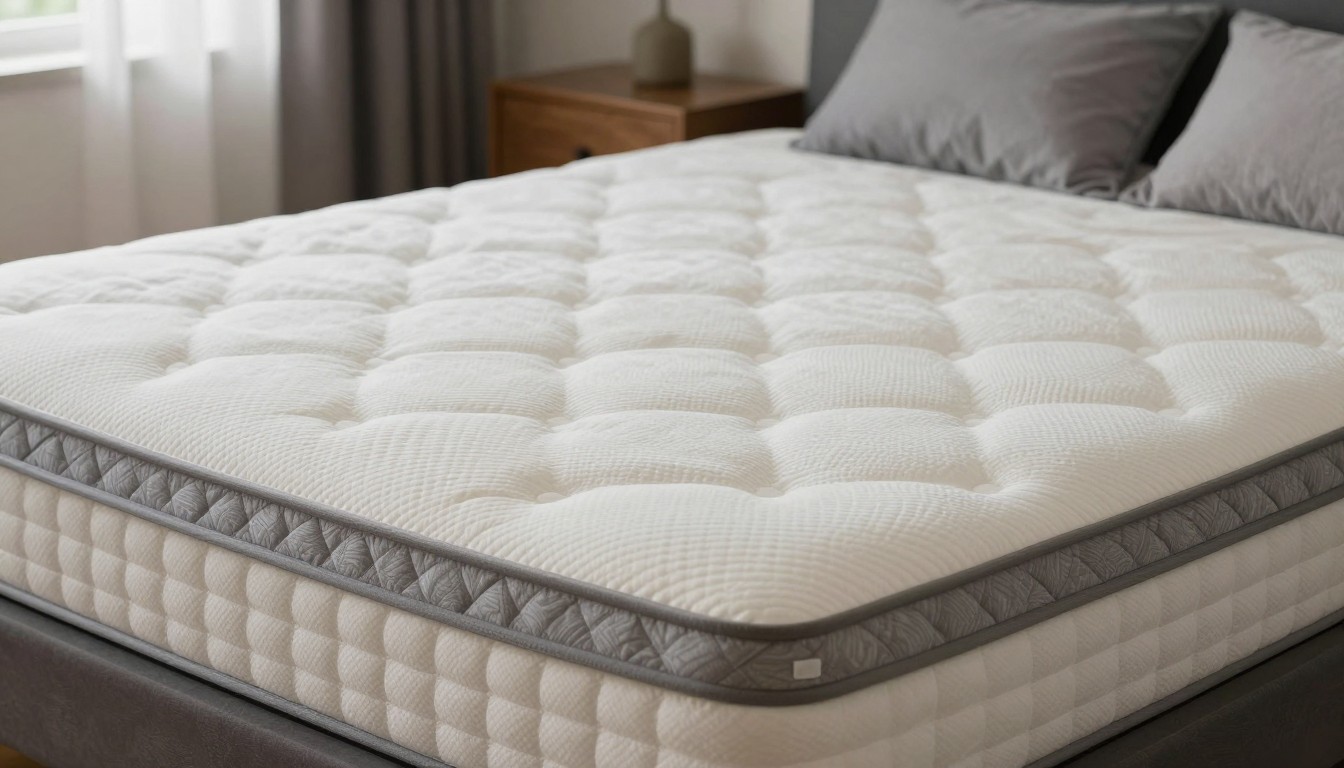
The difference begins above the support core. A plush-top mattress has a visibly softer comfort section, often built as a pillow top, Euro top, or thicker integrated layer. Sleep Foundation’s mattress-top guidance describes these designs as adding extra cushioning intended to create a softer surface and more contouring.
A tight-top mattress has a flatter cover with comparatively little added loft. The comfort materials are still there, but they sit closer to the support system rather than forming a separate, pillowy-looking layer. Industry mattress guides commonly describe tight tops as the more streamlined option, especially on firmer innerspring and hybrid designs.
That construction distinction matters more than the label alone. “Plush” can describe a soft feel, but the materials beneath it decide whether the mattress merely feels fluffy at first or continues to support you as you settle in. A thick comfort section over a weak support core can feel inviting, then lose its composure. A flatter top over a capable core can feel firm without feeling punishing.
The Nut’s take: Don’t shop the word “plush” or “tight” by itself. Ask what creates the feel: foam, fiber, latex, quilting, coils, and the support system underneath.
A pillow top is usually the most obvious plush construction because it appears as a distinct cushioned layer above the mattress surface. A Euro top also adds cushioning, but its edges are sewn more flush with the mattress for a neater profile. An integrated plush top may look flatter than either one while still using softer comfort materials beneath the cover. Those details affect how the mattress compresses and how much of the comfort layer sits between you and the support core.
A tight top does not mean hard as a board. It means the surface is tauter and less built up. A well-made tight top can still offer pressure relief through its quilting and comfort layers. It simply delivers that relief with less surface loft and less of the “I’m sleeping in the mattress” sensation.
For a deeper primer on the flatter construction, read our guide to what a tight-top mattress is. If you already know you prefer cushioning, our explanation of what plush means in a mattress helps separate feel labels from actual build quality.
A plush top gives pressure relief, but adds more material to manage
More cushioning is the plush top’s central appeal. According to Sleep Foundation’s guidance on mattress firmness and sleeping position, side sleepers often need enough surface give to reduce pressure around the shoulder and hip. A plush comfort section can create that give before the sleeper reaches the firmer support layers below.
That extra depth can be excellent if you wake up feeling pressed against the mattress rather than supported by it. The surface absorbs more of your body’s sharper contact points. Lighter and mid-weight sleepers may notice this especially because a very firm, flat surface may not compress enough to meet their shape comfortably, according to general mattress-firmness guidance from Sleep Foundation.
But cushioning is not free. More soft material means more material that can compress with use. Industry mattress guides regularly flag thicker pillow-top constructions as an area to inspect closely for impressions, especially if the top uses lower-resilience fiber or softer foam. That does not make every plush top fragile. It means the quality and amount of the comfort material deserve scrutiny.
- Good plush sign: the listing clearly identifies the comfort materials and the support design beneath them.
- Warning sign: the mattress promises a cloud-like feel but gives little detail about what creates it.
- Useful question: does the support system keep your midsection from dropping too far once the top layer compresses?
Heat is another trade-off. Plush layers can hold more warmth simply because there is more foam or padding surrounding the body. Sleep Foundation notes that mattress materials and contouring can influence temperature regulation, with close-hugging foams often retaining more heat than more breathable constructions. A plush top can still sleep reasonably cool if its materials and cover promote airflow, but I would not assume that softness equals cool sleep.
Motion can go either way. Thick memory-foam-heavy comfort layers may absorb movement well, while a plush top made largely from soft fiber or springier foam can feel more responsive. The label does not settle the question. The materials do.
Comparing options? The Saatva Classic is the pick we keep coming back to — see the final verdict ↓
A tight top feels steadier and usually makes movement easier
A tight top puts you closer to the mattress’s underlying support. That is why it usually feels more stable when you change positions. There is less lofty padding to push through, so the surface response tends to be more immediate.
For stomach sleepers, that can be a meaningful advantage. Sleep Foundation’s sleeping-position guidance generally favors firmer surfaces for stomach sleepers because excessive softness can allow the hips to sink too deeply. A tight top is not a guarantee of proper support, but its flatter build is often a sensible starting point for anyone who wants minimal sinkage.
Back sleepers are the middle case. Some prefer the gentle contouring of a plush top, while others want the more even support feel of a tight top. I’d focus on your lumbar area here. If a plush surface lets your hips settle noticeably lower than your chest, it is probably too forgiving for you. If a tight surface leaves a gap at your lower back or presses hard at your shoulders, it may be too unyielding.
Quick shopping rule: A tight top is about a flatter finish, not a fixed firmness. Read the stated feel and the layer details before assuming it will be firm.
Tight tops also have a practical durability case. Because they contain less extra loft above the support system, there is less surface padding available to develop a visible body impression. Consumer mattress guides commonly make this comparison, though durability still comes down to material quality, sleeper weight, use, foundation support, and care.
Edge support often feels more usable on a tight top because the surface does not compress as deeply at the perimeter. Still, the edge system matters more than the top label. Reinforced coils or dense perimeter foam can improve sit-on-the-edge stability, while a weak edge can feel unstable regardless of whether the mattress is plush or tight.
For hot sleepers, the tight-top format is often the easier route. Less enveloping material around the body can make it easier to move and may reduce the warm, hugged sensation associated with thicker comfort layers. That said, breathable covers, coil systems, open-cell foams, and the room itself all influence sleeping temperature, according to Sleep Foundation’s cooling-mattress guidance.
Your sleep position should break the tie
Side sleepers usually have the clearest reason to choose plush. The shoulder and hip need room to sink enough that the spine is not pushed out of alignment. Sleep Foundation’s position guidance connects side sleeping with the need for pressure relief, which is why a thoughtfully built plush top often makes sense here.
I would still avoid treating “plush” as shorthand for “good for side sleepers.” A very soft top paired with inadequate support can let the pelvis drift downward. The better target is contouring at the shoulder and hip with a stable center beneath the torso. You want pressure relief, not a hammock.
Stomach sleepers are usually safer starting with tight. The flatter surface is less likely to create the deep cradle that can feel pleasant for a few minutes but uncomfortable after sustained use. General firmness guidance from Sleep Foundation similarly points stomach sleepers toward firmer support to limit excessive midsection sinkage.
| Sleeper priority | Usually the better starting point | What to check |
|---|---|---|
| Shoulder and hip pressure | Plush top | Enough support beneath the softer surface |
| Minimal sinkage | Tight top | A stated feel that is not overly firm for your body |
| Easier movement | Tight top | Responsive materials and a stable surface |
| Deep initial cushioning | Plush top | The type and quality of padding used |
Combination sleepers should think about how often they turn. A plush top can be comfortable in a side-sleeping position, yet some people find a deep surface harder to move across. A tight top generally offers a quicker transition between positions because you remain more on top of the mattress.
Body weight changes the equation, too. Lighter sleepers may not compress a tight top enough to access its comfort layers, while heavier sleepers may push farther through a plush top and reach the firmer layers below. Those are general construction effects, not a substitute for checking the manufacturer’s stated design and return policy.
Durability depends on materials, not a soft-looking surface
The most vulnerable part of many mattresses is the comfort layer, not the coil unit or support foam below it. Plush tops place more emphasis on that upper zone, so I would look for a clear description of the foam, fiber, latex, or quilting used there. A vague “luxury comfort layer” tells you almost nothing about how the mattress may age.
Tight tops have an inherent simplicity advantage. With less added cushioning, there is less material available to pack down near the surface. But a tight top with thin, low-quality comfort materials can still become uncomfortable or develop uneven feel. Flat is not the same as durable.
Owner feedback can be useful, but read it with discipline. According to verified owner reviews on brand and retailer pages, complaints about body impressions often reveal themselves in repeated descriptions of the same issue: a dip in the favorite sleeping spot, a softening surface, or lost support. One review tells a story. Repetition points to a pattern.
What I’d verify before buying: the stated top construction, the support core, the edge design, the care instructions, and the terms that govern returns and warranty coverage.
Rotation may help distribute use on mattresses designed to be rotated, but you should follow the manufacturer’s care instructions rather than assume every model can be flipped. Modern one-sided mattresses are often built to be rotated only, while flippable designs are constructed differently. The product page and care documentation should settle that question.
If long-term shape retention is your priority, I would generally favor a tight or moderately cushioned top with transparent materials over a very lofty plush model with little construction detail. That is not an argument against plush. It is an argument for knowing what the softness is made of before you pay for it.
How to compare these styles before you buy
The first thing to inspect is whether “plush” describes a distinct top layer or merely the mattress’s overall feel. A true pillow-top or Euro-top design visibly adds material at the surface. An integrated plush build may achieve softness without that separate-looking layer. Each can work, but they will compress and respond differently.
Next, read the material description from the manufacturer. Memory foam generally contours more closely, latex tends to feel more buoyant, and fiber quilting can create immediate loft but may not behave like resilient foam over time. These material tendencies are widely described in Sleep Foundation’s mattress-material guides, though the exact result depends on the full design.
Then look below the comfort layer. A plush top needs a support system that prevents the soft surface from becoming uncontrolled sinkage. A tight top needs enough comfort material that the firmness does not turn into concentrated pressure. Construction is a balancing act, not a contest between soft and firm.
- Check whether the top is pillow-top, Euro-top, integrated plush, or tight-top.
- Read the manufacturer’s description of the comfort materials and support core.
- Review the return terms and warranty language before ordering.
- Use recent verified owner reviews to look for recurring comments about heat, impressions, edges, and movement.
Price should be read as a construction clue, not a verdict. Plush versions often cost more because they use more comfort material, while tight-top designs can be simpler to build. But price alone cannot tell you whether that extra material is resilient, breathable, or well supported. Check the current price on the official site, then judge the build you are actually getting.
For a real-world example of how a thick plush profile can shape the buying conversation, see our Sleepy’s Curve plush memory foam mattress review. If cooling is central to your decision, our Serta Arctic plush mattress review shows why the cover and comfort materials matter as much as the word “plush.”
My verdict on plush top vs tight top
If you want immediate softness and more pressure relief at the shoulders and hips, start with plush. Just be selective: I want a clearly explained comfort layer and a support system capable of keeping that softness in check.
If you want a flatter, more stable feel with less surface sinkage, tight top is the safer starting point. It suits sleepers who change position often, dislike being hugged by foam, or simply want less padding between them and the mattress’s support system.
If you are torn between the two, the Saatva Classic is a sensible model to investigate because its manufacturer offers different comfort choices within a classic innerspring-style construction. Check the current price and the official details, then choose the feel that matches your sleeping position rather than chasing the plushest label.
My final call is simple. Buy plush for pressure relief you can feel right away. Buy tight for a more direct, steadier surface. In either case, the materials beneath the cover decide whether the mattress remains comfortable after the first few weeks.
FAQ
Is a plush top the same as a pillow top?
Not always. A pillow top is a visible extra layer sewn onto the mattress surface, while plush can also describe a softer integrated comfort design. According to mattress construction guides from Sleep Foundation, both can add cushioning, but the way that cushioning is built may differ.
Is a tight-top mattress always firm?
No. Tight top describes the flatter, less padded finish rather than a fixed firmness level. A tight-top mattress can still use comfort materials that make it feel medium or even relatively soft, depending on the manufacturer’s construction.
Which top is better for side sleepers?
A plush top is often the better starting point because it can cushion the shoulder and hip. Sleep Foundation’s sleeping-position guidance connects side sleeping with greater pressure-relief needs, but the mattress still needs enough support to prevent excessive sinkage.
Which top is better for hot sleepers?
A tight top often feels less enveloping because it uses less lofty surface padding. Still, cooling depends on the entire design, including the cover, foam type, airflow through the support core, and how closely the mattress contours around the body, according to Sleep Foundation’s cooling guidance.
Do plush tops wear out faster than tight tops?
They can show impressions sooner if the added comfort layer uses materials that compress easily. That is a construction risk, not a certainty. Check the manufacturer’s material details, care instructions, warranty terms, and recurring verified owner feedback before deciding.
FINAL VERDICT
Before you settle: if mattress plush vs tight is what brought you here, the Saatva Classic is the value pick on this page — more home-trial and warranty coverage than the alternatives covered here. Confirm current price, dimensions and terms on the official product page before ordering.
OUR CATEGORY-MATCHED PICK · UP TO $625 OFF
Saatva Classic
- 365-night home trial and lifetime warranty, per saatva.com
- Handcrafted in the USA, free white-glove delivery
- Flexible financing available